
Understanding the temperature in Colorado is paramount for any traveler planning a visit to the Centennial State. Known for its stunning Rocky Mountains, expansive plains, and diverse ecosystems, Colorado’s climate is as varied as its landscapes. Unlike many destinations with relatively consistent weather patterns, Colorado presents a fascinating challenge and opportunity: preparing for significant temperature fluctuations, not just seasonally, but often within a single day. This guide delves into what visitors can expect from Colorado’s temperatures, helping to inform packing decisions, activity planning, and overall travel expectations across its unique regions.
Understanding Colorado’s Diverse Climates
Colorado’s climate is largely influenced by its topography, primarily the presence of the Rocky Mountains running north to south through the state. This creates distinct climatic zones: the semi-arid Eastern Plains, the mountainous regions, and the more temperate Western Slope. Consequently, asking “What is the temperature in Colorado?” is akin to asking for the temperature in an entire continent—it varies dramatically depending on where and when you are.
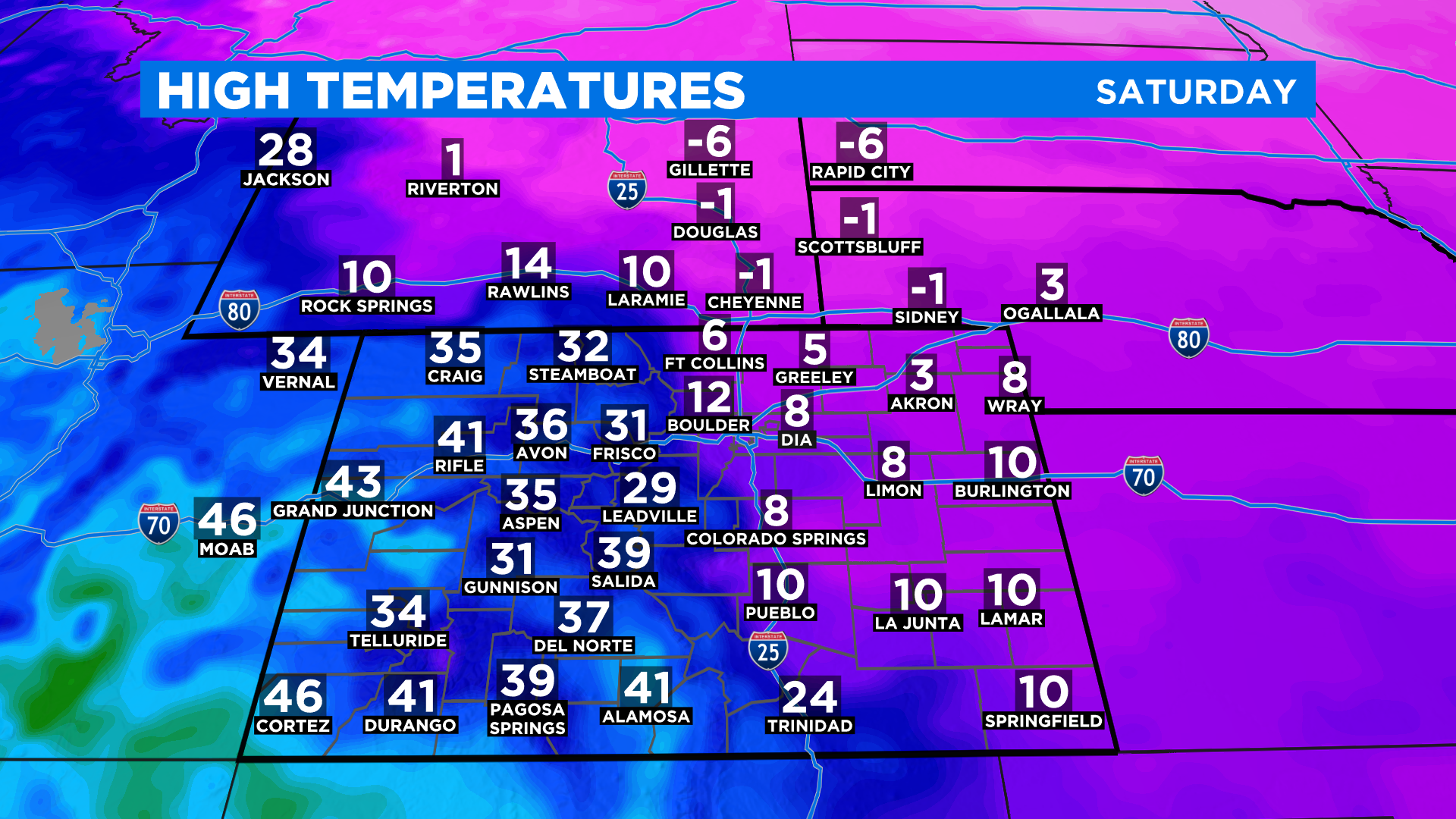
The state experiences all four distinct seasons, each bringing its own unique thermal characteristics. High-altitude areas, naturally, are considerably cooler than lower elevations. Even within the same region, a sunny morning can give way to an afternoon thunderstorm with a sharp drop in temperature, especially during summer months. This phenomenon, often referred to as “four seasons in one day,” is a quintessential Colorado experience that travelers must be prepared for. Humidity levels are generally low throughout the state, which can make extreme temperatures feel less severe but also necessitates increased hydration. Visitors should always consult localized forecasts for specific cities or destinations like Denver, Aspen, or Grand Junction to get the most accurate picture.
Seasonal Temperature Guide for Travelers
Navigating Colorado’s temperatures requires a seasonal understanding. Each period offers different travel opportunities and demands specific preparation.
Spring (March – May)
Spring in Colorado is a transition period, marked by significant variability. March and April can often feel like an extension of winter, particularly in the mountains, where significant snowfall can still occur, making it prime time for spring skiing at resorts like Vail or Breckenridge. Lower elevations, such as Denver and Colorado Springs, see average daytime temperatures ranging from the 40s to 60s Fahrenheit (4-18°C), with nighttime lows often dipping below freezing. By May, the plains warm up considerably, often reaching the 70s (21°C), while mountain towns begin to thaw, offering a mix of slushy trails and budding wildflowers. Expect a mix of sunny days, rain, and even late-season snow. Layering is crucial.
Summer (June – August)
Summer is undeniably the most popular time to visit Colorado for many, thanks to its generally warm and pleasant temperatures. Daytime highs in cities like Denver and Fort Collins typically range from the 80s to low 90s Fahrenheit (27-35°C), though the low humidity makes the heat more tolerable than in many other parts of the country. Evenings are refreshingly cool, often dropping into the 50s and 60s (10-18°C). In the mountains, temperatures are significantly milder, with daytime highs usually in the 70s (21-26°C) and nighttime lows in the 40s and 50s (4-15°C). Afternoon thunderstorms are common, especially in July and August, providing a brief cool-down. These storms can be sudden and intense, particularly in higher elevations like Rocky Mountain National Park, requiring hikers to be prepared with rain gear and awareness of lightning risks.
Fall (September – November)
Autumn is often considered one of the most beautiful times to visit, particularly for its vibrant aspen foliage. Temperatures are generally mild and comfortable, perfect for hiking and scenic drives. September often extends summer-like conditions, with daytime highs in the 70s (21-26°C) in lower elevations. As October progresses, temperatures cool down rapidly, ranging from 50s to 60s (10-18°C) in the plains, and mountain regions begin to experience their first significant snowfalls, especially at higher altitudes. By November, winter weather can set in across much of the state, with average daytime temperatures in the 40s (4-9°C) and freezing nights. The crisp air and clear skies make for excellent photography conditions, but travelers should be ready for cold snaps.
Winter (December – February)
Colorado’s winters are famous for abundant snowfall, especially in the mountains, making it a premier destination for skiing and snowboarding at resorts like Keystone Resort and Winter Park Resort. Mountain towns like Telluride can see daily highs in the 20s and 30s Fahrenheit (-7 to 0°C), with nighttime temperatures often well below zero. Even in the low-lying cities of the Front Range, average daytime temperatures hover around the 30s and 40s (0-9°C), though sunny days can feel warmer. Cold fronts can bring arctic air, pushing temperatures to single digits or even below zero for extended periods. Despite the cold, sunny days are frequent, and the dry air can make cold temperatures feel less severe than in more humid climates.
Regional Temperature Breakdown: Mountains vs. Plains

The vast temperature differences between Colorado’s major geographical regions significantly impact travel planning.
The Front Range and Eastern Plains
This region, encompassing cities like Denver, Boulder, Colorado Springs, and Fort Collins, typically experiences warmer temperatures than the mountains. Summers are hot and dry, with daily highs often in the 80s and 90s Fahrenheit (27-35°C), occasionally reaching 100°F (38°C). Winters are cold, with average highs in the 40s (4-9°C), but they are also known for significant temperature swings due to chinook winds, which can rapidly warm temperatures by dozens of degrees. Snowfall is common but often melts quickly, especially in Denver, which averages about 60 inches annually but rarely retains a deep snowpack for long periods. The Eastern Plains share similar characteristics but are often more exposed to winds and can experience more extreme temperature variations, with fewer geographic features to moderate the climate.
The Rocky Mountains
Higher elevations are characterized by cooler temperatures year-round. Summer days in mountain towns are pleasantly warm (70s°F / 21-26°C), perfect for hiking, but nights are consistently cool, often requiring a light jacket. Winter is where the mountains truly shine for snow sports enthusiasts. Highs are typically in the 20s and 30s (-7 to 0°C), with deep snowpacks that accumulate from November through May. Areas above 10,000 feet, such as those found in Rocky Mountain National Park, can experience snow even in July and August, and temperatures can plummet dramatically at night, sometimes to freezing or below, even in summer. This zone is prone to sudden weather changes, including blizzards and intense thunderstorms.
The Western Slope
The Western Slope, including cities like Grand Junction, enjoys a more arid and often milder climate than the Front Range due to its protection by the Rocky Mountains to the east. Summers are hot and dry, often reaching the high 90s or even 100s Fahrenheit (32-38°C), similar to a desert climate, perfect for exploring attractions like Mesa Verde National Park. Winters are typically milder than the Front Range, with less snowfall, though freezing temperatures are common. Spring and fall offer comfortable conditions, making them ideal times for outdoor activities in this region, including visits to Great Sand Dunes National Park and Preserve.
Packing Smart: Adapting to Colorado’s Temperatures
Given Colorado’s unpredictable temperatures, packing strategy is key to a comfortable visit. The golden rule for any Colorado traveler is layering.
Regardless of the season, always include:
- Moisture-wicking base layers: Essential for regulating body temperature during physical activity, both in summer heat and winter cold.
- Insulating mid-layers: Fleece or down jackets are perfect for adding warmth that can be easily shed.
- Waterproof/windproof outer shell: A lightweight jacket or shell is crucial for protection against sudden rain, snow, or wind, especially at higher elevations.
- Sun protection: High altitude means intense UV radiation. Sunscreen, sunglasses, and a wide-brimmed hat are vital, even on cloudy days or in winter.
- Hydration: The dry air and high altitude mean you’ll need to drink more water than usual to avoid dehydration.
For specific seasons:
- Summer: Even with warm daytime temperatures, bring a jacket or sweater for cool evenings and higher elevations. Sturdy hiking shoes are a must.
- Winter: Heavy winter coats, thermal underwear, waterproof pants, gloves, hats, and waterproof insulated boots are non-negotiable for mountain activities. Even in Denver, warm layers are essential.
- Spring/Fall: These seasons demand the most versatility. Pack a full range of layers, from t-shirts to a warm jacket, and be prepared for anything from mild sun to snow.
Best Times to Visit Based on Temperature & Activities
The “best” time to visit Colorado largely depends on the traveler’s interests, directly influenced by temperature.
- For Skiing and Snowboarding (December – March): The coldest months offer the best snow conditions. Mountain resorts are in full swing, with consistent cold temperatures ensuring snow quality.
- For Hiking and Mountain Biking (June – September): The summer and early fall provide the most comfortable temperatures for high-altitude outdoor pursuits. July and August are warmest, but early September offers pleasant weather with fewer crowds and stunning fall colors.
- For Fall Foliage (Late September – Mid October): Crisp, cool temperatures and vibrant golden aspens make this a popular time for scenic drives and moderate hikes.
- For City Exploration and Events (May – October): Lower elevations enjoy pleasant to warm temperatures, ideal for exploring Denver’s cultural attractions, Boulder’sPearl Street Mall, or attending various festivals.
In conclusion, Colorado’s temperature is a dynamic element of its allure. While it demands careful planning and flexible packing, understanding its regional and seasonal variations allows travelers to fully embrace the incredible experiences the state has to offer, from pristine powder runs to sun-drenched mountain trails. Always check the specific forecast for your destination before heading out, as local conditions can vary significantly.
LifeOutOfTheBox is a participant in the Amazon Services LLC Associates Program, an affiliate advertising program designed to provide a means for sites to earn advertising fees by advertising and linking to Amazon.com. Amazon, the Amazon logo, AmazonSupply, and the AmazonSupply logo are trademarks of Amazon.com, Inc. or its affiliates. As an Amazon Associate we earn affiliate commissions from qualifying purchases.