
The University of Hawaii system is a sprawling network of educational and research institutions, but its heart lies within the lush, rain-kissed landscapes of the Manoa Valley. Identifying the location of this prestigious institution requires more than just a pinpoint on a map; it involves understanding the unique geography, history, and cultural significance of Oahu and the broader Hawaiian Islands. As a landmark of both academic excellence and architectural diversity, the flagship campus serves as a gateway to the Pacific Ocean and a cornerstone of the Honolulu community.
The Flagship Setting: Exploring the Manoa Valley Campus
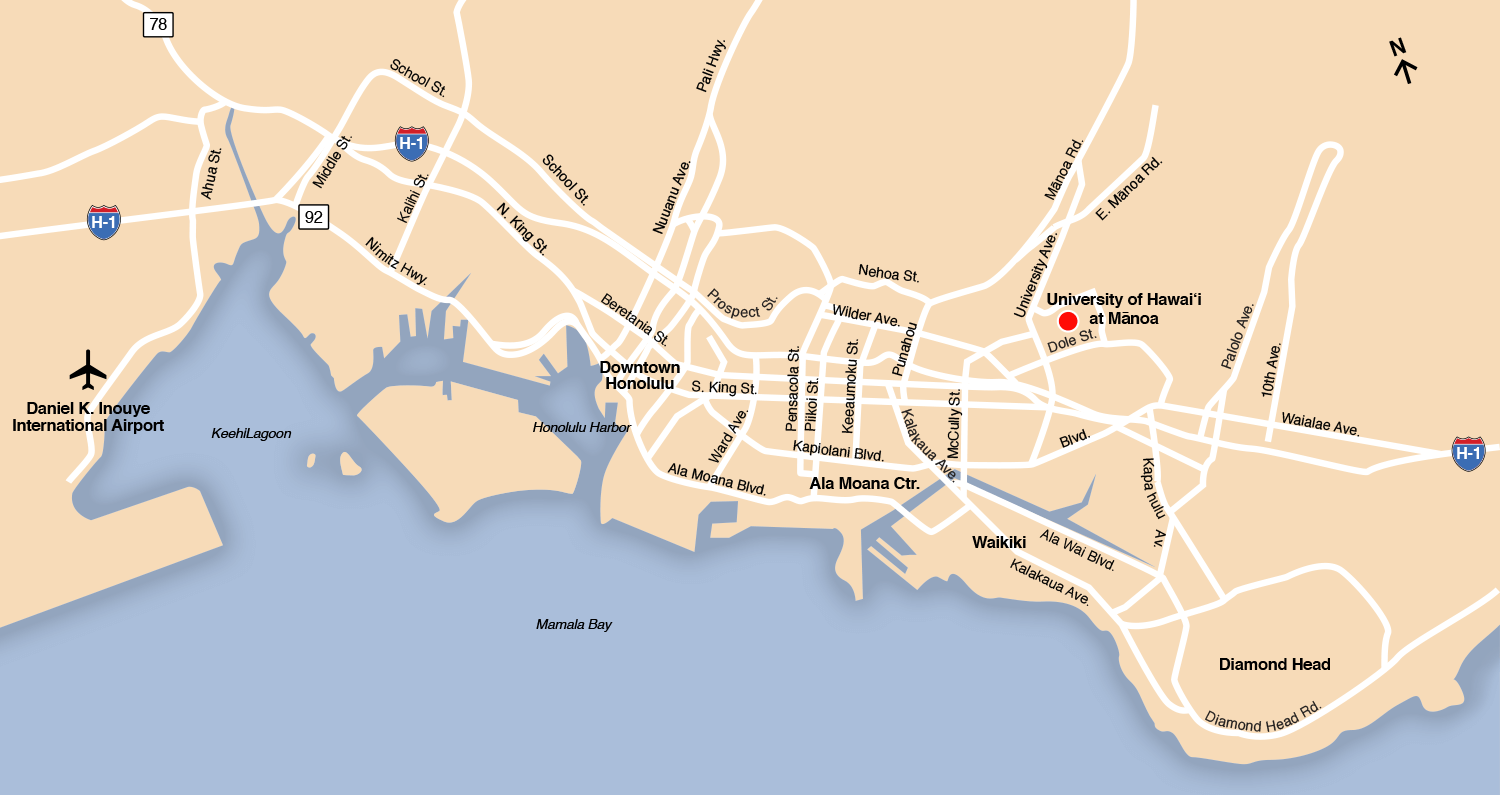
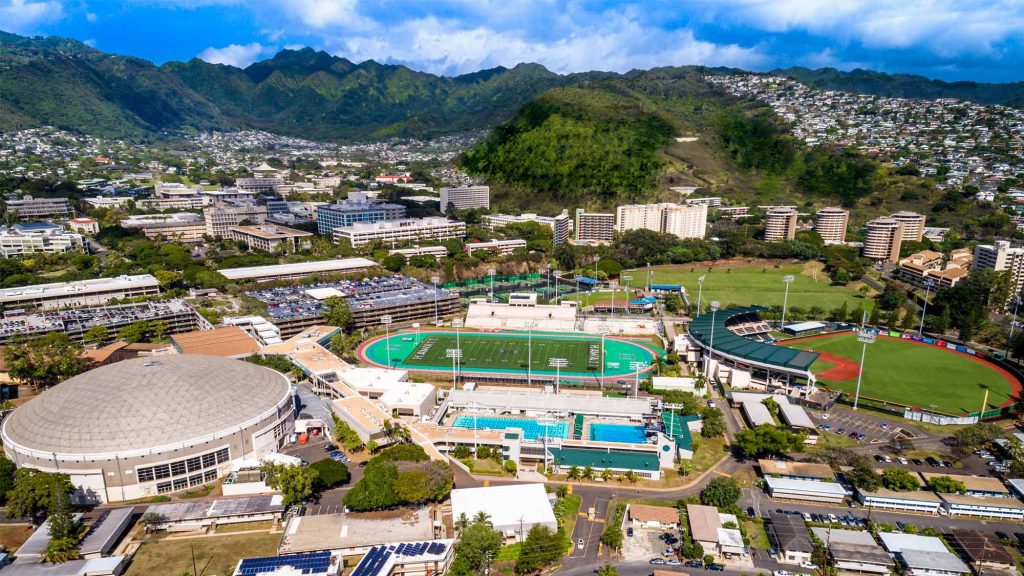
The primary campus, known formally as the University of Hawaii at Manoa, is situated just a few miles inland from the world-famous shores of Waikiki. Nestled in the southern part of the island of Oahu, the campus occupies over 300 acres of prime real estate in one of the most scenic valleys in the United States. Its location is defined by the dramatic backdrop of the Koʻolau Range, which provides a vertical wall of deep green ridges often draped in mist and rainbows.
Topography and Climate of the Manoa Region
The geography of Manoa is a defining characteristic of the university’s identity. The valley is a natural amphitheater, collecting moisture from the trade winds that sweep across the Pacific Ocean. This results in a microclimate that is significantly cooler and wetter than the arid coastlines of Ewa Beach or the sun-drenched towers of Kakaako. This abundance of rainfall has transformed the campus into a living landmark of tropical flora, where giant banyan trees and monkeypods provide a dense canopy for students and visitors alike.
From a landmark perspective, the campus is positioned at the base of the valley, sloping upward toward the mountains. This elevation allows for breathtaking views of Diamond Head, the iconic volcanic tuff cone that serves as Honolulu’s most recognizable natural landmark. The interplay between the urban cityscape and the prehistoric green ridges of the Koʻolau Mountains makes the university’s location one of the most visually stunning academic environments in the world.
Strategic Proximity to Honolulu and Waikiki
While the campus feels like a secluded tropical retreat, it is strategically located near the urban center of Hawaii. Bordered by the residential neighborhoods of McCully and Moiliili, the university is an integral part of the city’s fabric. The main entrance is typically accessed via University Avenue or Dole Street, which connect the campus to the H-1 Freeway. This accessibility ensures that the university remains a central hub for cultural events, athletic competitions at the Stan Sheriff Center, and scientific collaboration with nearby institutions like the Hawaii State Capitol.
Architectural Landmarks: A Blend of History and Modernity
The physical location of the University of Hawaii is marked by a diverse collection of architectural landmarks that tell the story of the state’s transition from a territory to the 50th state of the United States. The campus is a tapestry of styles, ranging from early 20th-century Mediterranean Revival to the bold, concrete Brutalism of the mid-century era.
The Quadrangle and Hawaii Hall
At the historic heart of the campus lies the Old Quadrangle, a space that feels worlds away from the modern high-rises of Downtown Honolulu. The centerpiece of this area is Hawaii Hall, the first permanent building erected on the campus in 1912. Built with white concrete and featuring classical proportions, Hawaii Hall stands as a monument to the university’s humble beginnings as a land-grant college focused on agriculture and mechanic arts.
Surrounding Hawaii Hall are other significant historical structures such as Gartley Hall, George Hall, and Dean Hall. These buildings, arranged around a central lawn, represent the “Historic Core” of the university and are listed on the National Register of Historic Places. The nearby Founders Gate, located at the corner of University Avenue and Metcalf Street, serves as a symbolic landmark, welcoming all who enter this sacred space of learning.
The East-West Center and International Design
A short walk from the historic quadrangle reveals a different era of architectural significance. The East-West Center, established by the United States Congress in 1960, is located on the eastern edge of the Manoa campus. This institution is a landmark of international diplomacy and cultural exchange. The most notable structure here is Jefferson Hall, designed by the world-renowned architect I.M. Pei.
Pei, who would later design the glass pyramid at the Louvre in Paris, brought a modernist sensibility to the valley. His work on the East-West Center incorporates clean lines, open spaces, and a harmony with the surrounding landscape. Adjacent to these buildings is the Japanese Garden, a gift from business leaders in Japan. This serene landmark, complete with a koi pond and traditional tea house, highlights the university’s geographic and cultural position as a bridge between the East and the West.
Natural Landmarks and Green Spaces within the University
The University of Hawaii is often described as an arboretum that happens to house a university. The entire Manoa campus is officially designated as a botanical garden, containing over 4,000 individual trees representing hundreds of species.
The Campus as a Botanical Garden
One cannot discuss the location of the university without mentioning its natural landmarks. Varney Circle, located at the center of the campus, features a stunning fountain and is surrounded by seasonal blooms that change the color palette of the university throughout the year. The McCarthy Mall, a long pedestrian walkway, is lined with exceptional specimens of Cassia and Kassod trees, creating a shaded promenade that is a landmark in its own right.
For those interested in native Hawaiian ecology, the campus serves as a sanctuary for indigenous plants. The Krauss Hall area contains traditional Hawaiian gardens that showcase the “canoe plants” brought by early Polynesian navigators. This focus on the land, or “aina,” is a reminder of the university’s location on ancestral Hawaiian territory, specifically within the ahupuaʻa of Waikiki.
Proximity to Lyon Arboretum and Manoa Falls
While the main campus is the primary focus, the university’s reach extends further up the valley into the rainforest. The Lyon Arboretum is a 194-acre botanical garden and research facility managed by the University of Hawaii. Located at the very top of Manoa Road, it serves as a gateway to the famous Manoa Falls.
The arboretum is a critical landmark for the study of tropical plants and conservation. Its location in the wettest part of the valley allows for the growth of a massive collection of palms, heliconias, and gingers. Visitors to the university often make the pilgrimage from the main campus to this upland sanctuary to experience the raw, primeval beauty of Oahu’s interior.
A Statewide Network: Landmarks of the University of Hawaii System
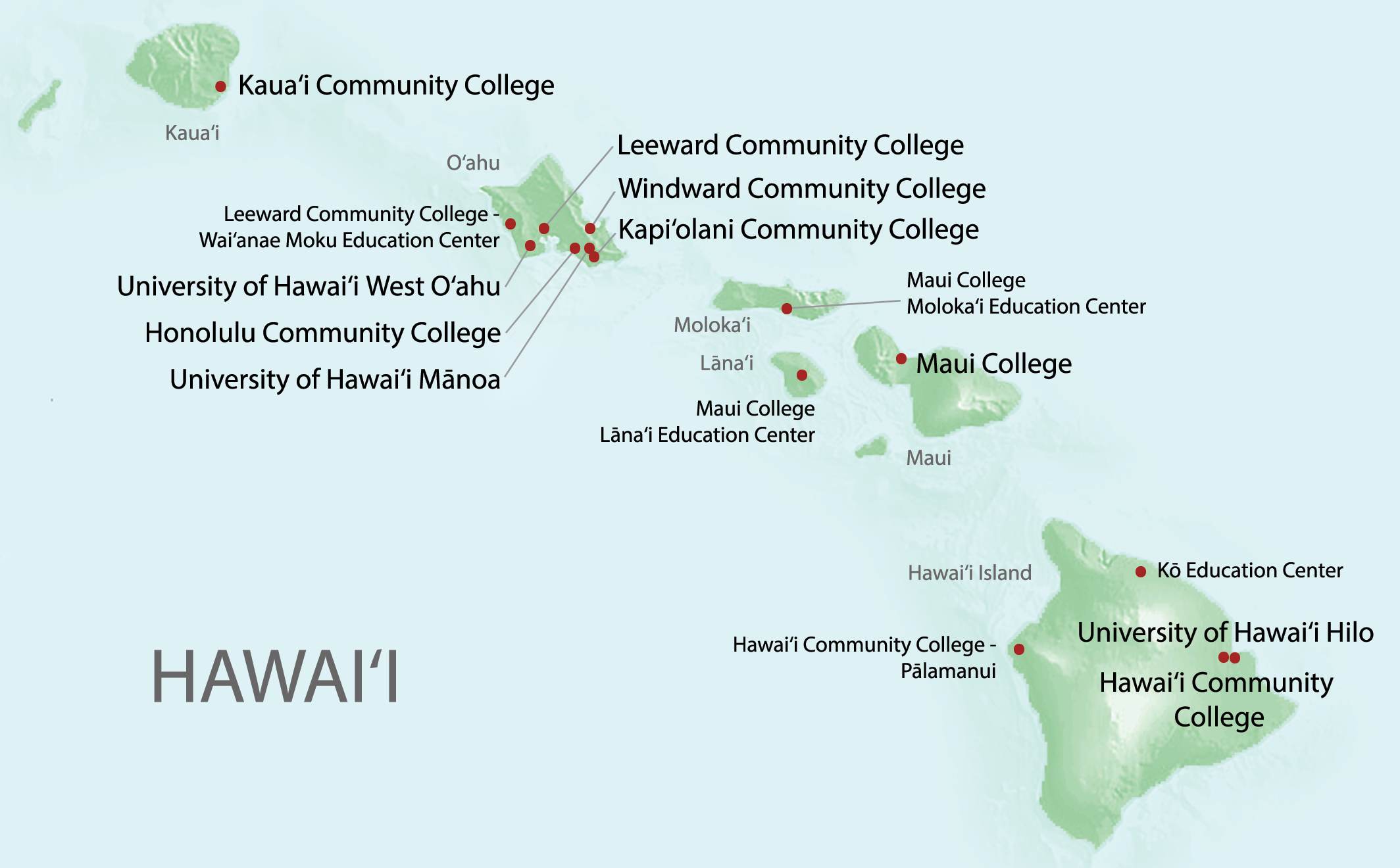
To fully answer where the University of Hawaii is located, one must look beyond Manoa. The system encompasses ten campuses spread across the major Hawaiian Islands, each serving as a local landmark.
Scientific Frontiers at Mauna Kea
Perhaps the most internationally famous landmark associated with the university is not on Oahu at all, but on the Big Island of Hawaii. The Institute for Astronomy manages the Mauna Kea Science Reserve on the summit of Mauna Kea. Sitting at 13,796 feet above sea level, this is the premier site for ground-based astronomy in the world.
The white domes of the telescopes atop the cinder cones of Mauna Kea are landmarks of human curiosity and scientific achievement. While the University of Hawaii at Hilo provides the closest administrative base, the summit remains a spiritual and scientific landmark of global importance, inextricably linked to the university’s identity.
Specialized Research Centers across the Hawaiian Islands
The university’s location is also defined by its coastal and marine research centers. The Hawaii Institute of Marine Biology is located on Coconut Island (Moku o Loʻe) in Kaneohe Bay. This island landmark provides a world-class laboratory for coral reef research. Similarly, the Waikiki Aquarium, located on the shoreline of Kapiolani Park, is the second oldest public aquarium in the United States and is part of the university system.
From the University of Hawaii Maui College in Kahului to Kauai Community College in Lihue, the institution’s presence is felt on every island. Even on Molokai and Lanai, education centers ensure that the university is never truly out of reach.
In conclusion, the University of Hawaii is located at the intersection of diverse ecosystems and cultures. Whether it is the historic halls of the Manoa campus, the modernist designs of I.M. Pei, or the volcanic heights of Mauna Kea, the university’s physical presence is as varied and profound as the islands themselves. It is a landmark of the Pacific, deeply rooted in its island home while gazing outward toward the stars.
LifeOutOfTheBox is a participant in the Amazon Services LLC Associates Program, an affiliate advertising program designed to provide a means for sites to earn advertising fees by advertising and linking to Amazon.com. Amazon, the Amazon logo, AmazonSupply, and the AmazonSupply logo are trademarks of Amazon.com, Inc. or its affiliates. As an Amazon Associate we earn affiliate commissions from qualifying purchases.