
Choosing the right entry point for a journey to Hawaii is the first and most critical decision a traveler must make. This archipelago, situated in the heart of the Pacific Ocean, offers a diverse range of landscapes, from bustling metropolitan centers to secluded emerald valleys. Each island serves as a distinct world, and the airport you choose dictates the tempo of your entire vacation. While Hawaii is technically part of the United States, its geographic isolation and cultural depth make arriving here feel like stepping into another realm entirely. To navigate the logistics of your arrival, one must understand the primary gateways and the specific experiences they unlock.
Oahu: The Vibrant Gateway through Honolulu
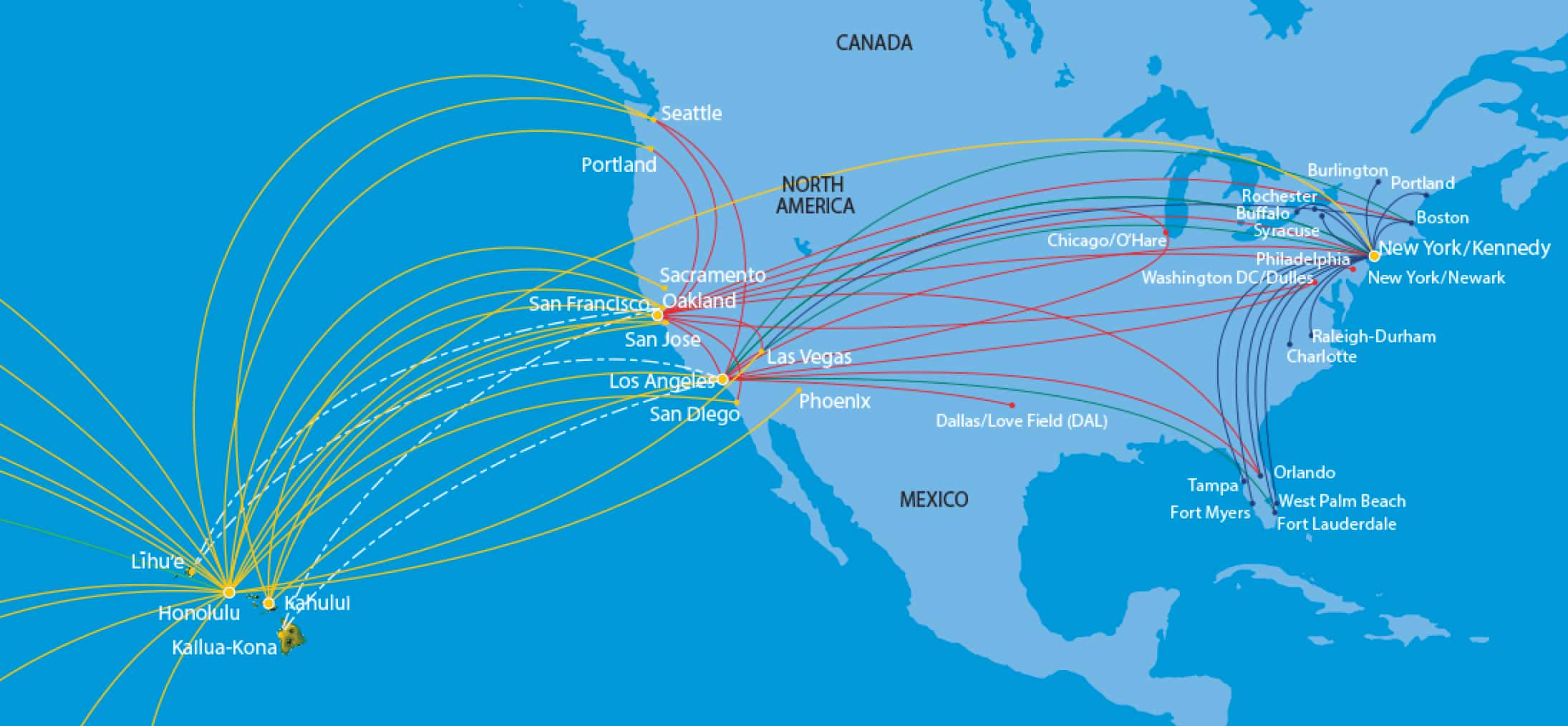
For the vast majority of visitors, the journey begins on Oahu, often referred to as “The Gathering Place.” This island is the heartbeat of the state, blending modern urban convenience with timeless tropical beauty. If your travel goals involve iconic landmarks, high-end shopping, and a mix of historical sites, this is the most logical place to land.
Daniel K. Inouye International Airport
The primary hub for the islands is Daniel K. Inouye International Airport in Honolulu. This is one of the busiest airports in the world, serving as the central nervous system for transpacific flights. Arriving here is an experience in itself, as the open-air walkways and lush garden courtyards immediately signal that you have reached the tropics. Because it is a major international hub, travelers often find the most competitive airfare prices when flying into Honolulu. From here, the world-famous Waikiki is just a short drive away, offering a dense concentration of dining and entertainment.
Exploring Honolulu and Beyond
Once you land in Honolulu, the island of Oahu reveals its multifaceted personality. History buffs usually make a beeline for Pearl Harbor, a site of profound national significance that provides a somber yet essential look into the history of Hawaii during the mid-20th century. For those seeking outdoor thrills, a hike up Diamond Head offers a panoramic view of the coastline that is virtually unmatched.
While the city is vibrant, flying into Oahu also grants access to the legendary North Shore. Known for its massive winter swells and laid-back surf culture, the northern coast is a sharp contrast to the high-rise skyline of the city. Whether you are visiting the Polynesian Cultural Center or snorkeling at Hanauma Bay, Oahu serves as the most versatile destination for first-time visitors.
Maui: The Valley Isle’s Aerial Entry
Maui strikes a balance between the urban density of Oahu and the raw wilderness of the Hawaii Island. It is the destination of choice for honeymooners and families seeking a mix of luxury and adventure. Knowing which airport to choose on Maui depends largely on where you intend to spend your time.
Kahului Airport: The Main Hub
Most travelers flying into Maui will land at Kahului Airport. Located in the central valley, this airport is the island’s primary commercial gateway. It is conveniently situated near major rental car hubs, making it the perfect starting point for the famous Road to Hana. This winding journey takes travelers through rainforests, past cascading waterfalls, and eventually to the quiet town of Hana. Kahului is also the closest airport to the majestic Haleakala National Park, where visitors can witness the sunrise from the summit of a massive dormant volcano.
Regional Alternatives
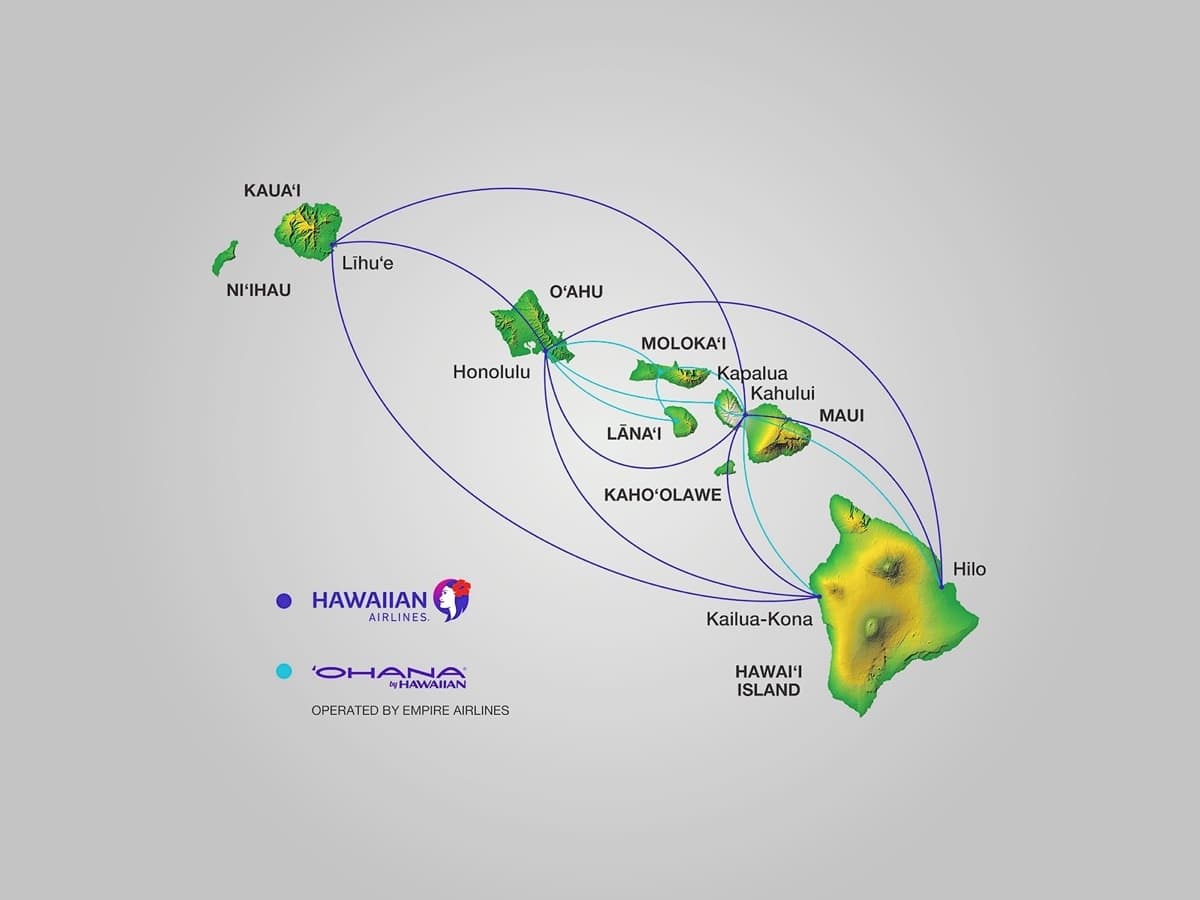
While Kahului Airport handles the bulk of the traffic, there is also Kapalua Airport on the west side of the island. This is a much smaller, commuter-focused airfield. It is exceptionally convenient if you are staying in the resort areas of Lahaina, Ka’anapali, or Kapalua. However, it primarily services inter-island flights from Honolulu via smaller aircraft. For those staying in Wailea on the south shore, Kahului remains the most practical choice. Maui is also the perfect base for whale watching during the winter months, with excursions departing frequently from the historic Lahaina Harbor.
Hawaii Island: Dual Portals to Adventure
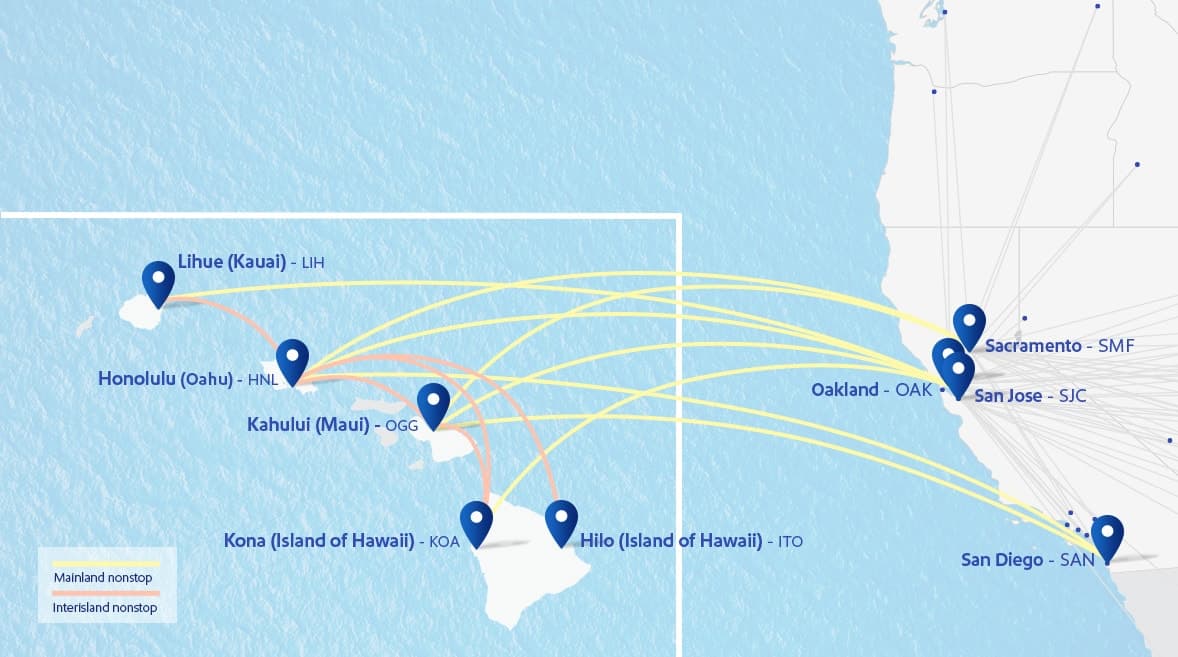
Commonly known as the “Big Island,” Hawaii Island is so large that it contains nearly all of the world’s climate zones. Because of its sheer size, it is serviced by two major airports on opposite sides of the island. Choosing between them is a matter of geography and the type of environment you wish to explore.
Kona International Airport: The Sunny Side
If you are looking for white sand beaches, volcanic landscapes, and world-class coffee, Kona International Airport at Keahole is your destination. Located on the western coast, this airport is unique for its outdoor terminals and proximity to the sunny Kailua-Kona district. Landing here places you near the historic Kealakekua Bay, an incredible spot for snorkeling and learning about the history of Captain Cook. The Kona side is also the jumping-off point for luxury resorts and the stark, beautiful lava fields of the Kohala Coast.
Hilo International Airport: The Lush East
On the eastern side of the island lies Hilo International Airport. Flying into Hilo offers a completely different experience. This side of the island is lush, rainy, and dominated by tropical rainforests. It is the best place to land if your primary goal is to visit Hawaii Volcanoes National Park. Being only a 45-minute drive from the park entrance, Hilo provides easy access to the Kilauea volcano and the Thurston Lava Tube. Additionally, Hilo is known for its beautiful waterfalls, such as Rainbow Falls and Akaka Falls State Park. Many travelers choose to fly into Kona and out of Hilo to see the whole island without backtracking.
Kauai and the Smaller Islands
For those seeking the ultimate escape from the crowds, Kauai and the smaller islands like Lanai and Molokai offer a more intimate connection with nature. These destinations are less about commerce and more about the raw, untouched beauty of the archipelago.
Lihue Airport: The Garden Isle Gateway
Kauai is nicknamed “The Garden Isle” for good reason. Lihue Airport is the primary gateway here. Located in the town of Lihue, the airport is centrally located between the sunny south shore and the rugged north shore. Flying into Kauai is the first step toward exploring the Na Pali Coast, a dramatic coastline of 3,000-foot cliffs that can only be accessed by boat, helicopter, or a strenuous hike. Kauai is also home to Waimea Canyon, often called the “Grand Canyon of the Pacific.” Whether you head toward the resort town of Poipu or the lush hills of Hanalei Bay, Lihue is your essential starting point.
Reaching Lanai and Molokai
For the truly adventurous traveler, the smaller islands offer a glimpse into a quieter era of Hawaii. Lanai Airport, located near Lanai City, and Molokai Airport in Hoolehua, are typically accessed via short flights from Honolulu or Maui. Lanai is famous for its rugged off-road trails and the Garden of the Gods, while Molokai is known for its tall sea cliffs and deep-rooted cultural traditions. There are no massive international flights into these islands, so the arrival experience is quiet, personal, and profoundly local.
Navigating the Logistics of Inter-Island Travel
Understanding where to fly into Hawaii often involves more than just a single flight. Many visitors opt for “island hopping” to experience the unique flavor of each location. This requires a grasp of the local aviation landscape and the carriers that make it possible.
The Role of Local Carriers
Inter-island travel is dominated by Hawaiian Airlines, which operates a robust schedule of frequent flights between the major islands. These flights are often very short, sometimes lasting only 20 to 40 minutes, but they offer incredible aerial views of the reefs and volcanic peaks. In recent years, Southwest Airlines has also expanded its presence in the islands, providing more options and competitive pricing for travelers looking to move between Honolulu, Kahului, Kona, and Lihue. For the smaller airfields, Mokulele Airlines utilizes smaller turboprop aircraft to reach more remote locations like Molokai and Kapalua.
Planning Your Arrival and Departure
The most efficient way to see Hawaii is often through an “open-jaw” itinerary. This means flying into one island, such as Oahu, and flying home from another, such as Maui or Hawaii Island. This eliminates the need for an extra inter-island flight back to your original starting point, saving both time and money. When deciding where to fly into Hawaii, consider your priorities: if you want ease and variety, Honolulu is the answer. If you want nature and tranquility, Lihue or Hilo may be more your speed. Each gateway is the start of a different story, and the choice is yours to make based on the adventure you seek.
LifeOutOfTheBox is a participant in the Amazon Services LLC Associates Program, an affiliate advertising program designed to provide a means for sites to earn advertising fees by advertising and linking to Amazon.com. Amazon, the Amazon logo, AmazonSupply, and the AmazonSupply logo are trademarks of Amazon.com, Inc. or its affiliates. As an Amazon Associate we earn affiliate commissions from qualifying purchases.