
The archipelago of Hawaii stands as one of the most geographically isolated and geologically vibrant places on the planet. For travelers drawn to the raw power of nature, there is no greater spectacle than witnessing the creation of new land through volcanic activity. Situated in the middle of the Pacific Ocean, this chain of islands was birthed from a volcanic “hotspot,” and that process continues today, primarily on the youngest island in the chain. When planning a journey to witness this phenomenon, understanding where to go and how to view it safely is essential for an unforgettable experience.

The Epicenter of Activity: Hawaii Volcanoes National Park
The premier destination for any traveler seeking to encounter lava is Hawaii Volcanoes National Park. Located on the Big Island, this massive expanse of protected land serves as a living laboratory for volcanology and a sanctuary for native flora and fauna. The park encompasses two of the world’s most famous volcanoes and offers various ways to witness the remnants and current flows of molten rock.
Kilauea: The World’s Most Active Volcano
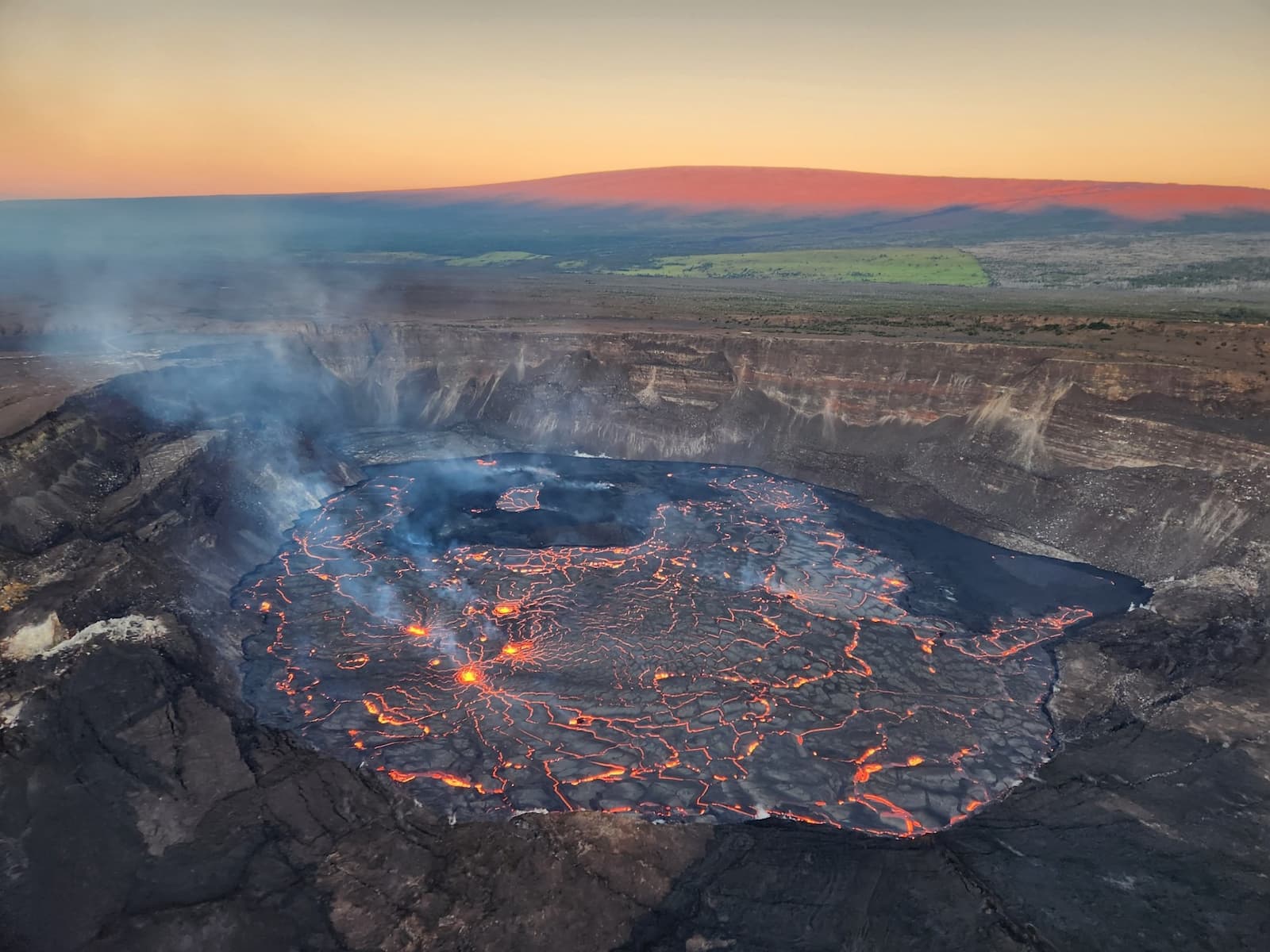
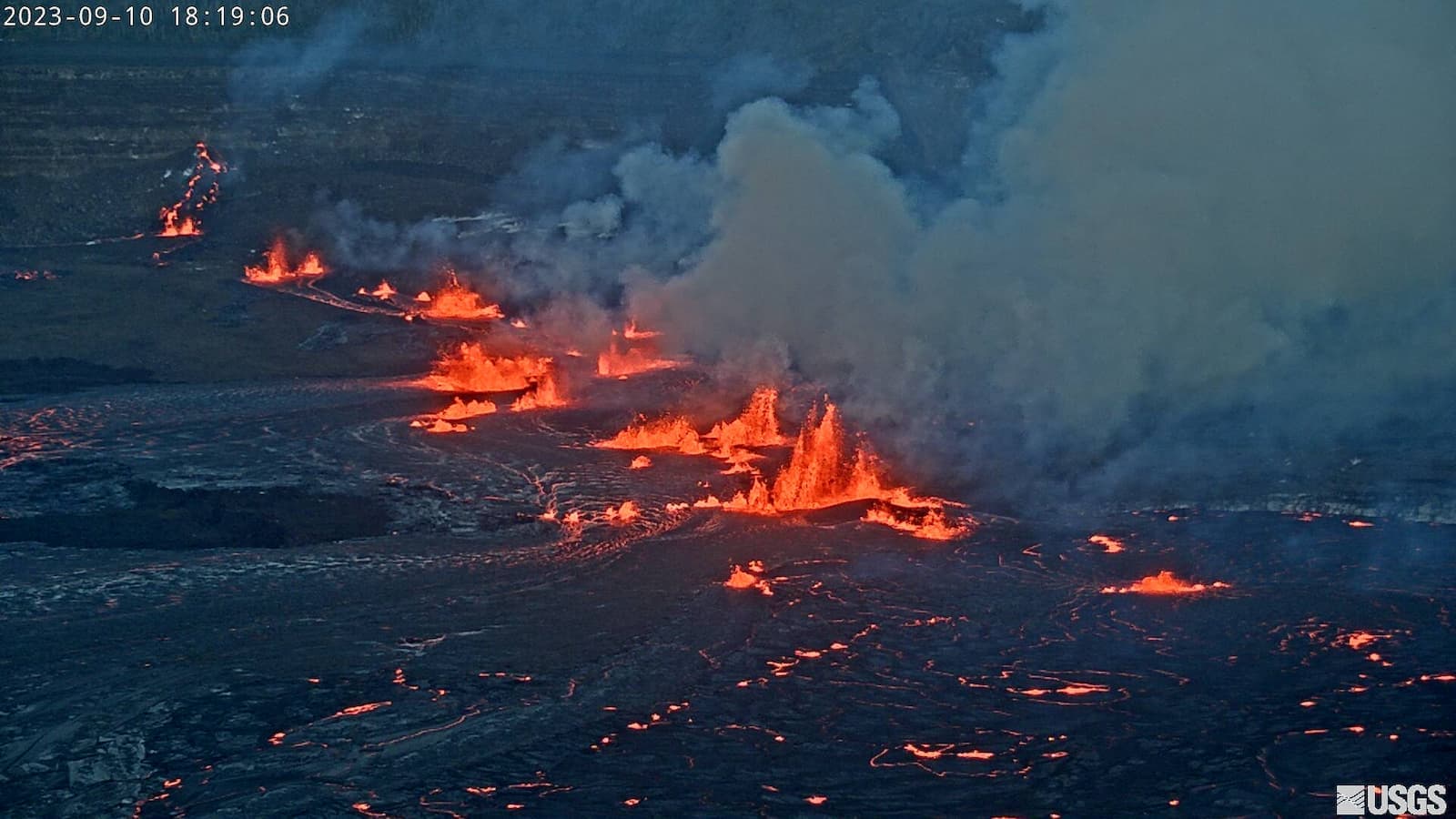
Kilauea is often cited as the most active volcano on Earth. Unlike the explosive eruptions often depicted in cinema, Kilauea typically produces effusive eruptions, where basaltic lava flows steadily, creating shield-like formations. For visitors, this means that during periods of activity, the lava is often accessible and visible from safe distances.
The focal point of activity within the park is the Halemaumau Crater, a massive pit crater located within the larger Kilauea Caldera. In recent years, the crater has frequently hosted a lava lake. When active, the glow from the molten rock illuminates the night sky, creating a hauntingly beautiful red hue that can be seen from various overlooks. Travelers often gather at Waldron Ledge or the Kilauea Overlook after sunset to witness this ethereal radiance.
Mauna Loa: The Earth’s Largest Shield Volcano
While Kilauea steals much of the spotlight, Mauna Loa is a titan in its own right. Occupying more than half of the Big Island, it is the largest subaerial volcano in the world. Although it erupts less frequently than its neighbor, its 2022 eruption reminded the world of its capacity for spectacle. Viewing lava on Mauna Loa often requires more effort, as the terrain is rugged and the elevations are high. However, during active phases, the massive fountains of lava and the long, glowing rivers descending the slopes are visible from the Saddle Road (officially known as the Daniel K Inouye Highway), providing a panoramic view of the geological drama.
The Historic Jaggar Museum and Overlooks
For decades, the Thomas A Jaggar Museum served as the primary educational hub for visitors. While the 2018 seismic activity led to the permanent closure of the museum building due to structural damage, the surrounding area remains a vital part of the visitor experience. The overlooks near the former museum site still provide some of the best vantage points for looking into the deepening Halemaumau Crater. Travelers can walk along the Crater Rim Trail to find different perspectives on the vast, scarred landscape where steam vents continue to hiss, reminding everyone that the ground beneath is still very much alive.
Alternative Perspectives: Aerial and Ocean Tours
Sometimes, the best way to see lava isn’t from the ground, but from the air or the sea. Depending on the current flow of the lava, these methods can offer a perspective that ground-based hiking simply cannot match.
Helicopter Tours over the East Rift Zone
For many, the ultimate way to see lava in Hawaii is via a helicopter. Many operators depart from the Hilo International Airport or the Kona International Airport. These flights typically head toward the Puna district and the East Rift Zone of Kilauea.
From the air, you can see the intricate patterns of “pahoehoe” lava (smooth, rope-like flows) and “aa” lava (rough, jagged blocks). If the volcano is in an active phase, helicopters can fly over active fissures or open lava tubes where the orange glow peeks through the “skylights.” This perspective allows you to appreciate the sheer scale of the lava fields and how they have reshaped the coastline of the Big Island over centuries.
Boat Tours along the Puna Coastline
When lava reaches the Pacific Ocean, it creates a spectacular “lava entry.” As the 2,000-degree molten rock hits the seawater, it causes massive steam explosions known as laze (lava haze), sending plumes of hydrochloric acid and glass particles into the air.
While extremely dangerous to approach on foot, authorized boat tours departing from Isaac Hale Beach Park (also known as Pohoiki) or other nearby docks can take visitors safely close to the entry point. Watching the red-hot lava pour over the cliffs and explode into the surf is a sensory experience unlike any other—the sound of the sizzling rock and the sight of new land forming in real-time is a highlight for many travelers to Hawaii.
Iconic Landmarks and Volcanic Landscapes
Even when there isn’t active, flowing lava, the landmarks left behind by previous eruptions are destinations in their own right. These sites tell the story of the island’s creation and offer a glimpse into the volcanic heart of Hawaii.
Chain of Craters Road
Driving the Chain of Craters Road is an essential experience for anyone visiting Hawaii Volcanoes National Park. This 19-mile winding road descends 3,700 feet from the summit of Kilauea to the coast. Along the way, travelers pass through diverse ecosystems, from lush rainforests to desolate, wind-swept lava plains.
Numerous pullouts allow you to explore old craters, such as the Puhimau Crater and the Pauahi Crater. The road eventually ends where a massive lava flow from the 2003 eruption crossed the pavement, burying it forever. At the end of the road, you can see the Holei Sea Arch, a magnificent natural formation carved out of ancient lava by the relentless waves of the Pacific Ocean.
Thurston Lava Tube (Nahuku)
One of the most popular attractions in the park is the Thurston Lava Tube, known locally as Nahuku. This is a subterranean tunnel formed by a river of lava that maintained its heat while the outer crust cooled and hardened. Once the eruption ceased and the lava drained out, it left behind a hollow tube.
Walking through Nahuku is a surreal experience. The interior is large enough for several people to walk abreast, and the walls are covered in minerals and patterns left by the flowing molten rock hundreds of years ago. The entrance is surrounded by a dense forest of Ohi’a Lehua trees and giant ferns, making the transition from the bright, green world above to the dark, volcanic world below truly magical.
The Devastation Trail
For a shorter hike that offers a stark look at volcanic power, the Devastation Trail is a must-see. This paved path takes you through a landscape that was buried in cinders and pumice during the 1959 eruption of Kilauea Iki Crater. The stark contrast between the bleached, dead trees (often called “snags”) and the new life beginning to sprout from the volcanic ash is a powerful visual representation of the cycle of destruction and rebirth that defines the Big Island.
Planning Your Lava-Viewing Adventure
Visiting a volcanic site requires more preparation than a typical day at the beach. The conditions on the Big Island can change rapidly, and safety should always be the top priority for travelers.
Staying Informed and Safe
Before heading out, it is crucial to check the daily updates provided by the United States Geological Survey and the National Park Service. Volcanic activity is unpredictable; a vent that was gushing lava yesterday could be silent today.
Safety gear is also essential. If you plan on hiking over old lava flows to reach an active area, wear sturdy, closed-toe hiking boots, as lava rock is incredibly sharp—often likened to broken glass. Long pants are recommended to protect against scrapes, and because the volcanic landscape offers no shade, sun protection and plenty of water are non-negotiable. If viewing lava at night, a high-quality headlamp or flashlight is necessary, as the terrain is uneven and dark.
Choosing Your Base: Hilo or Kona
When planning where to stay, Hilo is much closer to Hawaii Volcanoes National Park than Kona. Staying in Hilo reduces your drive time to about 45 minutes, allowing for multiple visits to the park at different times of the day. Kona, while offering more sunshine and resort-style amenities, is a two-to-three-hour drive away. Many travelers choose to split their stay between the two cities to experience the dry, volcanic beauty of the west side and the lush, active landscapes of the east.
Respecting the Culture and the Land
In Hawaiian culture, the volcano is the home of Pele, the goddess of fire and volcanoes. Travelers are encouraged to visit with respect, acknowledging that the “lava” is not just a tourist attraction, but a sacred element of the indigenous heritage. It is strictly forbidden to remove any lava rocks from the island—legend says that those who do will be followed by bad luck until the rocks are returned to their rightful place in Hawaii.
Witnessing lava in Hawaii is a profound reminder of the earth’s vitality. Whether you see it from a distance as a faint red glow, from the window of a helicopter, or by walking across the cooling fields of Kalapana, the experience of seeing the United States grow in real-time is a travel highlight that stays with you long after the sulfur scent has faded. By planning ahead and respecting the natural and cultural landscape, your journey to the volcanoes of Hawaii will be both safe and transformative.
LifeOutOfTheBox is a participant in the Amazon Services LLC Associates Program, an affiliate advertising program designed to provide a means for sites to earn advertising fees by advertising and linking to Amazon.com. Amazon, the Amazon logo, AmazonSupply, and the AmazonSupply logo are trademarks of Amazon.com, Inc. or its affiliates. As an Amazon Associate we earn affiliate commissions from qualifying purchases.