
Navigating the nuances of local identification is a crucial step for anyone planning an extended stay, contemplating a move, or simply seeking official state identification within California. While often overshadowed by discussions of stunning coastlines or vibrant city life, understanding the process of obtaining a California ID card is a practical “tip” that empowers individuals to fully immerse themselves in the local experience, from opening a bank account to verifying their age. This guide demystifies the requirements and steps involved, ensuring a smoother transition into your California adventure.
Understanding the California ID Card: Why It Matters for Your Stay
Beyond the obvious utility of photo identification, a California ID card serves multiple purposes, particularly for those new to the state or opting not to obtain a driver’s license. It acts as a primary form of official identification, recognized by government agencies, financial institutions, and businesses throughout the state and across the nation for specific purposes.
Beyond a Driver’s License: The Purpose of a State ID
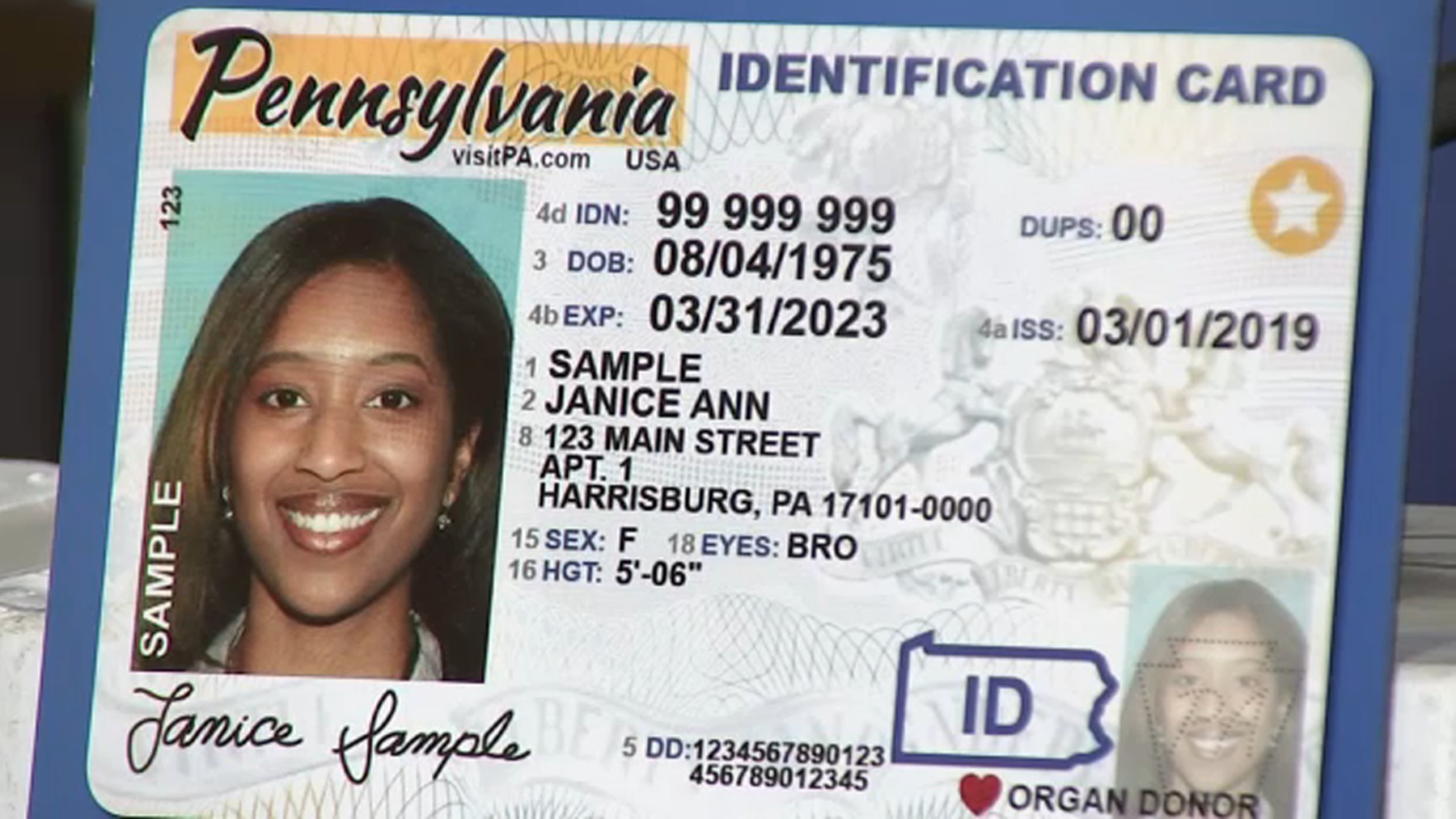
For many, a driver’s license is the go-to form of identification. However, for non-drivers, seniors who no longer drive, or those simply preferring public transportation in cities like Los Angeles or San Francisco, a state-issued ID card is an indispensable equivalent. It provides official proof of identity, age, and often residency, making everyday tasks significantly easier. From checking into domestic flights (especially with the advent of Real ID requirements) to cashing a check, the ID card is your gateway to engaging with various facets of California life. It’s also vital for accessing certain services, proving eligibility for discounts, and even for establishing residency for things like in-state tuition or voter registration.
Who Needs a California ID Card?
The simple answer is anyone who needs official identification and does not possess a California driver’s license. This includes:
- New Residents: Individuals relocating to California who need to establish official state identification for various services.
- Non-Drivers: Those who do not operate a motor vehicle but require official photo identification.
- Students: Especially international students or those from out-of-state who need local identification for university services, banking, or age verification.
- Seniors: Many older adults find a state ID card a convenient and reliable form of identification after they cease driving.
- Long-Term Visitors/Digital Nomads: While not strictly residents, those planning to stay in California for an extended period might find a local ID invaluable for convenience and local interaction, though proof of residency requirements must still be met.
Obtaining this card signifies a deeper connection to the local community, facilitating smoother interactions and access to resources that enhance your California experience.
Gathering Your Documents: The Essential Checklist
The California Department of Motor Vehicles (DMV) requires specific documentation to issue an ID card, ensuring the integrity of the identification process. Thorough preparation is key to a successful application. All documents must be originals or certified copies; photocopies are generally not accepted.
Proof of Identity
This is the cornerstone of your application. You’ll need at least one primary document or a combination of secondary documents to establish your true full name and birth date. Common examples include:
- U.S. Birth Certificate: An original or certified copy.
- U.S. Passport or Passport Card: Valid and unexpired.
- Foreign Passport: With a valid U.S. visa and I-94 form (if applicable) or an I-551 (Permanent Resident Card).
- Certificate of Naturalization or Citizenship.
- Valid Consular Card: From Mexico, Guatemala, Honduras, or El Salvador (requires secondary proof of identity).
For Real ID compliant cards, specific federal standards apply, generally requiring a single document establishing lawful presence.
Proof of California Residency
To prove you reside in California, you generally need two different documents listing your name and current California residential address. PO boxes are not accepted as residential addresses. Examples include:
- Utility Bills: Such as gas, electric, water, cell phone, or cable bills (dated within 90 days).
- Rental/Lease Agreement or Deed/Title to Property.
- Mortgage Bill.
- Bank or Financial Institution Records: Including statements or credit card statements (dated within 90 days).
- Medical Documents: From a California medical provider (dated within 90 days).
- Employment Documents: Pay stubs, employer-issued documents (dated within 90 days).
- School Documents: Transcript, enrollment confirmation (for minors).
Each document should be recent and clearly display your name and the California address you intend to use for your ID.
Proof of Social Security Number (SSN)
You must provide your Social Security Number. While the physical card is preferred, other documents displaying your SSN are often accepted. These can include:
- Social Security Card.
- W-2 Form.
- SSA-1099 Form.
- Non-SSA-1099 Form.
- Paystub: With your name and SSN.
If you are ineligible for an SSN (e.g., certain visa holders), the DMV has specific procedures, which usually involve signing an affidavit stating your ineligibility. It’s crucial to check current DMV guidelines for non-SSN applicants.
The Application Process: Step-by-Step Guide
Once your documents are in order, the application process for a California ID card is straightforward, primarily involving a visit to the DMV.
Scheduling an Appointment with the DMV
While walk-ins are sometimes accommodated, scheduling an appointment online via the official DMV website is highly recommended. Appointments significantly reduce wait times, allowing you to plan your visit efficiently. Be sure to select the correct transaction type – “Apply for a California ID Card.”
Completing the Application Form
You can start the application process online before your DMV visit. The online application fills out much of the paperwork for you and generates a confirmation code, which you then present at the DMV. This saves time and ensures accuracy. If you prefer, you can also fill out a paper application at the DMV office. The form will ask for personal details, residency information, and your SSN.
The Fee and Photo Requirements
At the DMV office, after your documents are reviewed and verified, you will pay the required application fee. Fees are subject to change, so check the current amount on the official DMV website. Following payment, your photo will be taken. Ensure you present yourself clearly, as this photo will be on your official identification. You will also provide a thumbprint and your signature electronically.
What Happens After You Apply?
Once you’ve completed all steps at the DMV, you will typically receive a temporary ID card or a receipt. Your permanent California ID card will then be mailed to your provided residential address within a few weeks. The temporary document, along with your old identification, can often serve as interim proof of identity until your official card arrives. It’s important to monitor your mail and contact the DMV if your card does not arrive within the expected timeframe.
Important Considerations for Newcomers
Beyond the basic steps, there are a few nuanced aspects newcomers should be aware of to ensure a smooth ID card acquisition process.
Real ID vs. Standard ID: What’s the Difference?
Since May 7, 2025, a federal Real ID compliant driver’s license or ID card, or another federally accepted form of identification (like a passport), will be required to board domestic flights and access certain federal facilities. A California ID card can be issued as either a Real ID compliant card or a standard federal non-compliant card.
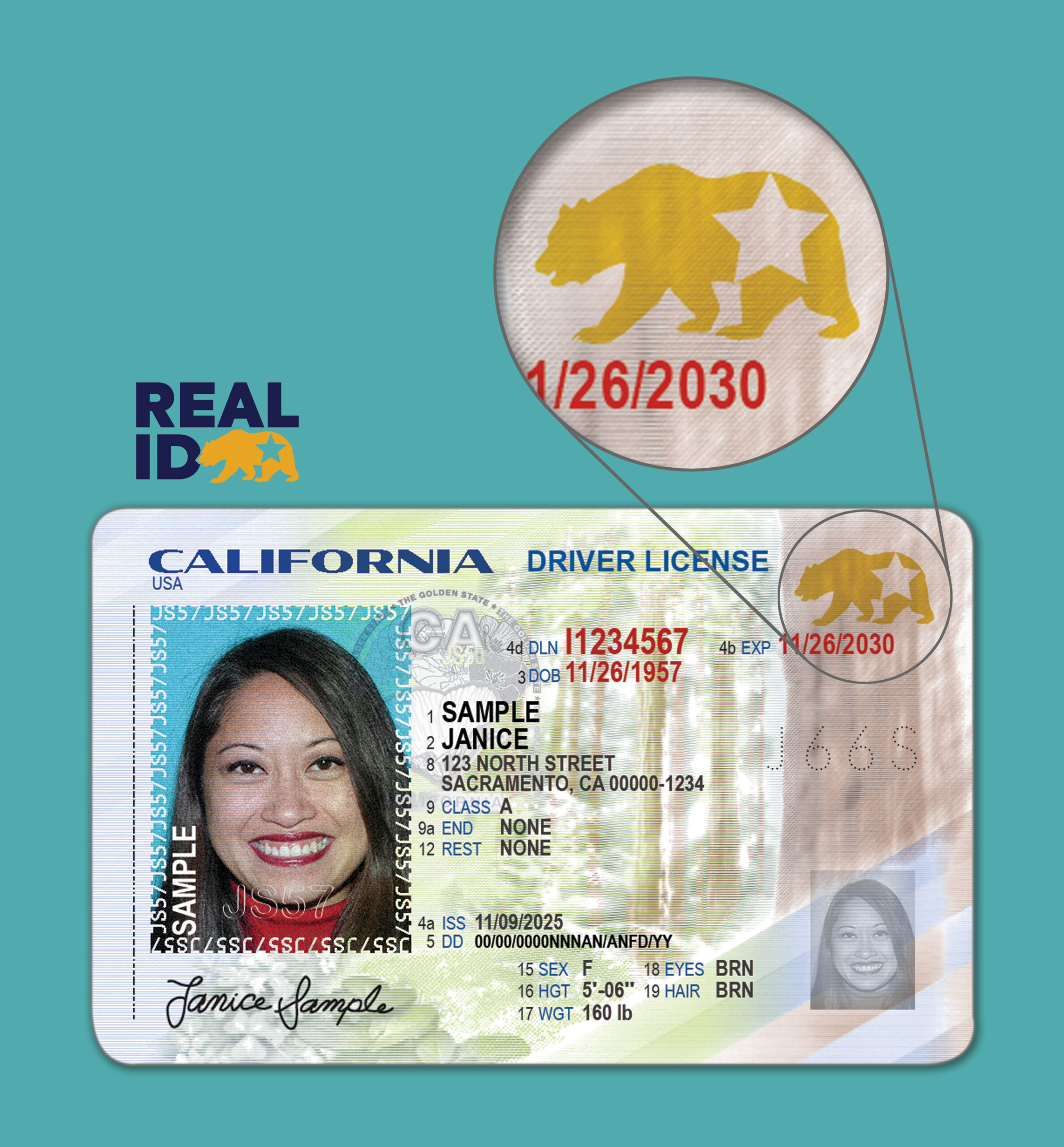
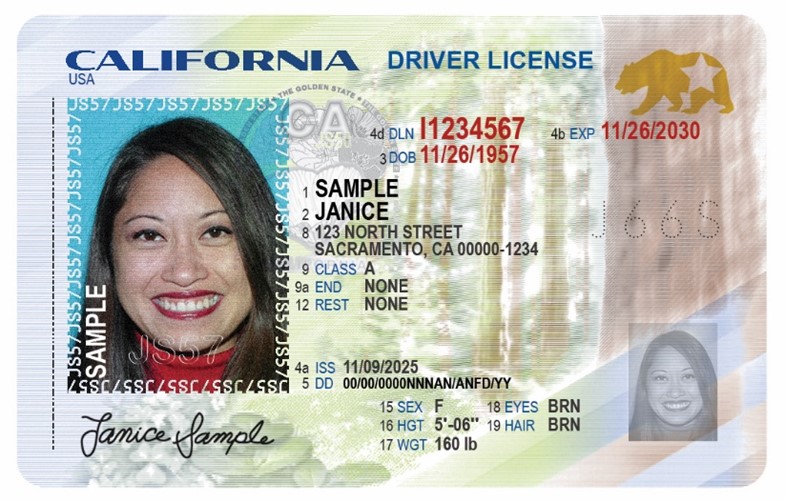
- Real ID Compliant ID: Indicated by a bear with a star in the upper right corner. Requires additional proof of identity and lawful presence (e.g., U.S. birth certificate, valid U.S. passport, permanent resident card). This is highly recommended if you plan to fly domestically without a passport.
- Standard ID: Does not have the star. It’s valid for all state purposes (e.g., driving, age verification) but cannot be used to board domestic flights or enter federal facilities after the enforcement date without supplemental federal identification.
When applying, you will be asked to choose which type of card you prefer. For most individuals, especially those new to California who anticipate any form of domestic travel or interaction with federal services, opting for the Real ID is the most pragmatic choice.
Temporary vs. Permanent IDs
Upon application, you’ll receive a temporary paper ID. This document, combined with your previous form of identification, is usually sufficient for most purposes until your permanent card arrives in the mail. However, always verify if a specific institution or service accepts temporary IDs. For international travel or certain high-security situations, only the permanent card will suffice.
Addressing Common Hurdles
- Missing Documents: If you lack a required document, such as a birth certificate, explore options for obtaining a certified copy from the issuing authority well in advance. For proof of residency, if you recently moved, consider a letter from an employer or a bank statement showing your new address.
- Name Changes: If your current name differs from your birth certificate or other primary identity documents (e.g., due to marriage or divorce), you must provide official legal documents showing the name change (e.g., marriage certificate, divorce decree, court order).
- Foreign Documents: Ensure all foreign documents (like passports) are valid and, if applicable, accompanied by required U.S. visa stamps and I-94 records. Documents not in English may require certified translations.
Connecting Your ID to Local Life
Having a California ID card streamlines many aspects of settling into your new environment or enhancing your long-term stay. It simplifies opening bank accounts, signing up for local gym memberships, renting a vehicle, or applying for local services. It truly acts as a fundamental tool for deeper engagement with California’s diverse local culture and vibrant activities, proving that sometimes, the most insightful tips for tourism extend beyond attractions to the very fabric of daily life.
LifeOutOfTheBox is a participant in the Amazon Services LLC Associates Program, an affiliate advertising program designed to provide a means for sites to earn advertising fees by advertising and linking to Amazon.com. Amazon, the Amazon logo, AmazonSupply, and the AmazonSupply logo are trademarks of Amazon.com, Inc. or its affiliates. As an Amazon Associate we earn affiliate commissions from qualifying purchases.