
Traveling to Hawaii is a bucket-list aspiration for millions of travelers across the globe. Situated in the central Pacific Ocean, this archipelago represents the ultimate tropical escape, blending volcanic majesty with pristine beaches and a rich, indigenous culture. However, because Hawaii is the most isolated island chain in the world, the journey begins and ends with the flight. Choosing the right airline can significantly impact the quality of your vacation, affecting everything from your initial comfort to your arrival time in paradise. Fortunately, as one of the world’s premier travel destinations, the islands are served by a wide array of domestic and international carriers, offering a range of services from budget-friendly seats to ultra-luxurious first-class cabins.
Major Domestic Carriers Connecting the Mainland to the Islands
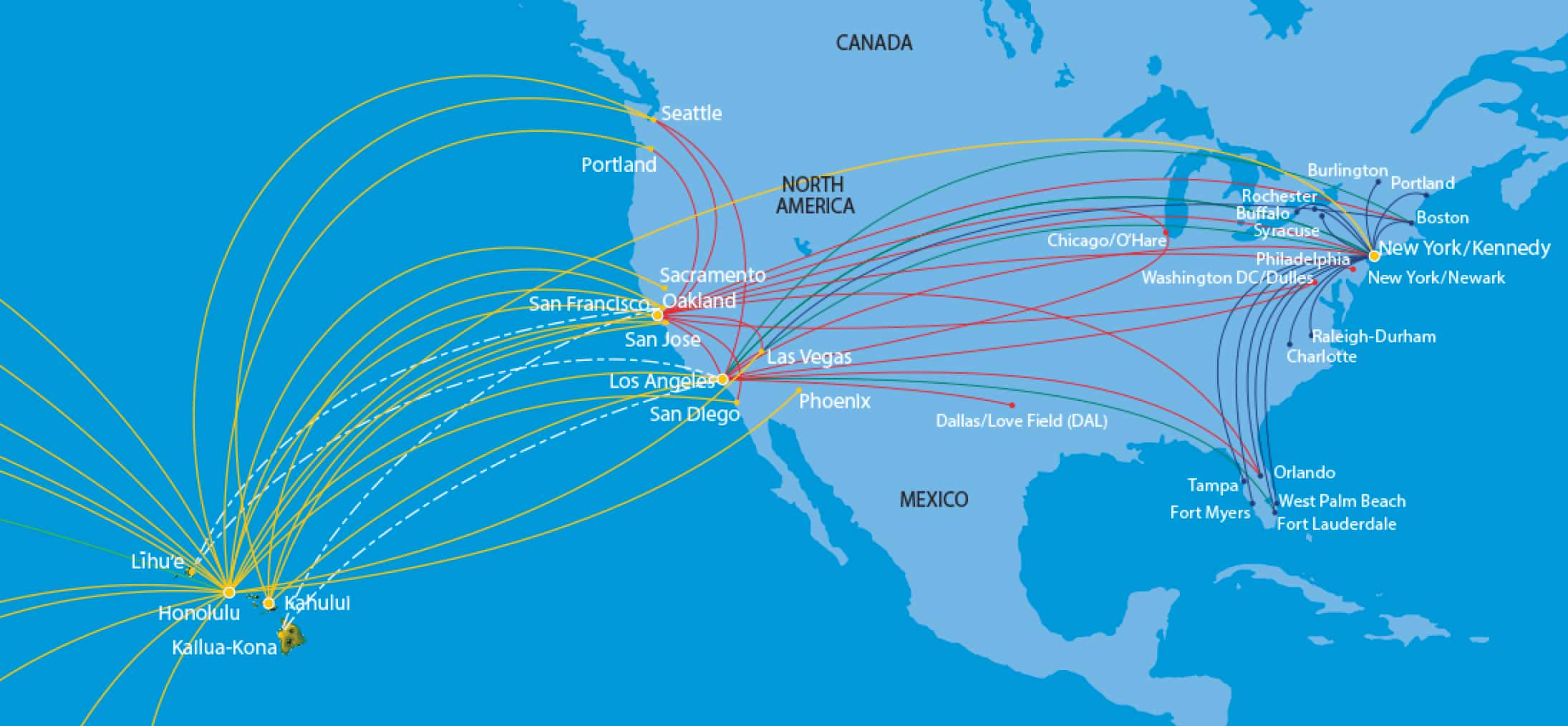
For travelers departing from the United States mainland, the competition for Hawaiian routes is fierce, which often results in better amenities and more competitive pricing. The primary gateway cities—traditionally Los Angeles, San Francisco, and Seattle—have expanded to include non-stop service from as far east as New York City and Boston.
Hawaiian Airlines: The Flagship Experience
Hawaiian Airlines is the largest carrier based in the islands and offers a distinct cultural experience from the moment you board. Known for its “Ho’okipa” (hospitality), the airline provides authentic island-inspired meals and beverages, even in the main cabin. They operate a robust network of long-haul flights using Airbus A330 and Boeing 787-9 Dreamliner aircraft, connecting Honolulu with major cities like Las Vegas, Phoenix, and Austin. Their presence is felt most strongly on Oahu, but they also offer direct mainland connections to Kahului on Maui, Lihue on Kauai, and Kona on the Big Island.
Southwest Airlines: The Budget Disruptor
The entry of Southwest Airlines into the Hawaiian market transformed travel to the islands. Known for its “bags fly free” policy and lack of change fees, Southwest Airlines operates numerous flights from California hubs like Oakland, San Jose, and San Diego. Their presence has not only lowered fares across the board but also improved inter-island connectivity, making it easier for visitors to see multiple islands without breaking the bank.
Alaska Airlines and the West Coast Connection
Alaska Airlines has long been a favorite for travelers in the Pacific Northwest. With significant hubs in Seattle and Portland, they offer frequent service to all four major Hawaiian islands. Their recent acquisition of Hawaiian Airlines (pending final integration) promises to create an even more powerful network for travelers coming from the United States West Coast and Alaska.
The Legacy Giants: United, American, and Delta
The “Big Three” legacy carriers provide the most extensive reach for travelers coming from the Midwest and East Coast. United Airlines holds a historic position in Hawaii, operating a major hub at Daniel K Inouye International Airport in Honolulu. They offer non-stop flights from Chicago, Denver, Houston, and Washington DC.
American Airlines leverages its massive hub in Dallas to funnel travelers from the southern United States toward the islands, while Delta Air Lines offers premium service from Atlanta, Minneapolis, and Salt Lake City. These airlines are often the preferred choice for business travelers or those with significant loyalty points who want to upgrade to lie-flat seats for the long trek over the ocean.
International Gateways: Reaching Paradise from Abroad
Hawaii serves as a vital bridge between North America and the Asia-Pacific region. Consequently, international airlines play a massive role in the tourism ecosystem, particularly in Honolulu.
Connections from Canada
Travelers from Canada have excellent options, particularly during the winter months. Air Canada and WestJet provide frequent seasonal and year-round flights from Vancouver, Calgary, Edmonton, and Toronto. Maui is a particularly popular destination for Canadians, and both airlines offer direct routes to Kahului to meet this demand.
Transpacific Routes from Asia
Japan has a profound cultural and historical connection to Hawaii, making the Tokyo to Honolulu route one of the most profitable in the world. Japan Airlines and All Nippon Airways (ANA) offer world-class service, with ANA famously flying the “Flying Honu” Airbus A380s—giant planes painted to look like Hawaiian sea turtles—exclusively on the Tokyo to Honolulu route.

From South Korea, Korean Air and Asiana Airlines connect Seoul to Oahu. Travelers from China, Taiwan, and the Philippines also have options via China Eastern Airlines and Philippine Airlines, though many of these routes involve a layover in Honolulu before proceeding to other islands or the mainland.
Oceania and the South Pacific
The southern route to Hawaii is dominated by Qantas and Jetstar from Australia, primarily flying from Sydney and Melbourne. Air New Zealand provides essential links from Auckland. Additionally, Fiji Airways offers a unique island-hopping route that stops in Nadi, allowing travelers to combine two tropical vacations into one trip.
Inter-Island Connectivity and Regional Specialists
Once you arrive in Hawaii, the journey isn’t necessarily over. Many travelers choose to “island hop” to experience the diverse landscapes of the state. While Hawaiian Airlines remains the dominant player for inter-island jet service, other carriers provide specialized access.
Mokulele Airlines: The Commuter Lifeline
For access to smaller communities or less-frequented islands like Molokai and Lanai, Mokulele Airlines is indispensable. Operating a fleet of Cessna Grand Caravans, this airline provides a “flight-seeing” experience at a lower altitude, offering breathtaking views of the Molokai sea cliffs or the rugged coastlines of Maui. They operate out of smaller commuter terminals, providing a more intimate and efficient boarding process.
The Role of Charters and Private Aviation
For those staying at luxury resorts such as the Four Seasons Resort Lanai, private air charters are often part of the experience. Lanai Air, for instance, provides bespoke service from Honolulu directly to the private island. Throughout the state, various helicopter tour companies also provide point-to-point transfers for guests looking for a truly grand entrance to their destination.
Strategies for Booking the Perfect Hawaiian Flight
Selecting the right airline is only half the battle; timing and logistics play a critical role in the travel experience. The “best” airline often depends on your specific needs, such as baggage requirements, loyalty program status, or your desire for non-stop convenience.
Choosing Your Arrival Point
While Honolulu is the primary hub, it is often more convenient to fly directly to the “Neighbor Islands.” If your final destination is Waikiki, then Honolulu is the obvious choice. However, if you are heading to the luxury resorts of Wailea or the golf courses of Kapalua, flying directly into Kahului Airport on Maui can save you hours of travel time and the hassle of an extra security screening.
Similarly, those looking to visit the Hawaii Volcanoes National Park should look for flights into Hilo or Kona. Direct flights to Lihue are the best way to access the stunning Na Pali Coast on Kauai.
Seasonal Trends and Fare Wars
The cost of flying to Hawaii fluctuates wildly based on the season. The highest fares usually coincide with the United States school holidays, particularly Christmas, New Year’s, and Spring Break. Conversely, the “shoulder seasons” of late spring (April to June) and fall (September to November) offer some of the best deals. During these times, airlines like Southwest Airlines and Alaska Airlines often engage in fare wars, making it possible to find round-trip tickets from the West Coast for surprisingly low prices.

Cabin Classes and In-Flight Comfort
Given that a flight from the United States West Coast is at least five to six hours, and from the East Coast can be over eleven hours, the cabin experience matters. Hawaiian Airlines and United Airlines offer some of the best premium products, including lie-flat seats on select routes. If you are traveling for a special occasion, such as a honeymoon or anniversary, upgrading to a premium cabin can turn a long flight into a memorable part of the vacation.
For budget-conscious travelers, the “Main Cabin Select” or “Extra Comfort” options offered by many carriers provide several inches of additional legroom, which can make a significant difference on transpacific flights. Regardless of the airline you choose, the sight of the emerald-green peaks of Diamond Head or the shimmering waters of Hanauma Bay from your window seat makes every hour of travel well worth the effort.
Hawaii remains a destination that captures the imagination like no other. Whether you are arriving on a wide-body jet from London (via a mainland connection) or a small turboprop from Molokai, the spirit of the islands begins the moment you touch down. By understanding the landscape of airlines that serve this region, you can tailor your journey to be as seamless and enjoyable as the destination itself. From the high-tech cabins of the legacy carriers to the community-focused service of local regional airlines, the path to paradise has never been more accessible.
LifeOutOfTheBox is a participant in the Amazon Services LLC Associates Program, an affiliate advertising program designed to provide a means for sites to earn advertising fees by advertising and linking to Amazon.com. Amazon, the Amazon logo, AmazonSupply, and the AmazonSupply logo are trademarks of Amazon.com, Inc. or its affiliates. As an Amazon Associate we earn affiliate commissions from qualifying purchases.