
The Florida Keys conjure images of a tropical paradise, a string of pearls scattered across the turquoise waters of the Atlantic Ocean and the Gulf of Mexico. This iconic archipelago, stretching southwest from the tip of the Florida peninsula in the United States, is renowned for its laid-back atmosphere, vibrant marine life, and unique cultural blend. For many travelers, the allure of the Keys begins with a simple, intriguing question: “How many keys are there, exactly?” The answer is more complex and fascinating than one might initially imagine, reflecting the diverse nature of this incredible travel destination.
The term “key” itself refers to a small, low-lying island formed on the surface of a coral reef. These islands are typically composed of sand and coral, making them distinct from larger, continental landmasses. The Florida Keys chain is often categorized into several distinct regions: the Upper Keys, Middle Keys, Lower Keys, and the remote islands of the Dry Tortugas. Each region boasts its own unique character, attractions, and opportunities for exploration, catering to a wide array of travel preferences, from luxury resorts to budget-friendly guesthouses. Understanding the sheer number of these islands, and the distinction between them, provides a deeper appreciation for this unparalleled destination.

Unveiling the Archipelago: The True Count
The exact number of “keys” in the Florida Keys is a subject of some debate and depends heavily on how one defines a “key.” If you consider every single piece of dry land that rises above sea level, regardless of size or habitability, the number can easily climb into the thousands. However, for practical and navigational purposes, the count is significantly refined.
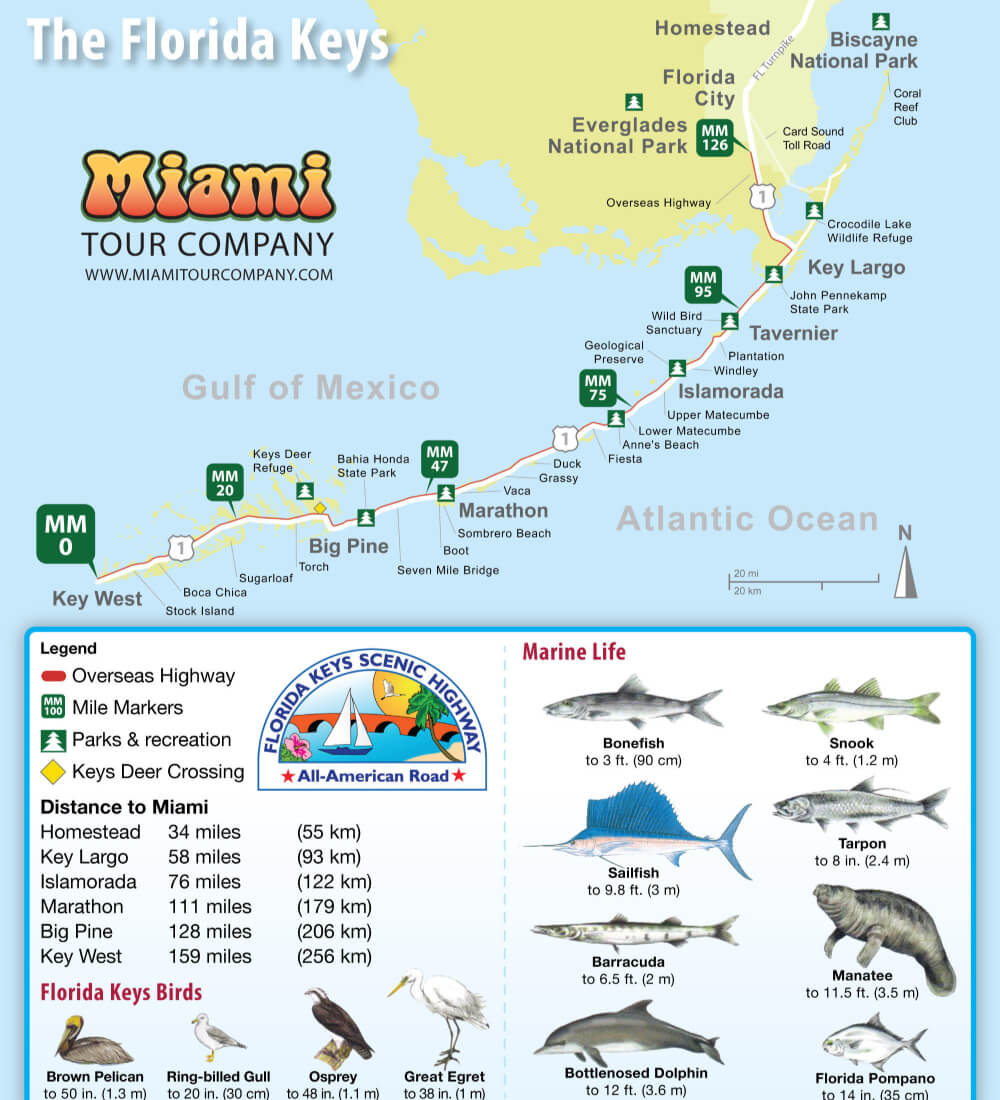
Most commonly, when people refer to the number of keys, they are thinking of the distinct, named islands that make up the main chain, connected by the magnificent Overseas Highway (U.S. Route 1). This engineering marvel stretches approximately 113 miles (182 km) from just south of Miami to Key West, bridging dozens of these coral and limestone formations. Along this scenic drive, travelers will traverse 42 bridges connecting the inhabited keys.
Conservatively, if we count the named islands along the main chain and those typically associated with the archipelago, including the remote Dry Tortugas, the number hovers around 800 islands. This figure includes both the larger, well-known keys that host towns and resorts, and the numerous smaller, uninhabited islets that dot the landscape. These smaller keys might be little more than mangrove clusters, crucial habitats for diverse wildlife, or tiny patches of sand accessible only by boat.
The distinction between these categories is vital for anyone planning a trip. While all 800-plus keys contribute to the overall ecosystem and beauty of the region, only a fraction are developed or easily accessible to the public.

Distinguishing Between Mapped and Accessible Keys
The discrepancy in “official” numbers often stems from the method of counting. Some counts focus purely on geological formations, while others prioritize those keys that are part of the tourist infrastructure or have a permanent population.
The “major keys,” those most familiar to visitors, are the ones that are easily reached via the Overseas Highway. These are the destinations where you’ll find the majority of hotels, resorts, restaurants, and attractions. Examples include Key Largo, Islamorada, Marathon, Big Pine Key, and, of course, Key West. These are the keys that form the backbone of the Florida Keys tourism industry, offering everything from luxurious suites to charming vacation rentals.
Beyond these major hubs lie hundreds of smaller, often unpopulated or privately owned keys. Many of these are vital ecological zones, protected as parts of national parks or wildlife refuges, such as Everglades National Park or Biscayne National Park at the northern end of the chain. While not typically destinations for an overnight stay, they are crucial for the health of the surrounding marine environment and contribute to the overall allure of the region. These remote keys offer unique experiences for eco-tourists, kayakers, and boaters seeking secluded spots and untouched nature.
A Journey Through the Major Keys: From North to South
Embarking on a journey down the Overseas Highway is an experience in itself, a scenic drive that hops from one island to the next, each with its own distinct charm. This stretch of road connects some of the most famous and beloved keys, offering a progression of experiences as you head south towards Key West.
Key Largo: The Dive Capital
As the first major key encountered after leaving the mainland, Key Largo proudly holds the title of the “Dive Capital of the World.” Its proximity to the only living coral barrier reef in the continental United States makes it a mecca for scuba divers and snorkelers. Here, the underwater world is a vibrant kaleidoscope of marine life and stunning coral formations.
A significant portion of this incredible ecosystem is protected within John Pennekamp Coral Reef State Park, the first undersea park in the United States. Visitors can explore the famous Christ of the Abyss statue, hidden beneath the waves, or embark on glass-bottom boat tours for a glimpse into the underwater realm without getting wet. Accommodation options in Key Largo range from luxurious waterfront resorts offering all-inclusive amenities to cozy guesthouses and family-friendly hotels, ensuring every traveler finds their ideal stay. Beyond diving, Key Largo offers excellent fishing, kayaking through mangrove tunnels, and delicious seafood at local eateries.
Islamorada: Village of Islands and Sportfishing Hub
Further south, Islamorada is not just one key but a “Village of Islands,” comprising several smaller keys including Tea Table Key, Lower Matecumbe Key, Upper Matecumbe Key, Windley Key, and Plantation Key. This collection of islands is globally recognized as the “Sportfishing Capital of the World.” Anglers from around the globe flock here to experience world-class fishing, from backcountry flats fishing for bonefish and tarpon to offshore excursions targeting sailfish and marlin.
Beyond its fishing fame, Islamorada offers a more upscale, yet still relaxed, lifestyle. Visitors can explore local art galleries, indulge in gourmet dining experiences featuring fresh-from-the-dock seafood, or relax on pristine beaches. Resorts in Islamorada often feature private marinas, exquisite suites, and a focus on water-based activities. Unique attractions like the History of Diving Museum add a cultural dimension, while establishments like Robbie’s of Islamorada offer unforgettable experiences like hand-feeding tarpon.
Marathon: The Heart of the Keys
Roughly halfway down the chain lies Marathon, often referred to as the “Heart of the Florida Keys.” This vibrant community spreads across several keys, including Grassy Key, Crawl Key, and the larger Boot Key. Marathon is perhaps best known for being the home of the iconic Seven Mile Bridge, an engineering marvel that offers breathtaking panoramic views of the ocean as you drive across.
Marathon is a fantastic destination for families and those seeking a blend of natural beauty and recreational activities. The Dolphin Research Center provides educational and interactive experiences with marine mammals, while the Turtle Hospital offers a unique insight into sea turtle rehabilitation. Nature enthusiasts will appreciate the tranquil beauty of Crane Point Museum & Nature Center, which preserves one of the last remaining tropical hardwood hammocks in the Keys. Accommodation here includes family-friendly resorts, charming vacation villas, and a wide selection of hotels catering to various budgets.
Big Pine Key and the Lower Keys: Nature’s Sanctuary
South of Marathon, the landscape begins to shift, becoming wilder and less developed. The Lower Keys are a haven for nature lovers, characterized by vast expanses of pine forests, salt marshes, and pristine beaches. Big Pine Key is the largest and most prominent island in this section, famously home to the endangered Key Deer, miniature deer that roam freely within the National Key Deer Refuge.
The atmosphere in the Lower Keys is distinctly more tranquil and ecologically focused. This is the place for kayaking, paddleboarding, and observing wildlife in its natural habitat. Bahia Honda State Park, consistently ranked among the best beaches in the United States, offers stunning stretches of sand, excellent snorkeling, and camping facilities for those seeking a more immersive nature experience. Hotels and accommodations in the Lower Keys tend to be more intimate, with charming guesthouses and eco-friendly resorts blending seamlessly into the natural surroundings.
Key West: The End of the Road and Bohemian Spirit
The journey culminates at Key West, the southernmost point of the continental United States and a destination unlike any other. This vibrant island city is renowned for its colorful history, unique architecture, lively nightlife, and a fiercely independent, bohemian spirit. Its charm lies in its blend of Caribbean influences, artistic flair, and a relaxed, anything-goes attitude.
Key West is a treasure trove of attractions, from the historic Ernest Hemingway Home and Museum to the bustling energy of Duval Street and the nightly sunset celebration at Mallory Square. Visitors can marvel at the iconic Southernmost Point buoy, explore fascinating museums, or simply soak up the sun on its small but charming beaches. Accommodation in Key West ranges from historic boutique hotels and luxury resorts with opulent suites to charming guesthouses and vacation apartments, catering to every style and budget. The culinary scene is equally diverse, famous for its fresh seafood and, of course, the ubiquitous Key Lime Pie.
Beyond the Mainland: Exploring Remote Keys and Marine Life
While the Overseas Highway connects the major inhabited keys, a significant portion of the Florida Keys archipelago lies beyond the paved road, accessible only by boat or seaplane. These remote keys represent a wilder, untouched side of the Keys, offering unparalleled opportunities for eco-tourism and adventure.
The Allure of the Backcountry Keys
The backcountry of the Keys, particularly along the Gulf of Mexico side, is a maze of mangrove islands, shallow flats, and intricate waterways. These hundreds of smaller, often unnamed keys are ecological powerhouses, serving as nurseries for juvenile fish and crucial nesting grounds for migratory birds. This is the realm of serious anglers seeking the thrill of sight-fishing for prized game fish, and kayakers who wish to paddle through silent, verdant tunnels, observing nature up close.
Many eco-tour operators offer guided tours into these remote areas, emphasizing responsible tourism and conservation. Exploring these backcountry keys provides a completely different perspective of the Florida Keys, a stark contrast to the lively streets of Key West or the bustling marinas of Islamorada. It’s an experience that connects visitors directly with the raw, untamed beauty of the region, highlighting the delicate balance of its ecosystem.
The Underwater World: Reefs and Ecosystems
Perhaps the most famous remote keys are the seven islands that comprise Dry Tortugas National Park, located approximately 70 miles (113 km) west of Key West. Accessible primarily by ferry or seaplane, this incredible park is a true jewel of the Florida Keys. Home to the impressive 19th-century Fort Jefferson, the park is equally famous for its pristine coral reefs, crystal-clear waters, and abundant marine life. Snorkeling and diving around the Dry Tortugas offer an unparalleled opportunity to witness healthy, vibrant reef ecosystems teeming with colorful fish, sea turtles, and other fascinating creatures.
The entire Florida Keys chain is surrounded by the Florida Keys National Marine Sanctuary, a protected area that encompasses 3,800 square miles of marine waters and submerged lands. This sanctuary plays a vital role in preserving the coral reefs, seagrass beds, and mangrove habitats that define the Keys’ unique environment. Efforts are constantly underway to protect and restore these delicate ecosystems, ensuring that the incredible diversity of marine life continues to thrive for future generations of visitors to enjoy.
Planning Your Florida Keys Adventure: Accommodation and Experiences
Visiting the Florida Keys is more than just counting islands; it’s about immersing oneself in a distinctive lifestyle and experiencing an array of unforgettable activities. Whether you’re seeking a luxurious escape, a budget-friendly family trip, or a romantic getaway, the Keys offer diverse options to suit every traveler.
Finding Your Perfect Stay: Resorts, Villas, and Guesthouses
Given the multitude of keys and their varying atmospheres, accommodation choices are equally diverse. From the northern end in Key Largo to the southern tip in Key West, you’ll find everything from sprawling resorts with private beaches and pools to charming, family-run guesthouses and intimate boutique hotels. Many properties boast amenities such as on-site marinas, dive shops, and waterfront dining, enhancing the overall experience.
For those planning longer stays or traveling with a group, renting a private villa or apartment can offer a home-away-from-home feel, often with fully equipped kitchens and direct access to the water. Budget-conscious travelers can find excellent value in smaller motels, vacation rentals, or even camping options available in state parks like Bahia Honda State Park. When booking, consider the specific activities you prioritize—diving in Key Largo might suggest a resort with a dive center, while a cultural exploration of Key West might lead you to a historic guesthouse in the Old Town.
Culinary Delights and Local Culture
The food scene in the Florida Keys is a delicious reflection of its coastal location and Caribbean influences. Fresh seafood is, naturally, a staple, with lionfish, stone crab, and mahi-mahi being local favorites. No trip to the Keys would be complete without indulging in a slice of authentic Key Lime Pie, the official state pie of Florida. From upscale waterfront restaurants to casual beachside shacks, dining experiences are as varied as the islands themselves.
The local culture is as vibrant as the coral reefs. The Conch Republic, a tongue-in-cheek micronation declaration by Key West residents in 1982, symbolizes the independent, laid-back spirit of the islanders. Festivals, live music, and art events are common, especially in Key West, offering visitors a glimpse into the unique local lifestyle. Engaging with the friendly locals, often called “Conchs” (pronounced “conks”), is part of the charm.
Must-Do Activities and Attractions
Beyond the specific highlights of each key, the Florida Keys offer a broad spectrum of activities:
- Water Sports: Snorkeling, scuba diving, fishing (deep-sea and flats), kayaking, paddleboarding, jet-skiing, and parasailing are available virtually everywhere.
- Nature & Wildlife: Visiting the National Key Deer Refuge, exploring mangrove channels, birdwatching, and interacting with marine life at centers like the Dolphin Research Center.
- Historical & Cultural Exploration: Tour historic homes and museums in Key West, visit Fort Jefferson in the Dry Tortugas, or simply wander through the charming streets absorbing the unique architecture.
- Scenic Drives: The drive along the Overseas Highway itself is an attraction, especially crossing the Seven Mile Bridge.
In conclusion, while the simple question “How many keys are in the Florida Keys?” yields a number around 800 for named islands and islets, the true answer lies in the richness of the experience each key offers. From the bustling, bohemian energy of Key West to the serene, untouched beauty of the Lower Keys and the underwater wonders of Key Largo, this extraordinary chain of islands promises an unforgettable journey for every kind of traveler.
LifeOutOfTheBox is a participant in the Amazon Services LLC Associates Program, an affiliate advertising program designed to provide a means for sites to earn advertising fees by advertising and linking to Amazon.com. Amazon, the Amazon logo, AmazonSupply, and the AmazonSupply logo are trademarks of Amazon.com, Inc. or its affiliates. As an Amazon Associate we earn affiliate commissions from qualifying purchases.