
For many, Alabama conjures images of pristine beaches along the Gulf Coast, historic civil rights landmarks, and the vibrant culture of Southern hospitality. However, the Heart of Dixie is also embarking on a new chapter in healthcare and lifestyle, with the recent legalization of medical cannabis. For residents and long-term visitors considering Alabama as a destination for health and wellness, or even a new place to call home, understanding how to access medical cannabis is becoming an increasingly relevant topic. This guide delves into the specifics of obtaining medical cannabis in Alabama, weaving in considerations for travelers and those interested in the broader lifestyle implications of this evolving legislation.
The introduction of medical cannabis in Alabama represents a significant shift, offering new avenues for managing various health conditions. Whether you’re planning an extended stay in Birmingham, exploring the historical sites of Montgomery, or enjoying the natural beauty near Huntsville, knowing the legal framework and application process is crucial. Our aim is to provide a comprehensive, yet accessible, overview that addresses not just the “how-to” but also the travel and lifestyle aspects relevant to our audience.
Understanding Alabama’s Medical Cannabis Framework
The journey to medical cannabis access in Alabama began with earnest legislative efforts, culminating in a landmark decision that promises relief for many. This foundational understanding is the first step for anyone seeking to obtain a medical cannabis card in the state.
The Darren Wesley ‘Ato’ Hall Compassion Act: Key Provisions
In May 2021, Alabama Governor Kay Ivey signed Senate Bill 46 into law, officially known as The Darren Wesley ‘Ato’ Hall Compassion Act. This act established the legal framework for a comprehensive medical cannabis program in the state, making Alabama the 36th state in the U.S. to legalize medical marijuana. The act is named in honor of Darren Wesley “Ato” Hall, who advocated for medical cannabis to treat his severe nausea associated with AIDS before his passing.
The Compassion Act carefully outlines the structure of the program, including the establishment of the Alabama Medical Cannabis Commission (AMCC) which is tasked with overseeing the licensing, regulation, and enforcement of the medical cannabis industry in Alabama. This commission plays a pivotal role in ensuring that patients have safe and regulated access to products. The law explicitly defines what forms of medical cannabis are permitted, who can prescribe it, and how it can be dispensed, laying the groundwork for a robust, albeit carefully controlled, system. It’s important to note that the act does not allow for smoking or vaping medical cannabis, nor does it permit raw plant material or edibles that resemble candy. This focus on specific forms reflects a cautious approach to implementation.
Who is Eligible? Qualifying Conditions and Residency
Eligibility for an Alabama medical cannabis card is strictly defined by The Darren Wesley ‘Ato’ Hall Compassion Act. To qualify, a patient must be diagnosed with at least one of a specified list of debilitating medical conditions. These conditions include, but are not limited to:
- Autism spectrum disorder
- Cancer-related pain or nausea
- Crohn’s disease
- Depression and anxiety (if resistant to other treatments)
- Epilepsy or a condition causing seizures
- Fibromyalgia
- HIV/AIDS-related nausea or weight loss
- Multiple Sclerosis or other spasticity-inducing conditions
- Panic disorder
- Parkinson’s disease
- Persistent nausea (not pregnant)
- Post-traumatic stress disorder (PTSD)
- Sickle cell anemia
- Spinal cord injury with spasticity
- Tourette’s syndrome
- Terminal illness
Beyond having a qualifying condition, residency in Alabama is a fundamental requirement. This means that typically, only permanent residents of the state can apply for and receive a medical cannabis card. This is a critical point for travelers or those considering short-term stays, as the program is not designed for out-of-state visitors to obtain a card. However, the law does include provisions for certain minors, requiring parental or guardian consent and designated caregivers. For those considering relocating to Alabama for medical reasons or simply seeking a change of scenery, establishing residency will be the first step before pursuing a medical cannabis card. This process might involve acquiring an Alabama driver’s license, registering to vote, or providing utility bills with an Alabama address.
The Path to Obtaining Your Medical Cannabis Card
Once you understand the legal framework and confirm your eligibility, the next step involves navigating the practical process of obtaining a medical cannabis card. This involves several key stages, each requiring careful attention to detail.
Consulting a Registered Alabama Physician
The first and most critical step in securing an Alabama medical cannabis card is to consult with a physician who is registered with the Alabama Medical Cannabis Commission (AMCC) to recommend medical cannabis. Not all doctors can recommend medical cannabis; physicians must complete specific training approved by the AMCC to become certified. This training ensures they are knowledgeable about the therapeutic uses of cannabis, dosage, potential interactions, and the specific regulations within Alabama.
During your consultation, the physician will review your medical history, current health conditions, and previous treatments to determine if medical cannabis is an appropriate therapeutic option for your qualifying condition. They will also assess the potential risks and benefits. If the physician determines that medical cannabis is suitable, they will issue a written certification indicating that you have a qualifying condition and could benefit from medical cannabis. This certification is a prerequisite for your application to the AMCC. Finding a registered physician may involve checking the AMCC’s official website for a list of certified practitioners, or by asking your current healthcare provider for recommendations within their network. Patients in major cities like Birmingham, Montgomery, or Huntsville might find a greater selection of registered physicians.
Navigating the Patient Registration Process
After receiving a written certification from a registered physician, the patient must then complete their registration with the Alabama Medical Cannabis Commission. This typically involves an online application process through the AMCC’s patient registry portal. The application will require you to submit personal information, provide proof of Alabama residency, and upload the physician’s certification. There will also be an application fee, which must be paid at the time of submission.
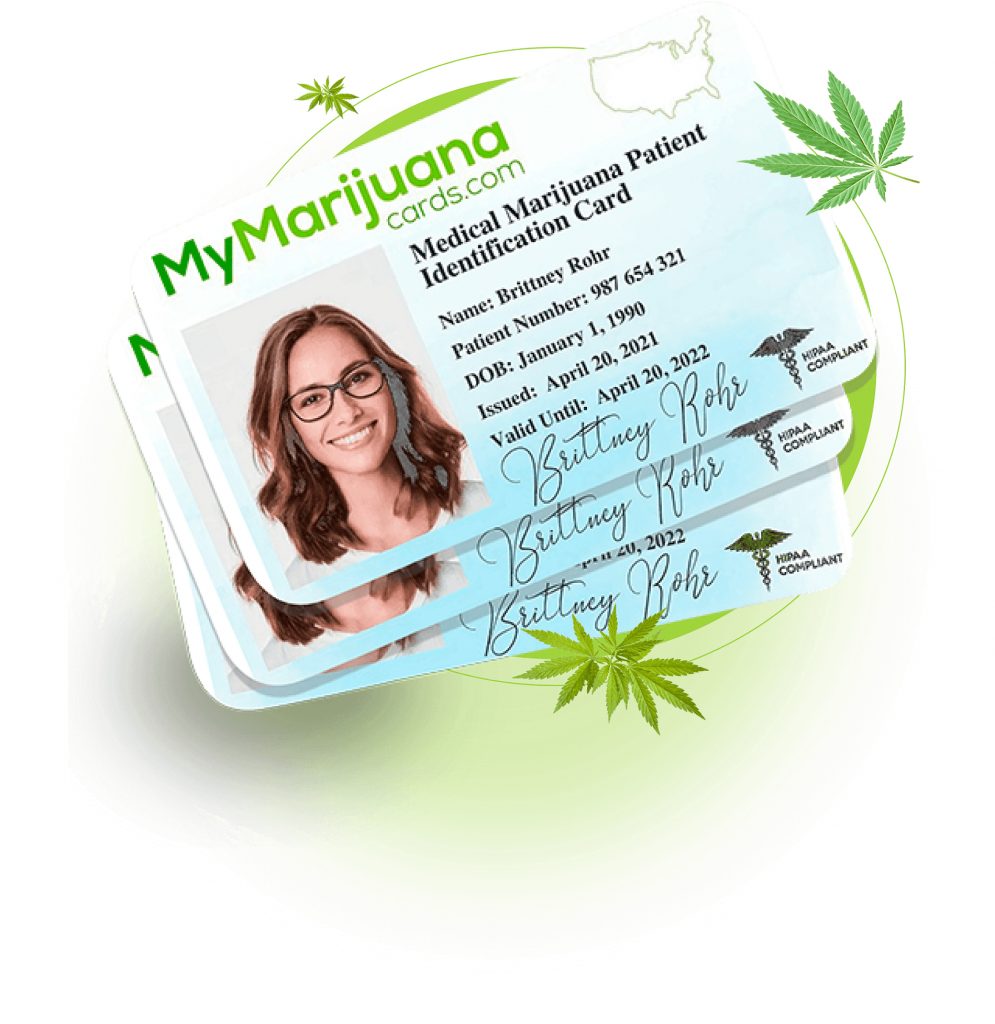
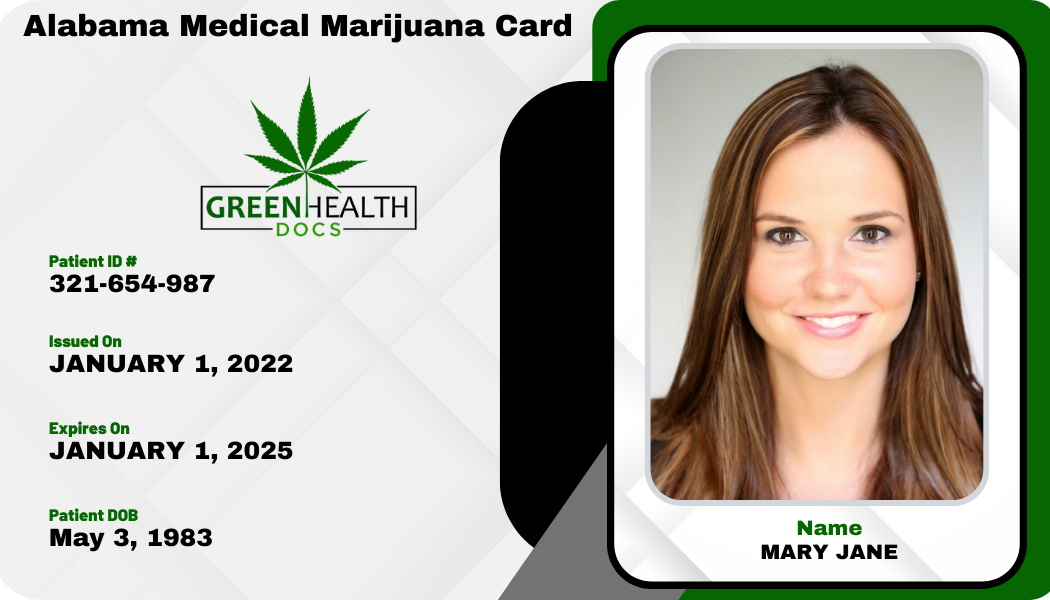
The AMCC will then review your application. Upon approval, you will be issued an Alabama Medical Cannabis Card. This card is essential, as it serves as official proof of your authorization to purchase and possess medical cannabis from licensed dispensaries within the state. The card will have an expiration date, usually one year from the date of issuance, and will require renewal through a similar process, including another physician consultation to re-evaluate your condition. It’s crucial to keep your card valid to maintain legal access to medical cannabis. The AMCC aims to make this process as streamlined as possible, but patience is advised as the program is relatively new and may experience initial processing times.
Accessing Medical Cannabis in Alabama
Once you have successfully obtained your Alabama Medical Cannabis Card, the next step is to understand where and how you can legally purchase your medicine. The state has established a regulated system for dispensing, focusing on patient safety and product integrity.
Locating Licensed Dispensaries
Medical cannabis in Alabama can only be purchased from dispensaries licensed by the Alabama Medical Cannabis Commission. These dispensaries are the only legal retail outlets for medical cannabis products. The AMCC is responsible for licensing cultivators, processors, transporters, and dispensaries, ensuring a tightly controlled supply chain. As the program fully rolls out, a list of approved dispensaries will be made available on the AMCC’s official website. These facilities are expected to be located in various regions across the state, likely concentrating in populous areas such as Birmingham, Montgomery, Huntsville, and potentially in other major cities like Mobile or Tuscaloosa.
When visiting a dispensary, you will be required to present your Alabama Medical Cannabis Card and a valid state-issued ID. Dispensary staff, who are also trained and regulated, can provide guidance on product selection based on your physician’s recommendation and your specific condition. The environment is typically professional and healthcare-oriented, distinct from recreational cannabis shops found in other states. For those traveling within Alabama, it will be important to plan ahead and locate dispensaries along your route or near your destination, whether you’re visiting Gulf Shores for a beach vacation or exploring historical sites further inland.
Approved Product Forms and Purchase Limits
The Darren Wesley ‘Ato’ Hall Compassion Act is very specific about the types of medical cannabis products that are permitted for sale and consumption in Alabama. The law explicitly prohibits smoking or vaping of medical cannabis, as well as edibles that resemble candy. This is a crucial distinction from many other states with medical or recreational cannabis programs. Approved forms include:
- Tablets, capsules, and tinctures: These offer precise dosing and are ideal for patients seeking consistent effects.
- Gels, creams, and transdermal patches: Applied topically, these are often used for localized pain relief and may appeal to those who prefer non-ingestible forms.
- Suppositories: These are another method for systemic delivery, particularly useful for certain conditions or patients who cannot ingest orally.
- Nebulizers: For inhalation without combustion, offering rapid onset of effects.
- Gelatinous cubes: These are ingestible forms, but carefully regulated to ensure they do not appeal to children.
Each product will have specific dosage instructions provided by the dispensary, aligning with your physician’s recommendation. Furthermore, the act establishes clear purchase limits to prevent diversion and ensure responsible use. Patients are restricted to purchasing a 70-day supply, as determined by the physician’s recommendation, and quantities are tracked through the state’s patient registry system. These limits are designed to balance patient access with public safety, allowing sufficient medicine for therapeutic needs while preventing over-acquisition. Understanding these forms and limits is vital for effective and compliant treatment.
Travel, Tourism, and Medical Cannabis in the Heart of Dixie
The emergence of a medical cannabis program in Alabama adds a new layer of consideration for both potential residents and visitors. While the primary focus is on Alabama residents, the broader implications touch upon various aspects of lifestyle and tourism.
Considerations for Out-of-State Visitors
For individuals traveling to Alabama from other states, especially those with their own medical cannabis cards, it’s essential to understand Alabama’s stance on reciprocity. As of the current legislation, Alabama does not offer reciprocity for out-of-state medical cannabis cards. This means that a medical cannabis card issued in California or Florida, for example, will not be recognized in Alabama, and out-of-state visitors cannot legally purchase medical cannabis from Alabama dispensaries.
Moreover, transporting medical cannabis across state lines, even if both states have legal programs, remains federally illegal. Therefore, visitors should be extremely cautious about bringing medical cannabis into Alabama from another state. The best advice for out-of-state patients is to consult with their physician about alternative treatment plans during their visit or to explore legal options available in Alabama that do not involve cannabis. This is particularly important for tourists enjoying destinations like Orange Beach or visiting attractions such as the U.S. Space & Rocket Center in Huntsville, as ignorance of the law is not a defense. Always prioritize legal compliance to avoid unnecessary complications during your travels.
Integrating Medical Cannabis into Your Alabama Lifestyle
For Alabama residents with a medical cannabis card, integrating this new aspect into daily life requires awareness and responsibility. The law strictly governs where medical cannabis can be consumed. Public consumption is generally prohibited, similar to alcohol regulations. This means using medical cannabis should typically occur in private residences. When traveling within Alabama, such as on a road trip to Cheaha State Park or a weekend getaway to Dauphin Island, patients must ensure their medical cannabis is stored securely and out of reach, especially when driving. It should not be accessible to the driver or passengers in an operating vehicle.
The availability of medical cannabis also adds a dimension to the broader lifestyle choices for residents. It can influence decisions about where to live, given proximity to dispensaries and medical facilities. For those considering long-term stays or relocation to Alabama, the state’s medical cannabis program can be a significant factor in evaluating quality of life, especially for individuals managing chronic conditions. The program underscores Alabama’s evolving approach to healthcare and well-being, enhancing its appeal as a place where health needs can be met with innovative solutions. As the program matures, it will continue to shape discussions around health tourism, accessibility, and the inclusive nature of Alabama’s vibrant communities.
In conclusion, while Alabama’s medical cannabis program is carefully structured and primarily designed for its residents, its implementation opens up new conversations about health, travel, and lifestyle in the Heart of Dixie. Understanding the process, from physician consultation to dispensary access, is key for eligible individuals to harness the therapeutic potential offered by The Darren Wesley ‘Ato’ Hall Compassion Act. As with any new legal framework, staying informed about updates from the Alabama Medical Cannabis Commission and adhering to all regulations will ensure a smooth and compliant experience for all involved.
LifeOutOfTheBox is a participant in the Amazon Services LLC Associates Program, an affiliate advertising program designed to provide a means for sites to earn advertising fees by advertising and linking to Amazon.com. Amazon, the Amazon logo, AmazonSupply, and the AmazonSupply logo are trademarks of Amazon.com, Inc. or its affiliates. As an Amazon Associate we earn affiliate commissions from qualifying purchases.