
In an era increasingly defined by digital wallets, contactless payments, and cryptocurrency, the question of whether one can still use physical currency to secure a room remains a critical concern for many travelers. Within the professional landscape of the accommodation industry, the answer is rarely a simple “yes” or “no.” While cash remains legal tender in most jurisdictions, the operational protocols of modern hospitality brands have created a complex web of requirements that guests must navigate before they can settle their bill with paper notes. Understanding these nuances is essential for anyone planning a stay, whether it is at a luxury resort in Dubai or a modest roadside inn in Germany.

The Logistics of Cash Payments in Professional Accommodation
The primary reason why the accommodation sector has moved away from cash-centric transactions is rooted in risk management and the “incidental hold” system. When a guest checks into a property, such as a Marriott or a Hilton, the business is not just selling a night’s sleep; it is temporarily handing over an asset worth hundreds of thousands of dollars. To protect this asset, properties require a guarantee for potential damages, room service charges, or late check-out fees.
The Role of the Security Deposit
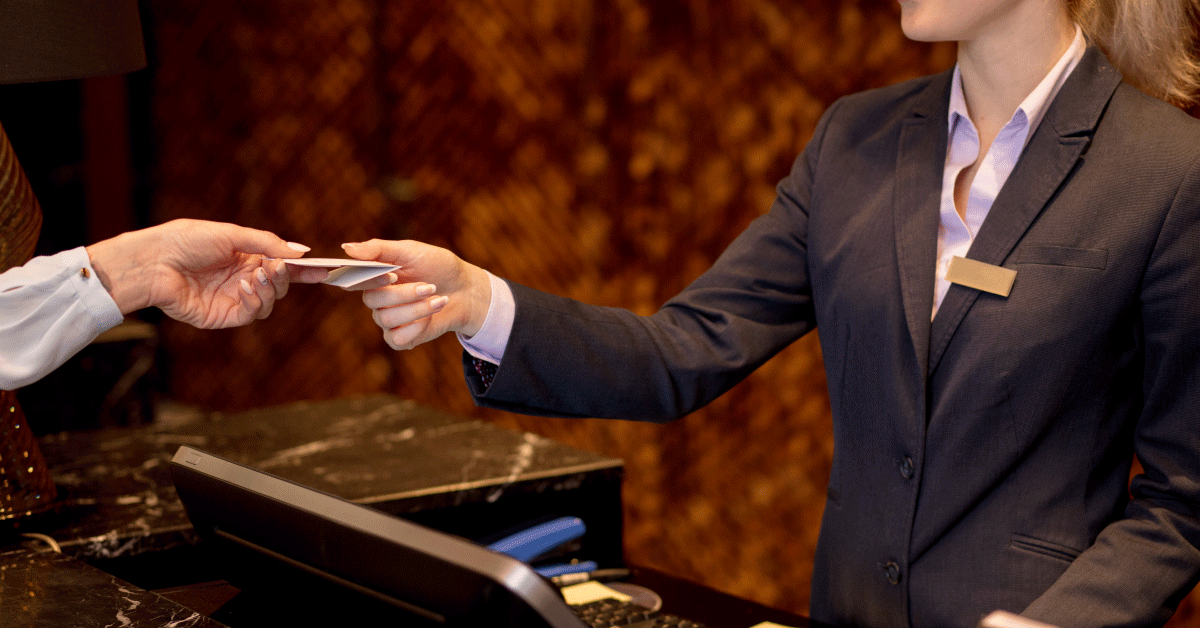
Most high-end brands, including the Four Seasons or The Ritz-Carlton, mandate a credit card at the time of check-in even if the guest intends to pay the final bill in cash. This card is used to place a “hold” on a specific amount of funds. If a traveler insists on using cash for the entire process, many properties in the United States and Canada will require a substantial cash deposit upfront. This deposit often exceeds the room rate by a significant margin—sometimes $100 to $500 per night—to cover any unforeseen expenses.
Verification and Compliance
In many cities like New York City and London, strict “Know Your Customer” (KYC) and anti-money laundering regulations influence how accommodation providers handle large cash transactions. While a boutique stay might be more flexible, larger chains often have corporate policies that limit cash transactions to specific thresholds. Furthermore, the lack of a digital footprint with cash makes it harder for the front desk to verify a guest’s identity, which is why a valid government-issued photo ID is always required alongside any cash payment.
Comparing Payment Policies Across Different Property Types
The flexibility regarding cash often depends heavily on the type of accommodation being booked. The experience at a franchised Holiday Inn can differ wildly from an independent boutique hotel in Paris or a traditional guest house in Kyoto.
Global Hotel Chains vs. Independent Properties
Major corporations such as InterContinental Hotels Group and Hyatt generally prefer credit cards to streamline their accounting processes across thousands of locations. However, because many of these are franchised, individual owners might have some leeway. For instance, a Best Western in a rural area might be more accustomed to cash-paying local travelers than one located in the heart of San Francisco.
In contrast, independent properties and bed-and-breakfasts often have more personalized policies. A small Riad in Morocco might actually prefer cash to avoid the high processing fees associated with international credit cards. Conversely, ultra-modern apartments and “aparthotels” in tech-forward cities like Singapore are increasingly moving toward “cashless” environments where physical money is not accepted at all.
Short-Term Rentals and Digital Platforms
With the rise of platforms like Airbnb, the concept of paying cash has almost entirely vanished from the initial booking phase. Because these platforms act as the financial intermediary, payments are handled digitally to protect both the host and the guest. Attempting to pay cash “under the table” for these types of accommodations is generally a violation of the terms of service and removes the legal protections provided by the platform.
Regional Variations in Cash Acceptance
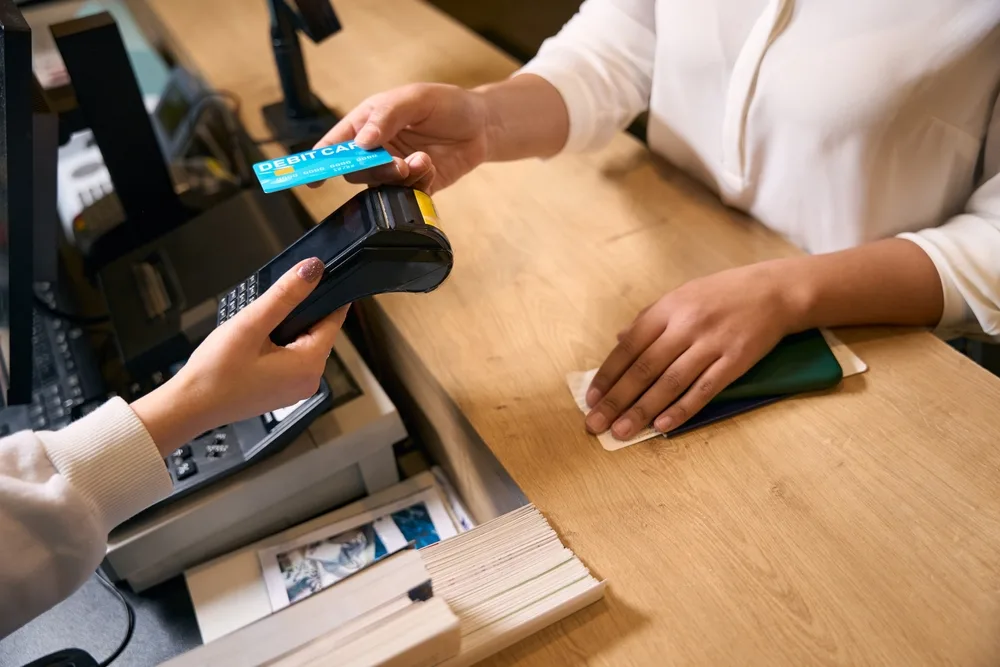
The cultural attitude toward money varies significantly by geography, which directly impacts how you pay for your room. Travelers must be aware of these regional norms to avoid being stranded at a front desk without a valid payment method.
Cash-Heavy Cultures: Europe and Asia
In Germany, cash remains remarkably resilient. Even in a major metropolis like Berlin, it is not uncommon for smaller pensions or family-run hotels to expect cash payments. Similarly, in Japan, while the Tokyo skyline is a testament to the future, the society remains deeply rooted in physical currency. Staying at a traditional Ryokan in the Hakone region often necessitates having a significant amount of Yen on hand, as some of these historic accommodations may not even have card terminals.
The Cashless Shift in Scandinavia and North America
On the opposite end of the spectrum, countries like Sweden and Norway are rapidly becoming cashless societies. In Stockholm, you may encounter hotels that explicitly state they do not accept cash for any part of the stay, including at the bar or restaurant. In the United States, while cash is legally accepted for “all debts, public and private,” private businesses like a Sheraton in Las Vegas have the legal right to insist on a credit card for the check-in process to secure the transaction.
Emerging Markets and Tourist Hubs
In developing tourism markets such as Vietnam or parts of Mexico, cash is often the preferred method for the guest, as it can sometimes lead to a better “walk-in” rate. However, for luxury stays at places like the Rosewood Mayakoba, the standard international card-first policy will still apply.
Practical Strategies for Paying Cash for Your Stay
If you prefer to use cash for privacy reasons, budget management, or lack of a credit card, there are specific steps you can take to ensure your booking goes smoothly. Navigating the accommodation industry’s hurdles requires preparation and clear communication with the property management.
The “Pay at Checkout” Strategy
The most common way to use cash at a professional establishment like a Radisson or a Wyndham is to provide a credit card during check-in for the authorization hold, and then settle the final bill in cash upon departure. This satisfies the property’s need for security while allowing the guest to use their preferred currency. Once the cash payment is processed, the front desk will release the hold on the card, though it may take several business days for the bank to reflect this.
Using Debit Cards as a Compromise
If the goal is to avoid credit, many accommodations accept debit cards with the Visa or Mastercard logo. However, guests should be cautious: hotels will often “block” the total cost of the stay plus a deposit directly from the bank account. Unlike a credit card hold, this is an actual withdrawal of available funds. If you are staying at a high-end property in Switzerland, this could temporarily tie up thousands of dollars of your liquidity.
Advance Communication
The golden rule for cash payments is to call the property directly before arrival. Ask specifically:
- Do you accept cash for the room rate?
- Do you require a credit card for the security deposit?
- If I pay a cash deposit, how and when is it refunded (e.g., cash back at checkout or a check mailed later)?
Properties near major transit hubs, like an airport hotel near Heathrow Airport in England, are often more rigid due to the high volume of transient guests. Conversely, a resort in Bali might be more accommodating if the stay is part of a long-term booking.
The Future of Payments in Accommodation
As the industry evolves, the role of cash is likely to diminish further, replaced by even more seamless digital integrations. We are already seeing the rise of “mobile check-in” features at Marriott Bonvoy properties, where the entire process—from room selection to key issuance—happens on a smartphone. In such a system, there is no physical point of contact to even hand over cash.
However, as long as international travel involves diverse economic backgrounds and varying levels of banking access, the accommodation sector must maintain some level of flexibility. Whether it is a luxury suite overlooking Central Park or a quiet villa in Tuscany, the ability to pay cash will remain a niche but necessary component of the global hospitality market. For the savvy traveler, the key is not just having the cash, but knowing exactly how the specific property intends to account for it. By understanding the underlying logic of security deposits and regional norms, you can ensure that your payment method—whatever it may be—never stands in the way of a comfortable stay.
LifeOutOfTheBox is a participant in the Amazon Services LLC Associates Program, an affiliate advertising program designed to provide a means for sites to earn advertising fees by advertising and linking to Amazon.com. Amazon, the Amazon logo, AmazonSupply, and the AmazonSupply logo are trademarks of Amazon.com, Inc. or its affiliates. As an Amazon Associate we earn affiliate commissions from qualifying purchases.