
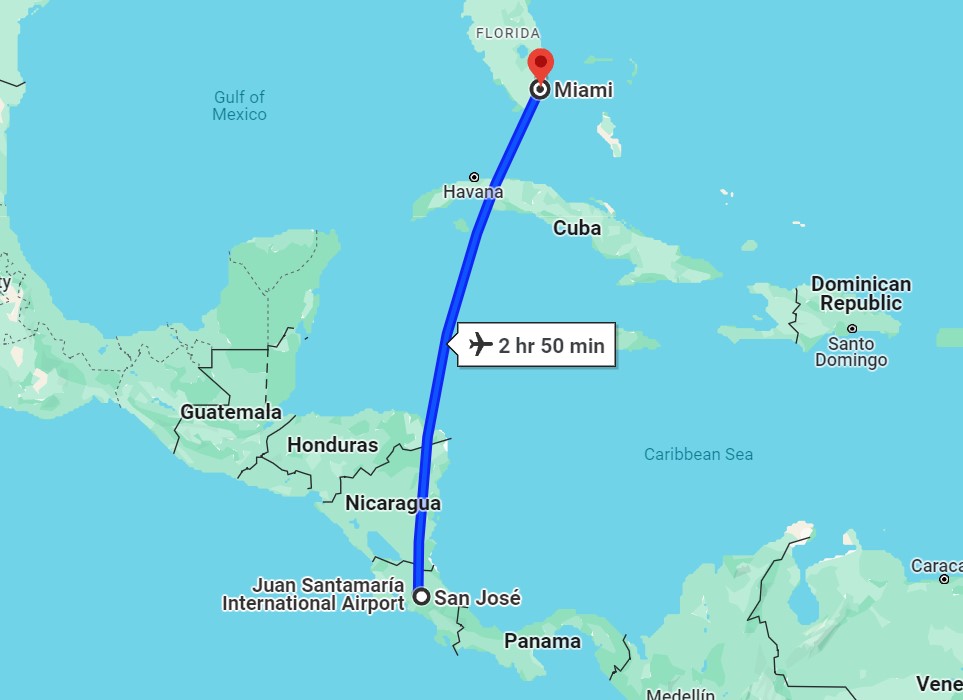
Embarking on a journey from the vibrant shores of Miami to the lush landscapes of Costa Rica is a common aspiration for many seeking an escape into nature’s embrace. Understanding the duration of this flight is a crucial piece of information for any traveler, influencing everything from packing strategies to the overall pacing of an itinerary. While the exact time can fluctuate, a direct flight from Miami International Airport (MIA) to Juan Santamaría International Airport (SJO) near San José, the capital of Costa Rica, typically falls within a specific window. This article will delve into the average flight times, the factors that influence them, and what you can expect as you prepare for your tropical adventure.
Direct Flight Durations: The Straightforward Answer
For travelers prioritizing efficiency and minimizing travel time, direct flights offer the most straightforward route. These flights bypass any layovers, allowing for a continuous journey from the departure gate in Miami to your arrival in Costa Rica.
Average Non-Stop Flight Time
On average, a direct flight from Miami to San José takes approximately 3 hours and 15 minutes. This is the airborne time, not including the hours spent at the airport for check-in, security, boarding, and deplaning. Airlines like American Airlines and Spirit Airlines frequently operate non-stop services on this route, making it a convenient option for many.
Factors Affecting Direct Flight Time
While the average is a helpful benchmark, several variables can cause slight deviations in the actual flight duration:
- Aircraft Type: Different aircraft have varying cruising speeds. Larger, more modern jets may complete the journey slightly faster than older or smaller models.
- Wind Conditions: Headwinds can slow down the aircraft, extending the flight time, while tailwinds can shorten it. These atmospheric conditions are dynamic and can change even during the flight.
- Air Traffic Control: The flow of air traffic around both departure and arrival airports, as well as along the flight path, can influence speed and routing. Congestion can sometimes lead to slight delays or necessitate a more circuitous route.
- Airline Scheduling: Airlines may sometimes schedule slightly longer flight times to account for potential delays or to ensure on-time departures and arrivals, providing a buffer.
It is essential to remember that the published flight times by airlines are often estimates. Checking the specific flight details provided by your chosen carrier at the time of booking is always recommended for the most accurate information.
Flights with Layovers: Understanding Extended Travel
While direct flights are the quickest, many travelers opt for flights with one or more layovers for various reasons. These can include cost savings, the opportunity to visit an additional city, or simply due to availability. However, flights with layovers will significantly increase the total travel time.
Common Layover Destinations
When flying from Miami to Costa Rica with a layover, common connection points often include major hubs in the United States or the Caribbean. These might include cities such as:
- Charlotte Douglas International Airport (CLT): A major hub for American Airlines.
- Hartsfield-Jackson Atlanta International Airport (ATL): The busiest airport in the world and a primary hub for Delta Air Lines.
- Fort Lauderdale-Hollywood International Airport (FLL): While closer to Miami, some itineraries might route through here for connections.
- Other Southern US Cities: Depending on the airline, layovers can also occur in cities like Houston or Dallas.
Total Travel Time with Layovers
The total duration of a flight with a layover is highly variable and depends on two main factors:
- The length of the layover: This can range from a quick 1-2 hour connection to several hours, or even an overnight stay.
- The location of the layover: Flights connecting through more distant hubs will naturally take longer.
A typical flight with one layover can range from 6 hours to 12 hours or more. This includes the flight time to the layover city, the duration of the layover itself, and the subsequent flight to San José. It is crucial to carefully review the total itinerary time when booking flights with layovers to ensure it aligns with your travel plans and energy levels. For instance, a flight that lands in San José late at night after a long layover might impact your first day’s activities.
Preparing for Your Flight: Maximizing Comfort and Efficiency
Regardless of whether you choose a direct flight or one with a layover, proper preparation can significantly enhance your travel experience. Understanding the flight duration is just the first step in a well-planned journey.
Packing Essentials for a Short or Long Haul
For a direct flight, a carry-on bag with essentials like a book, headphones, a neck pillow, and a change of clothes is often sufficient. However, for flights with layovers, packing more strategically is key. Consider:
- Comfortable Clothing: Layers are essential as cabin temperatures can vary.
- Entertainment: Download movies, music, or podcasts.
- Snacks and Water: While airlines provide refreshments, having your own can be a lifesaver, especially during long layovers.
- Toiletries: Travel-sized essentials for freshening up.
- A Portable Charger: To keep your devices powered.
Airport Navigation and Time Management
Understanding your flight’s estimated duration also helps in planning your time at the airport.
- For Direct Flights: Arriving 2-3 hours before departure is generally recommended for international flights from Miami. This allows ample time for check-in, security, and finding your gate.
- For Flights with Layovers: The arrival time at the layover airport is critical. Ensure you have enough time to navigate the airport, find your connecting gate, and potentially grab a meal. If the layover is very short, keep an eye on departure boards as gates can sometimes change. If you have a lengthy layover, consider if the airport offers lounges or quiet areas for relaxation. Some major airports even offer tours or unique amenities that can make a long layover more enjoyable.
Considering Time Zone Changes
Miami is in the Eastern Time Zone (ET). Costa Rica observes Central Standard Time (CST), which is two hours behind ET during daylight saving time in the US and one hour behind during standard time. This time difference means that even a short flight will result in arriving at a local time earlier than you might expect based on flight duration alone. For example, a 3-hour flight departing Miami at 10:00 AM ET will arrive in San José around 11:15 AM local time, factoring in the time difference. This is important for planning airport transfers and your first day’s activities.
Connecting to Other Destinations in Costa Rica
While San José is the primary international gateway, many travelers journey further to explore the diverse regions of Costa Rica. Understanding the flight from Miami to San José is the first step. Once you arrive, you’ll have various options to reach your final destination.
Domestic Flights
Costa Rica has a well-developed network of domestic flights, operated by airlines like Sansa Airlines and Nature Air. These flights connect San José to popular tourist destinations such as:
- Tamarindo: For surfing and beach life.
- La Fortuna: Home to the Arenal Volcano and hot springs.
- Puerto Jiménez: Gateway to the Osa Peninsula and Corcovado National Park.
- Quepos/Manuel Antonio: Famous for its national park and beaches.
These domestic flights are typically short, ranging from 20 minutes to an hour, and offer breathtaking aerial views of the country’s varied topography.

Ground Transportation Options
For those who prefer to see the landscape unfold, ground transportation is also readily available:
- Shuttles: Shared or private shuttle services are a popular and convenient option, connecting major tourist hubs.
- Rental Cars: Renting a car offers the most flexibility, allowing you to explore at your own pace. However, be prepared for varying road conditions, especially in more remote areas.
- Public Buses: The most economical option, offering extensive routes across the country. While slower, they provide an authentic local experience.
The decision between domestic flights and ground transportation will depend on your budget, time constraints, and the specific destinations you plan to visit within Costa Rica. For instance, reaching the Nicoya Peninsula, which has airports like Tamarindo and Tambor, can be significantly faster via a short domestic flight compared to a long drive.
By understanding the nuances of flight durations from Miami to Costa Rica, you can better plan your adventure, pack efficiently, and maximize your enjoyment of this incredible Central American paradise.
LifeOutOfTheBox is a participant in the Amazon Services LLC Associates Program, an affiliate advertising program designed to provide a means for sites to earn advertising fees by advertising and linking to Amazon.com. Amazon, the Amazon logo, AmazonSupply, and the AmazonSupply logo are trademarks of Amazon.com, Inc. or its affiliates. As an Amazon Associate we earn affiliate commissions from qualifying purchases.