
Texas, a state renowned for its vast landscapes, scorching summers, and vibrant culture, often conjures images of tumbleweeds and cacti rather than snowflakes. Yet, the Lone Star State experiences its fair share of wintry precipitation. While not a staple like in many northern climes, snowfall in Texas is a real, albeit infrequent and geographically varied, phenomenon. Understanding when and where to expect snow can significantly inform travel plans, especially for those seeking a unique Texan winter experience or planning to navigate its roads during the colder months.
Understanding Texas’s Diverse Climate
Texas is a large state, and its sheer size dictates a wide array of microclimates. The weather patterns are influenced by its proximity to the Gulf of Mexico, its continental interior, and the mountainous regions in the far west. Consequently, the likelihood and intensity of snowfall vary dramatically from the Panhandle plains to the Gulf Coast.

Panhandle and North Texas: The Snowiest Regions
The Texas Panhandle, including cities like Amarillo and Lubbock, consistently receives the most snowfall in the state. Situated at a higher elevation and further from the moderating influence of the Gulf, this region is more susceptible to cold air masses from the north.
- Average Snowfall: Amarillo, for instance, averages around 15-20 inches of snow annually. This makes it the snowiest major city in Texas. Lubbock typically sees a bit less, around 6-10 inches per year.
- When to Expect It: The snow season in these northern areas generally runs from November through March, with the peak months often being January and February. Major snow events can occur, sometimes bringing significant accumulations that can disrupt travel and daily life.
- Impact on Travel: For travelers, particularly those driving through the Panhandle during winter, it’s crucial to be prepared for icy conditions and potential road closures. Checking weather forecasts and road conditions before embarking on a journey through cities like Plainview or Childress is highly recommended.
Central Texas: Occasional Dustings and Rare Events
Central Texas, home to the state capital Austin and the bustling metropolis of Dallas-Fort Worth, experiences snowfall much less frequently and in smaller quantities.
- Average Snowfall: Snowfall in this region is sporadic. Cities like Dallas and Fort Worth might receive anywhere from 1 to 5 inches of snow per year, and some years may see no measurable snow at all.
- Timing: When snow does fall, it’s typically a light dusting or a short-lived event, often melting within hours of accumulation due to the generally warmer temperatures. The rare occasion of a significant snowstorm, however, can bring a sense of wonder and widespread disruption to these normally temperate areas.
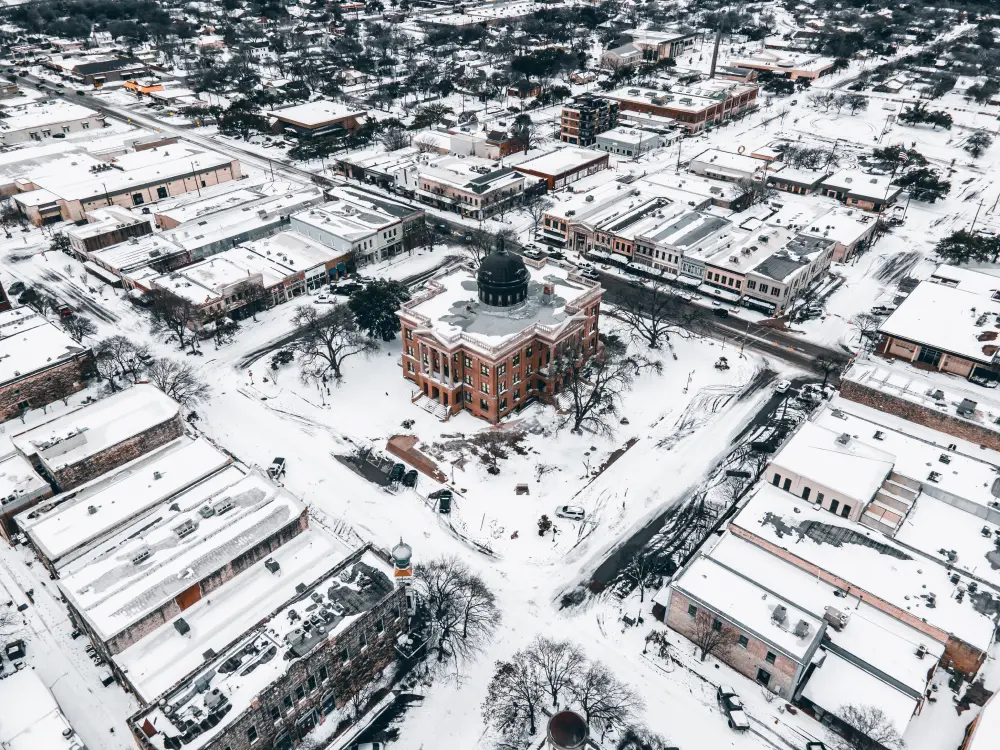
- Special Occasions: A snowfall in Central Texas is often a cause for excitement. Schools might close, and residents might venture out to experience this rare meteorological event. Destinations like the Dallas Arboretum and Botanical Garden or the Texas State Capitol can take on a unique, almost magical, appearance under a blanket of white.
South Texas and the Gulf Coast: A Winter Mirage
South Texas and the coastal areas, including cities like Houston, San Antonio, and Corpus Christi, are the least likely to see snow. The proximity to the warm waters of the Gulf of Mexico and generally higher average temperatures mean that cold air masses often lose their moisture before reaching these regions, or any precipitation that does fall is in the form of rain.
- Rare Occurrences: Snowfall in these parts of Texas is exceptionally rare, often a once-in-a-decade event. When it does happen, it’s usually a very light, fleeting flurry that quickly melts away.
- Impact: Such an event is a significant news item, with locals often surprised by the icy conditions. Visitors expecting a warm winter escape to destinations like South Padre Island might be surprised by a brief chill, but a true snow experience is highly improbable.
- Historical Anomalies: There have been notable instances in history where snow has fallen across much of the state, even reaching the coast. These are considered extreme weather events, often linked to potent cold fronts combined with moisture.
Factors Influencing Texas Snowfall
Several meteorological factors converge to bring snow to Texas. Understanding these helps explain the infrequency and regional disparities.
Cold Air Masses
The primary driver for snow in Texas is the intrusion of cold, dry air masses originating from Canada or the Arctic. These are often associated with large, high-pressure systems that push southward. The intensity and duration of these cold air outbreaks are critical.
Moisture Availability
Cold air alone doesn’t produce snow. Moisture is also essential. When a storm system, such as a low-pressure area or a cold front, interacts with these cold air masses and there is sufficient moisture in the atmosphere, precipitation can form. If the temperature at and below the cloud base is at or below freezing, this precipitation will fall as snow.
- Gulf Moisture: Sometimes, moisture from the Gulf of Mexico can be drawn northward, interacting with a strong cold front. This combination can lead to significant snowfall, especially in North Texas.
- Upslope Flow: In West Texas, the terrain can play a role. The slight upward slope of the land can sometimes enhance lift in the atmosphere, helping to trigger precipitation as cold air moves over the region.
Temperature Thresholds
The critical factor is the temperature at ground level. For snow to accumulate, the air temperature needs to be at or below freezing (32°F or 0°C) from the cloud to the ground. Even if snow falls, if the ground temperature is above freezing, it will melt upon contact, leading to slush or rain.
Planning Your Texas Winter Visit
For travelers, knowing the likelihood of snow is essential for packing, itinerary planning, and safety.
When to Consider a Winter Trip
If you’re seeking a chance to experience snow in Texas, the months of December, January, and February are your best bet, particularly in the Panhandle and North Texas. Cities like Amarillo, Lubbock, and the Dallas-Fort Worth metroplex are more likely to see wintery conditions.
What to Pack
Even in these colder regions, Texas winters can be unpredictable. Layering is key.
- Outerwear: A warm, waterproof or water-resistant coat is essential.
- Footwear: Insulated, waterproof boots are highly recommended if you plan to be outdoors.
- Accessories: A warm hat, gloves, and a scarf will protect you from the elements.
- Dressing in Layers: Pack sweaters, long-sleeved shirts, and thermal underwear to adjust to changing temperatures.
Travel Considerations
- Vehicle Preparedness: If driving, ensure your vehicle is equipped for cold weather. Check tire pressure, carry an emergency kit with blankets, water, and snacks, and have a full tank of gas.
- Road Conditions: Always check local road conditions before setting out, especially on highways like I-40 or I-35 which can become hazardous during snow events.
- Flexibility: Be prepared for potential travel delays or cancellations if a significant snowstorm hits.

Embracing the Snow
While infrequent, snow in Texas offers a unique travel opportunity. Imagine visiting the Palo Duro Canyon State Park in the Panhandle under a dusting of snow, or enjoying the festive lights of a North Texas city transformed by a rare winter wonderland. These moments, though fleeting, provide a distinct and memorable Texan experience, far removed from the typical sun-drenched image of the state.
In conclusion, while Texas is predominantly known for its warmth, it offers a chance to witness snowfall, particularly in its northern regions. The frequency and intensity are highly variable, making each snowy event a noteworthy occasion. For the intrepid traveler, understanding these patterns can unlock a different, and surprisingly beautiful, side of the Lone Star State.
LifeOutOfTheBox is a participant in the Amazon Services LLC Associates Program, an affiliate advertising program designed to provide a means for sites to earn advertising fees by advertising and linking to Amazon.com. Amazon, the Amazon logo, AmazonSupply, and the AmazonSupply logo are trademarks of Amazon.com, Inc. or its affiliates. As an Amazon Associate we earn affiliate commissions from qualifying purchases.