
In an era increasingly dominated by digital transactions, contactless payments, and credit-based booking systems, the question of whether one can still use physical currency to secure a room remains highly relevant. While the short answer is often “yes,” the logistical reality of paying for a hotel in cash is far more nuanced than it was a few decades ago. For travelers navigating the modern landscape of Accommodation, understanding the policies of major chains and independent boutiques is essential to ensuring a smooth check-in process.
The Logistics of Cash Payments in Modern Accommodation
The primary hurdle when attempting to pay for a hotel stay with cash isn’t necessarily the final bill, but rather the security deposit and the initial booking guarantee. Most established brands, such as Marriott International and Hilton Hotels and Resorts, require a valid credit card at the time of reservation to protect against “no-shows” and to cover potential incidental charges.
The Necessity of a Credit Card for Incidental Holds
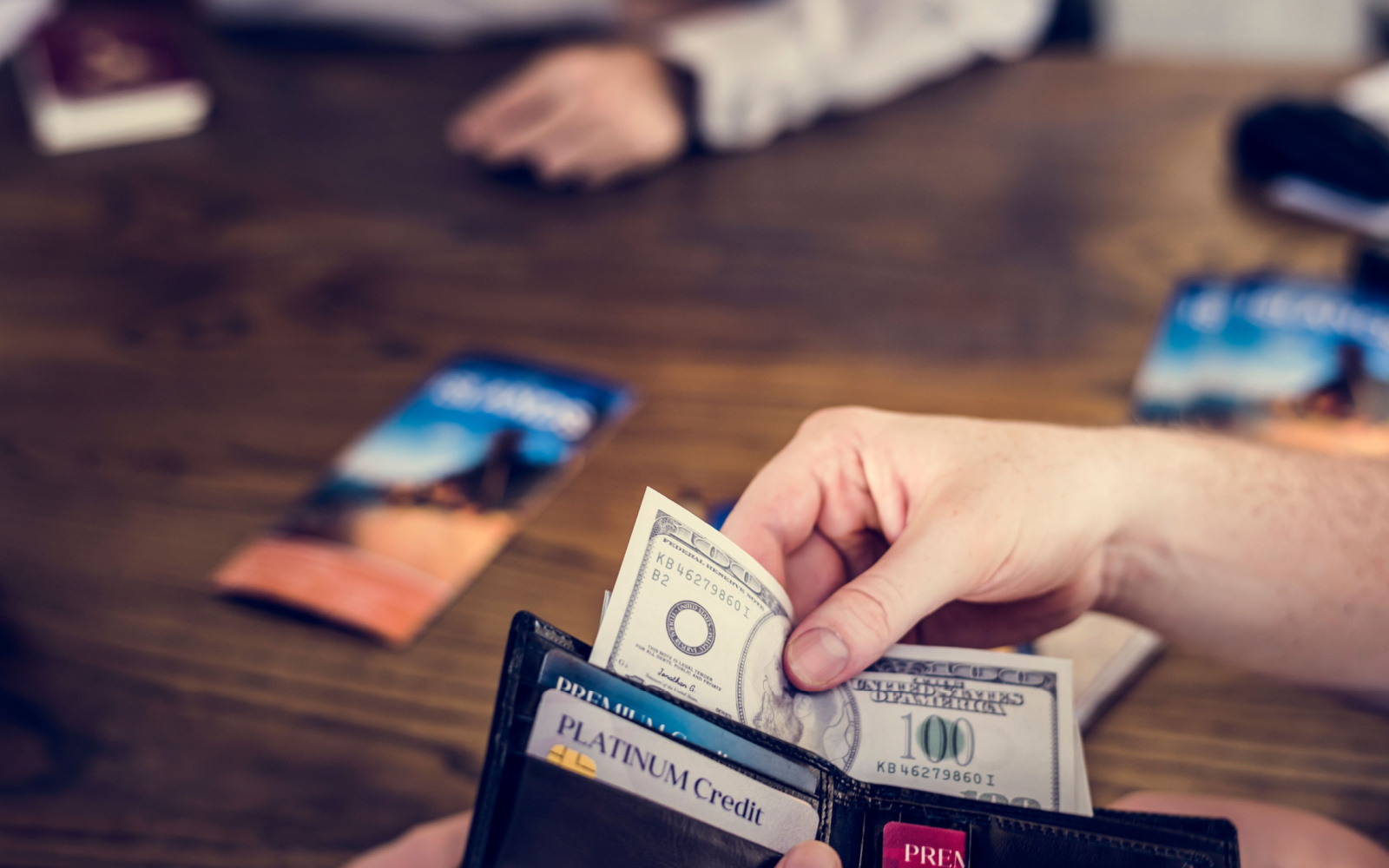
Even if a guest intends to settle their final balance in cash, almost every mid-to-high-end establishment in the United States and the United Kingdom will demand a credit or debit card upon arrival. This is known as an “incidental hold.” The hotel “freezes” a specific amount of money on the card to cover room service, minibar usage, or potential damage to the property.
If a traveler insists on using cash for both the room and the deposit, many properties, including Holiday Inn and Best Western, may refuse the booking entirely or require a significantly higher cash deposit. These cash deposits are often problematic because they must be manually processed and refunded upon inspection of the room at checkout, which can delay a traveler’s departure.
Booking Online vs. In-Person Payments
The rise of online travel agencies (OTAs) has further complicated cash payments. Platforms like Expedia or Booking.com typically require digital payment information to confirm a slot. However, some filters allow users to select “pay at property.” When using this feature at a hotel in a city like London or New York City, the guest can often present cash for the final bill at the end of their stay, provided a card was used to secure the initial entry.
Global Variations: Cash Culture in Different Regions
The feasibility of cash payments depends heavily on the destination. While the United States is moving toward a cashless hospitality model, other parts of the world maintain a strong tradition of physical currency.
Cash-Friendly Destinations in Europe and Asia
In many parts of Europe, particularly in Germany and Austria, cash is still king. Small guesthouses and family-run pensions in Bavaria or the Austrian Alps often prefer cash to avoid the high processing fees associated with international credit cards.
Similarly, in Japan, while luxury hotels in Tokyo like the Park Hyatt Tokyo are fully integrated into the digital economy, traditional Japanese inns known as Ryokans in places like Kyoto often operate on a cash-only basis. Travelers visiting these cultural staples must ensure they have sufficient Japanese Yen on hand to cover their stay, as local ATMs in rural areas may not always accept foreign cards.
Southeast Asia and the Developing World
In Thailand, Vietnam, and Indonesia, cash remains a vital part of the Accommodation sector. While a 5-star resort in Bali or a high-rise in Bangkok will expect a card, the thousands of boutique villas and hostels scattered across these regions often prioritize cash. In these markets, paying in the local currency—such as the Thai Baht or Indonesian Rupiah—can sometimes lead to better rates or the avoidance of the 3% credit card surcharge common in smaller establishments.
Comparing Cash Policies Across Different Stay Types
The type of accommodation you choose will significantly influence whether your cash is welcomed. The policies of a luxury resort differ vastly from those of a budget motel or a long-term rental.
Luxury Hotels and International Chains
For high-end brands like The Ritz Carlton, Four Seasons Hotels and Resorts, and InterContinental Hotels Group, cash is generally accepted for the final payment, but almost never for the check-in process. These brands cater to business travelers and high-net-worth individuals who typically use corporate or premium credit cards. If you wish to pay cash at a Four Seasons property, you will still need to provide a credit card at the start. At the end of the stay, you can simply inform the front desk that you would like to settle the balance in cash and have the hold on your card released.
Budget Motels and Roadside Inns
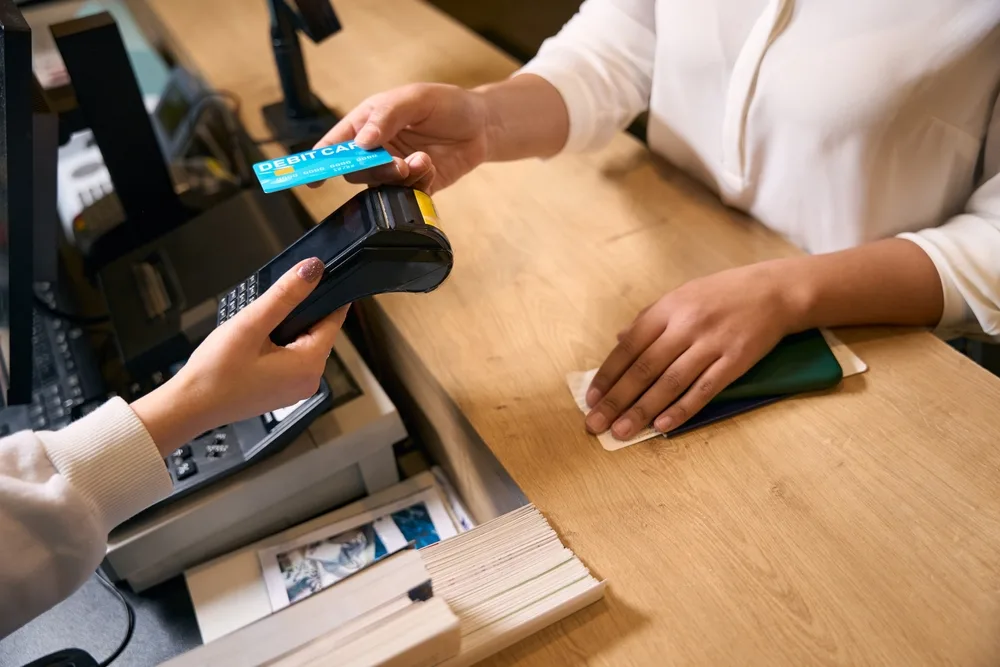
On the opposite end of the spectrum, budget chains such as Motel 6 or Super 8 are more accustomed to cash transactions. Many of these properties serve local travelers or those without traditional banking access. However, even these establishments are tightening their security. Some may require a “cash bond” or a “security deposit” ranging from $50 to $200, which is held in an envelope at the front desk and returned after a room inspection.
Long-term Stays and Serviced Apartments
For long-term Accommodation, such as those found through Airbnb or specialized serviced apartment providers in Singapore and Hong Kong, cash is rarely an option for the initial booking due to the digital nature of the platforms. However, for month-to-month stays in local apartments, landlords in many parts of the world still prefer the directness of a cash payment to avoid taxes and bank fees.
The Pros and Cons of Paying with Cash
Deciding whether to pay for your hotel in cash requires a balance of convenience, privacy, and security. While it offers certain advantages, it also introduces significant risks.
Privacy and Budgeting Benefits
The most significant advantage of cash is privacy. For travelers who prefer not to have their movements tracked by banking institutions or who wish to keep their travel expenses separate from their digital records, cash is the ultimate tool. Additionally, using cash is an excellent way to stick to a strict travel budget. By carrying only the amount allocated for Accommodation, travelers can avoid the “spending creep” that often happens when swiping a card.
In certain countries like Italy or Greece, paying in cash can also be a bargaining chip. In smaller, non-chain hotels, offering to pay the total amount in cash upfront may result in a discount, as it saves the proprietor from merchant fees.
Security and Practical Risks
The downsides, however, are substantial. Carrying large amounts of cash to pay for a week-long stay at a luxury resort in Las Vegas or Dubai makes a traveler a prime target for theft. Unlike a credit card, stolen cash is irrecoverable.
Furthermore, the “cash refund” process at checkout can be a major inconvenience. If a guest leaves a $300 cash deposit for incidentals at a hotel in Paris, they must wait for the housekeeping staff to verify the room’s condition before the front desk releases the funds. If the guest is in a rush to catch a flight from Charles de Gaulle Airport, this 15-to-20-minute wait can be the difference between making or missing their connection.
Best Practices for Using Cash in Hotels
If you are determined to use cash for your next stay, a proactive approach is necessary to avoid being turned away at the lobby.
Contact the Property Directly
The most important step is to call the hotel directly before you arrive. Do not rely on general corporate websites, as individual franchise locations for brands like Wyndham Hotels and Resorts or Choice Hotels may have their own local policies regarding cash. Ask specifically if they allow cash deposits and what form of identification is required.
Ensure You Have Valid Identification
Hotels that accept cash are often more stringent about identification. In the United States, you will likely need a government-issued photo ID, such as a driver’s license or a passport. In international destinations like Spain or Mexico, the hotel is legally required to record your passport details regardless of the payment method.
Request a Detailed Receipt
Whenever you hand over physical currency at a front desk, whether it is for the room rate or a deposit, always demand a printed receipt immediately. This receipt should clearly state the amount paid, the date, and the name of the staff member who processed the transaction. This is your only protection in the event of a dispute during checkout.

Have a Backup Plan
Even if you plan to pay in cash, always carry at least one credit card or a well-funded debit card. Technical issues, changes in management policy, or unexpected incidental costs can arise. Having a card ensures that you will never be left without a place to stay in a foreign city like Sydney or Toronto.
In conclusion, while the world of Accommodation is leaning heavily toward a digital future, the ability to pay with cash still exists for the savvy traveler. By understanding the regional expectations, the specific requirements of hotel tiers, and the logistical hurdles involved, you can successfully navigate your travels using physical currency. Whether you are staying at a high-end suite at the Burj Al Arab or a quiet guest house in Portugal, being prepared is the key to a seamless stay.
LifeOutOfTheBox is a participant in the Amazon Services LLC Associates Program, an affiliate advertising program designed to provide a means for sites to earn advertising fees by advertising and linking to Amazon.com. Amazon, the Amazon logo, AmazonSupply, and the AmazonSupply logo are trademarks of Amazon.com, Inc. or its affiliates. As an Amazon Associate we earn affiliate commissions from qualifying purchases.