
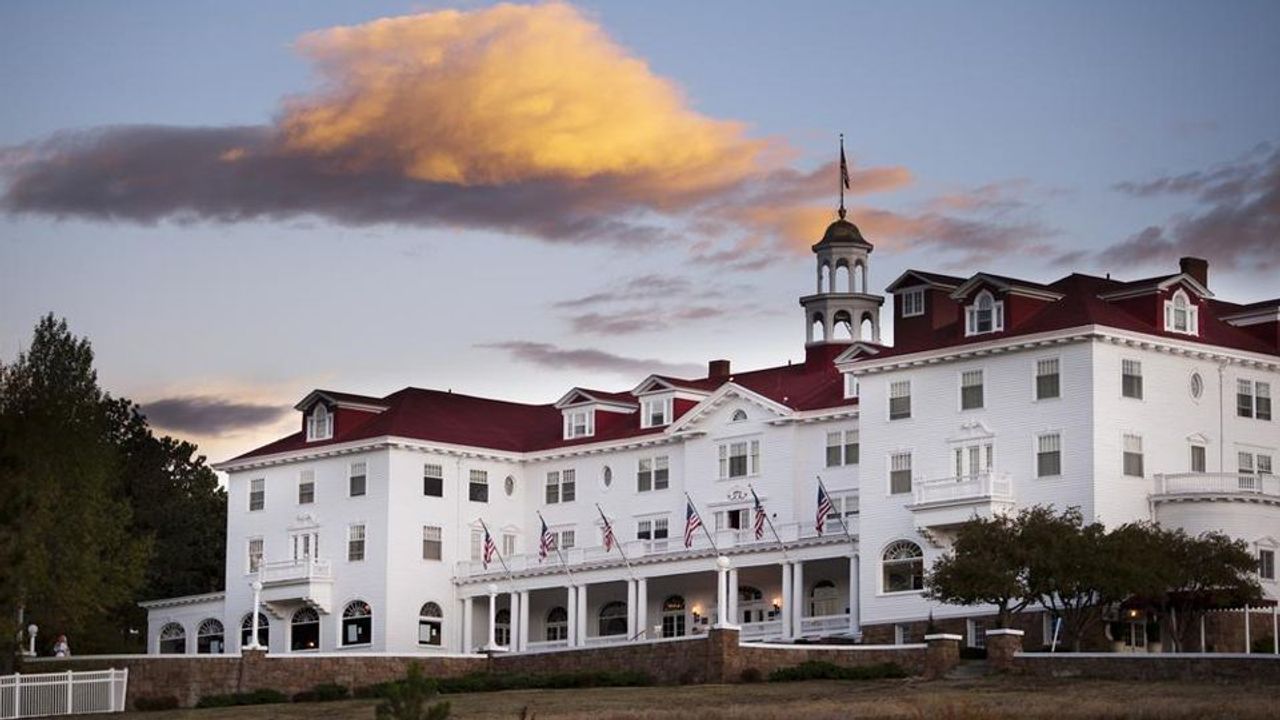
The Stanley Hotel stands as an iconic beacon of architectural grandeur and historical significance, nestled in the breathtaking embrace of the Rocky Mountains in Estes Park, Colorado. Its distinctive facade and storied past have captivated visitors for generations, drawing them into a world where luxury, history, and a touch of the supernatural intertwine. To truly appreciate the enduring allure of this magnificent establishment, one must delve into its origins, understanding the vision and circumstances that led to its construction and its subsequent place in the annals of American hospitality and landmark architecture.
A Vision of Grandeur: The Genesis of The Stanley Hotel
The genesis of The Stanley Hotel can be traced back to the late 19th century, a period of burgeoning tourism and a growing desire among the affluent to escape the urban clamor for the restorative embrace of nature. It was during this era that Freelan Oscar Stanley, a prolific inventor and entrepreneur renowned for his pioneering work in photography and the Stanley Steamer automobile, sought a sanctuary for his declining health. Diagnosed with tuberculosis, Stanley was advised by his physician to seek the invigorating, high-altitude air of the Colorado mountains.
Freelan Oscar Stanley’s Quest for Health and Hospitality
Arriving in Estes Park, Colorado in 1903, Stanley was immediately enchanted by the majestic beauty of the region. The crisp, clean air and the panoramic vistas offered a stark and welcome contrast to the industrial smog of his native Massachusetts. He found not only relief for his ailments but also an inspiration for a grand project. Stanley envisioned a luxurious hotel that would cater to fellow travelers seeking respite and rejuvenation, a place that would rival the grand hotels of Europe in its elegance and service, yet be uniquely American in its spirit and setting.
His initial acquisition of land in 1905 marked the beginning of a remarkable undertaking. Stanley was not merely investing in a business venture; he was investing in a vision for a healthier, more refined way of experiencing the natural world. The chosen site, overlooking the picturesque Estes Park valley and with a commanding view of the surrounding Rocky Mountains, was perfectly suited for his ambitious plans.
Construction and Grand Opening: A Landmark Takes Shape
The construction of The Stanley Hotel was an ambitious undertaking that required significant planning and resources. Freelan Oscar Stanley spared no expense in ensuring that his hotel would be a testament to quality and sophisticated design, reflecting his own innovative spirit.
The Architectural Design and Engineering Prowess
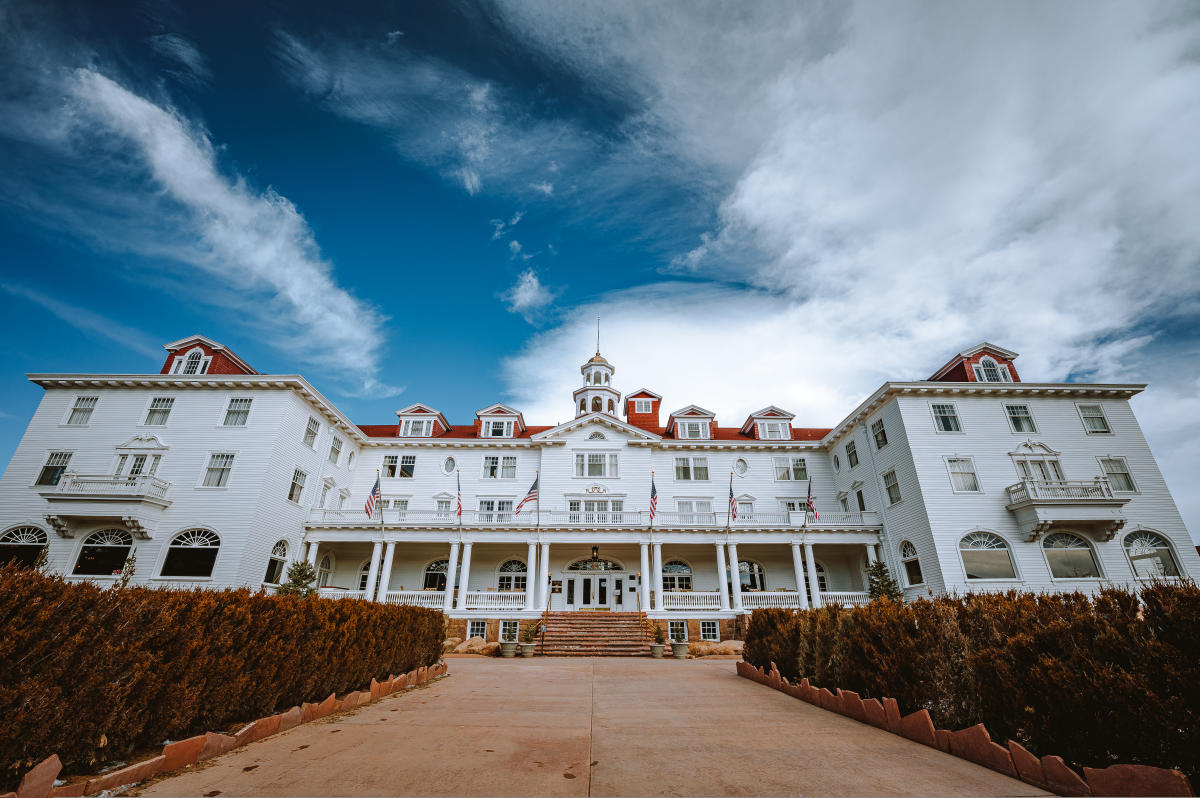
The architectural design of The Stanley Hotel was entrusted to the renowned architect Frank E. Edbrooke, who was known for his work on other grand hotels, including the Brown Palace Hotel in Denver, Colorado. Edbrooke’s design for The Stanley was a masterpiece of Colonial Revival architecture, characterized by its symmetrical facade, prominent portico, and elegant detailing. The hotel was constructed primarily of locally sourced timber and stone, integrating seamlessly with the natural landscape.

A significant engineering feat for its time was the installation of a state-of-the-art electrical system powered by a hydroelectric plant on the Big Thompson River. This was a testament to Stanley’s forward-thinking approach and his commitment to providing modern amenities for his guests. The hotel was designed to be a self-sufficient entity, reflecting Stanley’s innovative mindset. Construction commenced in earnest, with crews working diligently to bring Stanley’s vision to life.
The Inaugural Season: A New Era of Hospitality
The Stanley Hotel officially opened its doors to the public on July 4, 1909. This date marks a pivotal moment in the history of Estes Park, Colorado and in the broader landscape of American hospitality. The grand opening was a significant event, attracting prominent figures and eager travelers alike, all keen to experience the allure of this new mountain resort.
The hotel boasted 160 rooms, each meticulously furnished to exude an atmosphere of refined comfort. Common areas, such as the grand lobby, the music room, and the dining room, were designed to foster social interaction and provide spaces for elegant leisure. The initial offerings included amenities that were considered luxurious for the era, such as private bathrooms (a novelty for many hotels at the time), electric lighting throughout, and a sophisticated telephone system. The opening was met with widespread acclaim, and The Stanley quickly established itself as a premier destination for discerning travelers seeking the ultimate mountain escape.
The Stanley Hotel’s Enduring Legacy and Historical Significance
From its inception, The Stanley Hotel was more than just a place to stay; it was an experience, a destination in itself. Its construction in 1909, driven by a confluence of personal health needs, entrepreneurial vision, and a burgeoning appreciation for the American wilderness, laid the foundation for its enduring legacy.
A Haven for the Elite and a Muse for the Imaginative
In its early years, The Stanley Hotel became a favored retreat for the nation’s elite. Dignitaries, artists, and industrialists flocked to its doors, seeking the tranquility and grandeur it offered. The hotel’s reputation for impeccable service and its stunning natural surroundings ensured its status as a premier resort.
However, it was a particular guest, author Stephen King, whose stay in 1974 would profoundly shape the hotel’s cultural footprint. Experiencing a vivid nightmare during his visit, King drew inspiration for his chilling novella, The Shining. The isolated atmosphere, the imposing architecture, and the subtle sense of unease he perceived within the hotel’s walls coalesced into a narrative that would resonate globally, forever linking The Stanley Hotel with tales of the supernatural and psychological thrill. This literary connection has further cemented its status as a landmark, attracting not only those seeking luxury and history but also those drawn to its reputedly haunted reputation.
Preservation and Modern Relevance
Over the decades, The [Stanley Hotel](https://lifeoutthrown of the box.com/stanley-hotel) has undergone various periods of ownership and renovation, each contributing to its evolution while striving to preserve its historic character. Despite the passage of time and the changing tides of the hospitality industry, the hotel has maintained its core essence. Its commitment to historical accuracy, coupled with modern comforts and amenities, ensures its continued relevance as a cherished destination.
Today, The [Stanley Hotel](https://lifeoutthrown of the box.com/stanley-hotel) stands as a National Historic Landmark, a testament to Freelan Oscar Stanley’s vision and the enduring appeal of grand hotels. It continues to welcome guests from around the world, offering a unique blend of historic charm, breathtaking natural beauty, and a touch of mystique that has captivated imaginations for over a century. The question of “When was The Stanley Hotel built?” leads us not just to a date, but to a narrative of innovation, aspiration, and a timeless dedication to the art of hospitality in one of America’s most inspiring landscapes.
LifeOutOfTheBox is a participant in the Amazon Services LLC Associates Program, an affiliate advertising program designed to provide a means for sites to earn advertising fees by advertising and linking to Amazon.com. Amazon, the Amazon logo, AmazonSupply, and the AmazonSupply logo are trademarks of Amazon.com, Inc. or its affiliates. As an Amazon Associate we earn affiliate commissions from qualifying purchases.