
Arizona, the Grand Canyon State, beckons travelers with its breathtaking landscapes, vibrant cities, and rich cultural heritage. From the red rock wonders of Sedona to the sprawling desert beauty of Phoenix and Tucson, it offers an array of experiences for every type of visitor. However, before you embark on your Arizona adventure, there’s one crucial detail that often catches first-time visitors off guard: the state’s unique approach to time. Unlike most of the United States, Arizona largely opts out of Daylight Saving Time (DST), observing Mountain Standard Time (MST) year-round. Understanding this seemingly small detail is vital for seamless travel planning, ensuring you arrive on time for tours, flights, and check-ins at your chosen accommodations.
This comprehensive guide will unravel the mysteries of Arizona’s time zone, explain its implications for travelers, and provide expert tips on how to navigate this unique system to maximize your enjoyment of all the state has to offer. Whether you’re planning a luxurious resort stay, an adventurous road trip through national parks, or a business trip to one of its bustling urban centers, mastering Arizona’s time will be your first step toward an unforgettable journey.
Understanding Arizona’s Unique Time Zone
The concept of time zones can be confusing enough without exceptions, but Arizona’s particular stance on Daylight Saving Time adds an interesting twist. For decades, the state has maintained a consistent approach, impacting everything from local business operations to the timing of spectacular sunsets over the Sonoran Desert.
A Year-Round Standard: Mountain Standard Time (MST)
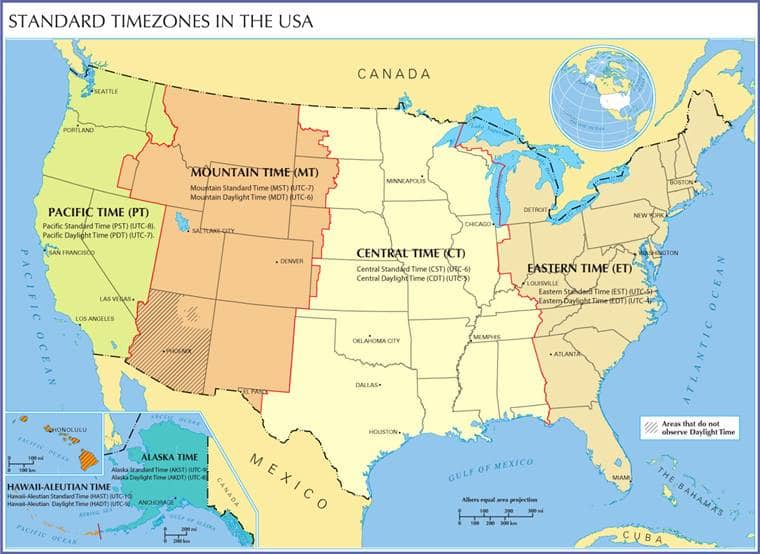
At its core, Arizona operates on Mountain Standard Time (MST). This means it is typically seven hours behind Coordinated Universal Time (UTC-7). While many other states that observe MST shift to Mountain Daylight Time (MDT), which is UTC-6, during the spring and summer months, Arizona remains steadfastly on MST. This consistency means that from March to November, when most of the country “springs forward,” Arizona effectively syncs up with Pacific Daylight Time (PDT), which is UTC-7. When the rest of the country “falls back” in November, Arizona then aligns with MST again, meaning it is one hour ahead of Pacific Standard Time (PST).
This year-round adherence to MST offers a unique rhythm to life in Arizona. Locals enjoy extended daylight into the evenings during the scorching summer months, a practical decision rooted in avoiding the hottest parts of the day for outdoor activities and maximizing cooler evening hours. For visitors, it means fewer adjustments to make once you’re on the ground, but crucial considerations when planning your arrival and coordinating with schedules outside the state.
The Daylight Saving Time Exemption Explained
The decision for Arizona to largely forgo Daylight Saving Time dates back to the 1960s, a period when the United States standardized DST nationwide. The primary reason cited for Arizona’s opt-out was the intense summer heat. Moving the clock forward an hour would mean an extra hour of daylight in the evening, pushing the hottest part of the day even later into the already sweltering desert nights. For a state where summer temperatures frequently exceed 100°F (38°C), extending the evening heat was deemed impractical and undesirable, especially for outdoor workers and those who rely on daylight for activities.
From a lifestyle perspective, this exemption promotes a more relaxed pace during the summer. Families can enjoy cooler evenings at outdoor attractions, and businesses can align their operating hours with natural light cycles in a way that prioritizes comfort. This unique characteristic is not just a logistical quirk; it’s a testament to how the environment shapes daily life and tourism in the Grand Canyon State. Whether you’re planning a family trip or a luxury escape, the consistent time zone simplifies your daily routine once you’ve arrived, but demands careful attention during the initial planning phase, especially when dealing with flights and multi-state itineraries.
Navigating Time Differences for Arizona Travel
Understanding Arizona’s time zone is just the first step; the real challenge and opportunity lie in applying this knowledge to your travel plans. From booking flights to scheduling excursions, every aspect of your journey can be influenced by this unique timekeeping system.
Planning Your Arrival and Departure
The most common point of confusion for travelers is coordinating arrival and departure times, particularly for flights. If you’re flying into Phoenix Sky Harbor International Airport or Tucson International Airport during the summer months (when most of the US is observing DST), remember that Arizona will be on the same time as California and Nevada (Pacific Daylight Time). This means if you’re coming from states like Utah, Colorado, or New Mexico (which observe Mountain Daylight Time), you’ll effectively “gain” an hour when you land in Arizona. Conversely, when departing, you’ll “lose” an hour if flying east.
For road trips, this becomes even more pronounced. Imagine driving from Las Vegas to the Grand Canyon South Rim during summer. Both cities will be on the same time, simplifying your travel. However, if you’re coming from New Mexico or Utah during the same period, you’ll need to adjust your clock by an hour as you cross the state line into Arizona. Always double-check your GPS and flight itineraries, as some systems automatically adjust, while others might not factor in Arizona’s unique status. This meticulous planning ensures a smooth transition to your chosen resort or boutique hotel, whether it’s in a bustling city like Scottsdale or a serene retreat in Sedona.

Synchronizing Your Arizona Itinerary
Once you’re in Arizona, the consistent MST makes planning daily activities much simpler. You won’t have to worry about adjusting clocks mid-trip, which is a blessing for those on tight schedules or families trying to maintain routines. However, external factors still demand attention.
- Tours and Excursions: When booking guided tours, especially those that border other states or involve specific sunrise/sunset timings at landmarks like the Grand Canyon or Monument Valley, always confirm the meeting time in local Arizona time. Many tour operators are adept at communicating this, but a quick confirmation call can prevent a missed excursion. This is particularly relevant for adventure experiences like hot air balloon rides over Sedona or rafting trips down the Colorado River, where punctuality is paramount.
- Dining Reservations: Arizona boasts a phenomenal culinary scene, from upscale fine dining in Scottsdale to authentic Southwestern cuisine in Tucson. When making reservations, remember that the time you book is Arizona time. If you’re coordinating with friends or family arriving from other time zones, ensure everyone is aware of the potential one-hour difference.
- Hotel Check-in/Check-out: Most hotels and resorts, whether they are luxury suites or budget-friendly apartments, operate strictly on local Arizona time. This impacts not just your check-in and check-out, but also scheduled amenities like spa treatments, fitness classes, or shuttle services. Confirm these times upon booking and again upon arrival to avoid any last-minute surprises.
The Navajo Nation Exception
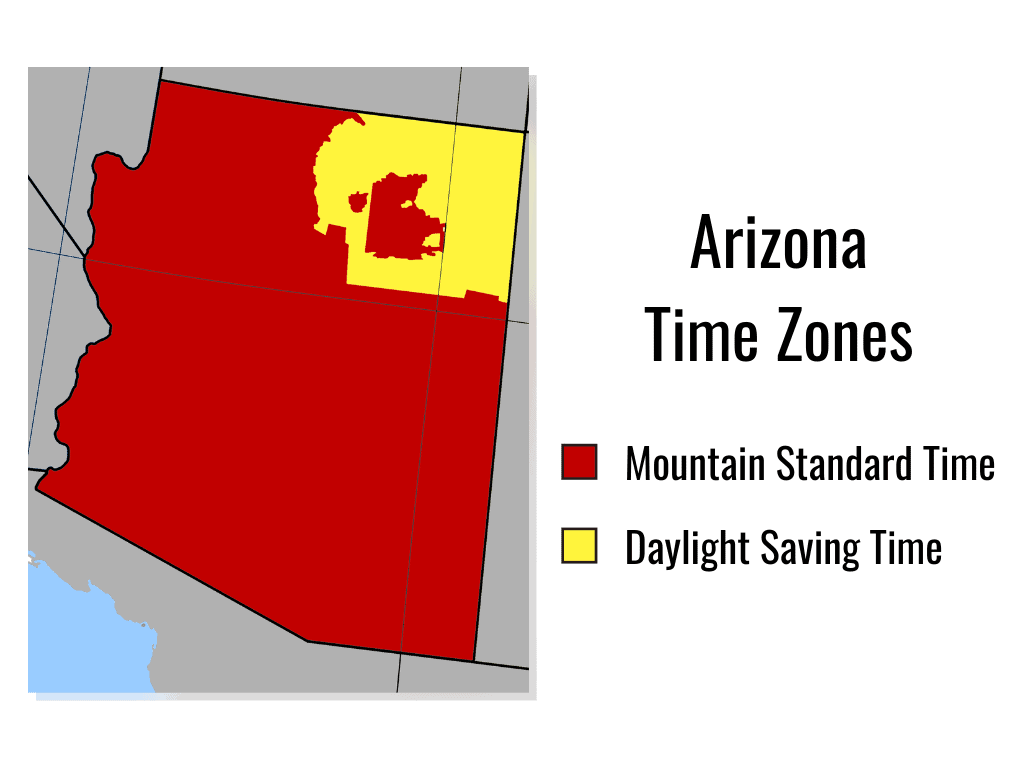
Perhaps the most intriguing aspect of Arizona’s time zone situation is the exception of the Navajo Nation. This vast sovereign territory, spanning parts of northeastern Arizona, New Mexico, and Utah, does observe Daylight Saving Time. This means that for roughly half the year, the Navajo Nation is one hour ahead of the rest of Arizona.
If your travel plans include visiting attractions within the Navajo Nation, such as Monument Valley, Antelope Canyon, or Canyon de Chelly, you must account for this shift. This is particularly important for guided tours, as many of these iconic natural landmarks are on tribal lands and tours operate according to Navajo Nation time. For instance, a tour advertised at 9:00 AM Navajo Nation time would be 8:00 AM Arizona time during DST. This can be a significant point of confusion, so always verify the local time observed at your specific destination within the reservation. This unique cultural and time-keeping detail adds another layer to experiencing the rich local culture and history of Arizona.
Time’s Impact on Arizona’s Premier Destinations and Experiences
Arizona’s time zone, while a logistical detail, subtly influences how visitors interact with its diverse landscapes and vibrant urban centers. From planning the perfect Grand Canyon sunrise to optimizing your stay at a Scottsdale resort, understanding the time flow is key to a fulfilling trip.
From Desert Cities to Mountain Escapes: Time-Sensitive Planning
Arizona’s geography spans towering mountains, vast deserts, and deep canyons, each offering unique experiences. The state’s consistent time zone, especially during DST, plays a role in optimizing visits to these varied destinations.
- Phoenix and Scottsdale: As major metropolitan hubs, these cities buzz with activity. During summer, the extended daylight into the evening allows visitors to enjoy outdoor patios, explore cultural attractions like the Desert Botanical Garden, or hike the city’s urban trails (like Camelback Mountain) during cooler late afternoon or early morning hours. Business travelers will find fewer internal time shifts to contend with, simplifying meeting schedules. For those interested in luxury travel, evening events and fine dining reservations can be scheduled later, taking full advantage of the consistent time.
- Tucson: South of Phoenix, Tucson offers a blend of desert beauty and historical charm. Visiting Saguaro National Park for a sunrise or sunset hike is a must. Knowing Arizona’s consistent time makes it easier to predict these magical moments without worrying about DST adjustments. It also helps in planning visits to attractions like the Arizona-Sonora Desert Museum or historical sites, ensuring you don’t miss opening or closing times.
- Sedona: Famous for its red rock formations and spiritual vortexes, Sedona is a haven for outdoor enthusiasts and wellness seekers. The year-round MST simplifies planning for hiking, mountain biking, or stargazing tours, allowing for consistent scheduling regardless of the season. Early morning hikes to iconic spots like Airport Mesa for sunrise are straightforward, as you only need to contend with one time zone.
- Flagstaff and Northern Arizona: As the gateway to the Grand Canyon and surrounded by pine forests, Flagstaff offers a cooler escape. When traveling to the Grand Canyon, remember that it observes Arizona’s MST. This means if you’re coming from the Navajo Nation during DST, you’ll effectively fall back an hour as you enter the park. For budget travelers planning a road trip along parts of Route 66, consistent time across most of the state helps maintain a steady itinerary.
Accommodation and Amenities: Booking and Beyond
The consistent time zone also simplifies managing your accommodations, from initial booking to daily use of hotel amenities.
- Booking and Comparison: When comparing hotel prices or booking a long-term stay, the lack of DST simplifies date calculations. Whether you’re reserving a luxurious suite at the Arizona Biltmore, A Waldorf Astoria Resort or a vacation rental apartment, the dates and times for check-in/out and specific packages will consistently refer to MST. This also helps when looking for deals during off-peak seasons, as the time doesn’t shift unexpectedly.
- Resort Experiences: Many Arizona resorts, especially in Scottsdale and Sedona, offer extensive amenities: spa treatments, golf tee times, guided activities, and dining. All these are scheduled in MST, providing a stable framework for your relaxation and entertainment. For example, a morning yoga session at the Sanctuary Camelback Mountain, A Gurney’s Resort & Spa will always be at the same local time, regardless of the season.
- Business Stays: For business travelers, the predictable time zone means fewer logistical headaches when coordinating meetings with colleagues both within and outside Arizona. While still needing to account for external time shifts, internal Arizona operations remain consistent. This facilitates smoother scheduling for conferences, corporate retreats, and client engagements in cities like Mesa, Tempe, or Glendale.
Embracing Arizona’s Lifestyle: Leisure and Business
Arizona’s consistent time contributes to a unique lifestyle that travelers can easily adopt, whether for leisure or business.
- Family Trips: For families traveling with young children, maintaining consistent sleep schedules is crucial. Arizona’s steady time zone eliminates the need for children to adjust to an extra hour during spring or fall, making family trips smoother and reducing potential jet lag, particularly for those arriving from adjacent time zones.
- Luxury and Budget Travel: Whether your travel style leans towards luxury or budget, the consistent time zone offers benefits. Luxury travelers can enjoy seamless scheduling of bespoke experiences, private tours, and exclusive dining. Budget travelers can more easily plan their daily activities, maximizing daylight for sightseeing without unexpected time shifts cutting into their plans.
- Outdoor Activities: Arizona is an outdoor paradise. The year-round MST allows for reliable planning of hikes, bike rides, kayaking on Lake Mead, or exploring historical sites like the Montezuma Castle National Monument. Sunrise and sunset times are predictable, making it easier to capture those iconic photographs or simply enjoy the natural beauty at the perfect moment.
Practical Tips for a Seamless Arizona Adventure
Navigating Arizona’s unique time zone doesn’t have to be complicated. With a few practical tips, you can ensure your trip is as smooth and enjoyable as possible, allowing you to focus on the incredible experiences the state has to offer.
- Always Confirm Local Time: When booking flights, accommodations, tours, or dining reservations, always confirm that the times provided are for “Arizona Time” or “MST.” If the booking is made from outside Arizona during DST, be particularly vigilant about the one-hour difference.
- Utilize World Clock Apps: Keep a world clock app on your smartphone that allows you to track both your home time zone and Arizona’s time. This is especially helpful if you’re frequently communicating with people in other states or planning activities that bridge time zones.
- Be Mindful of State Borders: When driving into Arizona from neighboring states like California, Nevada, Utah, or New Mexico, remember how their DST observance (or lack thereof for the Navajo Nation) might differ from the rest of Arizona. Check signage, local clocks, or your GPS carefully.
- Account for the Navajo Nation: If your itinerary includes destinations within the Navajo Nation (e.g., Monument Valley, Antelope Canyon), be extra diligent. During Daylight Saving Time, the Navajo Nation will be one hour ahead of Arizona. This is a critical detail for tour departure times and appointments.
- Adjust Your Internal Clock Gradually: For those sensitive to time changes, try to adjust your sleep schedule gradually a day or two before your trip, especially if you’re traveling east into Arizona during DST, where you effectively “gain” an hour relative to states observing MDT.
- Embrace the Extended Evenings: During the summer, Arizona’s consistent MST means longer daylight into the evening. Plan outdoor activities, enjoy resort amenities, or dine al fresco during these extended hours when the sun is lower and temperatures are (relatively) cooler.
- Communicate Clearly: If you’re traveling with a group or meeting up with others, make sure everyone is aware of Arizona’s time zone situation to avoid misunderstandings and missed connections.
In conclusion, while the question “What Time Is In Arizona?” might seem simple, its answer reveals a fascinating aspect of the state’s identity and provides crucial insights for any traveler. By understanding Arizona’s year-round observance of Mountain Standard Time (MST) and its unique exceptions, particularly concerning the Navajo Nation, you can ensure your journey through this magnificent state is as smooth, enjoyable, and unforgettable as the landscapes themselves. From the moment you book your accommodation to the final sunset you witness, let a clear understanding of Arizona’s time guide your adventure.
LifeOutOfTheBox is a participant in the Amazon Services LLC Associates Program, an affiliate advertising program designed to provide a means for sites to earn advertising fees by advertising and linking to Amazon.com. Amazon, the Amazon logo, AmazonSupply, and the AmazonSupply logo are trademarks of Amazon.com, Inc. or its affiliates. As an Amazon Associate we earn affiliate commissions from qualifying purchases.