
The architectural silhouette of New York City is defined not just by its office towers and residential skyscrapers, but by one of the most dense and diverse collections of hospitality properties in the United States. For travelers, investors, and urban planners, the question of how many hotels are currently operating in the five boroughs is a moving target. As of recent industry reports, New York City boasts approximately 700 to 800 hotels, offering a staggering inventory of over 125,000 to 135,000 rooms. This inventory encompasses everything from historic grand dames to hyper-modern boutique hotels, reflecting the city’s status as a global epicenter for commerce and leisure.
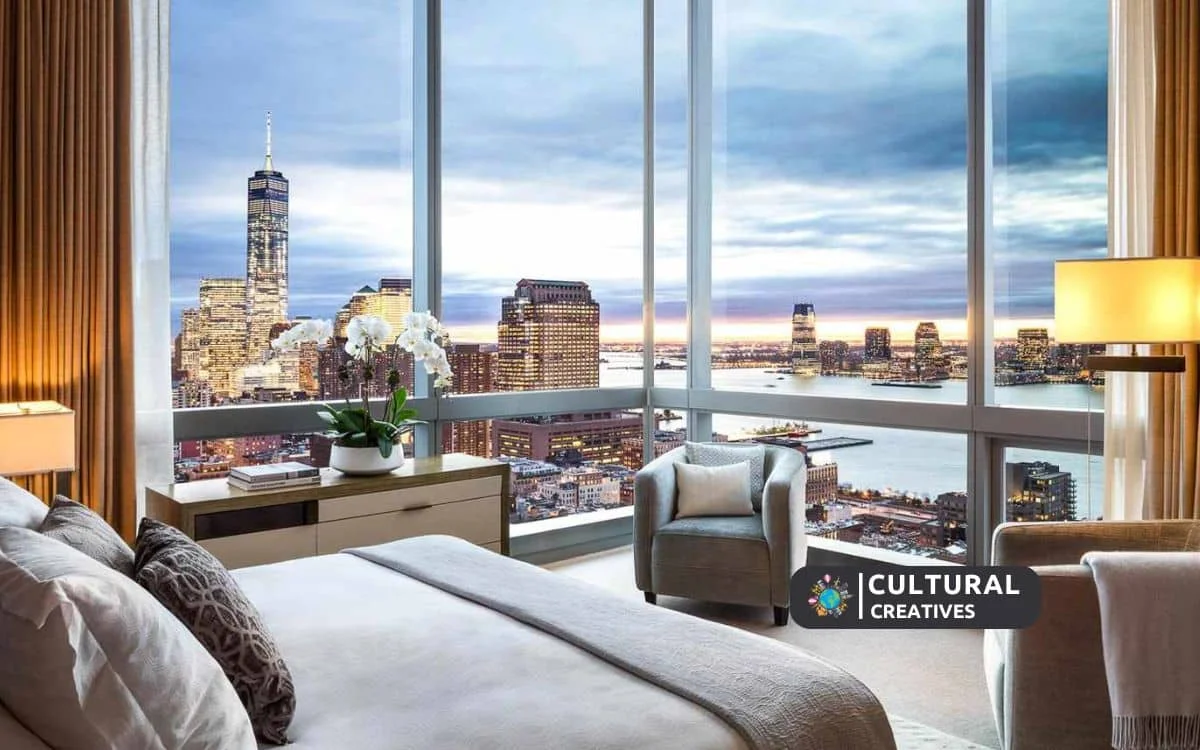
The Current Landscape of New York City Hotels
Understanding the sheer scale of the hotel market in New York City requires looking beyond a single number. The distribution of these properties is heavily concentrated, yet increasingly diverse in geography. While the majority of the room supply remains anchored in the heart of the city, recent years have seen a significant expansion into outer boroughs and emerging neighborhoods.
Manhattan’s Dominance in the Market
Manhattan remains the undisputed king of the hotel industry in New York City. Nearly 80% of the city’s total hotel rooms are located on this island. Within Manhattan, the density is highest in Midtown Manhattan, particularly around Times Square and the Theater District. Here, massive properties like the New York Marriott Marquis and the Hilton New York Midtown provide thousands of rooms to cater to the influx of tourists and business professionals.
The luxury sector is particularly concentrated around Central Park and along Fifth Avenue. This area is home to legendary establishments such as The Plaza Hotel and The St. Regis New York, which offer some of the most expensive suites in the world. Further south, neighborhoods like Chelsea and the Meatpacking District have seen a surge in lifestyle and boutique hotels, catering to a younger, design-conscious demographic.
The Rise of Brooklyn and Queens
While Manhattan holds the volume, Brooklyn and Queens have experienced the fastest growth rates in hotel development over the last decade. In Brooklyn, the waterfront neighborhoods of Williamsburg and Dumbo have become hubs for luxury boutique stays. 1 Hotel Brooklyn Bridge and The William Vale have redefined the outer-borough experience, offering high-end amenities and rooftop views that rival those in Midtown Manhattan.
Queens serves a dual purpose in the hotel market. Neighborhoods like Long Island City offer a “relief valve” for Manhattan, providing more affordable rooms with quick subway access to the city center. Simultaneously, the areas surrounding JFK Airport and LaGuardia Airport host a massive inventory of transit-oriented hotels. A standout in this category is the TWA Hotel, which transformed the historic Eero Saarinen terminal into a world-class resort experience right on the tarmac.
Iconic Luxury Hotels and Five-Star Resorts
When discussing how many hotels are in New York City, the conversation often shifts from quantity to quality. The city is a flagship market for nearly every major luxury hotel brand on the planet. These properties are not just places to sleep; they are destinations featuring Michelin-starred dining, opulent spas, and historic architecture.
Defining Luxury in Midtown and the Upper East Side
The high-end market is anchored by names that are synonymous with global prestige. The Ritz-Carlton New York Central Park and Mandarin Oriental New York offer guests panoramic views of the park and the skyline. These hotels prioritize bespoke service and high-tech amenities, often featuring expansive presidential suites that occupy entire floors.
In the Upper East Side, the atmosphere is more residential and discreet. The Carlyle, A Rosewood Hotel and The Pierre have hosted royalty, heads of state, and celebrities for decades. These hotels are famous for their timeless elegance and their ability to maintain a sense of Old World New York City charm amidst the modern bustle.
Modern Elegance and New Developments
The luxury landscape is constantly evolving with new openings that push the boundaries of design and service. Aman New York, located in the Crown Building, has set a new benchmark for ultra-luxury in the city, offering some of the most exclusive and expensive suites available. Similarly, the Baccarat Hotel New York combines French craftsmanship with Manhattan energy, featuring thousands of crystal elements throughout the property.
In Hudson Yards, the Equinox Hotel Hudson Yards has introduced a wellness-centric luxury model. This resort-style hotel focuses on “high-performance” travel, integrating fitness, sleep science, and nutrition into the guest experience. Such developments show that even with hundreds of existing hotels, there is always room for a new concept that captures the market’s imagination.
Boutique Hotels and Specialized Accommodations

Beyond the massive brands like Marriott International and Hilton Worldwide, a significant portion of New York City’s hotel count is comprised of boutique and independent properties. These hotels often emphasize local culture, art, and unique design, providing an alternative to the standardized luxury of larger chains.
Neighborhood-Centric Stays
Boutique hotels often act as anchors for their neighborhoods. In SoHo, the Crosby Street Hotel offers a vibrant, eclectic aesthetic that reflects the artistic history of the area. In Tribeca, The Greenwich Hotel, owned by Robert De Niro, provides a rustic, handmade feel that stands in stark contrast to the glass towers of Financial District.
The Lower East Side has also seen a boom in boutique inventory. The Ludlow Hotel and Public Hotel cater to a trendy crowd, focusing on social spaces, rooftop bars, and “affordable luxury” concepts. These properties contribute to the city’s reputation as a leader in hospitality innovation.
Suite-Style and Long-Term Accommodations
For travelers staying longer or moving with families, New York City offers a variety of apartment-style hotels and residential suites. Properties like The Beekman, A Thompson Hotel or Conrad New York Downtown provide larger floor plans and kitchenette facilities. This sector is crucial for the business market, where executives may need a “home base” for weeks at a time while working near Wall Street or Midtown Manhattan.
Understanding Inventory and Regulation
The number of hotels in New York City is not just a result of market demand, but also of complex local regulations. In recent years, the city has implemented strict rules regarding short-term rentals, which has fundamentally changed the accommodation landscape.
The Impact of Local Law 18
The implementation of Local Law 18, also known as the Short-Term Rental Registration Law, has significantly limited the ability of platforms like Airbnb to operate in the city. This regulation requires hosts to be permanent residents of the unit they are renting and to stay in the unit with the guest. As a result, thousands of short-term rental listings disappeared overnight. This shift has driven more travelers back toward traditional hotels, sustaining high occupancy rates across the city’s 700+ properties despite fluctuating economic conditions.
Hotel Special Permit Requirements
Furthermore, the city introduced a requirement for a “special permit” for all new hotel constructions. This legislative move was designed to give the city more control over where hotels are built and to ensure they do not negatively impact the availability of housing. While this has slowed the breakneck speed of new hotel openings seen in the 2010s, it has also ensured that the existing inventory remains highly valuable and that new projects are more carefully integrated into the fabric of New York City neighborhoods.
Future Trends in the New York City Hotel Industry
Despite the challenges of regulation and the costs of real estate, the New York City hotel market continues to grow. Developers are increasingly looking toward the outer boroughs and the “edges” of Manhattan for new opportunities.
Upcoming Developments and Sustainable Stays
The future will likely see an increase in sustainable and “green” hotels. Properties like the 1 Hotel Central Park have already paved the way with reclaimed materials and energy-efficient systems. As the city pushes toward its climate goals, new hotel constructions are expected to follow suit, prioritizing LEED certification and eco-friendly amenities.
Additionally, the trend of “dual-branded” hotels is on the rise. These are single buildings that house two different hotel brands—often one midscale and one upscale—sharing back-of-house operations while offering different price points to consumers. Examples can be found in Hudson Yards and Financial District, allowing developers to capture a wider range of the market within a single footprint.
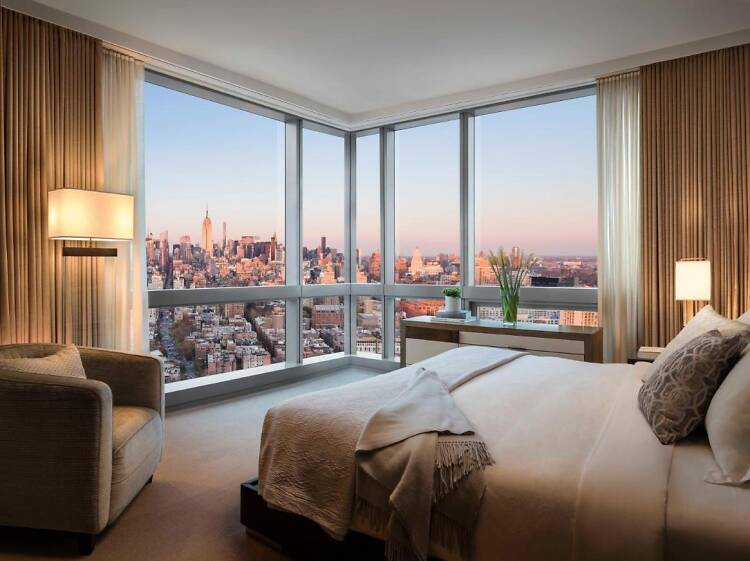
The Ever-Changing Count
In a city as dynamic as New York City, the exact number of hotels changes almost monthly. Hotels close for renovations, others are converted into residential units, and new towers rise to take their place. However, the core identity of the city’s hospitality sector remains constant: it is a high-stakes, high-reward market that demands excellence. Whether you are looking for a view of the Empire State Building from a luxury penthouse or a quiet boutique room in Brooklyn, the hundreds of hotels in New York City provide a spectrum of choice that few other cities in the world can match.
From the historic corridors of The Waldorf Astoria New York—currently undergoing a massive restoration—to the sleek modernism of The Whitby Hotel, the hotel industry is the lifeblood of the city’s tourism and business infrastructure. As the city continues to evolve, its hotel inventory will undoubtedly continue to expand, adapt, and set the global standard for what it means to host the world.
LifeOutOfTheBox is a participant in the Amazon Services LLC Associates Program, an affiliate advertising program designed to provide a means for sites to earn advertising fees by advertising and linking to Amazon.com. Amazon, the Amazon logo, AmazonSupply, and the AmazonSupply logo are trademarks of Amazon.com, Inc. or its affiliates. As an Amazon Associate we earn affiliate commissions from qualifying purchases.