
Navigating the sun-drenched landscapes of Florida often involves a desire to explore its diverse cities and attractions. For many, the question arises: “How far is St. Augustine from Miami?” This inquiry is more than just about mileage; it’s about planning an efficient and enjoyable journey between two iconic Floridian destinations, each offering a distinct slice of the Sunshine State’s charm. St. Augustine, the nation’s oldest continuously inhabited European-established settlement, beckons with its rich history and cobblestone streets, while Miami pulses with a vibrant energy, world-class beaches, and a cosmopolitan flair. Understanding the distance and the best ways to traverse it is key to unlocking a seamless travel experience.

Understanding the Distance: A Geographical Overview
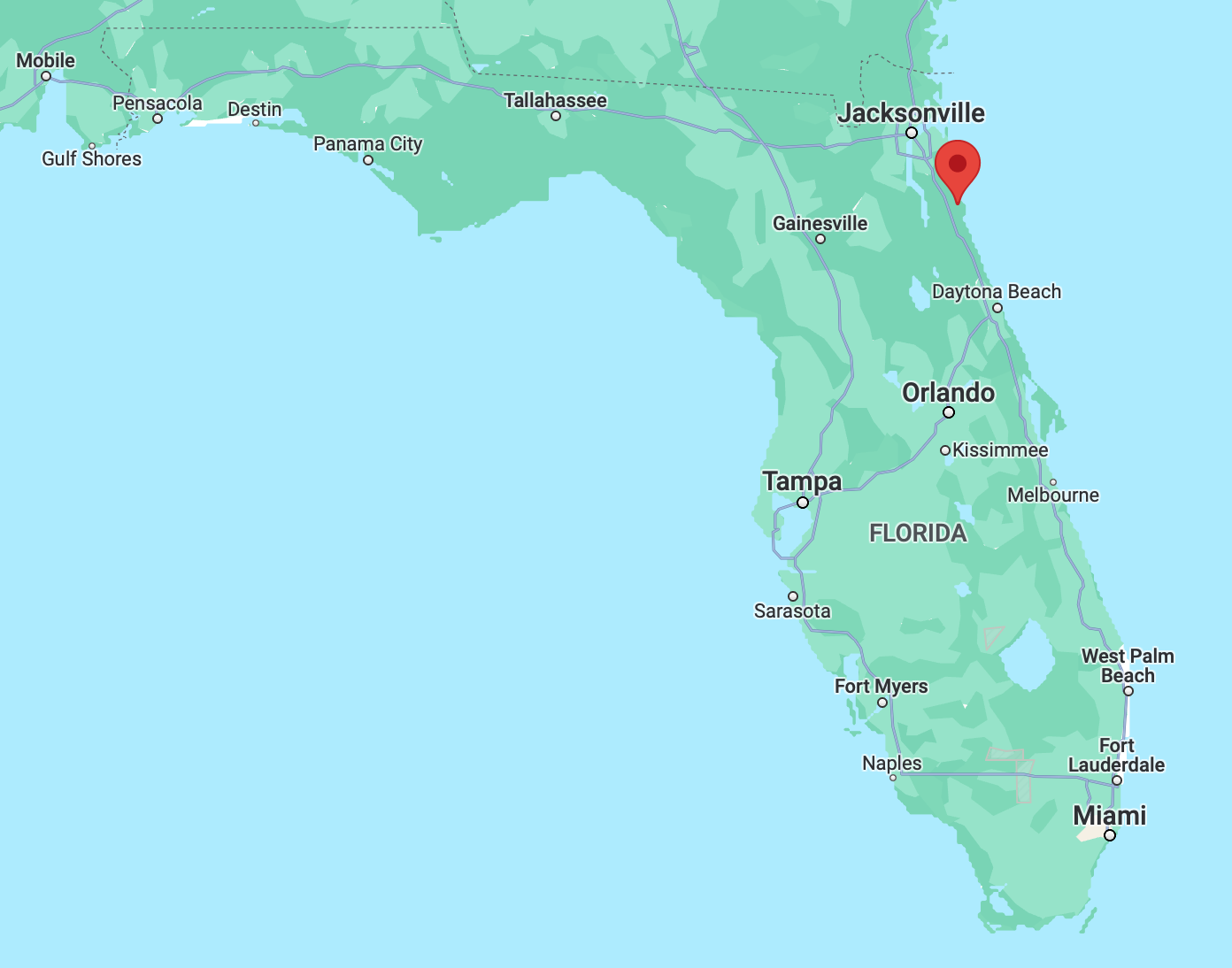
The journey from St. Augustine to Miami spans a significant portion of Florida’s eastern coastline. Geographically, these two cities are separated by approximately 300 miles (around 480 kilometers) of roadway. This distance, while substantial, is well within the realm of a manageable road trip, a domestic flight, or even a lengthy but scenic bus journey. The most common mode of transport for this route is by car, offering the flexibility to stop and explore along the way.
Driving Distances and Time Estimates
The primary route connecting St. Augustine and Miami is typically via Florida’s Turnpike or Interstate 95 (I-95) South.
-
Via Florida’s Turnpike: This route is often considered the most direct and efficient for drivers. It’s a toll road for much of its length, which can speed up travel by minimizing traffic lights and congestion. The estimated driving time is generally between 4.5 to 5 hours, depending heavily on traffic conditions, particularly as you approach the Miami metropolitan area. The total mileage is around 305 miles.
-
Via Interstate 95 (I-95) South: This is another primary artery, though it can sometimes be subject to more local traffic and potential delays. The mileage is slightly longer, often around 310 miles, and the driving time can be comparable to the Turnpike, or slightly longer, typically in the 4.5 to 5.5-hour range, again, highly dependent on real-time traffic and construction.
It is crucial to factor in potential traffic, especially during peak hours, holidays, or weekends. Florida is a popular tourist destination, and its major roadways can become heavily congested. Utilizing real-time navigation apps is highly recommended to get the most accurate travel time estimates on the day of your journey.
Alternative Travel Options: Flights and Buses
While driving is a popular choice, other transportation methods can also bridge the gap between St. Augustine and Miami.
-
Flights: For those looking to save time, flying is an option, though it requires factoring in travel to and from airports, security procedures, and flight times. The nearest major airport to St. Augustine is Jacksonville International Airport (JAX), approximately 45 minutes to an hour north. Miami is served by several airports, including Miami International Airport (MIA) and Fort Lauderdale–Hollywood International Airport (FLL), which is often more convenient for those staying in northern Miami-Dade County or northern Broward County. Direct flights between Jacksonville and Miami are available, with flight times typically around 1 hour and 15 minutes. Including travel to/from airports and waiting times, the total journey can still be several hours, but it eliminates the need for extended driving.
-
Bus Services: Companies like Greyhound and others offer intercity bus services. These are generally the most budget-friendly option but also the most time-consuming. Bus journeys can take anywhere from 6 to 8 hours, or even more, depending on the number of stops and the specific route. This option is best suited for travelers who are not on a tight schedule and prioritize cost savings.
Planning Your Journey: Routes and Stops of Interest
The 300-mile journey from St. Augustine to Miami presents an excellent opportunity for a road trip, allowing travelers to experience the diverse landscapes and attractions that Florida has to offer. Whether you choose the speed of the Turnpike or the familiarity of I-95, there are several potential detours and points of interest that can enrich the travel experience.
Exploring Along I-95 South
If you opt for I-95 South, you’ll traverse through various regions of Florida, passing by cities and natural areas that might warrant a stop.
-
Daytona Beach: Located about an hour south of St. Augustine, Daytona Beach is famous for its wide, sandy beaches that allow driving and its iconic Daytona International Speedway. It’s a popular spot for a quick break or a longer stay to enjoy the ocean.
-
Orlando Area: While not directly on I-95, a detour inland towards Orlando is a possibility, though it adds significant time. If world-famous theme parks like Walt Disney World or Universal Orlando Resort are on your agenda, this would require a dedicated excursion. For a more direct route, you would bypass the Orlando metropolitan area.
-
Fort Pierce / Port St. Lucie: Further south, these Treasure Coast cities offer a more relaxed atmosphere. Fort Pierce is known for its beautiful beaches and the National Navy SEAL Museum.
-
West Palm Beach: This city provides a glimpse into South Florida’s upscale coastal lifestyle. Attractions include the Norton Museum of Art and the vibrant downtown area.
Scenic Detours via Florida’s Turnpike
Choosing Florida’s Turnpike South from St. Augustine typically involves heading west slightly to connect with it. This route offers its own set of potential stops and advantages.

-
Central Florida Attractions: The Turnpike passes through areas closer to attractions like Lake Okeechobee, the largest freshwater lake in Florida. It also provides access to smaller towns with a more rural charm.
-
Fort Lauderdale Area: As you approach Miami, the Turnpike offers convenient access to Fort Lauderdale, known for its canals, beaches, and the popular Las Olas Boulevard. This can be a great place to stop for lunch or a brief exploration before completing the final leg to Miami.
Considerations for the Drive
Regardless of the route chosen, several factors are important to consider for a smooth drive:
-
Tolls: Both I-95 (in certain sections) and Florida’s Turnpike involve tolls. Ensure you have a SunPass transponder or are prepared to pay cash or online for toll charges to avoid potential fines.
-
Gas and Refreshments: While major highways in Florida have ample gas stations and service plazas, it’s always wise to keep your fuel tank at a comfortable level, especially when driving longer distances.
-
Traffic Patterns: Miami traffic can be notoriously heavy. Planning your arrival time to avoid the busiest commuting hours (typically 7-9 AM and 4-7 PM on weekdays) can significantly improve your experience.
Arriving in Miami: Navigating the Metropolitan Area
Once you are within striking distance of Miami, the experience shifts from open road travel to navigating a bustling metropolitan area. The sheer size and distinct neighborhoods of Miami mean that “how far” is also influenced by your final destination within the greater Miami area.
Destination Specifics within Miami
Miami is not a single point but a sprawling region encompassing various cities and communities, each with its own character and distance from the highway entrance points.
-
Miami Beach: Famous for its Art Deco architecture, vibrant nightlife, and iconic beaches, Miami Beach is a distinct island city separated from the mainland by Biscayne Bay. Reaching Miami Beach from the Turnpike or I-95 will involve crossing causeways, which can sometimes experience congestion. The additional travel time from the edge of the city can be 20-40 minutes or more, depending on traffic.
-
South Beach: A sub-neighborhood of Miami Beach, South Beach is often the ultimate destination for many visitors seeking the quintessential Miami experience.
-
Downtown Miami and Brickell: These are the financial and cultural heartbeats of the city, characterized by soaring skyscrapers, upscale dining, and entertainment venues. Accessing these areas is generally straightforward from the main highways, but urban driving conditions will apply.
-
Aventura, Hallandale Beach, and Hollywood: Located in the northern part of Miami-Dade County, these areas are often among the first you encounter when driving south from Fort Lauderdale or the last you pass before entering the core of Miami. They offer a mix of residential areas, shopping centers like Aventura Mall, and beaches.
Local Navigation and Parking
Within Miami, navigation requires awareness of local road layouts, one-way streets in areas like South Beach, and traffic signals. Parking can also be a significant consideration. In popular areas, parking garages and metered street parking are available, but they can be expensive and fill up quickly. Many hotels offer valet or self-parking for a fee. For those staying longer, researching parking options in advance is advisable. Ride-sharing services are widely available and can be a convenient alternative to driving and parking in congested areas.
The Traveler’s Perspective: Why Make the Journey?
The distance between St. Augustine and Miami is not merely a number; it represents a transition between two fundamentally different, yet equally compelling, facets of Florida. Travelers choose to traverse this distance for a multitude of reasons, seeking to experience the unique offerings of each destination.
Contrasting Experiences: History vs. Modernity
-
St. Augustine: This northern Florida city is a living museum. Visitors come to walk the ancient streets, explore the formidable Castillo de San Marcos National Monument, and immerse themselves in over 450 years of history. The pace here is generally more relaxed, focused on colonial architecture, maritime heritage, and a quaint, old-world charm. It’s a destination for those who appreciate historical depth and a less frenetic atmosphere.
-
Miami: In stark contrast, Miami is a global city renowned for its vibrant arts scene, pulsating nightlife, diverse culinary landscape influenced by Latin American and Caribbean cultures, and its world-famous beaches. It’s a place to see and be seen, to indulge in luxury, and to experience the dynamic energy of a modern, multicultural metropolis. The draw here is contemporary culture, fashion, entertainment, and the allure of a tropical paradise.
Combining the Best of Florida
For many travelers, the journey from St. Augustine to Miami is part of a larger Florida itinerary. This allows them to experience the state’s rich historical tapestry alongside its modern, cosmopolitan allure. One might start their trip by delving into the oldest parts of America in St. Augustine and then drive south to bask in the sun-drenched, energetic atmosphere of Miami. This juxtaposition provides a comprehensive understanding of Florida’s evolution and its diverse appeal. Whether you are a history buff, a beach lover, a food enthusiast, or an art aficionado, the approximately 300-mile stretch between these two iconic cities offers a journey worth planning.
LifeOutOfTheBox is a participant in the Amazon Services LLC Associates Program, an affiliate advertising program designed to provide a means for sites to earn advertising fees by advertising and linking to Amazon.com. Amazon, the Amazon logo, AmazonSupply, and the AmazonSupply logo are trademarks of Amazon.com, Inc. or its affiliates. As an Amazon Associate we earn affiliate commissions from qualifying purchases.