
The hospitality industry thrives on the invisible efforts of those who ensure our temporary homes are pristine, comfortable, and welcoming. Within the ecosystem of high-end Hotels and sprawling Resorts, the housekeeping staff represents the backbone of the guest experience. While travelers often remember to tip the bellhop who carries their luggage or the valet who retrieves their car, the room attendant—the individual responsible for sanitizing the bathroom, refreshing the linens, and vacuuming the floors—is frequently overlooked. Understanding the nuances of how much to tip a hotel housekeeper is not merely a matter of etiquette; it is an acknowledgement of the physical labor and dedication required to maintain the standards of establishments from the United States to Europe.

The Vital Role of Housekeeping in the Hotel Experience
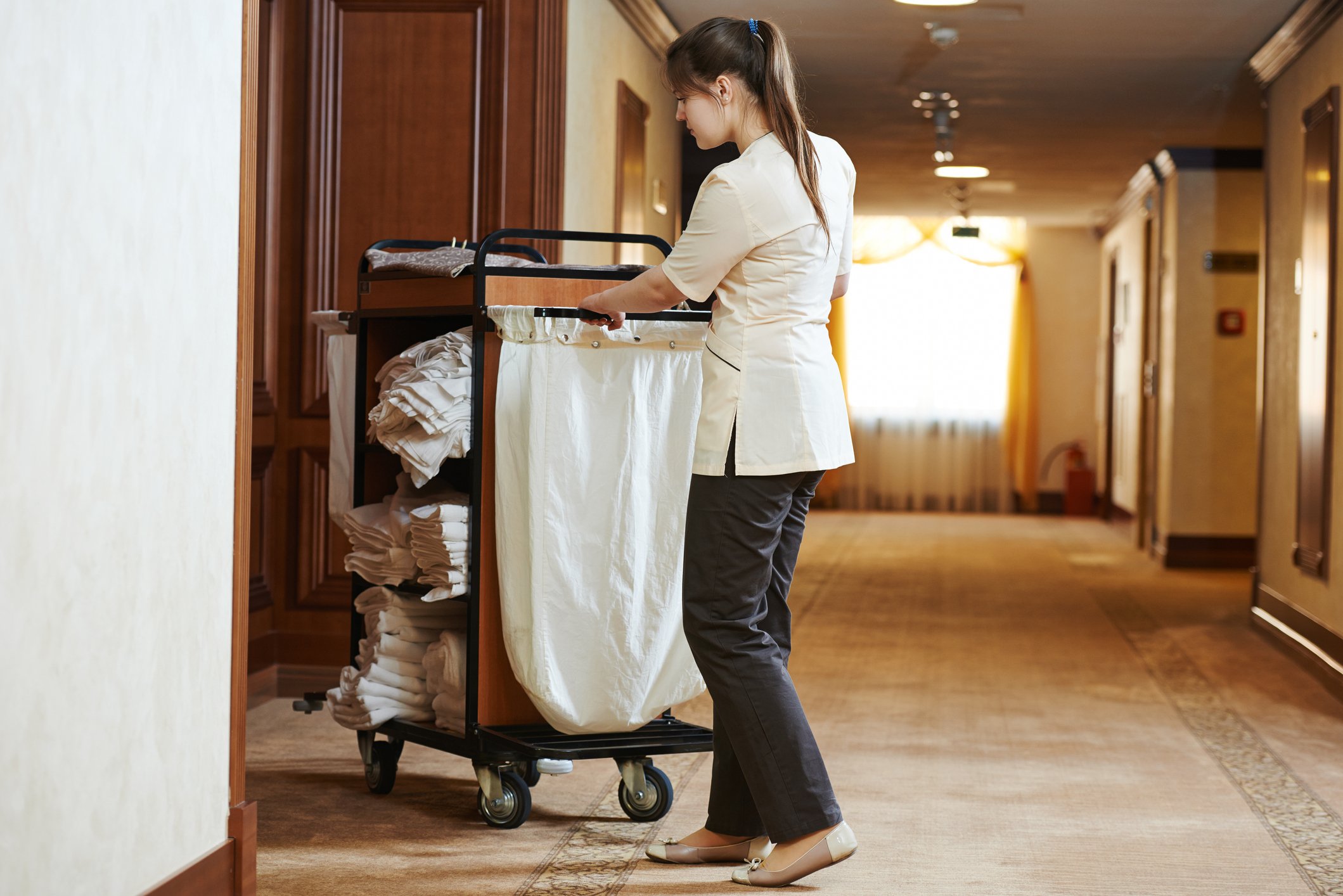
Housekeeping is often described as the “silent service.” A guest should ideally never see the work being done, but they should certainly feel its presence through the crispness of the sheets and the absence of dust. In major metropolitan hubs like New York City or London, a single housekeeper may be responsible for cleaning 15 to 20 rooms in a single shift. This involves stripping beds, lifting heavy mattresses, scrubbing tubs, and restocking amenities, often under tight time constraints.
The Physical Demands of the Job
The labor involved in maintaining a suite at a property like The Ritz-Carlton or the Waldorf Astoria is significant. Housekeepers are prone to repetitive motion injuries and physical exhaustion. In a luxury setting, the attention to detail is even more demanding, requiring the staff to arrange toiletries perfectly, fold towels into intricate shapes, and ensure that every surface is streak-free. Gratuities serve as a vital supplement to wages, which, despite being regulated in many regions, often remain at the lower end of the pay scale in the service industry.
Why Housekeeping Tipping Differs from Other Services
Unlike a server at a restaurant in Los Angeles who interacts with you throughout your meal, a housekeeper performs their duties while you are out exploring the Eiffel Tower or attending meetings in Chicago. This lack of face-to-face interaction often leads to “out of sight, out of mind” syndrome. However, the impact of their work is arguably more intimate than any other hotel service, as they handle your personal space and belongings.
General Tipping Guidelines for Different Hotel Tiers
The amount you should leave for housekeeping varies based on the type of accommodation and the level of service provided. While there is no universal law, certain standards have emerged within the industry to guide travelers.
Tipping in Luxury Hotels and Resorts
When staying at a five-star establishment such as the Four Seasons or the Burj Al Arab in Dubai, the expectations are higher. In these settings, it is customary to tip between $5 and $10 per night. This reflects the increased level of detail, such as turndown service, the replenishment of high-end amenities, and the handling of delicate surfaces. If you have requested additional pillows, extra towels, or if the staff has navigated around a significant amount of personal luggage, leaning toward the higher end of the scale is appropriate.
Mid-Range and Business Hotels
For standard stays at a Marriott, Hilton, or Hyatt, a tip of $3 to $5 per night is considered the industry standard in North America. These hotels often cater to business travelers who may have less complex needs but still rely on a clean environment to work and rest. Even in a Holiday Inn, where services might be more streamlined, a small token of appreciation is highly valued.
Budget Accommodations and Long-Term Stays
In budget-friendly motels or long-term stay apartments, $2 to $3 per night is acceptable. If you are staying for an extended period, such as a month in a corporate suite in San Francisco, you might choose to tip a larger lump sum weekly or at the end of the stay. However, daily tipping is always preferred, which leads us to the logistical best practices of hotel etiquette.
The Logistics: When, Where, and How to Tip
How you deliver the tip is just as important as the amount itself. Following proper protocol ensures that the money reaches the intended recipient and is clearly identified as a gratuity rather than forgotten cash.

The Importance of Daily Tipping
A common mistake among travelers in Miami or Las Vegas is leaving a large tip at the end of a week-long stay. The primary issue with this approach is that hotel staff work on rotating schedules. The person who cleaned your room on Monday and Tuesday may be off on Friday when you check out. By tipping daily, you ensure that every individual who contributed to your comfort is compensated fairly. Furthermore, a daily tip often leads to better service throughout your stay, as the staff recognizes your generosity early on.
Placement and Labeling
Never leave cash on a nightstand or desk without a note. Housekeepers are strictly trained not to touch a guest’s money unless it is clearly intended for them. In some Hotels, such as the Grand Hyatt Hotel, rooms are equipped with small envelopes specifically for housekeeping tips. If an envelope is not provided, use the hotel notepad to write a quick “Thank you” and place the cash on top. This removes any ambiguity and allows the staff to collect the tip with confidence.
Tipping in Local Currency
If you are traveling internationally to Mexico or Thailand, always try to tip in the local currency. While the United States dollar is widely accepted in many tourist zones, it requires the housekeeper to visit a bank or currency exchange to use it, which adds an unnecessary burden to their day. Having small bills in the local currency—whether it be Euros in France or Yen in Japan—is the most respectful approach.
Global Tipping Etiquette: Navigating International Norms
Tipping culture is not a monolith; it varies drastically across the globe. What is considered standard in Canada may be seen as confusing or even offensive in other parts of the world.
The United States and Canada
In North America, tipping is deeply ingrained in the service economy. In cities like Toronto or Chicago, it is expected. Most housekeepers rely on these tips as a significant portion of their take-home pay. Here, the $3 to $5 rule is a firm baseline.
Europe and the United Kingdom
In Europe, particularly in Italy, Germany, and the United Kingdom, tipping is appreciated but often less formal than in the United States. In London or Paris, many hotels include a service charge in the bill, but this rarely goes directly to the cleaning staff. Leaving 2 to 5 Euros or Pounds per night is a generous gesture that is widely welcomed.
Asia and the Pacific
The approach in Asia is perhaps the most nuanced. In Japan, tipping is generally not part of the culture and can sometimes be refused or cause slight embarrassment. Excellent service is considered a standard of the job. However, in high-end international chains in Tokyo, a small gift or a tip placed in a traditional “pochibukuro” (small envelope) may be accepted. Conversely, in China, tipping was historically discouraged but is becoming more common in luxury Hotels in Shanghai or Hong Kong. In Australia, tipping is not required, but rounding up or leaving a small amount for exceptional service is a kind gesture.
Specific Circumstances That Warrant Higher Tips
While the per-night average provides a good baseline, certain situations call for an increase in your gratuity. Being an “easy” guest involves more than just being polite; it involves recognizing when you have made the housekeeping staff’s job significantly harder.
The “Mess Factor”
If you are traveling with young children or pets, the room likely requires a deeper clean than a standard solo business traveler’s room. Crumbs, pet hair, or discarded packaging add extra time to a housekeeper’s schedule. If you leave a room in a state of disarray, a tip of $10 to $20 for that specific day is a fair way to compensate for the additional labor.
Extra Requests and Amenities
Frequent requests for extra towels, specialized pillows, or additional coffee pods at a Sheraton or Westin should be met with a higher tip. Every trip to your room takes the attendant away from their regular rotation, requiring them to work faster to finish their assigned block. A small “on-the-spot” tip for a specific delivery is also a great way to show appreciation.
Environmental Programs and “No Service” Days
Many modern Hotels like the InterContinental offer incentives for guests who skip daily housekeeping to save water and energy. If you opt out of cleaning for three days and then have the room serviced on the fourth, keep in mind that the housekeeper will have a much larger job ahead of them. In this scenario, you should tip for the total number of nights stayed, even if the room wasn’t cleaned daily, or provide a much larger tip on the day the full service is performed.
Ultimately, the act of tipping is a reflection of the traveler’s awareness. Whether you are staying at the Bellagio in Las Vegas or a boutique villa in Spain, the housekeeping staff is essential to your journey. By following these guidelines, you contribute to a culture of respect and fair compensation within the global hospitality industry.
LifeOutOfTheBox is a participant in the Amazon Services LLC Associates Program, an affiliate advertising program designed to provide a means for sites to earn advertising fees by advertising and linking to Amazon.com. Amazon, the Amazon logo, AmazonSupply, and the AmazonSupply logo are trademarks of Amazon.com, Inc. or its affiliates. As an Amazon Associate we earn affiliate commissions from qualifying purchases.