
Florida is world-renowned for its pristine beaches, vibrant nightlife, and emerald waters. For millions of visitors traveling to the United States each year, the “Sunshine State” represents the ultimate coastal escape. However, alongside the postcards of palm trees and sunsets, there is a recurring question that many tourists ask: Why are there so many sharks in Florida?
Rather than being a deterrent, the presence of these apex predators is a testament to the health and vitality of the local marine ecosystem. From a tourism perspective, understanding the presence of sharks transforms a simple beach trip into a deeper appreciation of North America’s most diverse aquatic environment. Whether you are a diver looking for adrenaline, an eco-tourist interested in conservation, or a family planning a swim in Miami, understanding the “why” behind the shark population is essential for a safe and enriching experience.
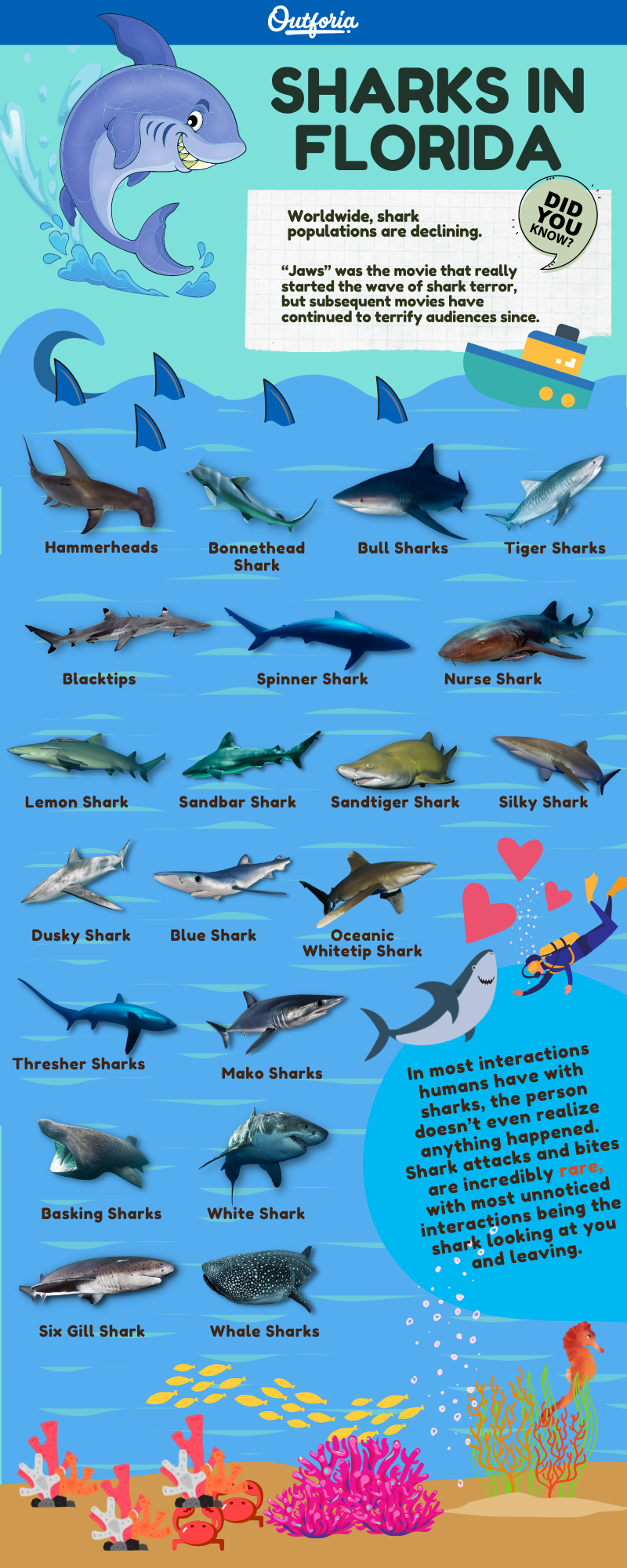
The Geographical Magnet: Why Florida’s Coastline Teems with Life
The primary reason Florida hosts such a high density of sharks is its unique geographic positioning. As a peninsula, the state is flanked by two massive bodies of water: the Atlantic Ocean to the east and the Gulf of Mexico to the west. This creates thousands of miles of varied coastline that serve as a highway for marine migration.
The Influence of the Gulf Stream and Atlantic Ocean
The Gulf Stream is a powerful, warm ocean current that flows from the tip of Florida and follows the eastern coastline. For tourists visiting cities like West Palm Beach or Fort Lauderdale, the proximity of this current is a major draw. It brings nutrient-rich, warm water very close to the shore. These nutrients support a massive food web, attracting baitfish, which in turn attract sharks.
During the winter months, many species—most notably the Blacktip shark—migrate south to escape the colder waters of the northern Atlantic Ocean. For tourists visiting during this window, it is not uncommon to see thousands of sharks cruising the shallows of Palm Beach County. This natural phenomenon has become a significant activity for aerial photographers and nature enthusiasts who flock to the coast to witness the migration.
Diverse Habitats from Mangroves to Coral Reefs
Beyond the open ocean, Florida offers a tapestry of “nurseries” that allow shark populations to thrive. The Everglades National Park and the surrounding mangrove forests provide protected, shallow waters where juvenile sharks can grow away from larger predators.
In the Florida Keys, the presence of the only living coral barrier reef in the continental United States creates a complex habitat. Reef sharks, Nurse sharks, and Hammerheads are frequently spotted by snorkelers and divers exploring John Pennekamp Coral Reef State Park. The abundance of food and shelter within these reefs makes the region a permanent home for many species, ensuring that shark sightings are a year-round component of Florida tourism.
Iconic Tourist Destinations for Shark Sightings
While sharks inhabit the entire coastline, certain areas have become famous—or infamous—for their high activity levels. For the curious traveler, visiting these spots offers a chance to see these creatures in their natural habitat under controlled and educational circumstances.
New Smyrna Beach: Navigating the Shark Capital of the World
Located in Volusia County, New Smyrna Beach often makes international headlines as the “Shark Attack Capital of the World.” For tourists, this title can sound intimidating, but the reality is more nuanced. The high number of “attacks” are almost exclusively minor “hit-and-run” nips from small Blacktip and Spinner sharks, often occurring near the Ponce de Leon Inlet.
The inlet creates a massive amount of water movement and attracts baitfish, making it a prime hunting ground. Because New Smyrna Beach is also a premier surfing destination, the high density of humans and sharks in murky, churning water leads to accidental encounters. Despite this, the area remains a massive tourism draw for those looking to experience the raw power of the Atlantic Ocean.
Jupiter and West Palm Beach: The Epicenter of Shark Diving
For those who want to get in the water intentionally, Jupiter is the place to be. This region is a global hotspot for professional shark diving. Because the continental shelf is so narrow here, deep-water species like Tiger sharks, Great Hammerheads, and Bull sharks venture very close to the shore.
Tourism operators in Jupiter offer “shark highlights” tours where divers can observe these animals in crystal-clear water. Unlike the murky waters further north, the clarity in Palm Beach County allows for a majestic and calm viewing experience. This has birthed a niche luxury tourism market, where enthusiasts from Europe and Asia travel specifically to Florida to photograph these giants.
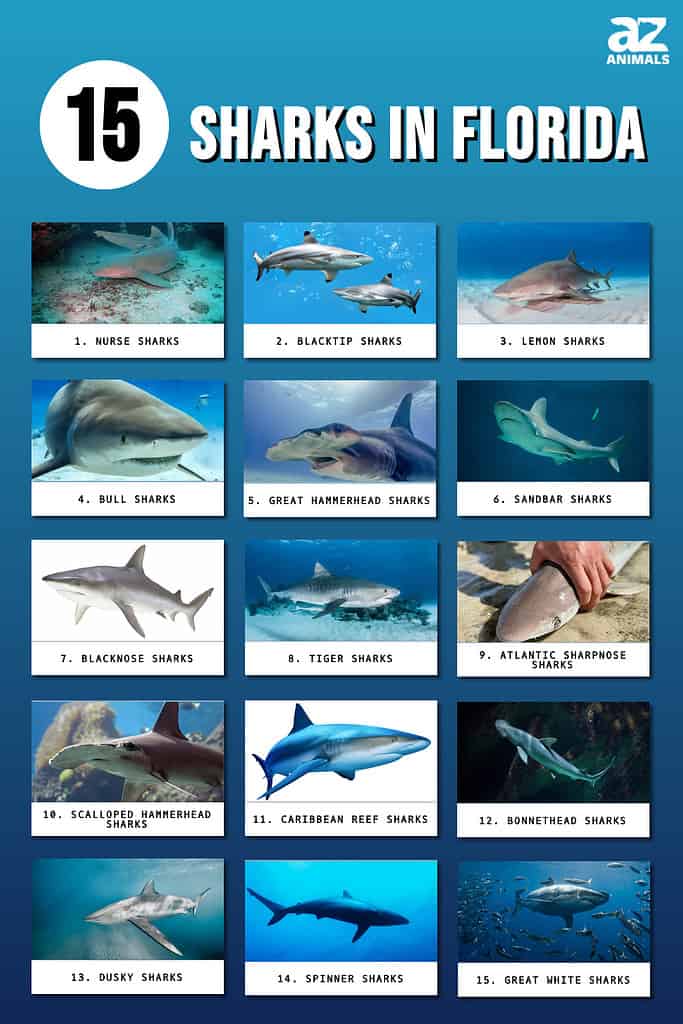
Exploring the Florida Keys and the Dry Tortugas
Further south, the Florida Keys offer a more relaxed environment for shark tourism. In Key West, visitors often take backcountry boat tours through the shallow flats. Here, it is easy to spot Lemon sharks and Bonnetheads cruising the seagrass beds.
For the more adventurous traveler, a trip to Dry Tortugas National Park offers a remote look at shark populations. Accessible only by boat or seaplane from Key West, this park is a sanctuary for marine life. The historic Fort Jefferson provides a stunning backdrop for snorkeling where Nurse sharks are frequently seen resting under the coral ledges.
Engaging with Marine Life: Tourism Activities and Educational Centers
For many tourists, the goal isn’t necessarily to swim with sharks but to learn about them. Florida has invested heavily in eco-tourism and educational facilities that allow visitors to engage with marine biology in a meaningful way.
Shark Diving and Eco-Tours
Shark tourism is a multi-million dollar industry in Florida. Beyond the extreme diving in Jupiter, there are numerous eco-tours throughout the Gulf Coast and the Atlantic Coast. In Tampa Bay, boat tours educate visitors on the importance of Bull sharks to the local estuary. These tours emphasize conservation, explaining how sharks keep the ocean healthy by weeding out the sick and injured, which helps maintain the fish populations that Florida’s seafood industry relies on.
World-Class Research Centers and Aquariums
If you prefer to see sharks behind glass, Florida is home to some of the world’s best marine research facilities. The Mote Marine Laboratory in Sarasota is a leader in shark research. Tourists can visit the aquarium to see resident sharks and learn about the tagging programs that track their movements across the Gulf of Mexico.
The Florida Aquarium in Tampa and the Frost Science Museum in Miami offer immersive exhibits. The Frost Science Museum features a dramatic three-level aquarium that allows visitors to view sharks from the surface, the mid-water, and a stunning 31-foot wide “oculus” lens from below. These institutions provide a safe and educational environment for families to dispel myths about these misunderstood creatures.
Essential Safety Tips for Florida Tourists
While the risk of a negative shark encounter is statistically very low—you are far more likely to be injured by a lightning strike or a car accident—understanding how to share the water is a vital part of Florida tourism.
Understanding Beach Flags and Water Conditions
Florida uses a standardized beach flag system to alert tourists to conditions. A purple flag indicates “dangerous marine life.” While this often refers to jellyfish, it can also be flown if there is a high concentration of sharks near the shore. Visitors to popular spots like Clearwater Beach or Daytona Beach should always check the flags at the lifeguard stand before entering the water.
Sharks are most active during “low light” hours—dawn and dusk. For travelers looking to take a morning dip, it is generally recommended to wait until the sun is higher in the sky, providing better visibility for both humans and sharks.
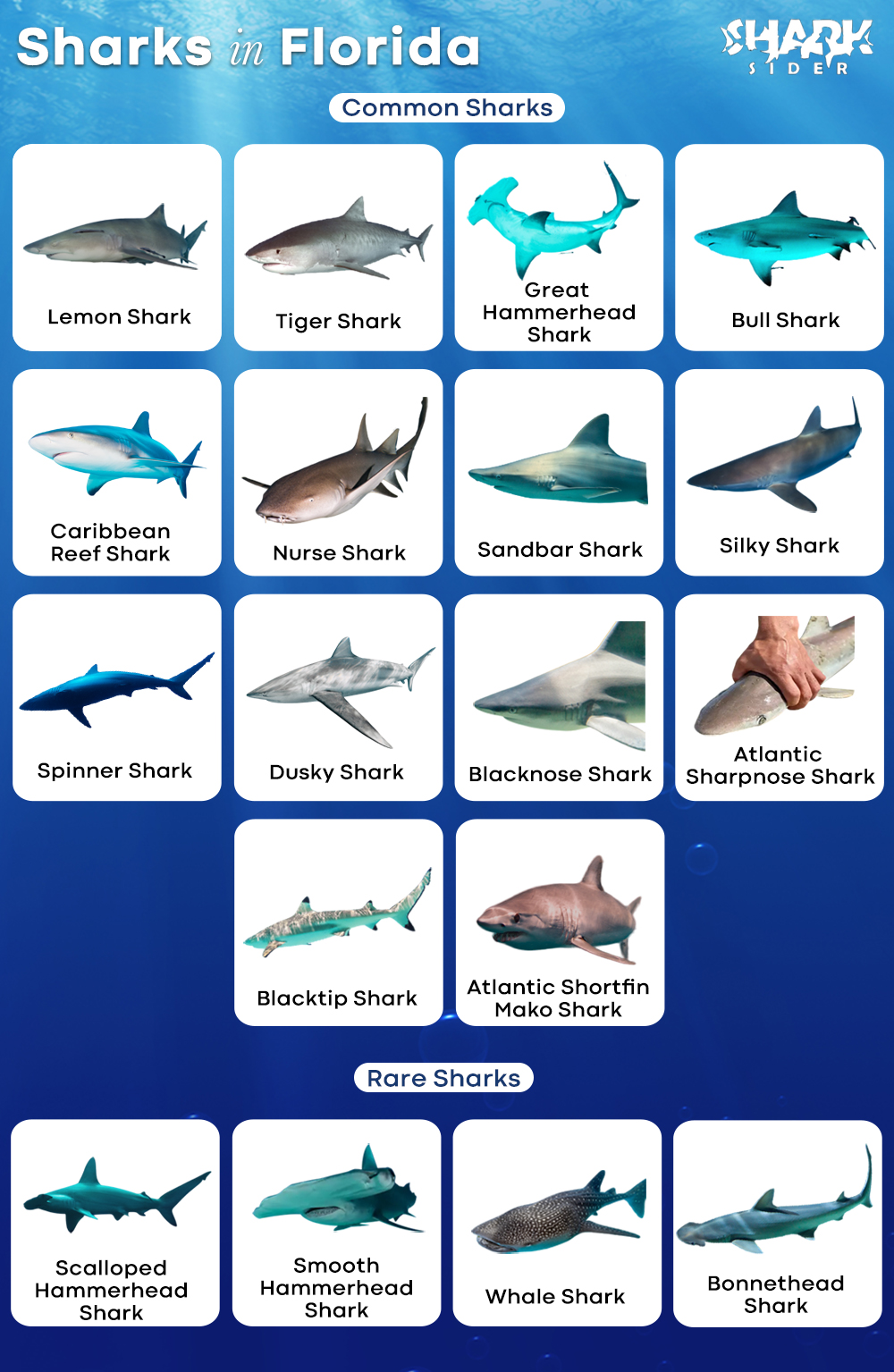
Best Practices for Ocean Lovers
Local tourism boards often provide tips for swimmers to ensure a peaceful coexistence with marine life. First, avoid wearing shiny jewelry, as the reflection can mimic the scales of a baitfish in the water. Second, avoid swimming near piers or where people are fishing. Bait and fish remains in the water are a natural draw for sharks, and most encounters occur when a shark becomes confused by fishing activity.
Finally, always swim in groups and stay close to the shore. Sharks are less likely to approach a large group of people. If you are visiting Biscayne National Park or other snorkeling havens, keeping a respectful distance from any marine life you encounter is the best way to ensure a positive experience.
Florida’s reputation for sharks is not something to be feared, but rather a unique feature of its rich natural heritage. For the modern tourist, the presence of these animals adds a layer of mystery and excitement to the coastal experience. By choosing responsible tour operators, visiting world-class aquariums, and following basic safety guidelines, visitors can enjoy everything the “Shark Capital” has to offer while contributing to the conservation of these magnificent ocean residents. Whether you are viewing them from a boat in Key West or learning about them in Sarasota, the sharks of Florida are an integral part of the state’s enduring allure.
LifeOutOfTheBox is a participant in the Amazon Services LLC Associates Program, an affiliate advertising program designed to provide a means for sites to earn advertising fees by advertising and linking to Amazon.com. Amazon, the Amazon logo, AmazonSupply, and the AmazonSupply logo are trademarks of Amazon.com, Inc. or its affiliates. As an Amazon Associate we earn affiliate commissions from qualifying purchases.