
Booking a room for another person—whether it is a family member traveling for leisure, a business associate attending a conference, or a friend receiving a gift stay—is a common practice in the modern travel industry. However, the process involves more than simply entering a different name into a website. To ensure a seamless check-in and avoid potential legal or financial complications, one must understand the specific protocols required by global hospitality brands and local regulations. From managing credit card authorizations to navigating the differences between online travel agencies and direct bookings, mastering these nuances is essential for any travel coordinator.

The Logistics of Third-Party Accommodation Reservations
The primary challenge when booking for someone else is the “mismatch” between the person paying for the room and the person occupying it. Most major chains, such as Marriott and Hilton, have strict security protocols to prevent credit card fraud. This typically requires the person checking in to present a physical credit card that matches the name on the reservation. When you are the one booking but not the one staying, you must bridge this gap through specific administrative steps.
Identifying the Primary Guest
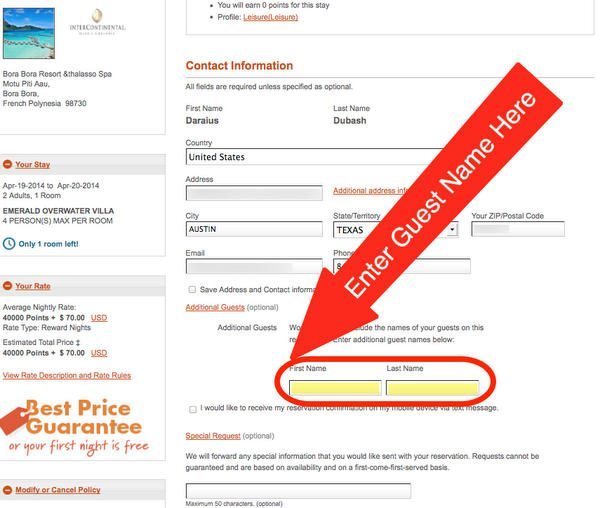
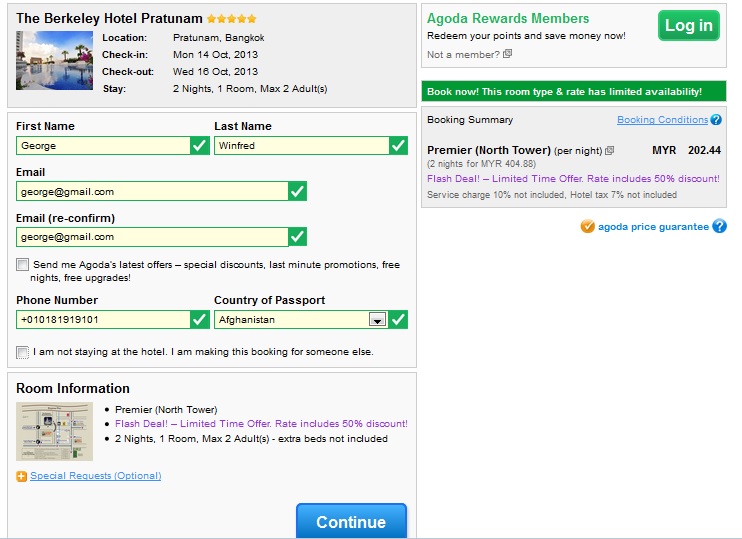
When initiating a reservation on a platform like Expedia or Booking.com, the “Guest Name” field is the most critical element. You must ensure that the name entered matches the guest’s government-issued identification exactly. If a guest arrives at a Hyatt in New York and their ID does not match the reservation, the front desk may refuse entry for security reasons.
In many countries, such as Italy and Spain, hotels are legally required to report guest details to local authorities. Therefore, accuracy in the guest’s name, nationality, and passport details (if required at the time of booking) is non-negotiable. Always confirm whether the guest prefers their middle name included or if they have a specific title that should be noted on the folio.
Prepaid vs. Pay-at-Hotel Models
There are two primary ways to handle the financial aspect of a third-party booking. The “Prepaid” model involves paying the full room rate and taxes at the time of booking. This is common when using sites like Hotels.com. While this covers the base cost, it does not usually cover incidentals.
The “Pay-at-Hotel” model, frequently found at InterContinental or Radisson Blu properties, allows the reservation to be held with your credit card, but the guest is expected to pay upon arrival. If your goal is to cover the guest’s entire stay, the prepaid option is generally safer, provided you also complete a credit card authorization form for any potential extra charges.
Navigating the Credit Card Authorization Process
Even if a room is prepaid, most hotels in the United States and Canada require a credit card at check-in to cover “incidentals”—charges for room service, minibar use, or damages. If you want the guest to have a truly “all-expenses-paid” experience without them having to provide their own card, you must submit a Credit Card Authorization Form.
What is a Credit Card Authorization Form?
This is a legal document that permits the hotel to charge your card without you being physically present. It typically requires a copy of the front and back of your credit card (e.g., Visa, Mastercard, or American Express) and a copy of your photo ID.
Properties like The Ritz-Carlton or Four Seasons take these forms very seriously. The form will ask you to specify exactly what you are willing to pay for: room and tax only, or “all charges.” By checking the all-charges box, you ensure that the guest can enjoy the amenities of a Fairmont Hotels and Resorts property, such as the spa or fine dining, without ever reaching for their wallet.
Digital vs. Paper Authorization
The hospitality industry is transitioning toward more secure, digital methods of authorization. Many brands under the Accor or Westin umbrellas now use secure links sent via email. These links allow the booker to input their payment information into a PCI-compliant portal. This is significantly more secure than the older method of faxing or emailing a PDF, which is increasingly discouraged in cities with high security standards like London or Singapore. Always call the hotel directly after booking to ask for their preferred authorization method.
Managing International Requirements and Brand Standards
Booking a hotel for someone else in a domestic setting is relatively straightforward, but international stays introduce a layer of complexity regarding local laws and currency fluctuations. For example, a booking at a Sheraton in Tokyo may have different guest registration requirements than a stay at a Holiday Inn in Paris.
Booking Across Different Jurisdictions
In many parts of Europe and Asia, every guest staying in the room must provide their passport for scanning. As the booker, you should inform your guest of this requirement. Additionally, be aware of “City Taxes” or “Resort Fees.” In France, for instance, the taxe de séjour is often not included in the online prepaid price and must be paid locally by the guest. If you want to cover this, you must explicitly mention it in your authorization instructions to the St. Regis or W Hotels management.
Loyalty Programs and Third-Party Gifting
If you are a member of a loyalty program like Bonvoy or World of Hyatt, you may wonder if you can earn points for a stay you booked for someone else. Generally, the answer is no; the person staying in the room usually must be the account holder to earn points or enjoy elite benefits like late checkout or free breakfast.
However, some brands allow you to “gift” a stay using your points. In this scenario, you call the loyalty desk of Hilton Garden Inn or Waldorf Astoria and request a Point Stay Reservation in the name of your guest. This is a highly effective way to provide a luxury experience in a destination like Dubai or Las Vegas without a cash layout.
Corporate and Professional Booking Protocols
In a professional context, executive assistants or travel managers frequently book rooms for clients or employees. This requires a high degree of organization and a focus on corporate compliance. For a stay at a high-end property like the Bellagio or a business-centric Crowne Plaza, using a corporate credit card is the standard.
Using Business Travel Management Tools
Many companies utilize platforms like Concur or American Express Global Business Travel to centralize bookings. These tools often have pre-negotiated rates and automated authorization processes. If your company is booking a suite in Germany or Australia, ensure that the “Company Name” is included in the reservation details. This helps the hotel apply the correct VAT (Value Added Tax) invoices, which are essential for corporate tax reclamation.
Handling Group Bookings and Room Blocks
If you are booking for a large group for a wedding or corporate retreat at a resort in Mexico, you will likely deal with a “Room Block.” In this case, you are not booking individual rooms but rather reserving a set number of units. Each guest will then call to “claim” their room within the block. As the organizer, you must clarify whether the central company account is paying for all rooms or if individuals are responsible for their own “Room, Tax, and Incidentals” (RTI). Clear communication with the sales department of the Kimpton Hotels or Loews Hotels property is vital here.
Ensuring a Seamless Check-In Experience
The most stressful part of booking for someone else is the moment they arrive at the front desk. If the paperwork isn’t in order, the guest could be stranded or forced to pay out of pocket. To prevent this, a proactive approach is required.
Incidentals and Security Deposits
Always warn your guest that the hotel will likely still ask for a card for incidentals, even if you have “covered everything.” Most hotels, from Motel 6 to Shangri-La, place a “hold” on a credit card for a specific amount per night. If the guest uses a debit card, this money is actually withdrawn from their account and refunded days after check-out. If you are booking for someone on a budget, this can be a major issue. Ensure you have confirmed with the hotel that your authorization form specifically covers the security deposit so the guest isn’t hit with an unexpected $500 hold at a luxury hotel in Hong Kong.
Communication with Front Desk Management
A few days before the guest arrives at their Embassy Suites or Residence Inn, send a brief email to the front office manager. Confirm that they have received the authorization form and that the guest’s name is correctly listed as the primary occupant. Ask for a “confirmation of payment” in writing. This paper trail is invaluable if any disputes arise during the check-in process.
By following these structured steps—choosing the right booking model, completing the necessary legal authorizations, and maintaining clear communication with both the guest and the hotel—you can successfully manage accommodations for others with professional precision. Whether it’s a simple overnight stay in Chicago or an extended luxury vacation in Thailand, the key to a successful third-party booking lies in the details.
LifeOutOfTheBox is a participant in the Amazon Services LLC Associates Program, an affiliate advertising program designed to provide a means for sites to earn advertising fees by advertising and linking to Amazon.com. Amazon, the Amazon logo, AmazonSupply, and the AmazonSupply logo are trademarks of Amazon.com, Inc. or its affiliates. As an Amazon Associate we earn affiliate commissions from qualifying purchases.