
Building a hotel in Minecraft is one of the most ambitious and rewarding projects a player can undertake. Unlike a simple base or a survival cottage, a hotel requires a deep understanding of hospitality design, structural flow, and the guest experience. Whether you are aiming to recreate the historic grandeur of the Savoy Hotel in London or the futuristic curves of the Burj Al Arab in Dubai, the process involves balancing aesthetics with functionality. In the world of virtual architecture, a successful hotel is more than just a tall building; it is a destination that offers comfort, luxury, and a sense of place.
Conceptualizing Your Hospitality Vision
Before placing the first block, it is essential to define the niche and style of your establishment. The hospitality industry is diverse, and your Minecraft build should reflect a specific brand identity. Are you constructing a sprawling seaside resort, a sleek urban skyscraper, or a cozy boutique inn tucked away in a forest biome?
Defining the Brand and Style
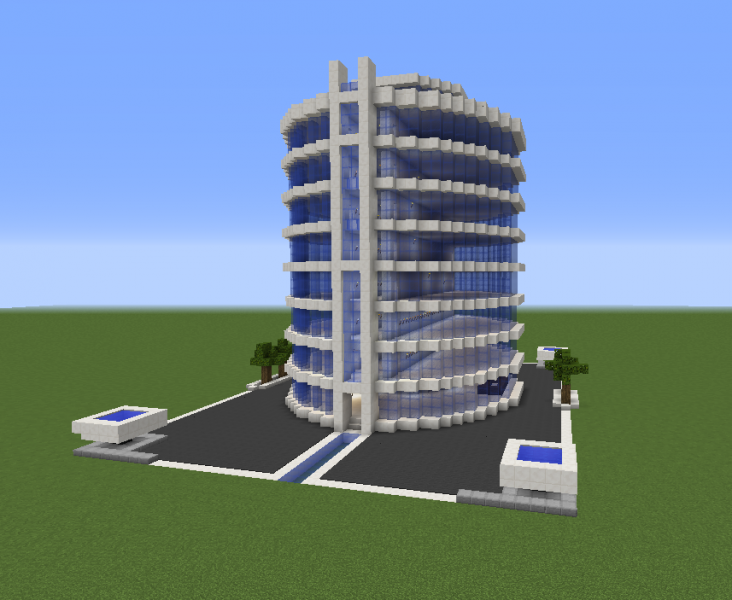
The architectural style you choose will dictate your material palette. For a modern, high-end hotel reminiscent of the Park Hyatt Tokyo, you might focus on white concrete, gray stained glass, and sea lanterns for a minimalist, clean look. If your goal is a classic European luxury aesthetic like The Ritz Paris, you will likely utilize quartz, gold blocks, and dark oak wood to convey opulence and history.
Defining the “star rating” of your hotel is also a helpful exercise. A five-star resort requires grander proportions, more extensive amenities, and larger suites compared to a mid-range business hotel. In Minecraft, “luxury” is often communicated through the height of the ceilings and the intricacy of the interior detailing. High ceilings (at least four or five blocks high) immediately give a room a more prestigious feel.
Choosing the Right Location
In the real world, the most successful hotels are defined by their location, and the same applies to your digital world. A hotel built on a cliffside overlooking a vast ocean biome provides natural “ocean view” suites, much like the iconic properties in Santorini. Conversely, an urban hotel should be situated at the heart of a bustling city build, perhaps near a custom-built Central Park or a replica of Times Square in New York City.
The surrounding environment should influence the hotel’s amenities. A desert-based hotel might feature shaded courtyards and expansive cooling pools, while a hotel in a snowy taiga biome should prioritize cozy fireplaces, warm lighting, and thick wool carpets to create a sanctuary against the elements.
Designing the Guest Experience: Suites and Room Layouts
The heart of any hotel is its guest rooms. In Minecraft, designing these spaces requires a clever use of the limited grid to create a sense of comfort and privacy. A common mistake is making every room the same size. To provide a realistic hospitality experience, your floor plan should include a mix of standard rooms, executive suites, and a singular, breathtaking penthouse.
The Standard Guest Room
For a standard room, a 7×7 or 8×8 interior space is usually sufficient. This allows enough room for a king-sized bed (using two wool blocks or actual bed items), a small desk area, a wardrobe (using barrels or chests hidden behind trapdoors), and a compact bathroom. Lighting is crucial here; avoid using torches, which can look cluttered. Instead, hide glowstone or froglights under carpets or behind paintings to create a soft, ambient glow that mimics professional hotel lighting.
Consider the “flow” of the room. When a guest enters (ideally using a wooden or iron door with a button “keycard” system), they should first see a small foyer or the bathroom door before the room opens up to the sleeping area and the view. This creates a sense of discovery and mimics the professional layout of real-world accommodations like those found at the Hilton or Marriott.
Luxury Suites and Penthouse Design
The upper floors of your hotel should be reserved for your most prestigious accommodations. A luxury suite should be at least double the size of a standard room and include distinct “zones” for living, sleeping, and dining. Incorporating a “wraparound” balcony using glass panes and stone slabs allows guests to take in the surrounding landscape.

For the ultimate architectural statement, the penthouse should occupy the entire top floor. Take inspiration from the ultra-luxury villas at the Marina Bay Sands in Singapore. The penthouse should feature unique blocks—perhaps gold or emerald accents—and exclusive amenities like a private rooftop pool or a personal library. Using large floor-to-ceiling windows made of light-blue stained glass can provide an airy, expensive feel that sets the penthouse apart from the rest of the building.
Essential Hotel Amenities and Public Spaces
While the rooms provide the revenue, the public spaces provide the soul of the hotel. These areas are where you can showcase your creativity and master the scale of your build.
The Grand Lobby and Reception
The lobby is the first thing a guest sees, and it must make a lasting impression. A double or triple-height ceiling is essential for a “grand” lobby. You should include a dedicated reception desk, perhaps utilizing polished andesite or quartz stairs to create a sleek counter. Behind the desk, a map of your Minecraft world can serve as a functional and decorative “world clock” or directory.
Seating areas are equally important. Use a combination of stairs and signs to create sofas and armchairs. To add life to the lobby, incorporate large indoor plants using leaf blocks and flower pots, and consider a central water feature or a massive chandelier made of end rods and glass. This level of detail mirrors the atmosphere of famous lobbies like that of The Plaza Hotel.
Restaurants, Bars, and Relaxation Areas
A true luxury hotel is a self-contained ecosystem. On the lower floors or the rooftop, you should design a high-end restaurant. Use campfires (extinguished) as ceiling rafters to create a rustic, upscale dining atmosphere, or use sea pickles as “candles” on the tables. A bar area can be built using brewing stands and banners to simulate a sophisticated cocktail lounge.
Don’t forget the wellness aspect. A hotel in the modern era requires a spa, a gym, and a swimming pool. For an infinity pool, build it on a balcony so the water appears to spill over the edge of the world. For a spa, use soul sand under water to create bubbles for a “hot tub” effect. These amenities add depth to your project and make the hotel feel like a genuine retreat for any travelers passing through your world.
Drawing Inspiration from Global Architectural Icons
When you find yourself stuck on a design, looking at real-world landmarks can provide the necessary spark to push your Minecraft hotel to the next level. Many of the world’s most famous hotels are architectural masterpieces that translate beautifully into the blocky aesthetic.
Replicating Modern Marvels
If you are interested in modern, bold shapes, look no further than the Burj Al Arab in Dubai. Its sail-like structure is a challenge to build with blocks, requiring a mastery of curves and diagonals, but the result is undeniably iconic. Similarly, the Marina Bay Sands offers a unique silhouette with its three towers connected by a massive sky park. Building this in Minecraft allows you to experiment with massive horizontal spans and high-altitude landscaping.
For those who prefer the neon-lit opulence of Las Vegas, the Bellagio provides an excellent reference for a grand, lakeside resort. The key to capturing the Las Vegas style is the use of lighting and symmetry, as well as expansive water features that can be programmed with Redstone to create “dancing fountains.”

The Timeless Elegance of Historic Hotels
On the other end of the spectrum, the historic hotels of London and Paris offer inspiration for those who love detail and classical architecture. The Ritz Paris or the Claridge’s hotel can be emulated using a palette of sandstone, brick, and copper. These builds focus more on “ornamentation”—using walls, fences, and buttons to create the appearance of intricate stonework and cornices.
By drawing from these real-world examples, you aren’t just building a house with many beds; you are engaging in a form of digital hospitality. You are considering how a guest moves through a space, what they see when they wake up, and how the architecture makes them feel. Whether your hotel is a sanctuary in the Himalayas or a skyscraper in Chicago, the principles of good design—scale, light, and luxury—will remain the same.
LifeOutOfTheBox is a participant in the Amazon Services LLC Associates Program, an affiliate advertising program designed to provide a means for sites to earn advertising fees by advertising and linking to Amazon.com. Amazon, the Amazon logo, AmazonSupply, and the AmazonSupply logo are trademarks of Amazon.com, Inc. or its affiliates. As an Amazon Associate we earn affiliate commissions from qualifying purchases.