
For travelers eyeing the sunny shores and vibrant attractions of Florida, understanding the timing and impact of significant weather events like Hurricane Ian is crucial for planning a safe and enjoyable trip. Hurricane Ian, one of the most powerful and destructive storms to hit the state, left an indelible mark, but Florida’s remarkable resilience and recovery efforts have ensured that much of the Sunshine State remains a top-tier travel destination. This guide will delve into the timeline of the hurricane, its effects on various travel hotspots, and what visitors can expect when planning their adventures in a post-Ian era.

Understanding Hurricane Ian’s Timeline in Florida
Hurricane Ian’s presence in Florida was primarily concentrated at the end of September 2022, a period that saw rapid intensification and a devastating landfall.
The Initial Approach and Landfall
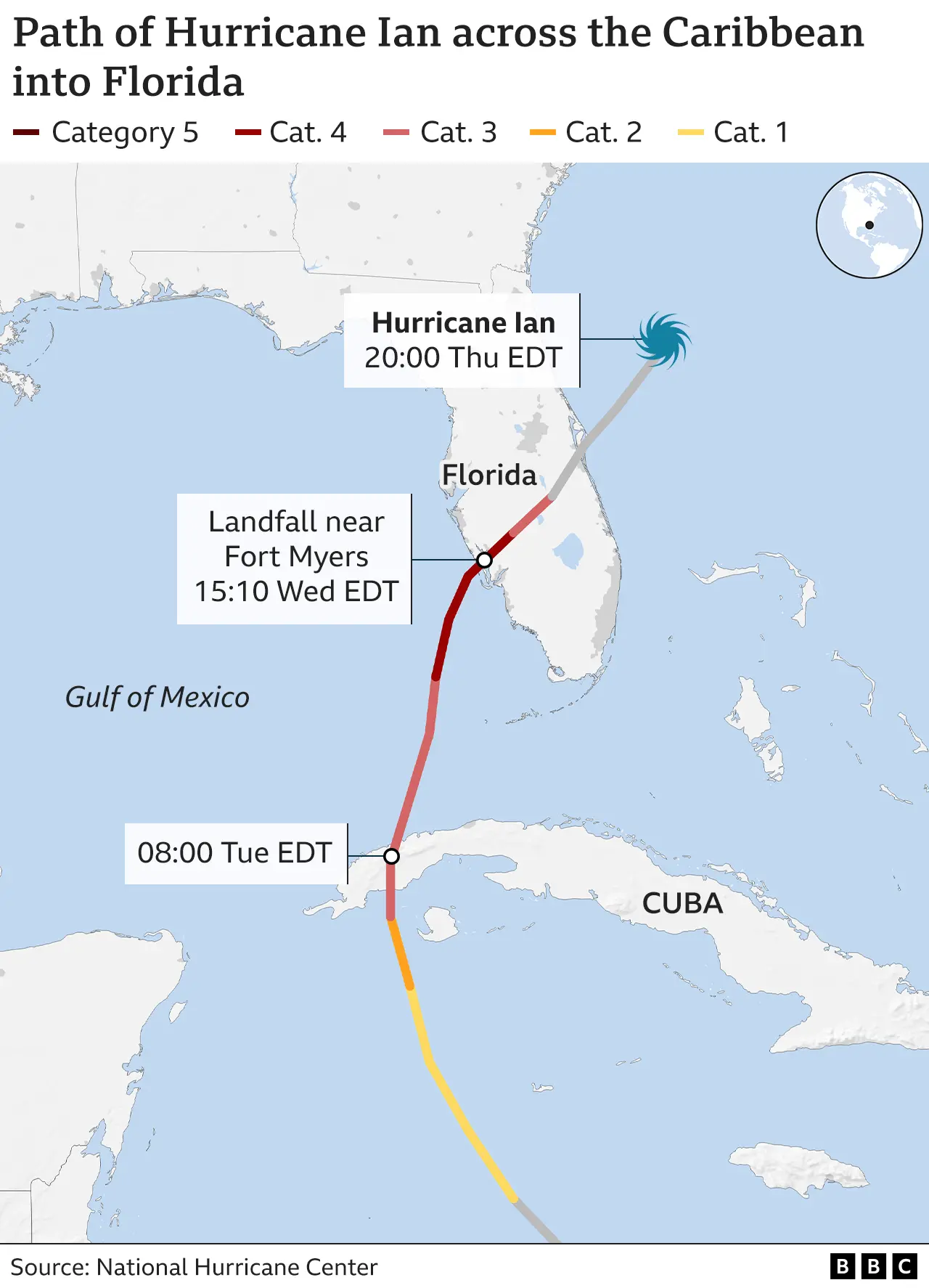
Hurricane Ian began its ominous trajectory as a tropical storm in the Caribbean Sea in mid-September 2022. After strengthening significantly over the warm waters of the Gulf of Mexico, it made landfall as a powerful Category 4 storm near Cayo Costa on Florida’s Southwest Florida coast on September 28, 2022, around 3:05 PM EDT. With sustained winds of 155 mph—just shy of a Category 5 designation—its arrival brought catastrophic storm surge, extreme winds, and torrential rainfall to an expansive area.
Path and Immediate Impact
Following its initial landfall, Ian slowly traversed the Florida peninsula. The storm’s slow movement exacerbated its destructive power, particularly in terms of rainfall and freshwater flooding. Major cities and coastal communities bore the brunt of its fury:
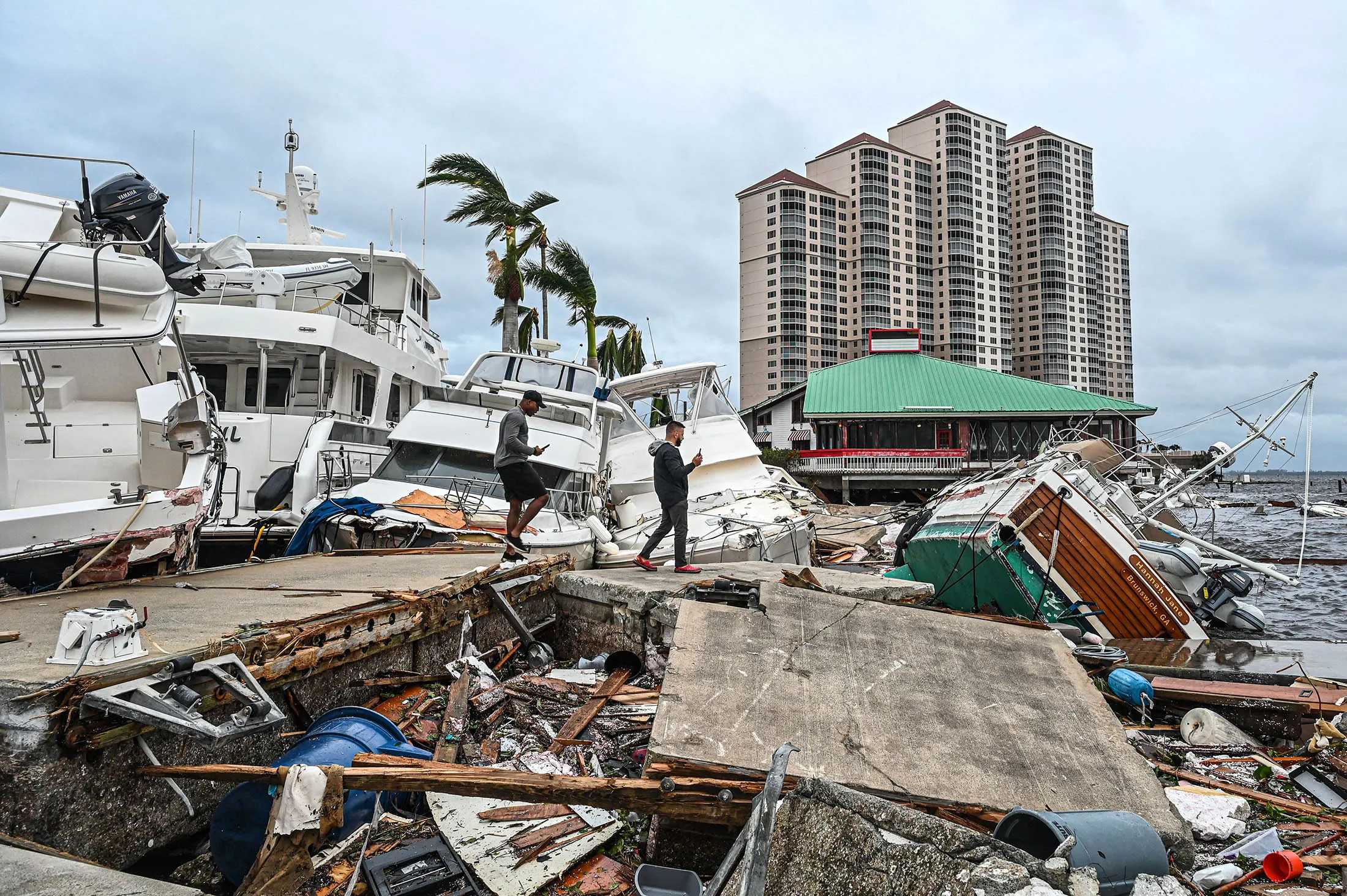
- Fort Myers and Cape Coral: These areas experienced unprecedented storm surge, submerging homes and businesses, and inflicting widespread structural damage. The iconic waterfronts were reshaped, and many structures were completely obliterated.
- Naples: Further south, Naples also faced significant storm surge and wind damage, particularly to its luxury properties and beachfront infrastructure.
- Punta Gorda and Port Charlotte: These communities were directly in the path of the eyewall, enduring extreme winds that tore roofs off buildings and downed power lines.
- Orlando and Central Florida: As Ian moved inland, it weakened but continued to produce massive amounts of rain, leading to severe inland flooding. Areas like Kissimmee and surrounding communities experienced record-breaking flood levels, impacting homes and disrupting travel infrastructure.
- Jacksonville and Northeast Florida: Although Ian had largely departed Florida by September 29, 2022, its remnants still brought heavy rainfall and moderate flooding to parts of the Atlantic Coast before it moved out to sea and then made a second landfall in South Carolina on September 30, 2022.
The immediate aftermath saw widespread power outages, impassable roads, and significant disruptions to daily life and travel across a large portion of the state.
Post-Storm Operations and Emergency Response
In the days and weeks following Ian’s departure, Florida mobilized an unprecedented emergency response. Search and rescue operations were paramount, particularly in flooded areas and on barrier islands like Sanibel Island and Captiva Island. Infrastructure repair, especially restoring power and clearing debris, began almost immediately. Organizations like the Federal Emergency Management Agency (FEMA) and state agencies worked alongside local communities to provide aid, temporary housing, and begin the arduous process of rebuilding.
The Impact on Florida’s Premier Travel Destinations
Hurricane Ian’s impact varied significantly across Florida’s diverse travel landscape, from devastating blows to coastal havens to temporary closures at world-famous theme parks.
Coastal Communities and Island Getaways
The Southwest Florida coast, the direct impact zone, suffered the most severe damage. Iconic island destinations were particularly vulnerable:
- Sanibel Island and Captiva Island: These beloved islands, famous for their shelling and pristine beaches, were catastrophically hit. The Sanibel Causeway, the sole road link, was destroyed in multiple sections, isolating the island residents and severely hampering initial recovery efforts. While temporary repairs allowed access relatively quickly, the islands faced a multi-year recovery for many resorts, restaurants, and residential properties. Travelers considering these destinations should check the current status of specific accommodations and attractions, as rebuilding is ongoing.
- Fort Myers Beach: This vibrant beach town was essentially leveled by the storm surge. The pier, hotels, and countless businesses were obliterated. Its recovery is a monumental undertaking, with some areas still far from reopening fully, though the spirit of the community remains strong.
- Naples: While less catastrophic than Fort Myers Beach, Naples experienced significant flooding and damage, especially to beachfront properties and its historic pier. Most of Naples has rebounded swiftly, with many resorts and attractions operational, but localized reconstruction continues.
Inland Attractions and Theme Parks
Central Florida’s world-renowned theme parks, while experiencing heavy rainfall and some flooding, largely escaped the direct wind devastation seen on the coast.
- Walt Disney World Resort: All four theme parks (Magic Kingdom, Epcot, Hollywood Studios, Animal Kingdom), along with water parks and Disney Springs, closed for two days, September 28-29, 2022. They swiftly reopened on September 30, 2022, with minimal lingering impact on visitor experience beyond some minor landscaping repairs.
- Universal Orlando Resort: Similarly, Universal Studios Florida, Islands of Adventure, and Volcano Bay also closed for the same two-day period, reopening quickly with full operations.
- Busch Gardens Tampa Bay: Located near Tampa, this park also had a brief closure and reopened shortly thereafter.
While these major attractions saw temporary shutdowns, their robust infrastructure and emergency protocols allowed for rapid recovery, ensuring they remained viable destinations for millions of tourists.
Infrastructure and Accessibility
Transportation infrastructure was severely affected, particularly in Southwest Florida.
- Airports: Southwest Florida International Airport (RSW) in Fort Myers was closed immediately after the storm, sustaining significant damage. It reopened to commercial flights within a week, albeit with limited operations initially. Other major airports like Orlando International Airport (MCO) and Tampa International Airport (TPA) experienced temporary closures but resumed service much faster.
- Roads and Bridges: Beyond the Sanibel Causeway’s destruction, numerous roads across the state were rendered impassable due to flooding, downed trees, and debris. State and local authorities worked tirelessly to clear routes and restore critical links.
Florida’s Resilient Recovery: A Travel Perspective
Florida’s response to Hurricane Ian showcased remarkable resilience, with ongoing recovery efforts aimed at restoring and even improving its travel infrastructure.
Swift Response and Rebuilding Efforts
The immediate post-storm period saw an outpouring of community support and a rapid deployment of state and national resources. Utility crews worked around the clock to restore power, while volunteers and aid organizations provided essential relief. The rebuilding process, particularly in coastal areas, is a long-term endeavor, but progress has been significant. Many businesses have reopened, and new developments are underway, demonstrating Florida’s determination to rebuild better and stronger.
Reopening of Key Tourist Areas
While certain highly impacted areas like parts of Fort Myers Beach and specific resorts on Sanibel are still undergoing extensive reconstruction, the vast majority of Florida’s tourist destinations have fully recovered. Miami, Fort Lauderdale, the Florida Keys, Tampa Bay, St. Petersburg, and the entire Panhandle were largely unaffected by Ian and remained open for business throughout and after the storm. Even in the directly hit regions, many hotels, restaurants, and attractions that sustained minimal damage or were quickly repaired have resumed operations, welcoming visitors eager to explore the Sunshine State.
What Travelers Should Know About Visiting Post-Ian
For travelers, Florida remains an incredibly diverse and appealing destination.
- Southwest Florida: If your travel plans include Fort Myers, Naples, Sanibel, or Captiva, it’s essential to research specific establishments. Many hotels and restaurants are open, but some may still be under renovation or operating with adjusted services. Check local tourism boards and specific business websites for the latest updates.
- Central and East Florida: These regions, including Orlando’s theme parks, Miami, and the Atlantic Coast cities, are fully operational and have been for some time. Visitors can expect the usual world-class experiences without significant Ian-related disruptions.
- Support Local: Visiting affected areas and supporting local businesses is one of the best ways to contribute to the ongoing recovery. Your tourism dollars directly aid the communities in their rebuilding efforts.
Planning Your Trip to Florida: Considerations and Recommendations
While Hurricane Ian was a significant event, it’s crucial for travelers to maintain a balanced perspective when planning a trip to Florida.
Best Time to Visit Florida
Florida is a year-round destination, but understanding hurricane season (June 1st to November 30th) is key. While destructive storms like Ian are rare, they are a possibility. The peak months for hurricane activity are typically August and September.
- Fall (Late October – November): This period after the peak of hurricane season often offers pleasant weather, fewer crowds, and lower humidity.
- Winter (December – February): Ideal for cooler temperatures, especially in southern Florida and the Keys.
- Spring (March – May): Warm temperatures, blooming landscapes, and generally calm seas make this a popular time, though spring break can bring larger crowds.
- Summer (June – August): Hot and humid with daily afternoon thunderstorms. While it falls within hurricane season, many find this a great time for water activities and theme park visits, benefiting from longer daylight hours.
Supporting Local Businesses and Sustainable Tourism
When you visit Florida, especially areas impacted by natural disasters, choosing locally owned restaurants, shops, and tour operators directly helps the community. Look for businesses that champion sustainable practices, helping to preserve Florida’s natural beauty for future generations. Many affected communities are embracing sustainable rebuilding, focusing on resilient infrastructure and ecological restoration.
Staying Informed
Before and during your trip, stay updated on weather forecasts and local conditions. Reliable sources include the U.S. National Hurricane Center (NHC), the National Oceanic and Atmospheric Administration (NOAA), and local news outlets in your destination. Many regional tourism boards also provide specific updates for travelers.
Insurance and Preparedness
Consider purchasing travel insurance that covers weather-related disruptions, including hurricane-related cancellations or delays. If traveling during hurricane season, familiarize yourself with your chosen accommodation’s hurricane policies. Having a personal preparedness plan, even as a traveler, can provide peace of mind.
Hurricane Ian was a historic event for Florida, predominantly impacting the state in late September 2022. While its memory remains, the spirit of recovery and the vast majority of Florida’s travel offerings are vibrant and ready to welcome visitors. By understanding the timeline, impact, and ongoing recovery, travelers can confidently plan their next adventure to this resilient and captivating state.
LifeOutOfTheBox is a participant in the Amazon Services LLC Associates Program, an affiliate advertising program designed to provide a means for sites to earn advertising fees by advertising and linking to Amazon.com. Amazon, the Amazon logo, AmazonSupply, and the AmazonSupply logo are trademarks of Amazon.com, Inc. or its affiliates. As an Amazon Associate we earn affiliate commissions from qualifying purchases.