
Traveling is an enriching experience, opening doors to new cultures, breathtaking landscapes, and unforgettable memories. However, a common concern that can cast a shadow over any trip is the potential for encountering unwanted microscopic travelers: bed bugs. While hotels strive for impeccable cleanliness, bed bug infestations can occur, and knowing how to identify them is crucial for a comfortable and healthy stay. This guide empowers you with the knowledge to inspect your hotel room effectively, ensuring your travel experience remains unblemished by these nocturnal pests.
Understanding the Bed Bug Threat
Bed bugs (Cimex lectularius) are small, reddish-brown, wingless insects that feed on the blood of humans and animals. They are expert hiders, often found in dark, secluded areas within a room. Their presence is not a reflection of a hotel’s overall hygiene standards, as they can infest even the most luxurious establishments. They are primarily transported from place to place via luggage, clothing, or other personal belongings. An infestation is often discovered not by seeing the bugs themselves, but by the tell-tale signs they leave behind. Understanding these signs is the first step in proactive detection.

The Bed Bug Lifecycle and Habits
To effectively spot bed bugs, it’s beneficial to understand their basic biology. Adult bed bugs are roughly the size of an apple seed, about ¼ inch long. They are oval-shaped and flattened, but will engorge with blood after feeding, becoming more elongated and reddish. They are nocturnal, meaning they are most active at night, often when their host is asleep. They seek out warmth and carbon dioxide, which are indicators of a sleeping presence. Their preferred hiding spots include seams and tufts of mattresses, box springs, headboards, and furniture frames. They can also be found behind wallpaper, in electrical outlets, and within the cracks and crevices of walls and furniture. Female bed bugs can lay hundreds of eggs over their lifetime, each about the size of a pinhead, which hatch into nymphs that go through several molts before reaching adulthood.
Common Misconceptions About Bed Bugs
It’s important to dispel some common myths about bed bugs. They are not associated with dirt or poor sanitation; they are simply looking for a food source. They do not jump or fly, but they can crawl quickly over surfaces. While their bites can be itchy and cause reactions in some individuals, they are not known to transmit diseases. The primary concern is the discomfort and potential allergic reactions from their bites, as well as the psychological distress associated with discovering an infestation.
Pre-Inspection Rituals: What to Do Upon Arrival
Upon entering your hotel room, it’s wise to adopt a systematic approach to inspection. This doesn’t require extensive tools, just a keen eye and a methodical process. Think of it as a brief, yet crucial, part of your arrival routine, akin to unpacking your suitcase.
Initial Visual Sweep
Before you unpack or even settle in, conduct a quick visual sweep of the room. Look for any immediate, obvious signs of pests. While this is not the in-depth inspection, it can help identify a serious problem right away. Pay attention to the general cleanliness of the room, although, as mentioned, bed bugs can exist in pristine environments.
The Importance of Luggage Placement
Your luggage is a prime vector for bed bugs. Upon entering the room, do not place your suitcase directly on the bed or upholstered furniture. Instead, use the luggage rack provided, preferably one located away from the bed and walls. If no rack is available, consider placing your luggage in the bathroom, as bed bugs are less likely to venture into tiled, sterile environments. This simple precaution significantly reduces the risk of bringing any hitchhiking pests back home with you.
In-Depth Inspection: Targeting High-Risk Areas
The most effective way to spot bed bugs is to meticulously inspect the areas where they are most likely to hide. This requires a closer look at your sleeping arrangements and surrounding furniture.
Mattress and Box Spring Examination
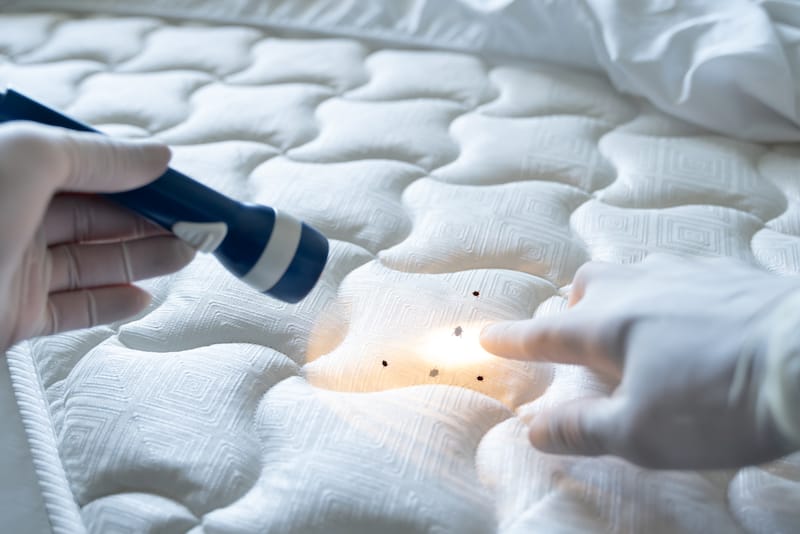
Your mattress and box spring are the primary sanctuaries for bed bugs. Start by carefully inspecting the seams, tags, and tufts of the mattress. Use your phone’s flashlight to illuminate these areas. Look for:
- Live Bed Bugs: Adult bugs are small and dark.
- Bed Bug Eggs: Tiny, pearly white or yellowish specks.
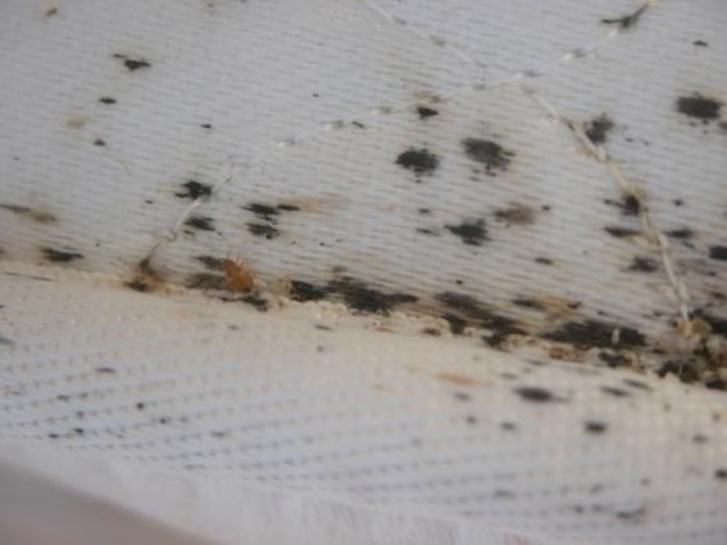
- Fecal Spots: Small, dark, inky spots that resemble permanent marker dots. These are the digested blood meals of bed bugs.
- Shed Skins: As nymphs grow, they shed their exoskeletons, which look like hollow, pale shells.
Next, pull back the bedding completely and examine the box spring, paying close attention to any seams or tears. If the box spring is particularly old or damaged, it can be an even more attractive hiding place.
Headboard and Bed Frame Inspection
Bed bugs often congregate around the bed itself. Thoroughly inspect the headboard, especially if it’s upholstered or has cracks and crevices. Check the bed frame, including the joints and any wooden or metal components. Turn over the frame if possible and look for signs of infestation on the underside.
Surrounding Furniture and Fixtures
Bed bugs are not confined solely to the bed. Extend your inspection to other furniture in the room, particularly upholstered chairs and sofas. Check any drawers, the back of picture frames, and even the edges of curtains. Look closely at the baseboards and electrical outlets near the bed; bed bugs can squeeze into surprisingly small openings.
Wall Cracks and Crevices
Don’t overlook the walls. Bed bugs can hide in tiny cracks and crevices in the walls or around electrical outlets. Shine your flashlight into any visible gaps.
Recognizing the Signs: Beyond Sightings
Even if you don’t see a live bed bug, other indicators can signal their presence. Learning to recognize these subtle clues is vital.
Bite Patterns and Reactions
While not a definitive sign of bed bugs (as bites can be mistaken for other insect bites or skin reactions), clusters of red, itchy welts, often in a line or zigzag pattern, are frequently associated with bed bug bites. However, some individuals do not react to bites at all, making this an unreliable sole indicator.
Discoloration and Stains
As mentioned earlier, fecal spots are a strong indicator. These small, dark stains can appear on mattresses, bedding, or furniture. They may look like tiny dots of ink or rust.
The Distinctive Aroma
In cases of a significant infestation, a faint, sweet, musty odor may be detectable. This smell is produced by scent glands that bed bugs use for communication and alarm. However, this scent is not always present, especially in early-stage infestations.
Actions to Take If You Suspect Bed Bugs
Discovering bed bugs can be unsettling, but prompt and decisive action is key to mitigating the issue and ensuring a pleasant continuation of your trip.
Immediate Reporting to Hotel Staff
If you find any evidence of bed bugs, do not hesitate to inform the hotel management or front desk immediately. Clearly and calmly explain your findings. It is advisable to take clear photos or videos of any evidence (live bugs, eggs, fecal spots) to support your claim.
Requesting a Room Change
The standard procedure in such situations is to request a room change. Insist on a room on a different floor and preferably on the opposite side of the hotel from your original room. This minimizes the chance of the infestation having spread. Before accepting a new room, conduct a thorough inspection of it as well.
Handling Your Luggage and Belongings
If you have been in the suspected room for a while, your luggage and belongings may have been exposed. Upon returning home, it is highly recommended to:
- Inspect and Clean Luggage: Carefully inspect your suitcases for any signs of bed bugs. Consider vacuuming your luggage thoroughly and disposing of the vacuum bag immediately outside your home.
- Launder Everything: Wash all your clothing, bedding, and any washable items in hot water and dry them on the highest heat setting for at least 30 minutes. Even items that weren’t worn can carry bed bugs or their eggs.
- Professional Inspection: For peace of mind, consider having your home professionally inspected for bed bugs after your trip, especially if you are concerned about bringing them back.
By being vigilant and informed, you can significantly enhance your travel experience. A proactive inspection upon arrival at any hotel, whether it’s a budget-friendly motel in Los Angeles or a luxury resort in the Maldives, can help ensure your accommodations are pest-free, allowing you to focus on the joys of exploration and discovery. Safe travels!
LifeOutOfTheBox is a participant in the Amazon Services LLC Associates Program, an affiliate advertising program designed to provide a means for sites to earn advertising fees by advertising and linking to Amazon.com. Amazon, the Amazon logo, AmazonSupply, and the AmazonSupply logo are trademarks of Amazon.com, Inc. or its affiliates. As an Amazon Associate we earn affiliate commissions from qualifying purchases.