
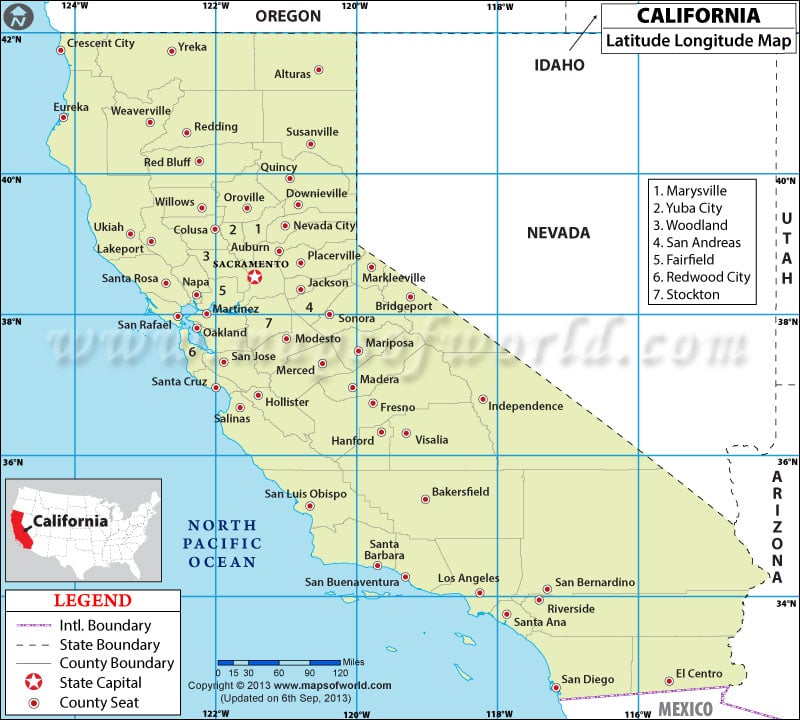
Understanding the geographical position of Los Angeles is more than just an academic exercise; it’s a fundamental key to unlocking the city’s unique character and the experiences it offers to visitors. The specific latitude of Los Angeles, roughly 34 degrees North, places it within the temperate zone, significantly influencing its climate, the patterns of its sunshine, and even the types of flora and fauna that thrive within its sprawling metropolitan area. This seemingly simple piece of data is the bedrock upon which countless travel experiences, tourism opportunities, and lifestyle choices are built.
The Climate Connection: Sunshine, Seasons, and Weather Patterns
The latitude of Los Angeles is the primary architect of its famously pleasant climate. Situated at 34° North, the city enjoys a Mediterranean climate, characterized by mild, wet winters and hot, dry summers. This is a direct consequence of its position relative to the prevailing wind patterns and atmospheric pressure systems.
Sunshine Hours and Solar Intensity
At this latitude, the sun’s angle in the sky varies significantly throughout the year, but generally provides ample sunshine. During the summer months, the sun is higher and more intense, contributing to the warmth and the extended daylight hours that are perfect for exploring beaches like Santa Monica State Beach or enjoying outdoor attractions in Griffith Park. Even in winter, the latitude ensures that Los Angeles receives a substantial amount of sunlight compared to many other major cities, making it an attractive winter destination. This consistent sunshine is a major draw for tourism, influencing everything from the development of outdoor dining culture to the popularity of al fresco experiences.
Seasonal Rhythms and Their Impact on Travel
The 34-degree North latitude dictates the subtle, yet discernible, seasonal shifts in Los Angeles. While it doesn’t experience the harsh winters of more northern regions or the extreme heat of the tropics, the transition from the cooler, wetter months to the hotter, drier ones impacts travel planning.
- Winter (December-February): Characterized by cooler temperatures (averaging in the 60s Fahrenheit) and occasional rainfall, this period is ideal for visiting indoor attractions like museums and galleries, or enjoying the city’s renowned culinary scene without the intense summer heat. It’s a popular time for budget travel as accommodation prices may be lower.
- Spring (March-May): As the rainfall decreases and temperatures begin to climb into the 70s Fahrenheit, Los Angeles bursts into bloom. This is a fantastic time for outdoor activities, exploring gardens, and enjoying events before the peak summer crowds arrive.
- Summer (June-August): The warmest months, with temperatures frequently reaching the 80s and 90s Fahrenheit, are synonymous with beach life, theme parks like Universal Studios Hollywood, and outdoor concerts. However, the intense sunshine also necessitates proactive planning for hydration and sun protection.
- Autumn (September-November): Often considered the most pleasant season, autumn offers warm days and cooler evenings, with significantly less humidity than the summer. This period is perfect for exploring neighborhoods, hiking in the nearby mountains, and enjoying outdoor festivals. The comfortable temperatures make it ideal for family trips.
Geographical Influences on Attractions and Activities
The latitude of Los Angeles profoundly shapes the natural landscape and the types of activities that are possible and popular.
Coastal Proximity and Marine Life
Being situated near the Pacific Ocean at this latitude contributes to the region’s characteristic coastal weather, including the famous “marine layer” or fog that often blankets the coast in the mornings, particularly during late spring and early summer. This proximity to the ocean also means a rich marine ecosystem. Boat tours and whale watching excursions from ports like Marina del Rey are popular attractions, with the latitude influencing migration patterns of marine mammals and the availability of certain species throughout the year.
Flora and Fauna: A Mediterranean Palette
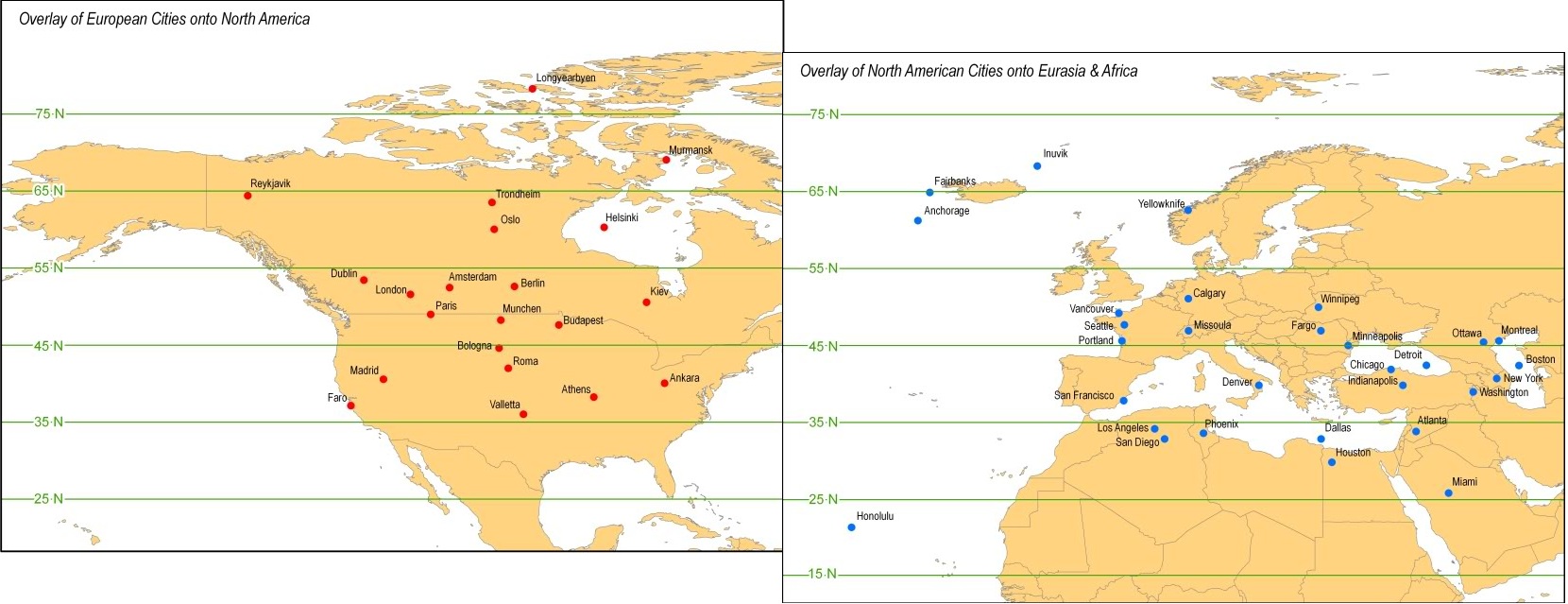
The temperate climate dictated by the 34-degree North latitude supports a unique array of plant and animal life. Indigenous vegetation, adapted to the dry summers and mild winters, includes drought-tolerant shrubs and trees like chaparral and oak woodlands found in the surrounding hills. This makes hiking and nature exploration in areas like the Santa Monica Mountains National Recreation Area a rewarding experience. The mild climate also allows for the cultivation of a wide variety of fruits and vegetables in the surrounding agricultural regions, influencing the local food scene and contributing to the farm-to-table movement.
Urban Planning and Outdoor Living
The consistently pleasant weather at this latitude has, over decades, fostered a strong culture of outdoor living in Los Angeles. This translates into an abundance of parks, outdoor dining options, sports facilities, and public spaces designed for year-round use. The car-centric nature of the city, while a separate phenomenon, is arguably facilitated by the climate, allowing for comfortable commutes and frequent road trips to nearby natural landmarks and entertainment venues. The very layout of many resorts and apartments in Los Angeles reflects this, with ample patios, balconies, and communal outdoor areas.
Implications for Accommodation and Lifestyle
The geographical position of Los Angeles directly impacts the types of accommodation available and the broader lifestyle choices of its residents and visitors.
Accommodation Design and Amenities
At 34 degrees North, outdoor spaces are highly prized. This is reflected in hotel and resort design, with many featuring expansive pool decks, rooftop bars with panoramic views, and private balconies. Villas and apartments often boast features like private patios or access to shared courtyards and gardens. The mild climate means that these outdoor amenities are usable for a significant portion of the year, making them key selling points for travelers seeking relaxation and enjoyment. The emphasis on outdoor living influences the types of amenities offered, from outdoor fireplaces and barbecue areas to well-maintained tennis courts and jogging paths.
The Appeal of Outdoor Entertainment and Events
The consistent sunshine and mild temperatures at this latitude make Los Angeles a global hub for outdoor entertainment. From open-air concerts at the Hollywood Bowl to movie screenings in parks during the summer, the city capitalizes on its climate. This also extends to major sporting events, with professional teams like the Los Angeles Dodgers playing outdoors for much of the year. For tourists, these outdoor experiences are a significant part of the allure, offering a chance to soak in the Californian sun while enjoying world-class entertainment.
Global Connections and Travel Times
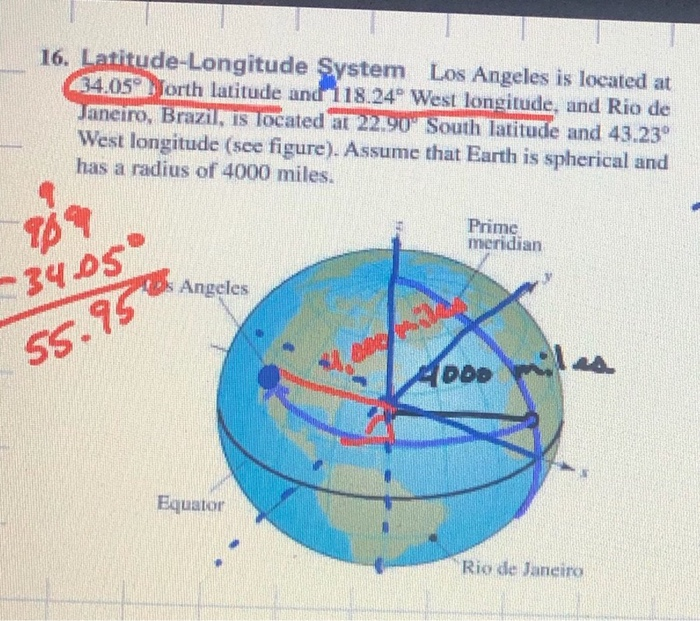
While latitude primarily governs climate, it also has a subtle influence on the city’s role in global travel. Being in the Northern Hemisphere and at a mid-latitude position means Los Angeles is well-positioned for direct flights to major cities across North America, Europe, and Asia. The time difference and flight durations are a direct consequence of its position on the globe. For instance, flights to New York City are significantly shorter than to Sydney, Australia, due to the longitudinal and latitudinal distance. Understanding this is part of practical travel planning for international visitors.
In conclusion, the simple question “What latitude is Los Angeles?” opens a gateway to understanding the city’s very essence. At approximately 34 degrees North, it is a nexus of sunshine, moderate seasons, and outdoor possibilities. This geographical anchor shapes everything from the ambient temperature and the duration of daylight to the lushness of its gardens and the vibrant energy of its streets, making Los Angeles a truly unique and captivating global destination.
LifeOutOfTheBox is a participant in the Amazon Services LLC Associates Program, an affiliate advertising program designed to provide a means for sites to earn advertising fees by advertising and linking to Amazon.com. Amazon, the Amazon logo, AmazonSupply, and the AmazonSupply logo are trademarks of Amazon.com, Inc. or its affiliates. As an Amazon Associate we earn affiliate commissions from qualifying purchases.