
As a seasoned traveler, the quest for reliable booking platforms is perennial. In the ever-evolving landscape of online travel agencies (OTAs), discerning which platforms are trustworthy is paramount to ensuring smooth and enjoyable trips. Hotels.com has long been a prominent name, offering a vast inventory of accommodations worldwide. But beyond the familiar branding and extensive listings, a crucial question lingers for many: is Hotels.com a legitimate and reliable booking service? This exploration delves into the operational integrity, customer service, and overall user experience of Hotels.com, aiming to provide a comprehensive answer for travelers planning their next escape.

Understanding the Legitimacy of Hotels.com
At its core, the question of legitimacy boils down to whether a service operates as advertised, provides the booked services, and handles transactions securely and transparently. Hotels.com is a well-established brand, and its parent company, Expedia Group, is a publicly traded entity with a significant global presence. This corporate backing immediately lends a degree of credibility. However, legitimacy extends beyond corporate ownership to encompass the actual day-to-day operations and how they impact the end-user – the traveler.
Operational Integrity and Inventory
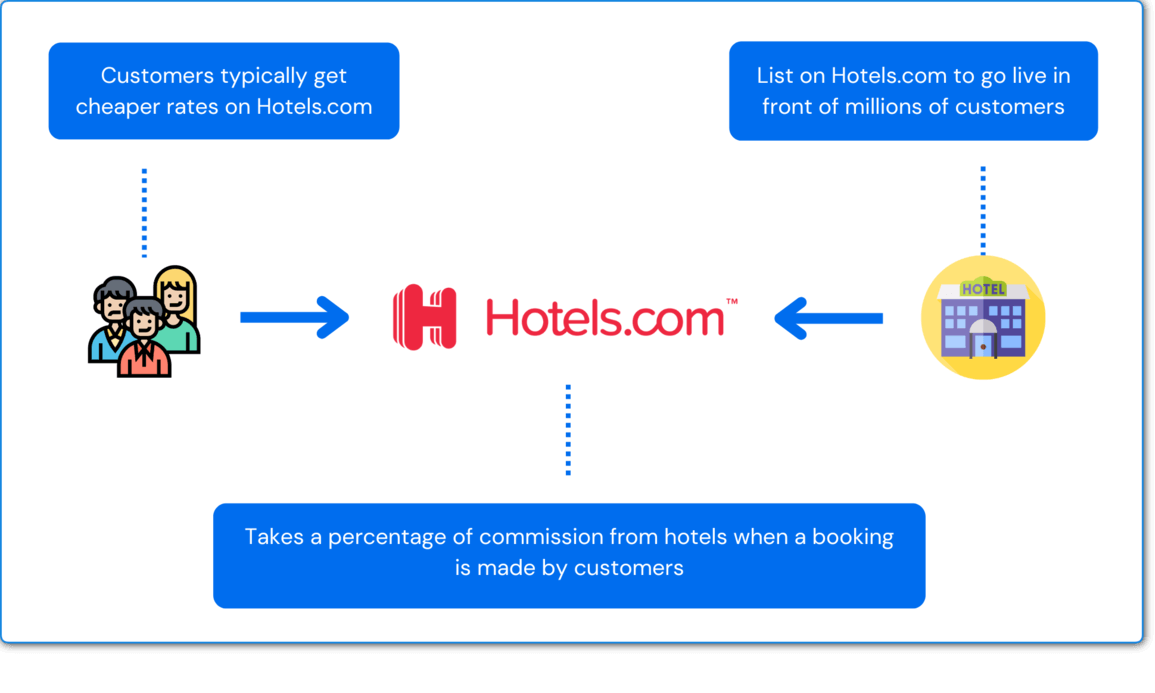
Hotels.com functions as an OTA, meaning it aggregates listings from a multitude of hotels, from independent boutique inns to major international chains. The strength of Hotels.com lies in its sheer breadth of offerings. Travelers can find accommodation in virtually any corner of the globe, from bustling metropolises like New York City to remote beach resorts in the Maldives. The platform partners directly with hotels or through global distribution systems, ensuring that the listed availability and pricing are, in most cases, accurate.
The process of booking through Hotels.com typically involves searching for a destination or specific hotel, selecting dates, choosing a room type, and completing the payment. Once confirmed, users receive a booking voucher that can be presented at the hotel. The platform’s integration with hotel reservation systems is generally robust, minimizing the instances of double bookings or unavailable rooms. However, like any large-scale booking engine, occasional discrepancies can arise, often due to last-minute changes by the hotel or technical glitches in the data synchronization between the OTA and the hotel’s internal systems.
Security and Transaction Processing
In an era where online security is paramount, the safety of financial transactions is a key component of a platform’s legitimacy. Hotels.com employs industry-standard encryption protocols to protect user data and payment information during the booking process. Credit card details, personal addresses, and contact information are handled with security measures designed to prevent unauthorized access. The payment gateways used are reputable and compliant with financial regulations.
When booking, travelers usually have the option to pay in full at the time of booking or, in some cases, to pay at the hotel. Both methods are secured through the platform. The transparency of pricing is also generally good, with taxes and fees typically itemized before the final confirmation. However, it is always advisable for users to scrutinize the total cost, including any resort fees or local taxes that might be collected directly by the hotel upon arrival, as these are not always included in the initial OTA price.
User Experience and Customer Support
A platform’s legitimacy is also judged by its ease of use and the quality of its support when issues arise. Hotels.com boasts a user-friendly interface, with intuitive search filters, clear property descriptions, and a wealth of user reviews. This makes it relatively straightforward for travelers to find suitable accommodations and make informed decisions.
The Rewards Program
One of the significant draws of Hotels.com is its loyalty program, known as the Hotels.com Rewards program. For every ten nights stayed at eligible properties booked through the platform, users earn one free night. The value of this free night is based on the average nightly rate of the ten qualifying stays, excluding taxes and fees. This program is a tangible benefit that adds value for frequent bookers and is a strong indicator of the platform’s commitment to customer retention. The accumulation and redemption of these reward nights are generally seamless, further reinforcing the platform’s legitimacy as a service that delivers on its promises.
Customer Service Channels

When things go awry, the responsiveness and effectiveness of customer support become critical. Hotels.com offers multiple channels for customer assistance, including phone support, email, and live chat. While the quality of customer service can vary, as with any large organization, the availability of these channels signifies a commitment to addressing customer concerns. Many travelers report positive experiences with the support team, especially when dealing with straightforward issues like modifying a booking or obtaining a refund for a cancelled reservation.
However, it is important to acknowledge that challenges can arise. Complex issues, such as disputes with hotels over room discrepancies or unexpected charges, may require more persistent communication. In such scenarios, having direct contact information for the hotel in addition to the OTA can be beneficial. Nevertheless, the existence of a dedicated customer support infrastructure is a hallmark of a legitimate operation.
Navigating Potential Pitfalls and Best Practices
While Hotels.com is a legitimate and generally reliable booking platform, like any service, it is not without its potential drawbacks or areas where travelers need to exercise due diligence. Understanding these and employing best practices can significantly enhance the booking experience.
Understanding Booking Conditions
The terms and conditions of a booking are paramount. These include cancellation policies, refund eligibility, and any specific restrictions associated with a particular rate or property. Hotels.com clearly displays these details, but it is incumbent upon the user to read and understand them before confirming the reservation. Non-refundable rates, for instance, offer lower prices but come with no flexibility should plans change. Flexible cancellation policies, while often more expensive, provide peace of mind.
Direct Communication with Hotels
In cases where a traveler has a specific request, such as a particular room view or a need for an early check-in, it is often advisable to contact the hotel directly after booking through Hotels.com. While the OTA can convey requests, direct communication with the hotel’s reservations or front desk staff can often lead to a more personalized and guaranteed outcome, especially for specialized needs. This also serves as a good practice to confirm that the reservation has been received by the hotel.
Comparing Prices and Packages
Although Hotels.com offers competitive pricing, it is always prudent to compare rates with other OTAs and, where possible, directly with the hotel. Prices can fluctuate, and sometimes booking directly with a hotel might offer additional perks or loyalty program benefits that are not available through an intermediary. Similarly, be mindful of package deals; while they can offer savings, ensure that all components of the package meet your needs. For example, a flight and hotel package might seem attractive, but if your flight schedule is inflexible, it could become a point of contention.
Reviewing User Feedback
The wealth of user reviews on Hotels.com is a powerful tool. These reviews, provided by other travelers who have recently stayed at the property, offer insights into the actual guest experience, beyond the polished marketing descriptions. Pay attention to recurring themes, both positive and negative, regarding cleanliness, service, amenities, and location. While individual experiences can vary, a consistent pattern in reviews is a strong indicator of the hotel’s true quality.
Conclusion: A Legitimate and Valuable Tool
In conclusion, the question “Is Hotels.com Legit?” can be answered with a resounding yes. As a subsidiary of the Expedia Group, it operates within a robust corporate framework, adheres to industry security standards, and provides a vast and diverse inventory of accommodations. The user-friendly interface, coupled with the valuable Hotels.com Rewards program, makes it an attractive option for many travelers.
While no booking platform is entirely immune to occasional issues, Hotels.com demonstrates a commitment to legitimacy through its operational transparency, available customer support, and the tangible benefits offered to its users. By understanding booking conditions, utilizing the platform’s resources wisely, and maintaining a proactive approach to communication, travelers can confidently leverage Hotels.com as a legitimate and valuable tool for securing their accommodations for journeys to destinations like Paris, Rome, or even a quick getaway to Las Vegas. The key lies in informed booking and realistic expectations, empowering travelers to make the most of their stays.
LifeOutOfTheBox is a participant in the Amazon Services LLC Associates Program, an affiliate advertising program designed to provide a means for sites to earn advertising fees by advertising and linking to Amazon.com. Amazon, the Amazon logo, AmazonSupply, and the AmazonSupply logo are trademarks of Amazon.com, Inc. or its affiliates. As an Amazon Associate we earn affiliate commissions from qualifying purchases.