
The distance between Las Vegas and Salt Lake City is a common point of inquiry for travelers planning a road trip or seeking to connect two of the American West’s most distinct metropolitan areas. While seemingly distant, these two vibrant cities are more accessible than many imagine, offering a fascinating drive through diverse landscapes. Understanding the exact mileage, typical travel times, and the scenic routes available is crucial for anyone embarking on this journey. This exploration delves into the practicalities of traveling between these two iconic destinations, highlighting the experience of the journey itself.
Understanding the Driving Distance and Time
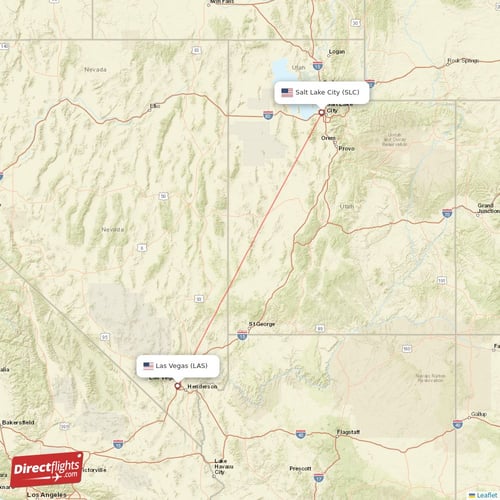
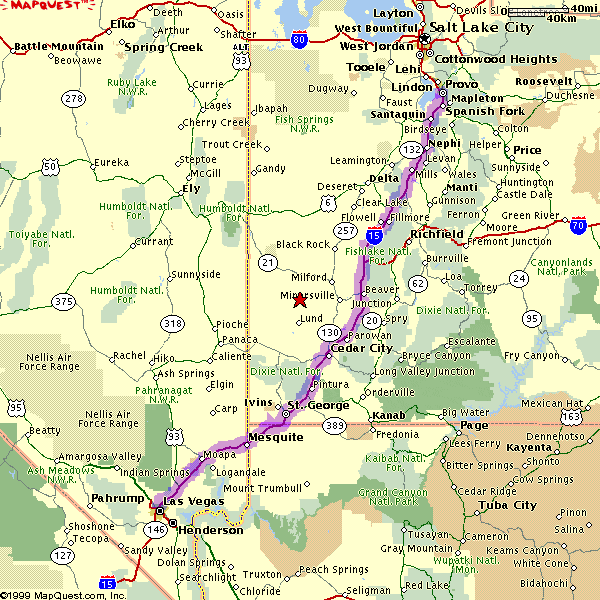
The most direct route from Las Vegas to Salt Lake City is approximately 420 miles (676 kilometers). This distance primarily follows Interstate 15 North for the entire stretch. Given this mileage, the estimated driving time, without accounting for any stops or significant traffic delays, is generally around six to seven hours. However, it is wise to budget for a slightly longer duration to allow for rest stops, fuel, and perhaps a quick meal along the way. Factors such as weather conditions, especially during winter months when snow can affect roads in higher elevations, and the specific time of day you depart can influence travel times. For instance, leaving Las Vegas during peak hours might add a bit of time to your initial departure.
Factors Influencing Travel Time
Several variables can impact how long it takes to drive from Las Vegas to Salt Lake City. The speed limit on Interstate 15 varies, generally ranging from 65 to 80 miles per hour in the more open stretches, but can be lower in construction zones or through populated areas. Traffic congestion is usually minimal on this route, especially outside of major holiday weekends or sporting events. However, unexpected incidents, such as accidents or vehicle breakdowns, can cause significant delays.
Weather plays a critical role, particularly as you ascend in elevation. The drive takes you through areas that can experience snow, ice, and fog during the colder months. The Virgin River Gorge section in Arizona, while scenic, can be prone to closures due to flash floods during monsoon season or winter weather. Always check the weather forecast and road conditions before you leave.
The type of vehicle you are driving can also subtly influence travel time. A well-maintained vehicle is less likely to encounter issues that could cause delays. If you are towing a trailer or driving an RV, you will likely travel at a slightly slower pace, and refueling or rest stops may take longer.
Recommended Stops Along I-15
While the drive is manageable in a single day, breaking it up can enhance the experience and reduce fatigue. Several points of interest and practical rest stops are conveniently located along Interstate 15.
-
St. George, Utah: Located about two hours north of Las Vegas, St. George is a pleasant city nestled in the southwestern corner of Utah. It offers numerous dining options, hotels for an overnight stay, and attractions like Snow Canyon State Park for a short detour and a dose of scenic beauty.
-
Cedar City, Utah: Further north, Cedar City is known for its Shakespearean Festival and proximity to Cedar Breaks National Monument. It serves as a good midpoint for a lunch break or a stretch of the legs.
-
Provo, Utah: Before reaching Salt Lake City, Provo is a vibrant city home to Brigham Young University. It offers a lively downtown area with various eateries and shops, and it’s a great place to stop if you are looking for a more urban atmosphere before arriving at your final destination.
Exploring Alternative Routes and Scenic Drives
While Interstate 15 is the most direct and commonly used route, those with more time and a desire for a more scenic experience might consider deviations. These alternative routes, though longer, offer a chance to experience different facets of the American West’s landscapes.
The Scenic Route Through Zion National Park
One of the most breathtaking detours involves passing through or near Zion National Park. From Las Vegas, you would take Interstate 15 North towards St. George. Instead of continuing on I-15, you can take State Route 9 East towards Zion National Park. This route takes you directly into the park, allowing you to witness the towering sandstone cliffs and the winding Virgin River. After exploring Zion, you would continue East on SR-9, which eventually connects back to Interstate 15 near Mount Carmel Junction.
This detour adds significant mileage and time to your journey, easily turning a one-day drive into a two-day adventure. However, the visual rewards are immense. The drive through Zion Canyon itself, especially the Zion-Mount Carmel Highway with its famous tunnel, is an experience in itself. Be aware that Zion National Park can experience significant visitor numbers, and access might be managed during peak seasons, potentially requiring shuttle bus use within the main canyon.
Journeying Through Parts of Arizona and Northern Arizona
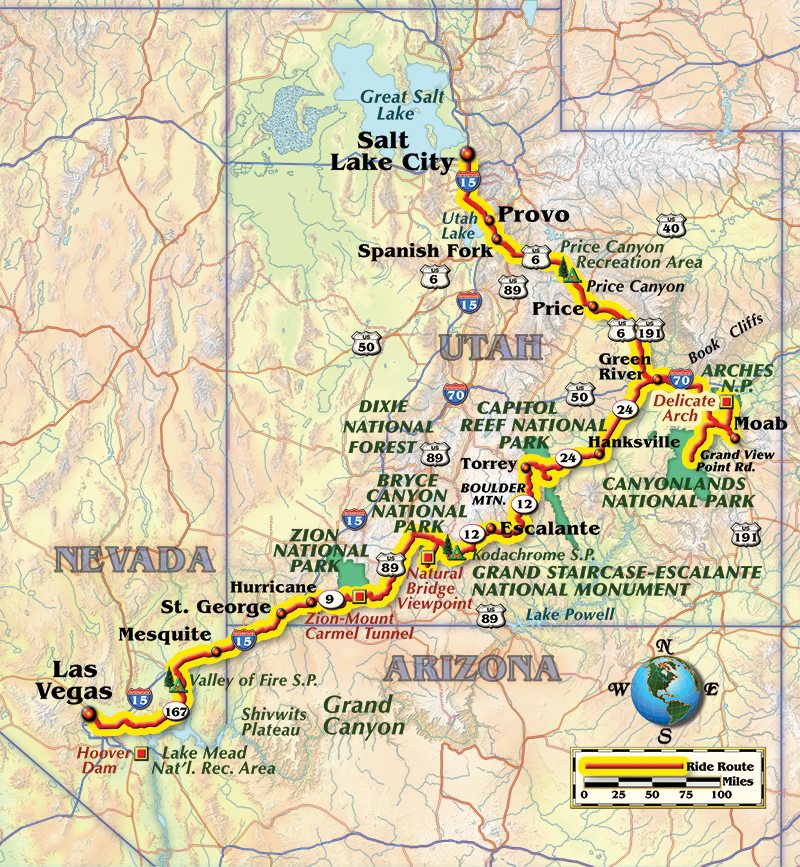
Another variation involves incorporating a portion of Arizona more extensively before heading into Utah. After leaving Las Vegas, instead of taking the most direct I-15 North route, one could head east on US-93 towards Kingman, Arizona, potentially including a segment of the historic Route 66. From Kingman, you would then head north on AZ-66 and eventually connect to AZ-389, which leads into Utah and eventually links back to Interstate 15 near St. George. This route offers a different perspective, passing through high desert landscapes and historic towns.
While these alternative routes add time and distance, they transform the simple act of traveling from one city to another into an exploration of the diverse geography and history of the American Southwest. The decision of which route to take ultimately depends on your priorities: speed and efficiency versus a more immersive scenic experience.
Preparing for Your Road Trip
A successful road trip between Las Vegas and Salt Lake City requires proper preparation. Ensuring your vehicle is in good condition is paramount. This includes checking tire pressure, oil levels, and brakes. Given the long stretches of driving, carrying a basic emergency kit with essentials like water, snacks, a first-aid kit, jumper cables, and a flashlight is advisable.
Vehicle Checks and Emergency Preparedness
Before you depart, it’s recommended to have your vehicle serviced if it’s due. Pay attention to fluid levels, including coolant and windshield washer fluid, as these can be crucial in varying weather conditions. For winter travel, ensure your tires are appropriate for potentially snowy or icy roads, and carry an ice scraper and small shovel. A spare tire that is properly inflated and the tools to change it are essential.
Consider packing a portable phone charger, as reliable cell service can sometimes be spotty in remote areas along the route. A physical map can also be a useful backup in case of GPS or electronic device failure. Informing someone of your travel plans, including your intended route and estimated arrival time, is always a good safety practice.
Packing Essentials for the Journey
Beyond vehicle readiness, personal comfort and sustenance are key. Pack comfortable clothing layers, as temperatures can vary significantly between Las Vegas (often hot) and Salt Lake City (can be cooler, especially at higher elevations), and even throughout the drive. Ample water and non-perishable snacks will help you stay hydrated and energized, reducing the need for frequent stops for refreshments.
Entertainment options are also important for longer drives. Download podcasts, audiobooks, or create playlists to make the journey more enjoyable. If traveling with children, pack games or activities to keep them entertained. Don’t forget sun protection, such as sunscreen, sunglasses, and a hat, especially if you plan to stop and explore any scenic viewpoints.
The Travel Experience: From Desert to Mountains
The drive from Las Vegas to Salt Lake City is a journey that visually encapsulates the transition from the arid, sun-baked landscapes of the Mojave Desert to the majestic, mountainous terrain of the Wasatch Range. This shift in scenery is one of the most compelling aspects of the trip.
Desert Vistas and High Desert Plains
As you leave the glittering lights of Las Vegas behind, the landscape quickly transforms. You’ll encounter vast expanses of desert, characterized by sparse vegetation such as Joshua trees, sagebrush, and cacti. The geology of the region becomes apparent, with dramatic rock formations and colorful desert soils. The air is dry, and the sun is intense, painting the sky with brilliant blues during the day and fiery hues at sunset.
The initial hours of the drive are dominated by this arid beauty. You’ll pass through stretches of Nevada and then into the corner of Arizona, crossing the impressive Virgin River Gorge, where towering red rock cliffs line the highway. This section, while challenging for road construction, offers some of the most dramatic natural scenery of the direct route.
Ascending into the Wasatch Mountains
As you continue north into Utah, the elevation gradually increases. The desert flora begins to give way to more varied plant life, including juniper and pinyon pine. The terrain becomes more rolling, and the sense of scale shifts. The land starts to undulate, hinting at the mountain ranges that define Utah.
Upon approaching Salt Lake City, the Wasatch Mountains rise dramatically to the east. These imposing peaks, often snow-capped for much of the year, provide a stunning backdrop to the capital city. The air becomes noticeably cooler, and the vegetation shifts to include more deciduous trees and coniferous forests as you gain altitude in the surrounding mountain areas. This transition from desert to alpine environment is a testament to the diverse geography of the American West.
The journey itself offers a unique perspective on the natural evolution of the land, from the stark beauty of the desert to the rugged grandeur of the mountains. It’s a drive that is both practical and picturesque, connecting two culturally and geographically distinct urban centers.
LifeOutOfTheBox is a participant in the Amazon Services LLC Associates Program, an affiliate advertising program designed to provide a means for sites to earn advertising fees by advertising and linking to Amazon.com. Amazon, the Amazon logo, AmazonSupply, and the AmazonSupply logo are trademarks of Amazon.com, Inc. or its affiliates. As an Amazon Associate we earn affiliate commissions from qualifying purchases.