
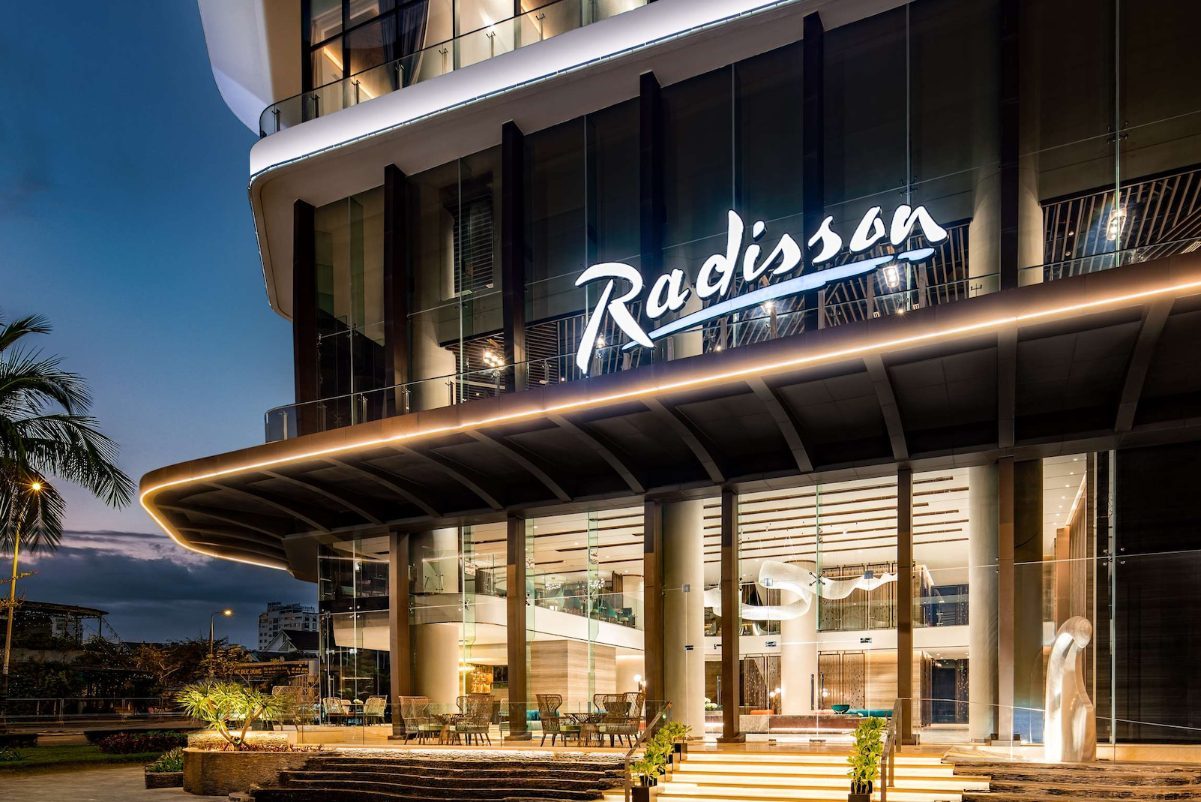
The hospitality industry is a dynamic landscape, constantly evolving through mergers, acquisitions, and strategic partnerships. For travelers and industry observers alike, understanding the ownership and brand affiliations of major hotel chains is crucial. A frequently posed question, born from this complexity, is: “Is Radisson Hotel part of Marriott?” The answer, in short, is no. While both are titans in the global lodging sector, they operate as distinct entities, each with its own portfolio of brands and operational strategies. This distinction is important for understanding brand loyalty programs, guest experiences, and the competitive dynamics of the hotel market.
Understanding the Major Hotel Conglomerates
The global hotel market is largely dominated by a few major players that manage a diverse array of brands, catering to different market segments. These conglomerates offer a spectrum of accommodations, from ultra-luxury to budget-friendly, each with its own unique value proposition. Understanding these structures helps demystify the hotel landscape and empowers consumers to make informed choices.
The Marriott Empire
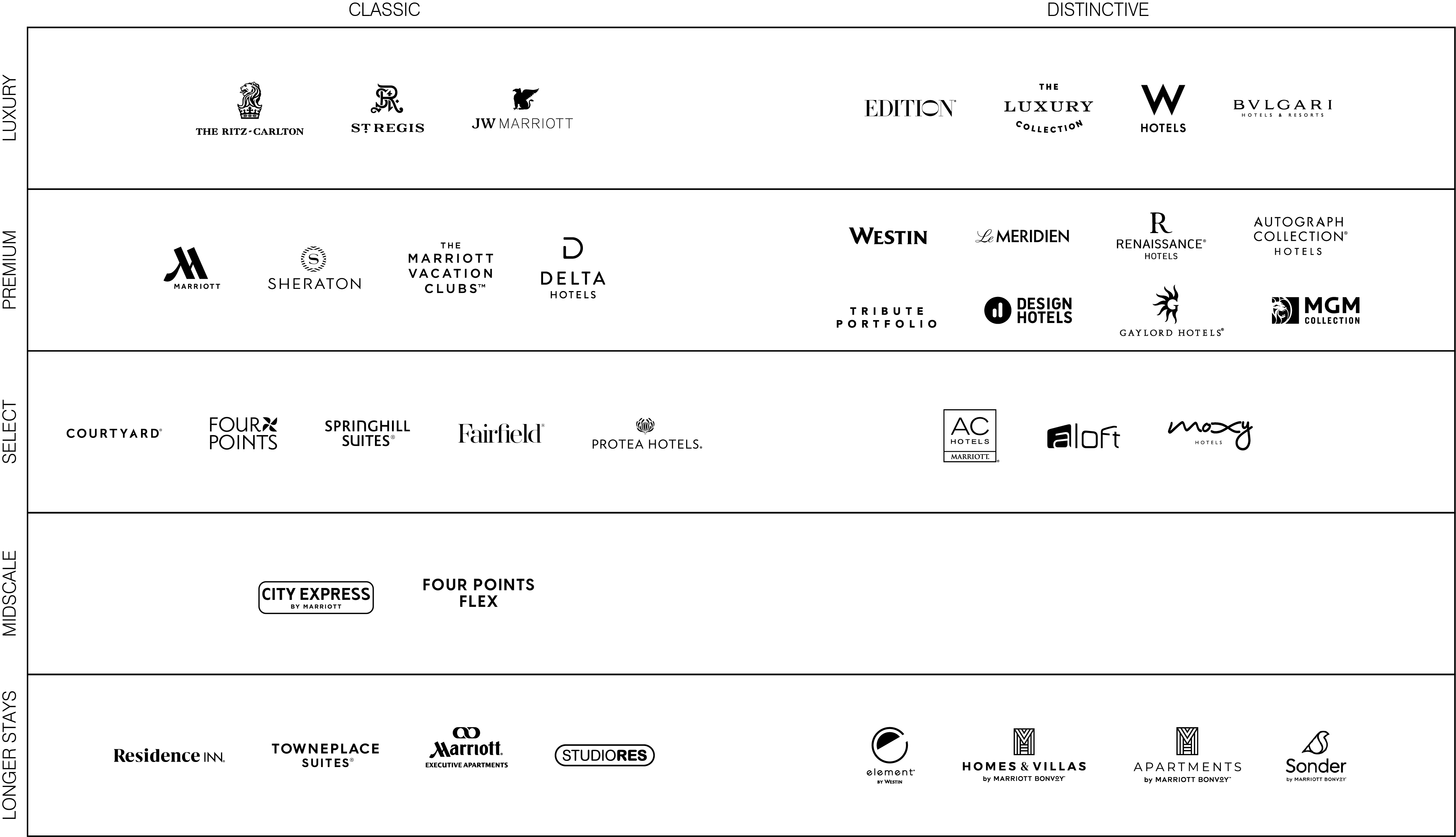
Marriott International is one of the world’s largest hotel companies, boasting an extensive portfolio of brands that span the globe. Following its monumental acquisition of Starwood Hotels & Resorts in 2016, Marriott significantly expanded its reach and brand offerings. Its brands are broadly categorized to serve various traveler needs:
- Luxury: This segment includes iconic brands like The Ritz-Carlton, St. Regis Hotels & Resorts, JW Marriott, and W Hotels. These properties are known for their exquisite design, personalized service, and premium amenities.
- Premium: Brands such as Marriott Hotels, Sheraton Hotels & Resorts, Westin Hotels & Resorts, and Courtyard by Marriott fall into this category. They offer a blend of comfort, style, and value for both business and leisure travelers.
- Select Service: This tier includes brands like Courtyard, Fairfield by Marriott, and Residence Inn by Marriott, which focus on reliable quality and essential amenities for travelers seeking efficiency and comfort.
- Long-Term Stay: Brands such as Residence Inn, TownePlace Suites by Marriott, and Element Hotels cater to guests needing accommodations for extended periods, offering apartment-style living with kitchens and other home-like conveniences.
Marriott’s loyalty program, Marriott Bonvoy, is one of the largest and most comprehensive in the industry, allowing members to earn and redeem points across its vast portfolio of hotels worldwide.
The Radisson Hotel Group Landscape
The Radisson Hotel Group, on the other hand, has undergone significant ownership changes in recent years. While it is a prominent global player, it is not affiliated with Marriott. Its journey has been marked by strategic shifts and brand expansions, aiming to solidify its position in key markets.
The Radisson Hotel Group operates a portfolio of distinct brands, each designed to attract a specific segment of the travel market:
- Luxury & Lifestyle: This includes brands like Radisson Collection, which offers unique properties in prime locations, and Radisson RED, known for its bold design and social hubs.
- Upscale: The flagship Radisson Blu brand is a hallmark of the group, recognized for its stylish design, premium services, and often striking architecture in urban and resort destinations. Radisson also operates under this umbrella, offering reliable comfort and service.
- Midscale: Brands such as Park Inn by Radisson provide a vibrant and welcoming atmosphere with a focus on value and essential amenities.
- Economy: Country Inn & Suites by Radisson offers a comfortable and convenient stay with complimentary amenities like breakfast and Wi-Fi, appealing to budget-conscious travelers.
It’s important to note that the ownership of Radisson Hotel Group changed in 2022 when Choice Hotels International acquired it. This acquisition means that Radisson Hotel Group and its brands now fall under the Choice Hotels umbrella, a company that also operates its own distinct portfolio of brands like Comfort Inn, Quality Inn, and Cambria Hotels. This is a key distinction from Marriott.
Navigating Loyalty Programs and Benefits
The distinction between Marriott and Radisson Hotel Group is most palpable through their respective loyalty programs. Travelers who are members of one program cannot typically earn or redeem benefits with the other.
Marriott Bonvoy

Marriott Bonvoy is the unified loyalty program for Marriott properties, encompassing former Marriott Rewards, The Ritz-Carlton Rewards, and Starwood Preferred Guest (SPG). Members can earn points on eligible stays, dining, and other expenses, which can then be redeemed for free nights, room upgrades, experiences, and partner offers. The program features various elite tiers, offering benefits like late checkout, lounge access, and bonus points for frequent guests.
Choice Privileges
Following the acquisition, Radisson Hotel Group brands are integrated into Choice Hotels’ loyalty program, Choice Privileges. Members earn points on stays at participating Choice Hotels and Radisson Hotel Group properties. These points can be redeemed for free nights, gift cards, and other rewards. Choice Privileges also offers elite status with benefits tailored to its brand portfolio. It is crucial for travelers to understand that points earned within the Marriott Bonvoy ecosystem are not transferable or usable within the Choice Privileges program, and vice-versa.
Brand Identity and Guest Experience
Each hotel brand, whether under the Marriott or Radisson Hotel Group umbrella, cultivates a distinct brand identity and guest experience. This differentiation is key to attracting and retaining specific customer segments.
The Marriott Experience
Marriott brands are known for their consistency and adherence to brand standards. A JW Marriott in Paris might offer a different local flavor than one in Tokyo, but the underlying commitment to luxury, service, and sophisticated design remains a constant. Similarly, a Courtyard by Marriott is designed to provide a reliable and comfortable environment for business travelers, with amenities like workspaces and efficient check-in processes. The emphasis is on delivering a predictable, high-quality experience across all its managed properties.
The Radisson Difference
Radisson Hotel Group brands also aim for distinct positioning. Radisson Blu hotels, for instance, often feature contemporary design and a strong emphasis on sustainability and “Yes, I Can!” service philosophy. In contrast, Park Inn by Radisson aims for a more vibrant and playful ambiance, particularly appealing to a younger demographic or those seeking value without compromising on a cheerful atmosphere. With the integration into Choice Hotels, the group’s brands are now part of a broader network, but each brand within Radisson Hotel Group continues to strive for its unique market appeal.
Strategic Positioning and Market Competition
Understanding which hotel groups are independent is vital for grasping the competitive dynamics of the hospitality industry. Marriott and Radisson Hotel Group (now under Choice Hotels) are direct competitors, vying for market share, developer interest, and the loyalty of travelers.
Marriott as a Global Leader
Marriott International’s strategy has long been focused on aggressive growth and brand diversification. Its sheer scale allows it to negotiate favorable terms with suppliers, leverage technology across its vast network, and command significant influence in the travel industry. The acquisition of Starwood was a defining moment, solidifying its position as the undisputed leader in terms of room count and global presence. Marriott continues to innovate, particularly in areas like technology and guest experience personalization, to maintain its competitive edge.
Choice Hotels and the Radisson Acquisition
The acquisition of Radisson Hotel Group by Choice Hotels International represents a significant strategic move to expand Choice Hotels’ footprint, particularly in the upscale and premium segments internationally. This move allows Choice Hotels to compete more effectively with giants like Marriott and Hilton by adding established brands to its portfolio. The challenge for Choice Hotels will be to effectively integrate and leverage the Radisson brands while maintaining their distinct identities and guest appeal. This integration is ongoing, and its long-term impact on the competitive landscape is still unfolding.
In conclusion, the answer to whether Radisson Hotel is part of Marriott is a definitive no. They are separate entities, now with Radisson Hotel Group operating under the ownership of Choice Hotels International, a different conglomerate altogether. This distinction is fundamental for travelers seeking to understand loyalty programs, brand experiences, and the broader structure of the global hotel industry.
LifeOutOfTheBox is a participant in the Amazon Services LLC Associates Program, an affiliate advertising program designed to provide a means for sites to earn advertising fees by advertising and linking to Amazon.com. Amazon, the Amazon logo, AmazonSupply, and the AmazonSupply logo are trademarks of Amazon.com, Inc. or its affiliates. As an Amazon Associate we earn affiliate commissions from qualifying purchases.