
Texas, a state often synonymous with vast deserts, scorching summers, and rugged ranches, might not be the first place that springs to mind when you think of snow. Yet, the Lone Star State, with its immense geographical diversity, experiences a surprising range of winter weather, including snowfall, across its many regions. From the Panhandle’s icy plains to the occasional flurries in its more northern and western territories, understanding the likelihood and patterns of snow in Texas requires a closer look at its varied landscapes and climatic influences.
The Great Texas Winter Divide: Panhandle Peaks and Beyond
The northernmost reaches of Texas, particularly the Texas Panhandle, boast a climate that can genuinely produce winter conditions akin to more traditional snow destinations. This high plains region, characterized by its flat terrain and elevation, is susceptible to cold fronts sweeping down from the Rocky Mountains.
Amarillo’s Winter Wonders
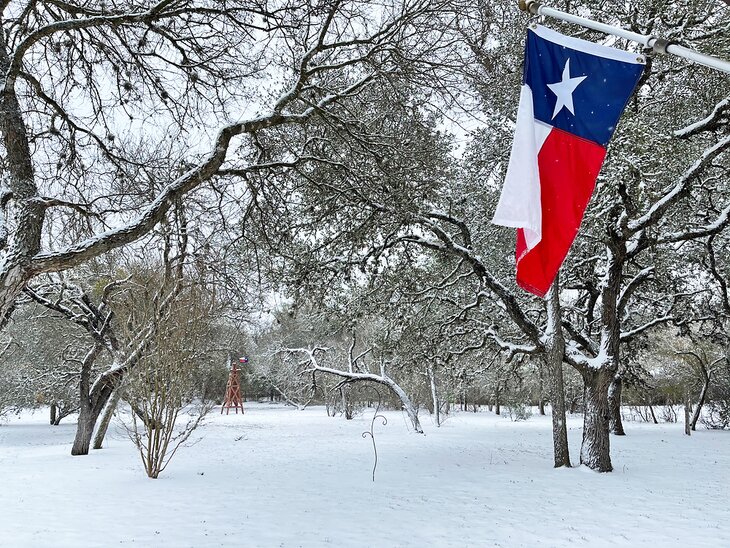
The city of Amarillo, situated in the heart of the Panhandle, is no stranger to winter. While not a constant blizzard, snowfall is a recurring event here, typically occurring from November through March. The average annual snowfall in Amarillo hovers around 18 inches, but this can fluctuate significantly from year to year. During particularly active winter storm seasons, accumulations can reach over 30 inches, transforming the landscape into a picturesque, albeit temporary, winter wonderland. These snow events often coincide with strong cold air masses meeting moisture from the Gulf of Mexico, creating classic winter storm scenarios. For travelers visiting the Palo Duro Canyon State Park, often dubbed the “Grand Canyon of Texas,” a dusting of snow can add a dramatic and stark beauty to the already breathtaking red rock formations.
North Texas and Oklahoma Border Regions
Moving south and east from the Panhandle, the likelihood of significant snowfall diminishes, but it doesn’t disappear entirely. Cities like Wichita Falls and Sherman, located in North Texas near the border with Oklahoma, can experience winter weather that includes a mix of freezing rain, sleet, and occasional light snow. While heavy snowfalls are rare, these events can still cause disruptions to travel and local life. The terrain in these areas is generally flatter, but the higher latitude compared to the rest of Texas makes them more prone to experiencing colder temperatures that can support snow.
West Texas: High Desert Chills and Occasional Whiteouts
West Texas, known for its arid climate and desert landscapes, also offers surprises when it comes to winter precipitation. While much of the region receives very little snow, higher elevations and specific storm patterns can lead to notable accumulations.
El Paso’s Mountain Snowfall
The city of El Paso, nestled at the westernmost tip of Texas and bordering Mexico, sits at the base of the Franklin Mountains. These mountains, reaching elevations of over 7,000 feet, often receive snow when colder air masses move in. While El Paso proper might only see a light dusting, the mountain peaks can be blanketed in several inches of snow. This provides a unique visual contrast: arid desert scenery below and snow-capped mountains above. For hikers and nature enthusiasts who brave the cold, visiting the Franklin Mountains State Park during a snowfall offers an exceptionally serene and visually striking experience, far removed from the typical image of a Texan landscape.
The Trans-Pecos Region
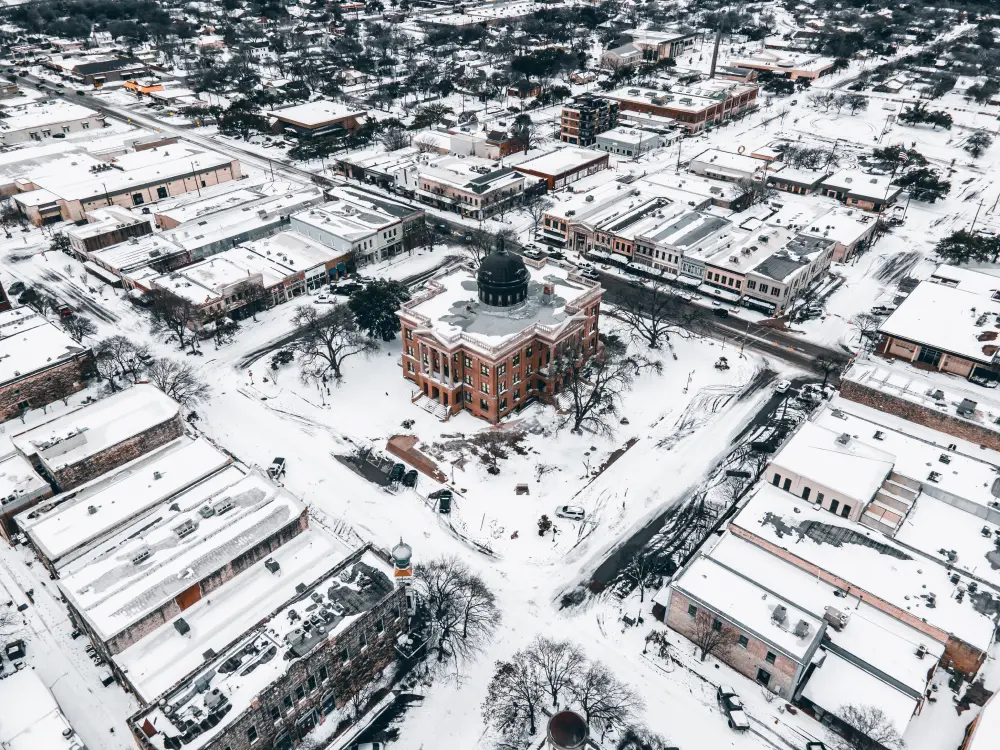
The broader Trans-Pecos region, encompassing areas like Marfa and Fort Davis, is characterized by its high desert terrain. While annual snowfall is generally low, typically under 10 inches, isolated storms can bring heavier amounts, especially to higher elevations such as those found around the Davis Mountains. These events, though infrequent, can create magical scenes where the rugged desert flora is dusted with white.
Central and South Texas: Rare but Memorable Flurries
Central and South Texas are the least likely regions to see snow. Their more southerly latitudes and proximity to the warm Gulf of Mexico generally keep temperatures too mild for sustained snowfall. However, rare atmospheric conditions can lead to fleeting, yet memorable, winter precipitation events.
A Winter Anomaly in Austin and San Antonio
Cities like Austin and San Antonio have experienced significant, albeit rare, snowfalls. These events are often the result of a precise alignment of a strong cold front, low atmospheric pressure, and sufficient moisture. When these conditions occur, typically in January or February, residents might wake up to a surprising blanket of white. These snow events are usually short-lived, melting within hours or a day as temperatures rise. However, they are deeply etched in the memories of those who witness them, often leading to impromptu snowball fights, unique photo opportunities, and a general sense of wonder. For a city known for its vibrant culture and outdoor activities, the sight of snow transforms familiar landmarks and parks into something extraordinary.
The Texas Coastline and Houston
Even the coastal areas, including Houston, have recorded instances of snow. While ice and sleet are more common winter hazards along the coast due to the proximity of moisture and cold air, actual snowflakes falling from the sky are exceptional. These occurrences are usually very light and melt upon contact, but they serve as a testament to the vast meteorological variability of Texas.
Preparing for a Texan Winter
While Texas is not a primary winter sports destination, understanding the potential for snow is important for residents and travelers alike.
Travel Considerations
If you are planning a trip to the Texas Panhandle or West Texas during the winter months, it is wise to monitor weather forecasts closely. Snow and ice can impact road conditions, especially in rural areas and on highways like Interstate 40. While emergency services are equipped to handle winter weather, travel delays are possible. It is advisable to have a vehicle prepared for cold weather, including good tires, and to carry an emergency kit.

Embracing the Winter Experience
For those who find themselves in Texas during a snowfall, it presents a unique opportunity to experience the state in a different light. Beyond the Panhandle, where snow can be a more regular occurrence, a snow event in Central or South Texas is a rare spectacle. It’s a chance to capture stunning photographs, enjoy a quiet and peaceful landscape, and appreciate the sheer diversity of this expansive state. Many Texans, particularly those who have moved from more northerly climes, cherish these rare snow days as a nostalgic reminder of winter. The brief novelty of snow can transform everyday routines into memorable adventures, offering a unique perspective on the natural beauty of Texas, from its red earth plains to its rolling hills. Whether it’s a substantial snowfall in Lubbock or a fleeting dusting in College Station, winter in Texas, though often mild, holds the potential for delightful and surprising whiteouts.
LifeOutOfTheBox is a participant in the Amazon Services LLC Associates Program, an affiliate advertising program designed to provide a means for sites to earn advertising fees by advertising and linking to Amazon.com. Amazon, the Amazon logo, AmazonSupply, and the AmazonSupply logo are trademarks of Amazon.com, Inc. or its affiliates. As an Amazon Associate we earn affiliate commissions from qualifying purchases.