
Embarking on a journey across the Florida panhandle connects two of the state’s most distinct cities: the bustling metropolis of Jacksonville, Florida on the Atlantic coast and the historic, Gulf Coast city of Pensacola, Florida. While both offer unique charms and attractions, understanding the distance and the nuances of traveling between them is crucial for planning an efficient and enjoyable trip. This extensive drive traverses a significant portion of the Sunshine State, demanding careful consideration of routes, stopovers, and travel methods. Whether you’re a local planning a weekend getaway or a visitor exploring Florida’s diverse landscapes, this guide provides an insightful look into the journey from Jacksonville to Pensacola.
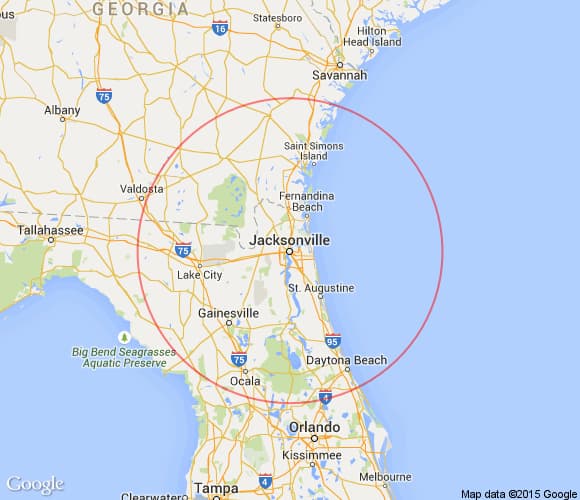
The Geographic Span: Understanding the Distance
The direct linear distance “as the crow flies” between Jacksonville and Pensacola is approximately 325 miles (523 kilometers). However, for practical travel purposes, particularly by road, the actual distance is significantly longer due to the winding nature of highways and the need to navigate around geographic features. The primary driving route typically spans about 355 to 370 miles (571 to 595 kilometers), depending on the specific starting and ending points within each city and any minor detours taken.
This extensive distance translates into a considerable amount of time behind the wheel. Under ideal driving conditions, with no significant traffic delays, construction, or prolonged stops, the drive typically takes between 5.5 to 6.5 hours. It’s important to note that this is a conservative estimate for continuous driving. Realistically, factoring in stops for fuel, meals, and rest, the total travel time will likely extend to 7 to 8 hours, making it a full day’s journey. The route primarily follows Interstate 10 (I-10) westward across the breadth of the Florida panhandle, passing through varying landscapes from dense pine forests to open farmlands. Understanding this significant commitment of time and distance is the first step in planning a successful cross-state excursion.
Navigating the Sunshine State: Route Options and Road Conditions
Traveling between Jacksonville and Pensacola primarily involves a straightforward route, though knowledge of potential road conditions and alternatives can enhance the travel experience.
The Primary Route: Interstate 10 West
The overwhelming majority of travelers opt for Interstate 10 West, which offers the most direct and efficient path. Beginning from Jacksonville, drivers merge onto I-10 and follow it westward for hundreds of miles, almost entirely to Pensacola. This interstate is a vital artery for east-west travel across the southern United States, generally well-maintained and designed for high-speed travel. The speed limit across much of this stretch is 70 mph, allowing for good progress.
Traffic conditions on I-10 are usually manageable outside of the immediate metropolitan areas of Jacksonville, Tallahassee, and Pensacola. During peak commuting hours in these cities, or during major holiday weekends, travelers might encounter slowdowns. However, for most of the journey through Florida’s more rural panhandle, traffic tends to be lighter, providing a relatively smooth drive. Services such as gas stations, fast food, and rest stops are regularly spaced along I-10 exits, particularly around larger towns like Lake City, Tallahassee, Marianna, and DeFuniak Springs.
Scenic Alternatives
While I-10 is the most practical choice for efficiency, travelers with ample time and a desire for a different experience might consider slight deviations. For example, once past Lake City, one could venture south towards Gainesville and then explore state routes that run more parallel to the Gulf Coast. However, these routes are significantly longer, slower, and involve more turns and smaller towns, adding several hours to the journey. They may offer glimpses of quaint small towns or natural areas not seen from the interstate, but for a direct trip, I-10 remains the undisputed choice. Planning for a scenic drive would necessitate an overnight stay.
Breaking Up the Journey: Recommended Stopovers and Attractions
Given the substantial length of the drive, integrating a strategic stopover can significantly enhance comfort and safety. The state capital, Tallahassee, offers an ideal mid-journey break point.
Mid-Journey Respite: Tallahassee
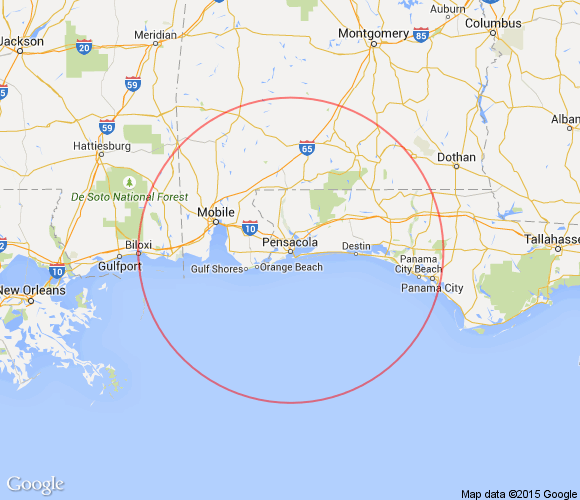
Roughly halfway between Jacksonville and Pensacola, Tallahassee serves as a perfect location to stretch your legs, grab a meal, or even spend the night. As the capital city, it boasts a variety of amenities and attractions. Travelers can visit the historic State Capitol Building and the adjacent New Capitol, offering panoramic views of the city. The vibrant campus of Florida State University provides a lively atmosphere, with numerous dining options ranging from casual eateries to upscale restaurants.
For those interested in a brief detour into nature, the St. Marks National Wildlife Refuge is approximately an hour south of Tallahassee, offering serene landscapes, birdwatching opportunities, and a historic lighthouse. While this adds to the overall travel time, it provides a tranquil break from the highway. Tallahassee also features numerous hotels and motels catering to all budgets, making it an excellent choice for an overnight stop if you prefer to split the drive over two days.
Other Notable Points Along the Way
While Tallahassee is the most prominent stop, other towns along I-10 offer convenient services:
- Lake City: Located earlier in the journey from Jacksonville, Lake City provides numerous gas stations and fast-food restaurants, ideal for a quick refuel or snack break.
- Marianna: West of Tallahassee, Marianna is another small town offering essential services. Nearby, the Florida Caverns State Park offers an unusual and interesting natural attraction if time permits for a slight diversion.
- DeFuniak Springs: Famous for its nearly perfectly round spring-fed lake, DeFuniak Springs offers a charming historic district and additional opportunities for fuel and food stops as you approach Pensacola.
Planning for these smaller stops can help maintain energy levels and prevent driver fatigue, making the long drive more manageable and enjoyable.
Beyond the Wheel: Alternative Transportation Options
While driving offers the most flexibility, other modes of transport exist for those who prefer not to undertake the long drive themselves.
Air Travel
For the fastest transit, flying is an option. Jacksonville International Airport (JAX) offers flights to Pensacola International Airport (PNS). However, direct flights are rare due to the relatively short distance by air. Most flights will involve at least one layover, typically in major hubs like Atlanta or Charlotte. This means that while the flight time itself might be shorter than driving, the total travel time—including check-in, security, layovers, and transfers to and from airports—can often rival or even exceed the driving time. Additionally, airfare costs can be significantly higher than the expense of fuel for a single traveler, though it might be competitive for those who value time savings. For multiple travelers, driving usually proves more economical.
Bus Services
Greyhound provides bus services connecting Jacksonville and Pensacola. This is generally the most budget-friendly option. However, bus journeys are often longer than driving due to multiple stops, varying routes, and transfer times. A bus trip could easily take 8 to 10 hours or more, depending on the schedule and number of intermediate stops. While it offers a convenient way to travel without the hassle of driving, it sacrifices speed and flexibility. Travelers opting for bus service should check schedules carefully and prepare for a lengthy journey. Currently, there is no viable passenger train service connecting these two specific cities across the Florida panhandle.

Preparing for Your Journey: Essential Travel Tips
A long road trip from Jacksonville to Pensacola calls for careful preparation to ensure a smooth and stress-free experience.
- Vehicle Maintenance: Before embarking on such a substantial drive, ensure your vehicle is in optimal condition. Check tire pressure, oil levels, brakes, and lights. A breakdown on I-10 can be a significant inconvenience.
- Best Time to Travel: The fall and spring seasons generally offer the most pleasant weather, with moderate temperatures and less chance of tropical storms, which are common during Florida’s summer and hurricane season. Traveling during off-peak hours (mid-day or late evening) can help avoid city traffic around Jacksonville and Tallahassee.
- Packing Essentials: Beyond your luggage, pack a cooler with water, snacks, and perhaps some light meals to minimize stops and save money. A first-aid kit, car charger for your phone, and a physical map (as a backup to GPS) are also wise additions.
- Navigation Tools: While I-10 is straightforward, a reliable GPS system or smartphone app is indispensable for real-time traffic updates and identifying services at upcoming exits.
- Roadside Assistance: Consider subscribing to a roadside assistance program or ensure your vehicle insurance includes it. This provides peace of mind in case of an unforeseen issue.
- Driver Fatigue: This is a long drive, and fatigue can be a serious risk. Plan for frequent breaks every 2-3 hours to stretch, refuel, or grab a coffee. If traveling with others, rotate drivers. If traveling solo, consider an overnight stop in Tallahassee.
- Flexibility: While planning is good, be prepared for unexpected delays. Road construction, weather changes, or traffic incidents can impact your schedule. Maintaining a flexible mindset will help manage any unforeseen circumstances.
By keeping these tips in mind, your journey across Florida’s diverse landscape from Jacksonville to Pensacola can be a smooth, comfortable, and ultimately rewarding experience.
LifeOutOfTheBox is a participant in the Amazon Services LLC Associates Program, an affiliate advertising program designed to provide a means for sites to earn advertising fees by advertising and linking to Amazon.com. Amazon, the Amazon logo, AmazonSupply, and the AmazonSupply logo are trademarks of Amazon.com, Inc. or its affiliates. As an Amazon Associate we earn affiliate commissions from qualifying purchases.