
Houston, Texas, a sprawling metropolis known for its vibrant culture, economic prowess, and Southern charm, is situated in a distinct geographical and cultural region of the United States. Understanding its regional placement is key to appreciating its identity, from its climate and natural surroundings to its historical development and the unique characteristics that define it as a major American city.
The Geographical Nexus of Southeast Texas
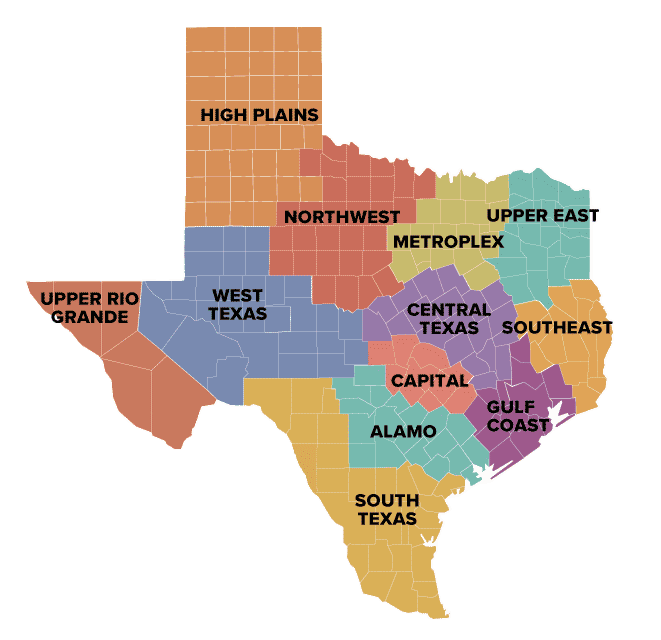
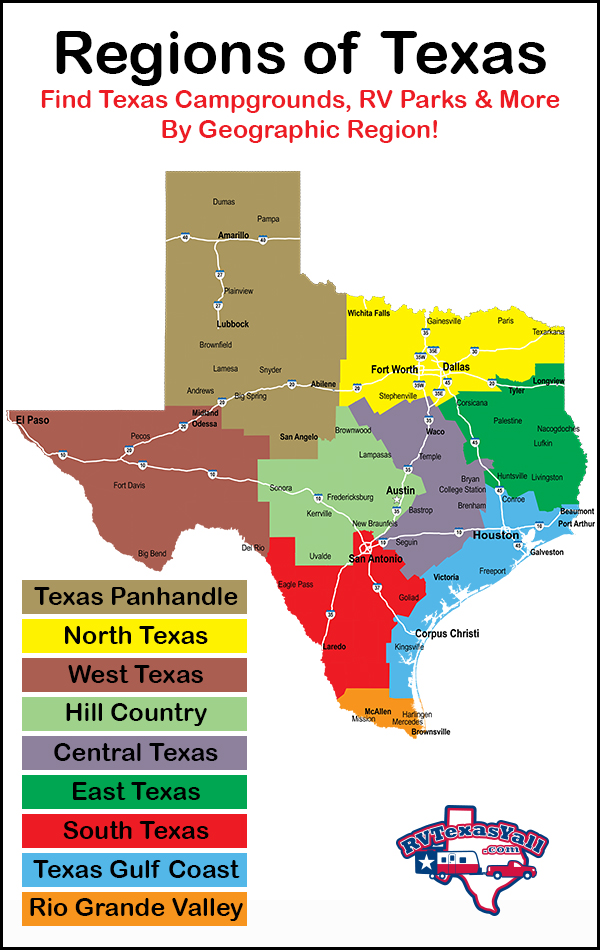
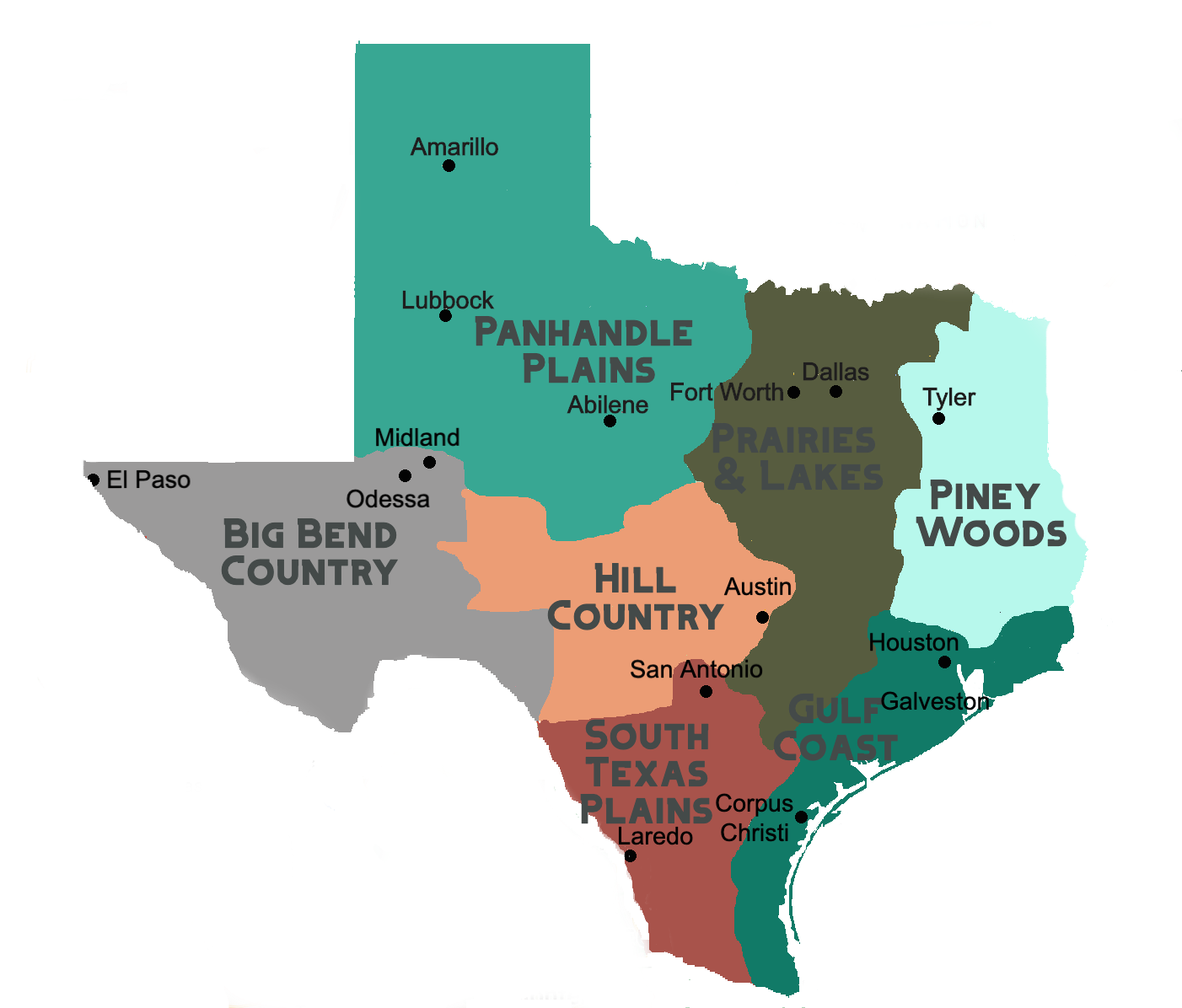
At its core, Houston is located in the Southeast Texas region. This designation places it firmly within the broader context of the Southern United States. More specifically, it resides in Harris County, the most populous county in Texas and the third most populous county in the United States. The city’s geographical footprint extends across several counties, illustrating its vast urban sprawl.
Coastal Plains and Proximity to the Gulf of Mexico
The immediate geography surrounding Houston is characterized by the Gulf Coastal Plains. This is a low-lying, relatively flat area that slopes gently towards the Gulf of Mexico. This proximity to the coast significantly influences Houston’s climate, which is humid subtropical, marked by hot summers and mild winters. The flatness of the terrain also has historical implications, impacting early development and infrastructure, and contributes to the city’s susceptibility to flooding.
The city’s namesake waterway, the Houston Ship Channel, is a crucial artificial waterway that connects the city to the Gulf of Mexico, approximately 50 miles to the southeast. This channel is a testament to the region’s historical reliance on maritime trade and its strategic importance as a port city. The presence of numerous bayous and waterways within and around the city, such as Buffalo Bayou, further underscores its watery landscape. These natural features, while contributing to the region’s biodiversity, also necessitate significant urban planning and engineering to manage water resources and prevent flooding.
Climate and Environmental Factors
Houston’s climate is a defining feature of its Southeast Texas location. The humid subtropical climate means long, hot, and humid summers, with average high temperatures often exceeding 90°F (32°C). Winters are typically mild, with infrequent freezes, allowing for a longer growing season and contributing to the city’s lush vegetation. The region also experiences a significant amount of rainfall, distributed relatively evenly throughout the year, though tropical storms and hurricanes originating in the Gulf of Mexico pose a recurring threat.
This climate influences everything from the architecture of its buildings, designed to cope with heat and humidity, to the types of outdoor activities that are popular. It also plays a role in the region’s diverse ecosystems, supporting a variety of plant and animal life. Understanding these environmental factors is crucial for anyone planning a visit or considering a long-term stay in Houston.
A Cultural Crossroads: Southern Hospitality Meets Texan Spirit
Houston’s regional identity is a fascinating blend of Southern culture and the distinct Texan spirit. While it shares many cultural traits with other Southern cities – a certain pace of life, a love for barbecue, and a prominent role of faith in community – it also possesses an independence and boldness that is uniquely Texan.
Southern Influences and Traditions
The influence of the American South is evident in Houston’s social fabric. You’ll find traditions like the “Southern belle” ethos, a strong emphasis on politeness and hospitality, and a deep appreciation for certain culinary staples. This is complemented by a significant African American heritage, deeply woven into the cultural tapestry of the region, contributing significantly to its music, food, and history. The city is also home to a substantial Cajun and Creole influence from neighboring Louisiana, particularly noticeable in its culinary scene.
The Texan Identity: Independence and Innovation
Juxtaposed with its Southern roots is the undeniable Texan identity. Texas is a state that prides itself on self-reliance, a can-do attitude, and a pioneering spirit. This translates into Houston’s forward-thinking approach to business and innovation, particularly in sectors like energy, aerospace, and medicine. The city’s vast size and independent spirit often lead to comparisons with other major American metropolises, yet it retains a distinct flavor that sets it apart. This blend creates a unique cultural dynamic, where traditional Southern politeness meets Texan straightforwardness.
Houston’s Position in the Broader American Landscape
Geographically, Houston is a vital hub in the southwestern United States. Its positioning in Southeast Texas links it to other major Texan cities and provides crucial access to trade routes, both domestic and international.
Relationship with Major Texan Cities
Houston is one of the four largest cities in Texas, often referred to as the “Texas Triangle,” alongside Dallas, San Antonio, and Austin. While each city has its own distinct regional identity, they are interconnected through major transportation arteries and economic ties. Houston’s location gives it a unique advantage in terms of port access and proximity to the Gulf Coast, differentiating it from its more inland counterparts. For instance, Dallas, located in North Texas, has a different climate and a more pronounced Midwestern influence. San Antonio, in South Texas, carries a strong Hispanic heritage and historical legacy. Austin, the state capital, is known for its live music scene and progressive culture. Houston, by contrast, embodies a cosmopolitan blend, fueled by its global industries and diverse population.
Economic and Transportation Significance
As a major port city and a global center for the energy industry, Houston’s economic reach extends far beyond its regional borders. The Port of Houston is one of the busiest in the United States, facilitating international trade and contributing significantly to the national economy. This economic dynamism attracts a diverse population, further enriching the city’s cultural landscape and contributing to its status as a truly global city.
Its strategic location makes it a critical node in national and international transportation networks. Major interstates, extensive rail lines, and its international airports, including George Bush Intercontinental Airport and William P. Hobby Airport, connect Houston to virtually every corner of the globe. This connectivity reinforces its role not just as a regional center but as a significant player on the world stage.
Exploring Houston’s Distinctive Region
Understanding that Houston is in Southeast Texas, a humid subtropical region on the Gulf Coastal Plains, provides a foundational context for exploring its many facets. This regional identity shapes its climate, its natural environment, its cultural expressions, and its economic significance.
Natural Attractions and Outdoor Activities
The proximity to the Gulf of Mexico offers unique opportunities for outdoor enthusiasts. While the immediate area around Houston is largely urbanized, day trips can lead to coastal destinations like Galveston Island, a historic beach town offering sandy shores, Victorian architecture, and a vibrant pier. Further afield, the Big Thicket National Preserve, a unique ecological area showcasing a diverse array of plant life and ecosystems, is accessible for those seeking a more rugged natural experience. The numerous parks and green spaces within Houston itself, such as Hermann Park and the Buffalo Bayou Park, offer urban oases for recreation and enjoying nature amidst the city bustle.
Cultural Institutions and Urban Exploration
Houston’s regional positioning has also fostered a rich tapestry of cultural institutions. The Museum District is home to numerous world-class museums, including the Museum of Fine Arts Houston and the Houston Museum of Natural Science, offering insights into art, science, and history. The city’s diverse population has given rise to a vibrant culinary scene, ranging from authentic Tex-Mex and barbecue to international cuisines reflecting its global ties. Exploring neighborhoods like the Montrose district or the Third Ward reveals distinct cultural pockets, each with its own character and offerings.
In conclusion, Houston, Texas, is firmly rooted in the Southeast Texas region, a location that dictates its climate, its relationship with the natural world, and its unique cultural blend of Southern charm and Texan independence. This regional identity is a vital element in understanding the dynamism and appeal of this major American city.
LifeOutOfTheBox is a participant in the Amazon Services LLC Associates Program, an affiliate advertising program designed to provide a means for sites to earn advertising fees by advertising and linking to Amazon.com. Amazon, the Amazon logo, AmazonSupply, and the AmazonSupply logo are trademarks of Amazon.com, Inc. or its affiliates. As an Amazon Associate we earn affiliate commissions from qualifying purchases.