
The role of a hotel night auditor is a vital, albeit often unseen, component of a smooth-running hospitality establishment. While most guests are enjoying their slumber or engaging in late-night activities, the night auditor is hard at work, ensuring the financial integrity and operational continuity of the hotel. This position bridges the gap between the front desk operations of the day and the beginning of a new business cycle, requiring a unique blend of meticulousness, responsibility, and a thorough understanding of hotel systems. From reconciling financial transactions to preparing reports and handling any late-night guest needs, the night auditor is the guardian of the hotel’s books and a crucial point of contact during off-peak hours.
The Core Responsibilities of a Night Auditor
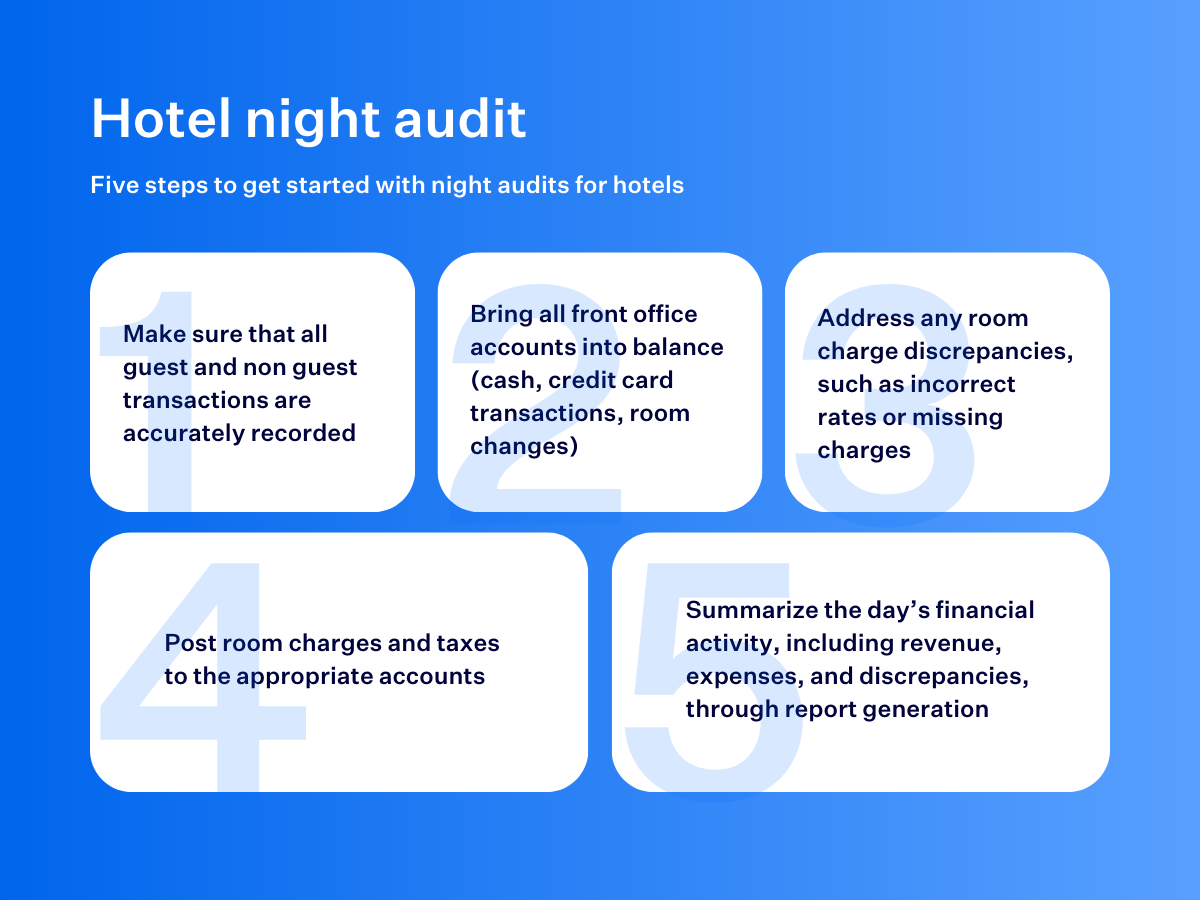
At its heart, the night auditor’s job revolves around the financial reconciliation of the hotel’s operations. This involves a detailed process of ensuring that all charges, payments, and adjustments from the previous day have been accurately recorded and accounted for. It’s a critical step in maintaining the financial health of the hotel, preventing discrepancies, and providing management with accurate performance data.
Daily Financial Reconciliation
The most significant duty of a night auditor is to close out the business day. This process begins after the last guest checks out or after the hotel’s designated closing time. The auditor reviews all financial transactions that have occurred during the day. This includes:
- Posting charges: Ensuring all room charges, restaurant bills, mini-bar consumption, and other services rendered to guests have been correctly posted to their respective folios.
- Processing payments: Verifying that all payments, whether by cash, credit card, or other methods, have been received and correctly applied. This involves reconciling credit card batches, comparing them against the transactions processed by the front desk.
- Auditing cash drawers: If the hotel handles cash transactions, the auditor will count and reconcile the cash collected by the front desk, comparing it against the recorded sales.
- Reviewing voids and adjustments: Investigating any cancelled charges, discounts, or adjustments made throughout the day to ensure they are legitimate and properly authorized.
- Cross-referencing reports: Comparing various reports generated by the hotel’s Property Management System (PMS) to identify any inconsistencies. This might include comparing room revenue reports with occupancy figures, or beverage and food sales from the restaurant POS system with the hotel’s PMS.
This rigorous audit process is essential for identifying errors before they become larger problems and for providing a clean slate for the next day’s operations. It’s a meticulous task that requires extreme attention to detail, as even small errors can accumulate and lead to significant financial inaccuracies.
Preparing and Analyzing Reports
Once the daily transactions have been reconciled, the night auditor compiles a series of crucial reports for hotel management. These reports offer a snapshot of the hotel’s performance for the day and provide insights into various operational aspects. Common reports include:
- Daily Revenue Report: Summarizing all revenue generated from rooms, food and beverage, and other hotel services.
- Occupancy Report: Detailing the number of occupied rooms, the average daily rate (ADR), and the revenue per available room (RevPAR).
- Guest Ledger Report: Showing all outstanding balances for in-house guests.
- City Ledger Report: Detailing accounts owed by corporate clients or other entities that are billed separately.
- Credit Card Summary: Outlining all credit card transactions processed, often including authorization codes and batch numbers.
- Departmental Reports: Breaking down revenue and expenses by department (e.g., Rooms Division, Food & Beverage, Banquets).
These reports are not just for record-keeping; they are valuable tools for management to make informed decisions. The night auditor’s accuracy in compiling these reports directly impacts the hotel’s strategic planning, marketing efforts, and financial forecasting.
Beyond the Books: Operational Duties
While financial reconciliation is paramount, the night auditor’s responsibilities extend to maintaining the operational flow of the hotel during the night. This often involves stepping into a front desk role, handling guest needs, and ensuring security and order.
Front Desk Operations During Night Hours
The night auditor often serves as the sole representative of the front desk during their shift. This means they are responsible for:
- Late Check-ins and Early Check-outs: Welcoming guests arriving late at night or assisting those departing before the morning shift begins. This includes processing payments, issuing keys, and providing essential information about the hotel and its amenities.
- Guest Assistance: Responding to guest inquiries, requests, and issues that may arise during the night. This could range from providing extra towels to addressing noise complaints or assisting with room lock-outs.
- Handling Emergencies: Being prepared to respond to minor emergencies and knowing the protocols for escalating more serious situations to security or management.
- Wake-up Calls: Ensuring that guests who have requested wake-up calls receive them promptly.

This aspect of the job requires excellent customer service skills, the ability to remain calm under pressure, and a comprehensive understanding of hotel policies and procedures. The night auditor is often the first and last impression a guest has of the hotel during their stay, making their professionalism crucial.
Security and Safety Protocols
During the quieter hours of the night, the night auditor plays a role in maintaining the security and safety of the hotel premises. This can include:
- Monitoring Security Cameras: Periodically checking security camera feeds to ensure all areas are secure and to identify any suspicious activity.
- Performing Patrols: In some smaller establishments, the night auditor might conduct brief security patrols of common areas and parking lots.
- Securing the Premises: Ensuring that all doors, windows, and access points are properly secured at appropriate times.
- Responding to Alarms: Investigating any triggered alarms and following established protocols for response.
While not a dedicated security guard, the night auditor acts as an additional layer of oversight, contributing to a safe environment for guests and staff.
Essential Skills and Qualifications
The demands of the night auditor role necessitate a specific set of skills and qualifications. The ability to work independently, manage time effectively, and possess a strong aptitude for numbers are all crucial.
Technical Proficiency
A thorough understanding of hotel management software is non-negotiable. This includes proficiency with the Property Management System (PMS) used by the hotel, which is the central hub for all guest information and financial transactions. Familiarity with point-of-sale (POS) systems used in restaurants and bars is also beneficial, as the auditor often needs to reconcile data from these systems.
Financial Acumen and Attention to Detail
The core of the job lies in its financial nature. Night auditors must possess:
- Strong Mathematical Skills: The ability to perform calculations quickly and accurately is fundamental for reconciling various financial accounts.
- Exceptional Attention to Detail: Errors in financial auditing can have significant consequences. A meticulous approach is required to catch even the smallest discrepancies.
- Understanding of Accounting Principles: While not necessarily requiring a full accounting degree, a basic grasp of debits, credits, and general accounting practices is highly advantageous.
Interpersonal and Communication Skills
Despite the often solitary nature of the night shift, the night auditor interacts with guests and, crucially, with the day and evening shifts. Effective communication is key for:
- Handover Reports: Providing clear and concise summaries of the night’s activities, any issues encountered, and pending tasks to the incoming morning shift.
- Guest Interaction: Maintaining a professional and friendly demeanor when dealing with guests, resolving issues, and providing information.
- Reporting to Management: Clearly communicating findings, discrepancies, or unusual events to hotel management.
The Night Auditor’s Place in Hotel Operations
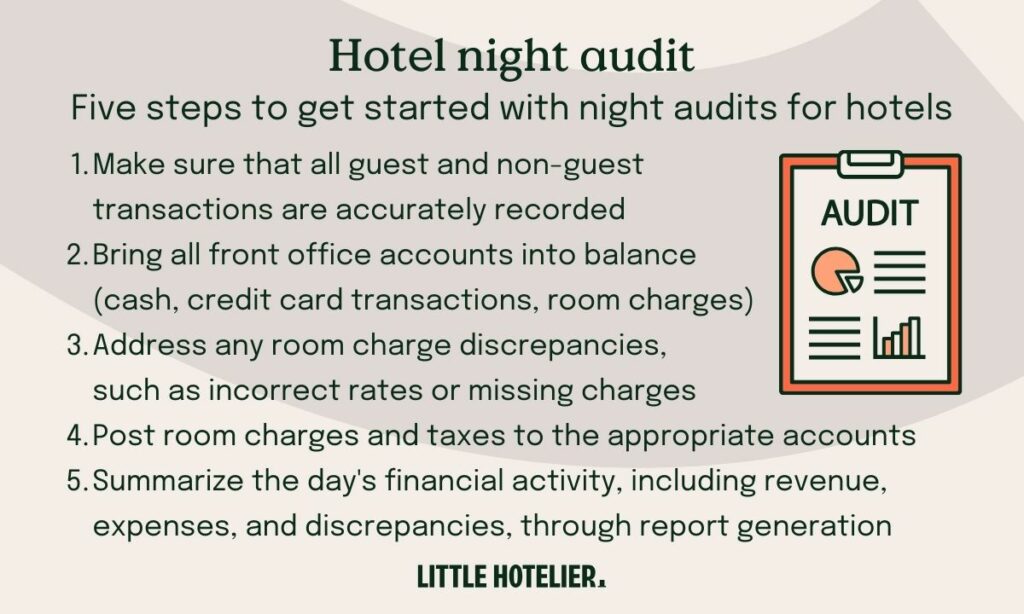
The night auditor is more than just an evening desk clerk; they are an integral part of the hotel’s financial and operational backbone. Their work ensures that the hotel’s financial records are accurate, up-to-date, and ready for review, facilitating informed decision-making for management. They are the silent guardians who ensure that as the world outside sleeps, the business of the hotel continues to be managed with precision and care.
In large hotel chains like Marriott International or Hilton Hotels & Resorts, the night auditor’s role is highly structured and integrated into the broader accounting department. In smaller boutique hotels or independent establishments, the role might be more generalized, with the night auditor taking on additional responsibilities. Regardless of the setting, the dedication and accuracy of the night auditor are indispensable to the successful operation of any hotel, from the bustling Times Square in New York City to a serene resort in the Maldives.
LifeOutOfTheBox is a participant in the Amazon Services LLC Associates Program, an affiliate advertising program designed to provide a means for sites to earn advertising fees by advertising and linking to Amazon.com. Amazon, the Amazon logo, AmazonSupply, and the AmazonSupply logo are trademarks of Amazon.com, Inc. or its affiliates. As an Amazon Associate we earn affiliate commissions from qualifying purchases.