
Miami, a vibrant metropolis on Florida’s southeastern coast, is renowned for its sun-drenched beaches, pulsating nightlife, and diverse cultural tapestry. This dynamic city draws millions of visitors annually, eager to experience its unique blend of Latin American flair and American energy. However, alongside its undeniable allure, Miami consistently ranks among the priciest destinations in the United States, a fact that often surprises even seasoned travelers. Understanding the underlying economic forces that contribute to Miami’s elevated cost of living and visiting is key to appreciating its unique market dynamics.
The Economic Drivers of Miami’s High Costs
Miami’s status as an expensive city is not a recent phenomenon but rather a culmination of interconnected economic factors. From its prime geographic location to its burgeoning international appeal, several core elements drive up the price of nearly everything, from a simple cup of coffee to a luxury hotel stay.

Real Estate and Property Values
Perhaps the most significant contributor to Miami’s high cost is its incredibly expensive real estate market.
Demand Outstripping Supply
Miami’s desirable climate, beautiful beaches, and active lifestyle attract a constant influx of new residents and investors. This sustained demand, particularly from international buyers, places immense pressure on available housing and commercial properties. The limited land available due to its coastal geography further exacerbates this issue, preventing significant outward expansion.
Investment Hub
The city has also become a magnet for real estate investment, both domestic and international. Wealthy individuals and investment firms view Miami property as a secure and potentially lucrative asset. This speculative buying, coupled with the high demand from owner-occupiers and renters, drives up property values and, consequently, rental rates and the cost of goods and services that depend on commercial real estate.
Luxury Development
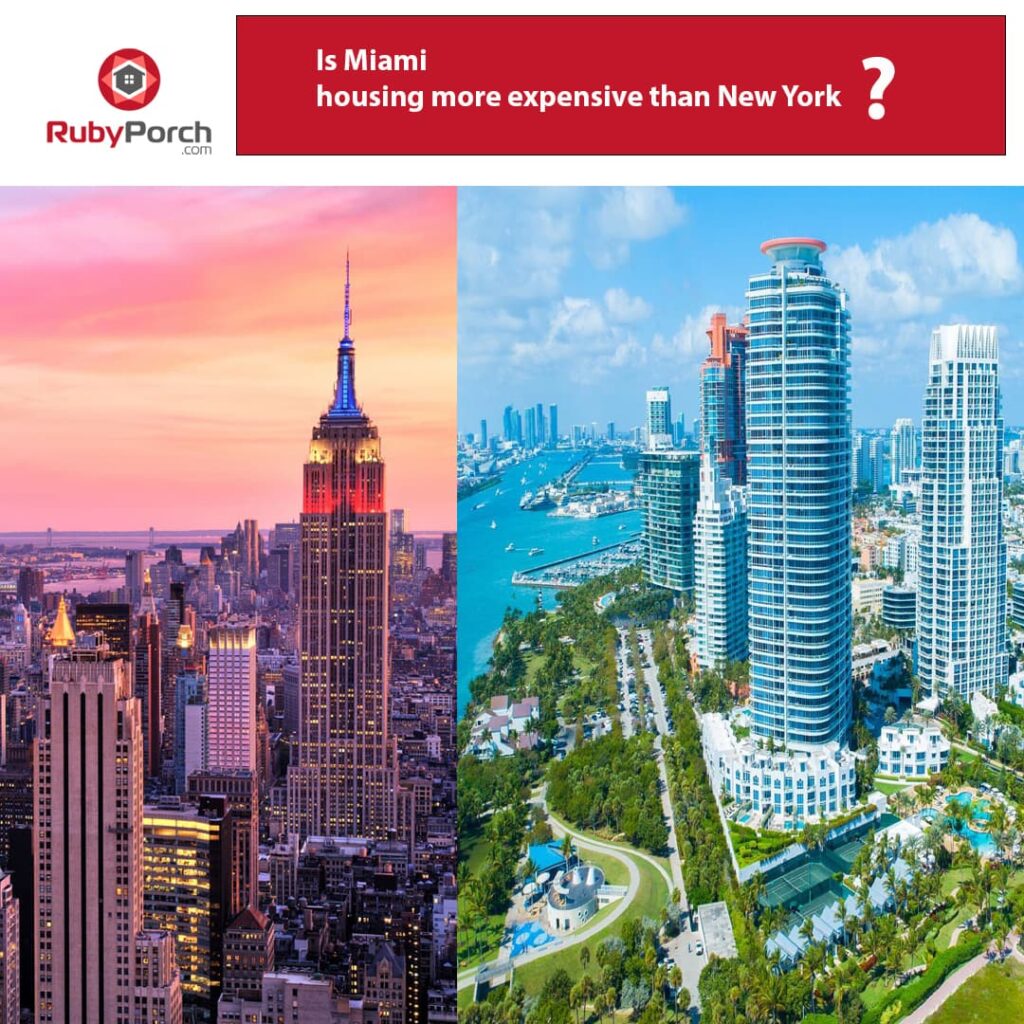
This real estate boom has fueled a wave of luxury condominium and apartment development, particularly in areas like Brickell and Miami Beach. While these developments add to the city’s modern skyline and offer premium living experiences, they also set a higher benchmark for housing costs across the board. Even standard apartments and houses see their prices influenced by the surrounding luxury market.
Tourism and Hospitality Sector Costs
The thriving tourism industry in Miami is a double-edged sword. While it injects vital revenue into the local economy, it also contributes significantly to the city’s overall expense.
High Demand for Services
With millions of tourists visiting annually, the demand for hotels, restaurants, transportation, and entertainment is consistently high. This sustained demand allows businesses within the hospitality sector to command premium prices, especially during peak seasons such as winter and spring break. Hotels in desirable locations like South Beach can charge exorbitant rates, reflecting their prime positioning and the perceived value of a Miami vacation.
Operating Expenses
Operating a hospitality business in Miami is also inherently costly. High commercial rents, labor costs (influenced by the high cost of living for employees), and the expense of maintaining high-quality facilities in a warm, humid climate all contribute to inflated prices for consumers. The cost of importing certain goods and services that are not locally produced can also add to operational overhead.
Premium Experiences
Miami has cultivated a reputation for offering premium experiences, from world-class dining to exclusive nightlife. To maintain this image and cater to a clientele willing to pay for luxury, establishments often price their offerings accordingly. This creates a tiered pricing structure where exceptional quality and exclusivity come with a significant price tag.
Infrastructure and Cost of Living
Beyond the direct impacts of real estate and tourism, the general cost of living in Miami affects prices across the board, influencing everything a visitor might encounter.
Transportation Costs
Getting around Miami can also be expensive. While public transportation exists, it may not always be as comprehensive or convenient as in other major cities. This often leads to greater reliance on ride-sharing services, taxis, and rental cars, all of which contribute to transportation expenses. Fuel costs and parking fees in popular areas further add to the burden.
Goods and Services
The high cost of doing business in Miami, driven by real estate, labor, and operational expenses, naturally trickles down to the price of everyday goods and services. Groceries, dining out, entertainment, and even basic necessities often come with a higher price tag compared to less desirable or less economically dynamic cities. This means that even simple tourist activities can quickly add up.
Local Wages and Labor Market
The economic buoyancy of Miami has also led to a competitive labor market with generally higher wages than in many other parts of the country. While this is beneficial for residents, it increases labor costs for businesses, which are then passed on to consumers through higher prices for goods and services. This creates a cycle where a higher cost of living supports higher wages, which in turn supports a higher cost of living.
Understanding Miami’s Unique Market Dynamics
Miami’s expensiveness is not merely a matter of simple supply and demand; it’s a complex interplay of global economic forces, unique local characteristics, and a deliberate cultivation of a high-end image.
Global Appeal and Foreign Investment
Miami has successfully positioned itself as a global city, attracting not only domestic tourism and residents but also significant foreign investment and a diverse international population.
Gateway to the Americas
Its strategic location makes it a natural gateway to Latin America and the Caribbean, fostering strong economic and cultural ties with these regions. This has led to a significant influx of Latin American buyers and investors, eager to secure property in a stable, high-growth market.
International Magnet for the Affluent
Beyond the Americas, Miami attracts affluent individuals from around the world seeking a vibrant lifestyle, a favorable tax environment, and a secure place to invest. This global demand further inflates property values and contributes to the city’s luxury appeal.
The “Miami Lifestyle” Premium
The city has actively cultivated an image of glamour, luxury, and exclusivity, which inherently commands a premium.
Branding and Marketing
From its world-renowned Art Deco Historic District to its vibrant Wynwood Walls art scene and its glamorous hotel offerings like the Fontainebleau Miami Beach, Miami’s brand is meticulously managed to attract a discerning clientele. This branding effort, while successful in drawing visitors, also justifies higher price points.
High-End Services and Experiences
The availability of high-end shopping, fine dining, exclusive clubs, and luxury resorts reinforces the perception that Miami is a destination for those with disposable income. This curated experience means that even standard services might be elevated in presentation and price to match the city’s overall image.
Navigating Miami’s Expenses as a Traveler
While Miami’s price tag can be daunting, understanding the factors at play allows travelers to plan more effectively and make informed decisions.
Strategic Timing for Travel
The seasonality of tourism in Miami significantly impacts prices.
Peak vs. Off-Peak Seasons
Visiting during the shoulder seasons (spring and fall, excluding spring break) or the summer months can often yield more affordable rates for accommodations and flights. The intense demand during the winter months, when many seek to escape colder climates, drives prices sky-high.
Accommodation Choices
The type and location of accommodation play a crucial role in budget management.
Beyond Luxury Resorts
While iconic resorts like the Biltmore Hotel offer unparalleled luxury, exploring boutique hotels in less central neighborhoods, vacation rentals, or even hotels a few blocks away from the immediate beachfront can offer substantial savings. Areas like Midtown or parts of Coral Gables might offer better value while still providing access to the city’s attractions.
Dining and Entertainment Strategies
Miami’s culinary scene is a major draw, but it can also be a budget-buster.
Exploring Local Flavors
Venturing beyond the high-end restaurants in South of Fifth or Design District can reveal authentic and affordable culinary gems. Exploring neighborhoods like Little Havana or seeking out food trucks and casual eateries offers a taste of Miami’s diverse culture without the exorbitant prices.
Free and Low-Cost Activities
Miami offers a wealth of free or low-cost activities that allow visitors to experience its charm without breaking the bank. Strolling along Ocean Drive, exploring the public art installations, relaxing on the beaches, and enjoying the vibrant street life are all memorable experiences that don’t require a significant financial outlay. Visiting free attractions like the Vizcaya Museum & Gardens (though it has an admission fee) during specific promotional periods can also offer value.
Conclusion: Value Beyond the Price Tag
Miami’s expense is a direct consequence of its desirability, economic vitality, and successful branding as a premier global destination. The city offers an unparalleled blend of culture, entertainment, and natural beauty, attracting a diverse crowd that fuels its robust tourism and real estate markets. For travelers, understanding these contributing factors empowers them to navigate the city’s costs more effectively, allowing them to experience the magic of Miami without being solely defined by its price tag. The value derived from a trip to Miami often extends far beyond the monetary cost, encompassing unforgettable experiences and a deep appreciation for its unique, energetic spirit.
LifeOutOfTheBox is a participant in the Amazon Services LLC Associates Program, an affiliate advertising program designed to provide a means for sites to earn advertising fees by advertising and linking to Amazon.com. Amazon, the Amazon logo, AmazonSupply, and the AmazonSupply logo are trademarks of Amazon.com, Inc. or its affiliates. As an Amazon Associate we earn affiliate commissions from qualifying purchases.