
The phrase “run of house” (ROH) in the hotel industry can be a bit of a mystery to the uninitiated traveler. It’s a term that often appears during the booking process, especially when dealing with wholesale bookings, tour operators, or group rates. Understanding its implications is crucial for both the hotelier managing inventory and the guest expecting a certain level of accommodation. Essentially, a run of house room assignment means that the guest will be allocated any available room within the hotel, based solely on what is open at the time of check-in, without specific room type requests being guaranteed. This practice offers a unique blend of flexibility for the hotel and potential for unexpected delights (or surprises) for the guest.
The Mechanics of Run Of House Assignments
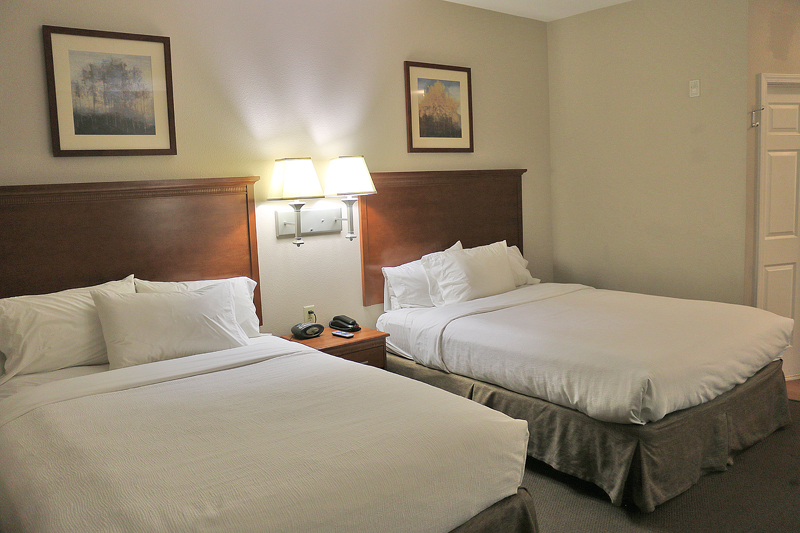
At its core, run of house is an inventory management strategy employed by hotels. It allows the hotel to maximize occupancy and revenue by assigning rooms dynamically. Instead of pre-assigning specific room types to particular bookings, the hotel reserves the right to allocate any vacant room at the moment a guest checks in. This flexibility is particularly valuable for hotels that experience fluctuating occupancy rates or have a diverse range of room categories.
Room Categories and Allocation
Hotels typically categorize their rooms based on size, view, amenities, and floor level. These can range from standard rooms to deluxe rooms, superior rooms, suites, and specialty rooms with unique features like balconies or premium views. In a standard booking, a guest might select and pay for a specific room type, ensuring they know what to expect upon arrival. With a run of house booking, however, the guest relinquishes this specificity.
When a guest arrives with a run of house reservation, the front desk agent or the hotel’s reservation system will assign them whatever room is available at that moment. This could be anything from a basic standard room to a more premium option if those are the only ones left. Conversely, it could also mean being assigned a standard room even if higher categories are available, as the hotel prioritizes filling all its rooms. The key takeaway is that the guest has no pre-determined room type.
Benefits for Hotels
The primary advantage of the run of house system for hotels lies in its operational efficiency and revenue optimization.
Inventory Management and Occupancy Maximization
Hotels, like any business, strive to achieve high occupancy rates. Run of house bookings allow hotels to sell rooms without the constraints of specific room type commitments. This is especially beneficial during shoulder seasons or periods of uncertainty where forecasting exact demand for each room category is challenging. By offering rooms on a run of house basis, hotels can ensure that all available rooms are potentially filled, thereby reducing vacancies and maximizing overall occupancy. This dynamic allocation also helps in moving slower-selling room types by assigning them to ROH guests when more desirable rooms are occupied.
Reduced Administrative Overhead
Pre-assigning rooms to every booking can be a complex and time-consuming process, requiring constant monitoring of availability and guest preferences. Run of house simplifies this by deferring the allocation decision until the point of check-in. This streamlines the check-in process for staff and reduces the administrative burden associated with detailed room assignments, particularly for large groups or tour packages.
Upselling Opportunities
While a run of house booking guarantees a room, it doesn’t guarantee a specific type. This opens up opportunities for the hotel to upsell guests at check-in. If a guest is assigned a standard room but expresses a desire for a room with a better view or more space, the hotel can offer an upgrade for an additional fee. This can be a win-win situation, satisfying the guest’s desire for a better experience while generating ancillary revenue for the hotel. The Four Seasons Hotel London at Park Lane, for example, might strategically use ROH for certain packages to encourage such upgrades.
Implications for Travelers
For travelers, booking a room on a run of house basis can be a mixed bag. It often comes with a reduced price point, making it an attractive option for budget-conscious individuals or groups. However, it also means relinquishing control over certain aspects of their stay.
Potential for Value and Savings
One of the biggest draws of run of house is the potential for cost savings. Because the guest is not guaranteed a specific premium room, the price is often lower than booking a specific room type. This can be a significant advantage, especially for travelers who prioritize experiencing the hotel and its location over the specifics of their room. For instance, a traveler visiting Disneyland Paris might opt for an ROH room in a partner hotel to save money for park tickets and experiences.
The “Surprise” Element
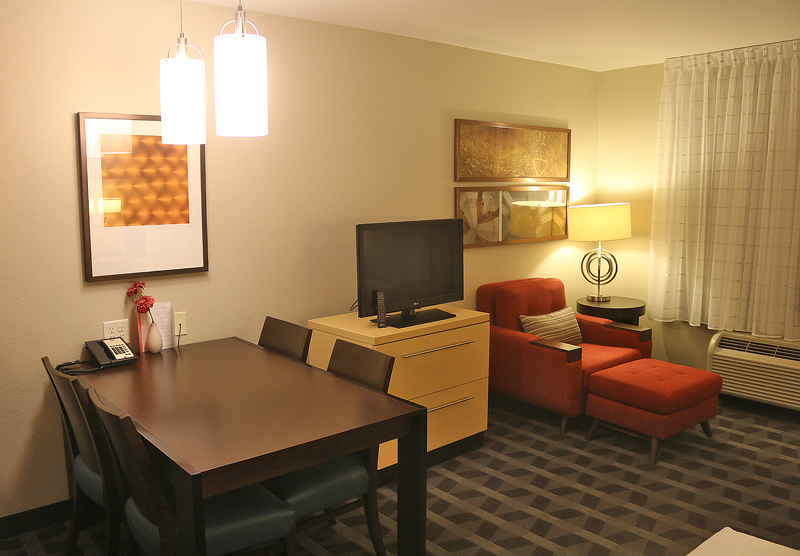
A run of house booking introduces an element of surprise. Guests might be pleasantly surprised to find themselves in a superior room or even a suite if those happen to be the available options upon arrival. This can add an unexpected layer of excitement to the travel experience. Imagine booking an ROH room and being allocated a room with a stunning view of the Eiffel Tower – a delightful bonus!
Uncertainty and Potential Disappointment
Conversely, the lack of certainty can also lead to disappointment. Guests booking on an ROH basis might end up in a standard room, even if they were hoping for something more. This is particularly true during peak seasons or when the hotel is operating at high occupancy, as the chances of being assigned a lower-tier room increase. If a guest has specific needs, such as accessibility requirements or a strong preference for a quiet room away from elevators, an ROH booking might not be suitable.
Managing Expectations
It is crucial for travelers to understand what run of house entails before making a booking. Reading the fine print, asking clarifying questions from the booking agent, or directly contacting the hotel are essential steps. If specific room features or types are non-negotiable, an ROH booking is best avoided. Instead, focusing on hotels that allow specific room type bookings, like the Waldorf Astoria Chicago, would be more appropriate.
When is Run Of House Most Suitable?
Run of house bookings are generally best suited for certain types of travelers and travel scenarios:
- Budget Travelers: Those looking to maximize their spending on experiences rather than accommodation.
- Tour Groups and Package Deals: Often, tour operators secure blocks of ROH rooms from hotels to offer competitive package prices.
- Flexible Travelers: Individuals who are adaptable and not overly concerned with the specifics of their room as long as it is clean, comfortable, and functional.
- Short Stays: For a one-night stopover, the room type might be less critical than for an extended vacation.
- Loyalty Program Members: Hotel loyalty programs sometimes offer upgrades to elite members, which might mitigate the risk of being assigned a less desirable room, even on an ROH basis. For example, a Marriott Bonvoy elite member staying at a JW Marriott property might benefit from this.
Run Of House vs. Other Booking Terms
It’s important to differentiate run of house from other similar terms that might appear in hotel bookings.
Guaranteed Room Type vs. Run Of House
The most fundamental difference lies in specificity. When you book a specific room type (e.g., “King Bed Deluxe Room”), you are guaranteed that particular category. Run of house, as discussed, offers no such guarantee. The hotel’s inventory and allocation strategy dictate the assigned room. This distinction is critical for travelers who have particular preferences or needs that a standard room might not fulfill.
Specific Room Assignment Policies
Some hotels have stricter policies regarding room assignments even within ROH. For example, a hotel might reserve its highest floors or rooms with the best views for guests who book those specific categories. An ROH guest would typically be assigned from the general pool of available rooms, which might include these desirable features only if they remain unsold by the time of check-in. Hotels like The Plaza Hotel in New York City often have highly sought-after rooms that are typically booked specifically.
Upgrade Policies
The possibility of an upgrade is often linked to ROH bookings, but it’s not a guarantee. Hotels may choose to upgrade ROH guests based on availability, loyalty status, or as a gesture of goodwill. However, a guest who has paid for a specific room type might be less likely to receive a complimentary upgrade unless it’s to a better version of the room they booked. Understanding the hotel’s upgrade policy in conjunction with an ROH booking can help manage expectations.

Conclusion: Navigating the ROH Landscape
Run of house is a practical tool for hotels to manage their inventory efficiently and a potential cost-saving option for travelers. For the discerning traveler, understanding its meaning is key to making informed booking decisions. It offers flexibility and potential value but comes with the inherent risk of not getting a specific room type. By carefully considering personal priorities, budget, and travel style, guests can determine whether a run of house booking aligns with their expectations for a comfortable and enjoyable stay. Whether you are looking for a budget-friendly stay in Las Vegas or a simple base for exploring Rome, knowing what ROH signifies empowers you to book with confidence.
LifeOutOfTheBox is a participant in the Amazon Services LLC Associates Program, an affiliate advertising program designed to provide a means for sites to earn advertising fees by advertising and linking to Amazon.com. Amazon, the Amazon logo, AmazonSupply, and the AmazonSupply logo are trademarks of Amazon.com, Inc. or its affiliates. As an Amazon Associate we earn affiliate commissions from qualifying purchases.