
Understanding Vehicle Ownership Costs in the Sunshine State
Moving to Florida, purchasing a new vehicle within the state, or bringing your car from another state involves navigating a specific set of financial obligations. For anyone considering the Florida lifestyle, understanding the “tax, tag, and title” costs associated with vehicle ownership is paramount to effective budgeting and financial planning. These aren’t merely administrative hurdles; they represent a significant portion of the upfront and ongoing expenses for vehicle owners, whether you’re a permanent resident, a snowbird, or someone planning an extended stay in places like Miami or Orlando.
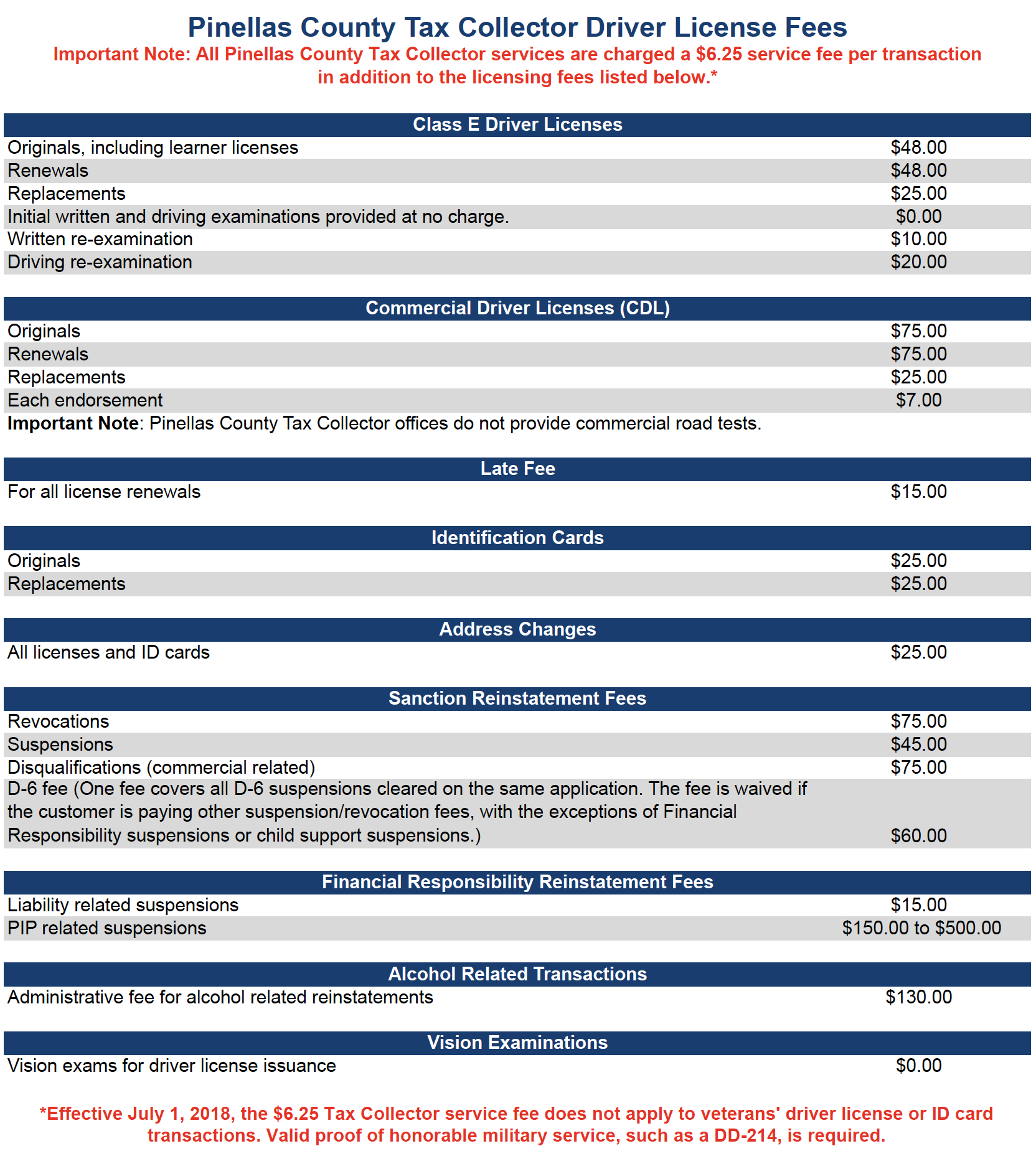
“Tax, Tag, and Title” is a common colloquialism referring to three distinct categories of fees that are legally mandated for vehicle owners in Florida:
- Tax: Primarily sales tax applied to the purchase price of the vehicle.
- Tag: Refers to the license plate and the associated registration fees, both initial and annual renewals.
- Title: The document proving ownership of the vehicle, along with the fees for processing and transferring this document.
These costs are managed by the Florida Department of Highway Safety and Motor Vehicles (FLHSMV) and its local county tax collector’s offices. While the core rates are statewide, certain nuances exist, making a clear breakdown essential for any prospective vehicle owner or transferee in the state.
The Sales Tax on Vehicles in Florida
The sales tax component is often the largest single charge when acquiring a vehicle in Florida. It applies to the purchase price and can significantly impact your overall budget.
New vs. Used Vehicles
In Florida, a statewide sales tax of 6% is applied to the net purchase price of both new and used vehicles. This tax is calculated on the amount you pay for the vehicle after any trade-in allowances have been deducted. For example, if you purchase a vehicle for $30,000 and trade in your old car for $10,000, the sales tax would be calculated on $20,000, not the full $30,000. This trade-in credit can offer substantial savings.
It’s important to note that some counties in Florida also impose a local option sales tax, which is typically an additional 0.5% to 1.5% on the first specified dollar amount (e.g., the first $5,000) of a transaction. While this local tax often caps out on larger purchases like vehicles, it’s worth checking the specific rates for the county where the purchase takes place, as it can slightly affect the total tax bill. Most vehicle purchases will primarily be subject to the 6% state sales tax on the full amount, with any local option sales tax applying to a limited portion of the purchase price.
Out-of-State Purchases and Relocation
For individuals moving to Florida with a vehicle previously registered in another state, sales tax considerations become slightly more complex. Florida generally offers a sales tax credit for taxes paid on the vehicle in another state. If you paid sales tax on your vehicle in your previous state of residence, Florida will credit you that amount against the Florida sales tax due. This means you will only pay the difference if the Florida tax rate is higher, or nothing at all if you paid an equivalent or higher sales tax elsewhere. You will need to provide proof of sales tax paid in the other state when registering your vehicle in Florida.
This provision is critical for budget-conscious individuals and families relocating, as it prevents double taxation and significantly eases the financial burden of establishing a new life in the Sunshine State. Without this credit, moving to Florida would entail a full 6% sales tax payment again, even if the vehicle was purchased years ago and tax was paid in the original state.
Florida Vehicle Registration Fees (The “Tag” Costs)
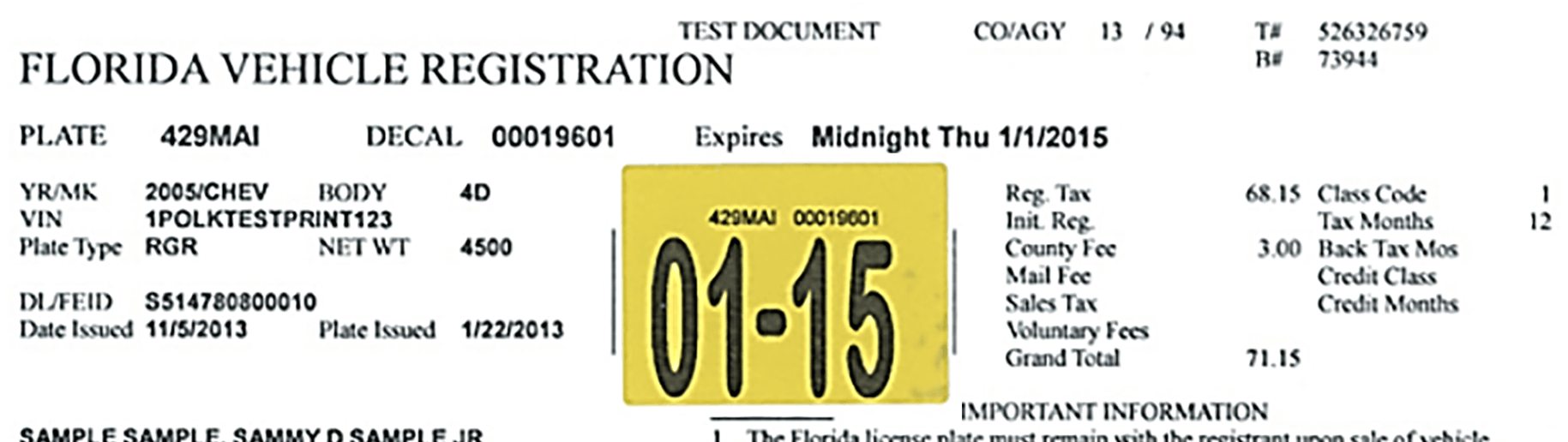
The “tag” refers to your vehicle’s license plate and the fees associated with its initial issuance and subsequent annual renewals. These fees ensure your vehicle is legally permitted on Florida roads and contribute to state transportation initiatives.
Initial Registration Fees
When you register a vehicle in Florida for the first time, whether it’s a new purchase or a vehicle being imported from out of state, you will typically encounter an initial registration fee of $225. This fee, often referred to as the “new plate fee” or “initial registration fee,” applies to motor vehicles that have never been registered in Florida before. It’s a one-time fee per vehicle designed to cover the costs associated with issuing a new license plate and establishing the vehicle’s registration record.
There are some exceptions to this fee. For instance, certain vehicles, such as those weighing over 5,000 pounds when empty and used for commercial purposes, may be exempt. Additionally, if you are transferring a valid Florida license plate from a vehicle you no longer own to a newly acquired vehicle, you may be able to avoid this $225 fee, provided the transfer is completed within a specific timeframe and meets other FLHSMV criteria. This transfer option is particularly valuable for existing residents who simply upgrade their vehicle.
Annual Renewal Fees
After the initial registration, vehicle owners are required to renew their registration annually. The cost of these annual renewals is significantly lower than the initial fees and varies based on several factors, primarily the type and weight of the vehicle.
For most passenger automobiles, the base annual registration fee is around $28. However, this base fee is augmented by various other charges, including:
- Weight-based fees: Heavier vehicles typically incur higher registration fees. For example, a car weighing under 2,500 pounds might have a slightly lower total fee than one weighing over 3,500 pounds.
- License plate type: Standard license plates are included in the basic fee structure. However, Florida offers a vast array of specialty license plates that allow drivers to support various causes, universities, or organizations (e.g., environmental causes, collegiate plates, military veteran plates). These specialty plates come with an additional annual fee, usually ranging from $15 to $25, which goes towards the specific cause or organization.
- Personalized (vanity) plates: Opting for a personalized plate with custom lettering will also incur an additional annual fee on top of the standard registration and plate costs.
Different vehicle types also have varying fee structures. Motorcycles have their own fee schedule, as do recreational vehicles (RVs) and commercial trucks, which are typically based on their gross vehicle weight. Understanding these variations is essential for accurate budgeting, particularly for individuals with multiple vehicles or specialized vehicles.
Title Fees and Ownership Documentation
The vehicle title is the legal document proving ownership. Obtaining or transferring a title is a critical step in the vehicle ownership process, and it comes with its own set of fees.
Standard Title Fees
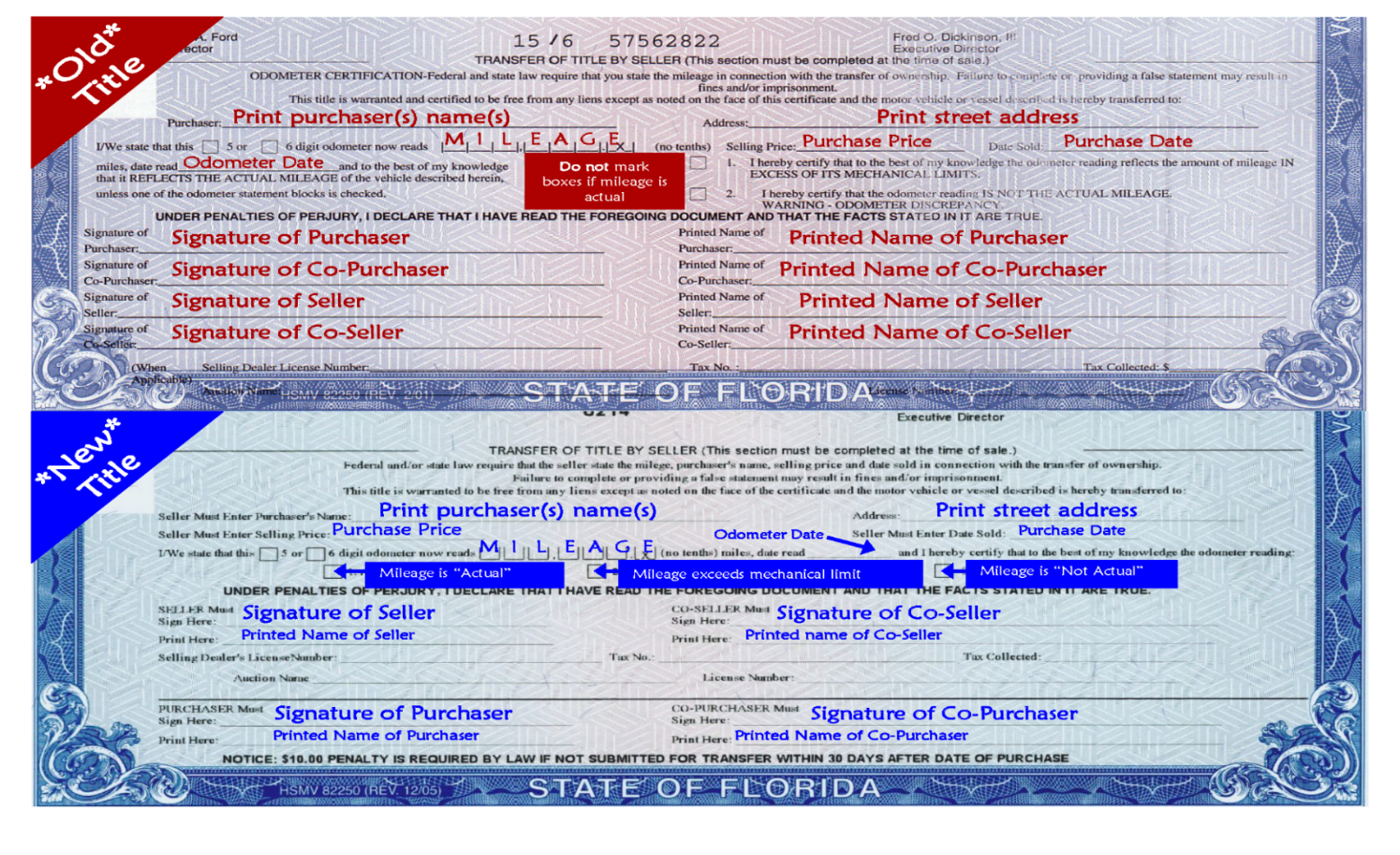
In Florida, you have the option of receiving an electronic title or a paper title. Most transactions default to an electronic title for convenience and security.
- An electronic title typically costs around $75.25. This means your title information is stored digitally by the state, and you won’t receive a physical paper document unless you request one.
- If you specifically request a paper title at the time of initial application or transfer, the fee is slightly higher, around $77.50. This covers the cost of printing and mailing the physical document.
These fees apply whether you are titling a brand-new vehicle, transferring a title from a private seller, or titling a vehicle brought in from out of state.
Lien and Recordation Fees
If you finance your vehicle purchase through a bank or credit union, a lien will be placed on your title by the lender. There are additional fees associated with recording this lien on the title.
- A lien recording fee is typically around $2.00, and there might be an additional electronic lien filing fee for modern digital processing. These are minor costs but are part of the overall title expenses when financing.
- When the loan is paid off, the lienholder will release the lien, and you can then request a clean title in your name only.
For private sales, the buyer and seller must complete the title transfer process diligently. The seller signs over the title, and the buyer then takes it to the county tax collector’s office to apply for a new title in their name and register the vehicle. Failure to transfer the title properly can lead to legal issues and penalties, emphasizing the importance of understanding this step. Dealerships handle this process on behalf of the buyer, often including these fees in the purchase agreement.
Beyond the Basics: Other Potential Costs and Considerations
While “tax, tag, and title” cover the primary government-mandated fees, the full picture of vehicle ownership in Florida includes other important financial considerations for a holistic lifestyle budget.
Dealer Fees vs. Private Sales
When purchasing a vehicle from a dealership, buyers will often encounter additional costs beyond the vehicle’s price, sales tax, and registration/title fees. These “dealer fees” can include:
- Documentation (doc) fees: Charges for processing paperwork, which can range from a few hundred dollars to over a thousand. Florida law allows dealers to charge these fees, provided they are applied uniformly to all customers.
- Preparation (prep) fees: For cleaning, detailing, and preparing the vehicle for delivery.
- Electronic filing fees: For submitting necessary documents to the state.
These fees are negotiable to some extent or can be factored into your overall negotiation strategy. In a private sale, these specific dealer fees do not apply, but the buyer takes on more responsibility for processing the paperwork themselves, often saving money but requiring more time and effort.
Mandatory Auto Insurance
A non-negotiable aspect of vehicle ownership in Florida is mandatory auto insurance. Florida is a “no-fault” state, meaning drivers are required to carry Personal Injury Protection (PIP) and Property Damage Liability (PDL) insurance. Minimum requirements are $10,000 in PIP and $10,000 in PDL. You cannot register a vehicle without proof of valid Florida auto insurance. While not part of the “tax, tag, and title” upfront costs, insurance represents a significant ongoing monthly or annual expense that must be budgeted for as part of the overall cost of living and lifestyle in Florida. Rates can vary widely based on your driving record, vehicle type, location (e.g., Tampa vs. a rural area), and coverage limits.
Planning Your Vehicle Budget in Florida
Understanding “tax, tag, and title” is fundamental for anyone looking to make Florida their home, seasonal residence, or long-term travel base. The upfront costs for purchasing a vehicle and getting it legally registered can easily add several hundred to several thousand dollars to the purchase price, depending on the vehicle’s value. For example, a $25,000 vehicle purchase might incur $1,500 in sales tax (6%), $225 for initial registration, and approximately $75 for the title, totaling roughly $1,800 in additional government fees, not including dealer fees or insurance.
Careful planning and budgeting for these expenses ensure a smooth transition into vehicle ownership in the Sunshine State, allowing individuals to fully enjoy the freedom and flexibility that comes with driving in Florida without unexpected financial surprises.
LifeOutOfTheBox is a participant in the Amazon Services LLC Associates Program, an affiliate advertising program designed to provide a means for sites to earn advertising fees by advertising and linking to Amazon.com. Amazon, the Amazon logo, AmazonSupply, and the AmazonSupply logo are trademarks of Amazon.com, Inc. or its affiliates. As an Amazon Associate we earn affiliate commissions from qualifying purchases.