
The question “What Happened to Hotel Transylvania?” often evokes images of a sprawling, gothic edifice teetering on a cliff’s edge, a haven for supernatural beings seeking respite from the human world. While the beloved animated film franchise has captivated audiences for years, its fictional establishment, the Hotel Transylvania, is not a physical destination one can book a stay in. Instead, its story unfolds through a series of cinematic adventures that explore themes of family, acceptance, and the delightful chaos of monsters coexisting. The narrative journey of the Hotel Transylvania is less about a singular “what happened” and more about the evolving dynamics within its monstrous inhabitants and their interactions with the human realm.

The Genesis of a Monster Paradise
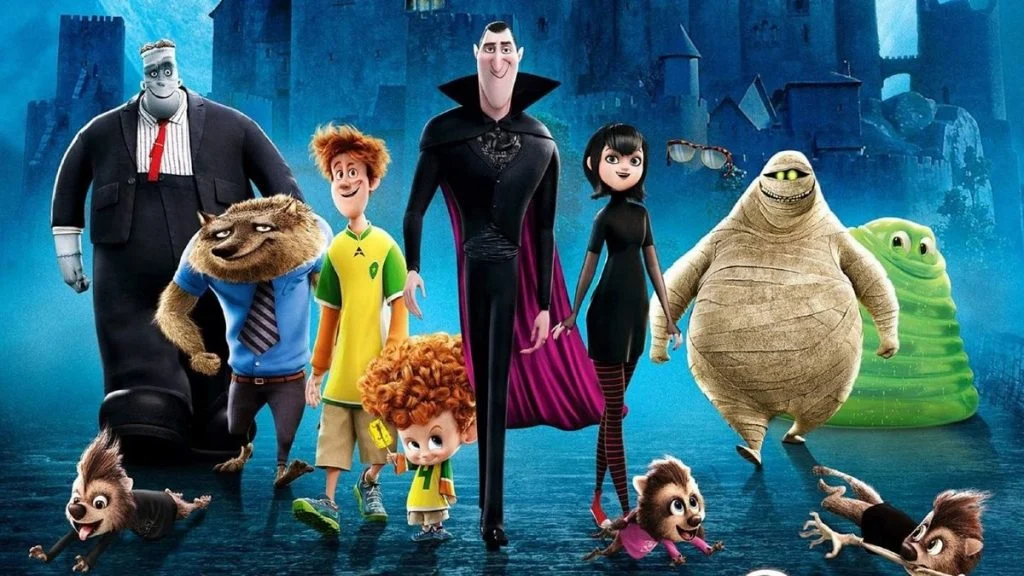
The first installment, “Hotel Transylvania” (2012), introduced audiences to the magnificent, albeit slightly intimidating, establishment owned and operated by none other than Count Dracula. Designed as a sanctuary where monsters could relax and party without fear of human interference, the hotel was meticulously crafted to cater to a very specific clientele. From Frankenstein and his bride to werewolves, mummies, and invisible men, the hotel was a bustling hub of supernatural society.
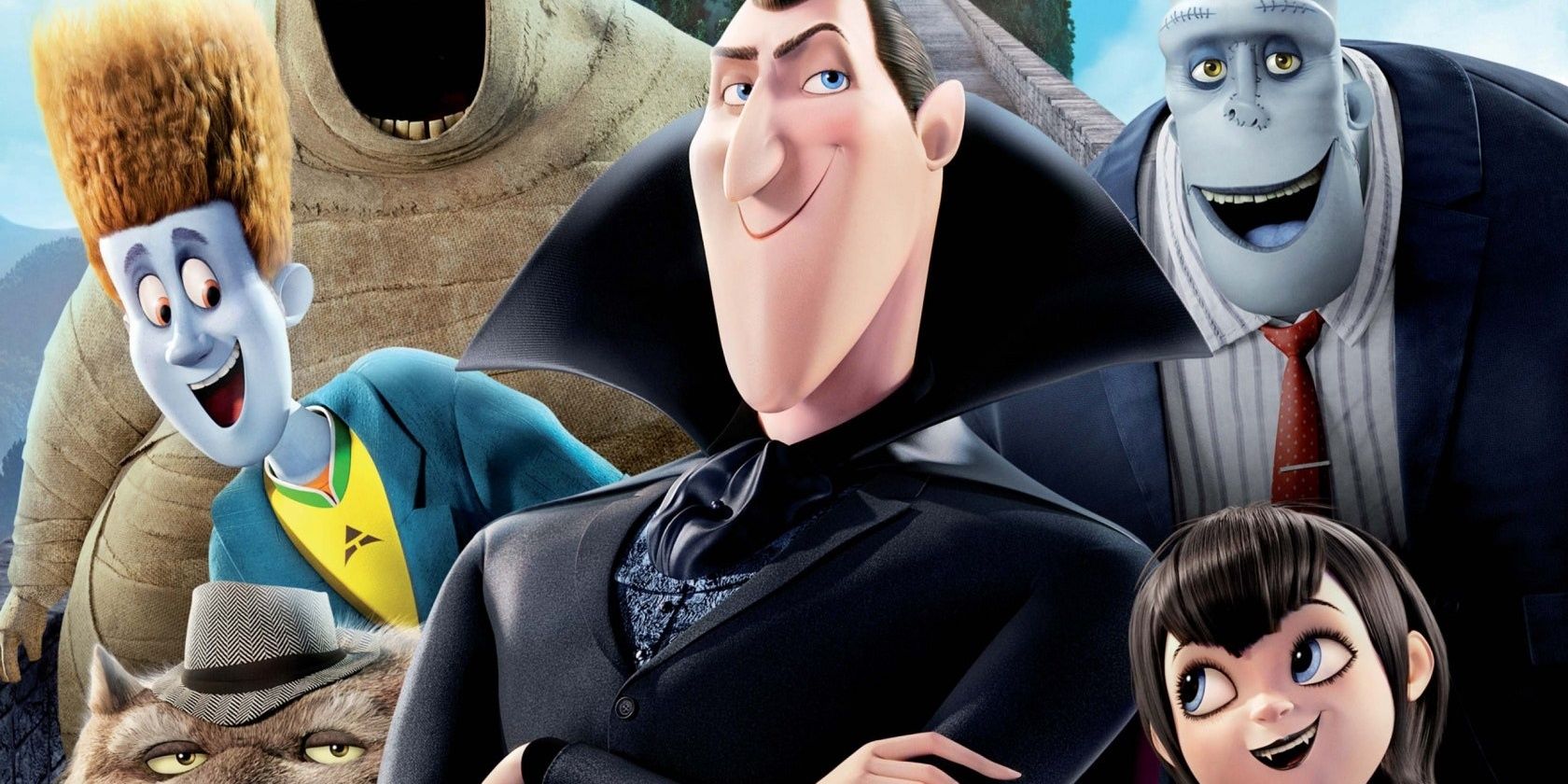
The central conflict arose with the arrival of a human, Jonathan, who inadvertently stumbled upon this hidden world. Dracula’s initial panic and attempts to conceal Jonathan from his monstrous guests set the stage for a comedic exploration of prejudice and the breaking down of barriers. The film’s success lay in its ability to present classic monsters in a humorous, family-friendly light, showcasing Dracula not just as a menacing vampire but as an overprotective father concerned about his daughter, Mavis, and the hotel’s future.
Dracula’s Vision and Its Challenges
Count Dracula’s vision for the Hotel Transylvania was one of exclusivity and safety. He wanted to create a space where his kind could exist free from the judgment and fear of humans, a sentiment deeply rooted in centuries of persecution. This motivation fueled the hotel’s elaborate design and its strict “no humans allowed” policy.
However, the arrival of Jonathan presented the first significant challenge to this established order. Dracula’s frantic efforts to maintain his carefully constructed world ultimately led to a series of mishaps that, ironically, began to foster a sense of understanding and even friendship between monsters and humans. This initial disruption proved to be a pivotal moment, hinting at a future where the lines between their worlds might blur.
The Evolution of Hotel Transylvania and Its Inhabitants
As the franchise progressed, the narrative expanded beyond the confines of the hotel itself, though it remained a central location. Each sequel introduced new characters and further explored the relationships between existing ones, fundamentally altering the status quo of the Hotel Transylvania.
Mavis and Jonathan’s Blended World
The blossoming romance between Dracula’s daughter, Mavis, a fledgling vampire, and Jonathan, a free-spirited human, was a significant turning point. Their union represented the very integration that Dracula had feared. The second film, “Hotel Transylvania 2” (2015), delved into the challenges of raising a child, Dennis, who possessed a unique blend of human and vampire traits. This presented a new dilemma for Dracula and the hotel’s residents: how to embrace and nurture a child who might not fully belong to either world.
The hotel, under the guidance of Dracula, had to adapt. Instead of solely being a retreat for monsters, it began to open its doors, albeit cautiously, to the idea of human interaction. Dracula even found himself taking on the role of a mentor, trying to coax out Dennis’s latent vampire abilities, much to Jonathan’s chagrin. This period marked a shift from a fortress of monsters to a more inclusive, though still predominantly monstrous, community.
The Human Infiltration and Global Adventures
The subsequent films, “Hotel Transylvania 3: Summer Vacation” (2018) and “Hotel Transylvania: Transformania” (2022), took the characters, and by extension the concept of the hotel, far beyond its Transylvanian roots. In “Hotel Transylvania 3: Summer Vacation”, the entire hotel staff embarked on a lavish cruise, seeking a break from their daily routines. This was a groundbreaking event – the monsters were not only leaving their sanctuary but actively participating in a human-centric vacation. The cruise also introduced Dracula to Ericka, a descendant of the monster hunter Abraham Van Helsing, further complicating his views on humans and his desire for the hotel’s isolation.
“Hotel Transylvania: Transformania” saw perhaps the most drastic “what happened” to the hotel and its residents. A mishap with a “Monsterfication Ray” invented by Dr. Frankenstein and his assistant Igor caused all the monsters to transform into humans, and Jonathan into a monster. This film fundamentally inverted the hotel’s purpose, turning its monstrous inhabitants into the very beings they had always sought to escape from. The quest to reverse the transformation and restore their identities became the central plot. This event led to a period where the hotel, in its traditional sense, was perhaps less relevant as its core residents were experiencing life from the opposite perspective.
The Lingering Legacy and Future of the Hotel
So, what ultimately happened to the Hotel Transylvania? It didn’t disappear or fall into ruin. Instead, its legacy and the concept it represents have evolved significantly. The hotel, as a narrative device, has served as a catalyst for change, pushing its characters to confront their prejudices and embrace new possibilities.
The final film, “Hotel Transylvania: Transformania”, concluded with the monsters regaining their true forms, but with a newfound understanding and appreciation for both the monster and human worlds. Dracula accepted Jonathan and Mavis’s relationship wholeheartedly, and the residents of the hotel demonstrated a greater openness to coexistence.
While there are no current plans for a fifth film, the spirit of Hotel Transylvania continues. It represents the idea that even the most entrenched traditions and fears can be overcome. The “what happened” is that the hotel, through its inhabitants’ journeys, became a symbol of integration rather than segregation. It transitioned from being a safe haven for monsters to a bridge between two vastly different worlds, proving that acceptance and love can transform even the most formidable of creatures and the places they call home. The story serves as a reminder that sometimes, the most exciting adventures happen when we step outside our comfort zones and embrace the unexpected.
LifeOutOfTheBox is a participant in the Amazon Services LLC Associates Program, an affiliate advertising program designed to provide a means for sites to earn advertising fees by advertising and linking to Amazon.com. Amazon, the Amazon logo, AmazonSupply, and the AmazonSupply logo are trademarks of Amazon.com, Inc. or its affiliates. As an Amazon Associate we earn affiliate commissions from qualifying purchases.