
Understanding the temperature in Dallas, Texas is paramount for any traveler planning a visit. This dynamic city, nestled in the heart of North Texas, experiences a diverse climate that can significantly impact your experience. From sweltering summer highs to crisp winter lows, being informed about Dallas weather patterns ensures you pack appropriately, schedule your activities wisely, and truly savor all that this vibrant metropolis has to offer. This guide delves into the nuances of Dallas’s temperature, providing insights into seasonal variations, average readings, and how these factors influence travel decisions.
Understanding Dallas’s Climate Profile
Dallas boasts a humid subtropical climate, characterized by hot summers and mild winters. The city experiences four distinct seasons, each with its own unique temperature profile. This climate is heavily influenced by its inland location, far from the moderating effects of large bodies of water.
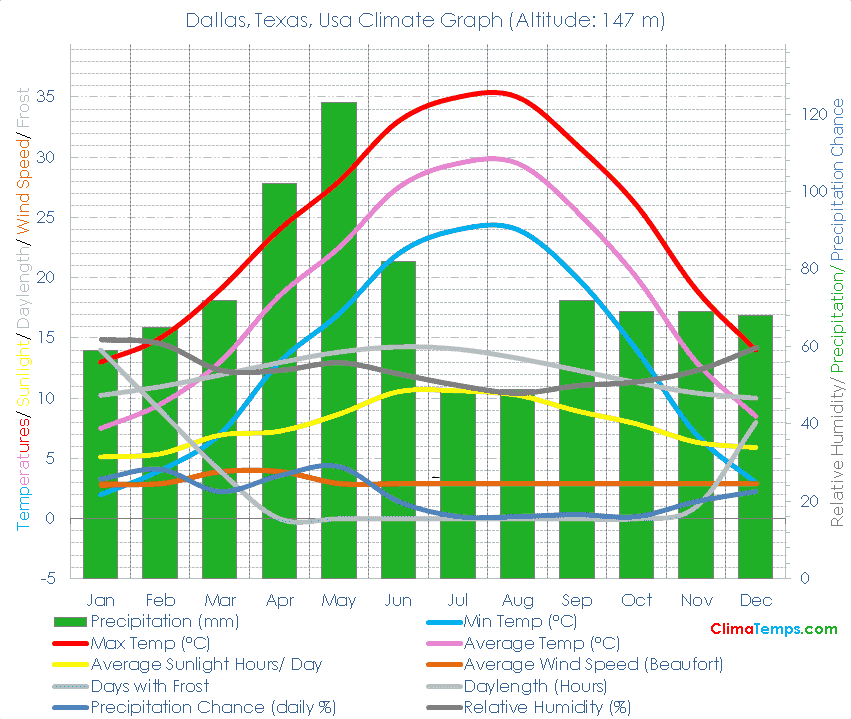
Seasonal Temperature Trends
- Summer (June – August): Summers in Dallas are notoriously hot and humid. Daytime temperatures frequently soar above 90°F (32°C) and can even breach the 100°F (38°C) mark. The humidity adds to the perceived temperature, making it feel even hotter. Nights offer little relief, often remaining in the high 70s°F (mid-20s°C). This period is ideal for indoor attractions or early morning and late evening outdoor activities.
- Autumn (September – November): As summer wanes, Dallas transitions into a pleasant fall. September can still feel warm, but temperatures gradually cool. October and November typically offer the most comfortable weather, with average daytime highs in the 70s°F (low 20s°C) and cooler evenings in the 50s°F (around 10-15°C). This is a prime time for outdoor exploration and enjoying the city’s numerous festivals and events.
- Winter (December – February): Winters in Dallas are generally mild, though unpredictable. Average daytime temperatures hover in the 50s°F (10-15°C), with occasional dips into the 30s°F (around 0-5°C), particularly at night. Freezing temperatures and occasional light snowfall are possible but not common. The crisp air can be invigorating for exploring the city’s cultural sites or enjoying a warm drink at a cozy café.
- Spring (March – May): Spring brings a welcome return to warmer weather. March can still be quite variable, with days ranging from cool to pleasantly warm. April and May see temperatures climbing steadily, with average highs in the 70s°F and 80s°F (20s-30°C). This season is also known for its beautiful blooming landscapes and is excellent for outdoor activities. However, spring can also bring severe weather, including thunderstorms and occasional tornadoes, so staying informed about weather alerts is crucial.
Average Monthly Temperatures
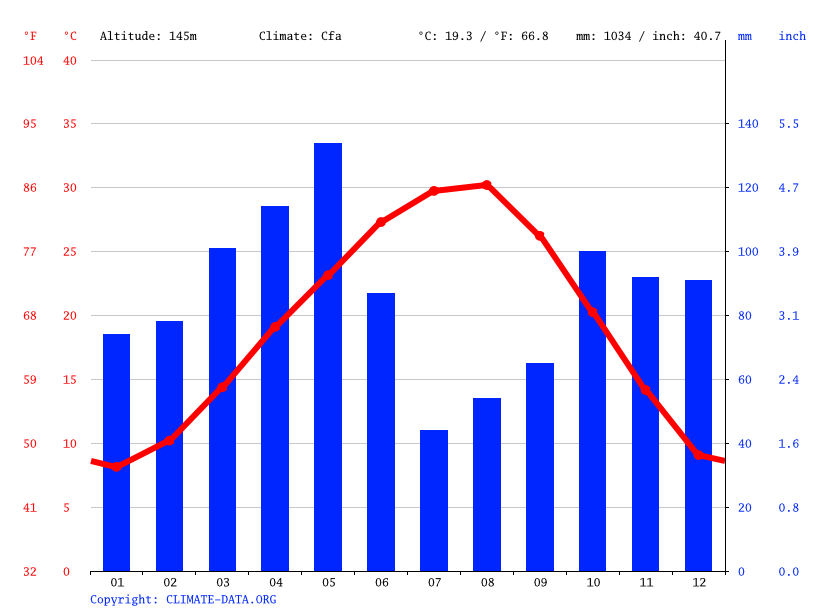
To provide a more granular understanding, here are the average monthly temperatures for Dallas, Texas:
- January: Average High: 55°F (13°C), Average Low: 34°F (1°C)
- February: Average High: 59°F (15°C), Average Low: 37°F (3°C)
- March: Average High: 67°F (19°C), Average Low: 44°F (7°C)
- April: Average High: 75°F (24°C), Average Low: 53°F (12°C)
- May: Average High: 82°F (28°C), Average Low: 62°F (17°C)
- June: Average High: 90°F (32°C), Average Low: 71°F (22°C)
- July: Average High: 94°F (34°C), Average Low: 74°F (23°C)
- August: Average High: 94°F (34°C), Average Low: 73°F (23°C)
- September: Average High: 87°F (31°C), Average Low: 66°F (19°C)
- October: Average High: 77°F (25°C), Average Low: 55°F (13°C)
- November: Average High: 65°F (18°C), Average Low: 43°F (6°C)
- December: Average High: 56°F (13°C), Average Low: 35°F (2°C)
Note: These are average temperatures and actual daily temperatures can vary significantly.
Planning Your Trip Based on Temperature
The temperature in Dallas directly influences the types of activities best suited for your visit. Understanding these seasonal shifts allows for optimal planning.
Summer Travel Considerations
Visiting Dallas during the summer months requires preparation for intense heat.
- Indoor Attractions: Prioritize indoor activities like visiting the Perot Museum of Nature and Science, exploring the Dallas Museum of Art, or catching a show at the AT&T Performing Arts Center.
- Hydration and Sun Protection: Always carry water, wear light-colored and breathable clothing, and use sunscreen and hats when spending time outdoors.
- Evening Activities: As the sun sets and temperatures begin to cool slightly, consider enjoying outdoor dining in the Arts District or taking a stroll along the Trinity River Greenbelt Park.
- Accommodation: Opt for hotels with excellent air conditioning, such as the Ritz-Carlton, Dallas or the Hyatt Regency Dallas.
Spring and Fall Travel Recommendations
These shoulder seasons offer the most pleasant weather for exploring Dallas and its surroundings.

- Outdoor Exploration: This is the ideal time for walking tours, visiting Klyde Warren Park, or exploring the historic Pioneer Plaza. Day trips to nearby areas like Fort Worth are also highly enjoyable.
- Sporting Events: Catch a Dallas Cowboys game at AT&T Stadium or a Texas Rangers baseball game at Globe Life Field.
- Culinary Delights: Enjoy Dallas’s renowned culinary scene with outdoor patio dining in areas like Uptown or the Bishop Arts District.
- Festivals and Events: Both seasons host numerous festivals, farmers’ markets, and outdoor concerts, taking full advantage of the favorable temperatures.
Winter Travel Opportunities
While cooler, winter in Dallas offers a different charm.
- Holiday Spirit: Experience festive decorations and events throughout the city, especially around the holidays.
- Cozy Indoors: Enjoy the city’s museums, theaters, and shopping districts. The Dallas World Aquarium is a fantastic indoor option.
- Warmer Attire: Pack layers, including sweaters, jackets, and a scarf, for cooler days and evenings.
- Special Hotel Deals: You might find more attractive rates at luxury hotels like the Rosewood Mansion on Turtle Creek during the off-peak winter season.
Factors Influencing Dallas Temperatures
Beyond the general seasonal trends, several factors contribute to the specific temperature experienced in Dallas on any given day.
Urban Heat Island Effect
As a major metropolitan area, Dallas experiences the urban heat island effect. This phenomenon means that urban areas are generally warmer than their surrounding rural areas due to the abundance of concrete, asphalt, and buildings that absorb and retain heat. This can lead to noticeable temperature differences between the city center and outlying suburbs, particularly during the summer months.
Proximity to the Gulf of Mexico
While Dallas is inland, the proximity to the Gulf of Mexico plays a role in its humidity levels, especially during the summer. Warm, moist air masses can move north from the gulf, contributing to the muggy conditions characteristic of Dallas summers.
Air Masses and Weather Systems
The weather in Dallas is largely dictated by the movement of air masses and various weather systems.
- Continental Tropical (cT) Air Masses: These hot, dry air masses originating from the desert southwest are responsible for the extreme heat waves experienced in Dallas during the summer.
- Gulf Maritime (mT) Air Masses: These warm, moist air masses from the Gulf of Mexico bring humidity and contribute to the muggy conditions.
- Arctic/Polar Air Masses: During winter, cold air masses from Canada and the Arctic can sweep down into Texas, bringing significant drops in temperature and even occasional icy conditions.
- Frontal Systems: The interaction of these air masses often creates frontal boundaries, which can trigger significant weather changes, including thunderstorms, rain, and temperature shifts.
Maximizing Your Dallas Experience Regardless of Temperature
Ultimately, a well-prepared traveler can enjoy Dallas year-round.
Essential Packing Tips
- Summer: Lightweight, breathable fabrics (cotton, linen), a wide-brimmed hat, sunglasses, high SPF sunscreen, comfortable walking shoes, and a reusable water bottle.
- Spring/Fall: Layers are key. Pack t-shirts, long-sleeved shirts, a light jacket or sweater, jeans, and comfortable walking shoes. An umbrella is also advisable due to potential spring showers.
- Winter: Warmer layers, including sweaters, a medium-weight coat, a scarf, gloves, and closed-toe shoes. Waterproof boots might be useful in case of any precipitation.
Staying Informed About Weather
Before and during your trip, it’s crucial to stay updated on the weather forecast. Utilize reliable weather apps and websites for Dallas, Texas. Pay attention to weather alerts, especially during spring when severe weather is more common. This proactive approach will allow you to adjust your plans as needed and ensure a safe and enjoyable visit. Whether you’re seeking the vibrant energy of a summer festival or the cozy charm of a winter evening, understanding and adapting to the temperature in Dallas is the first step to unlocking the full potential of this captivating Texan city.
LifeOutOfTheBox is a participant in the Amazon Services LLC Associates Program, an affiliate advertising program designed to provide a means for sites to earn advertising fees by advertising and linking to Amazon.com. Amazon, the Amazon logo, AmazonSupply, and the AmazonSupply logo are trademarks of Amazon.com, Inc. or its affiliates. As an Amazon Associate we earn affiliate commissions from qualifying purchases.