
Understanding hotel star ratings is crucial for travelers seeking to align their expectations with the services and amenities offered. While the precise criteria can vary slightly between rating agencies and geographical regions, a three-star hotel generally represents a solid middle ground, providing comfortable accommodations and a good range of facilities without venturing into the ultra-luxury or budget categories. This tier aims to satisfy the needs of a broad spectrum of travelers, from business professionals to families on vacation, offering a balance of value and quality.
The Core Characteristics of a 3 Star Hotel
A three-star hotel is distinguished by its commitment to providing guests with a pleasant and functional stay. This typically translates into well-appointed rooms, a decent selection of amenities, and attentive, though not necessarily personalized, service. The emphasis is on reliability and comfort, ensuring that guests have everything they need for a satisfactory experience.
Room Standards and Amenities
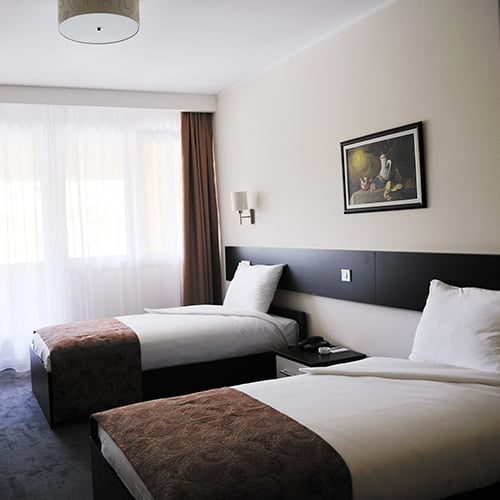
The guest rooms in a three-star establishment are generally more spacious and thoughtfully furnished than those found in one or two-star properties. Expect comfortable bedding, adequate storage space, and a private bathroom equipped with basic toiletries.
- Bedding and Linens: High-quality sheets and comfortable mattresses are standard. Beds are usually made daily.
- Furniture: Rooms typically include a desk or work area, a chair, a television, and often a phone.
- Private Bathrooms: En-suite bathrooms are a hallmark of this category, usually featuring a shower or bathtub, toilet, and sink. Towels and basic toiletries like soap and shampoo are provided.
- Climate Control: Individually controlled air conditioning and heating are common, ensuring guest comfort regardless of external weather conditions.
- Connectivity: While not always free, Wi-Fi is often available, though speeds and reliability can vary. Some three-star hotels might offer wired internet access.
On-Site Facilities and Services
Beyond the guest rooms, three-star hotels typically offer a selection of facilities designed to enhance the guest experience and provide convenience. These can range from dining options to business services.
- Food and Beverage: Most three-star hotels feature an on-site restaurant serving breakfast, lunch, and dinner. The quality of cuisine is generally good, offering a variety of dishes. A bar or lounge area is also common, providing a space for guests to relax.
- Housekeeping: Daily housekeeping services are a standard expectation, ensuring rooms are kept clean and tidy throughout the stay.
- Reception and Concierge: A 24-hour reception desk is typical, offering check-in and check-out services, as well as assistance with basic guest inquiries. While a full concierge service might not be available, staff are usually trained to provide information on local attractions and services.
- Business Amenities: For business travelers, amenities such as a business center with fax and printing facilities might be available. Some hotels may also offer meeting rooms, though these are often smaller in capacity.
- Fitness and Recreation: While not universal, many three-star hotels provide a basic fitness center with cardio equipment and free weights. Outdoor amenities like a swimming pool or garden area may also be present, particularly in warmer climates.
Distinguishing a 3 Star Hotel from Other Categories
To fully appreciate the value of a three-star hotel, it’s helpful to understand how it differentiates itself from hotels with fewer or more stars. This comparison clarifies the level of service, amenity, and overall experience a guest can anticipate.
Compared to 1 and 2 Star Hotels
One-star and two-star hotels cater to travelers prioritizing affordability and basic shelter. They often offer simpler accommodations with fewer amenities.
- Rooms: Rooms in lower-rated hotels may be smaller, have shared bathrooms, or lack basic conveniences like televisions.
- Services: Services are typically limited, with reception hours often restricted, and on-site dining might be absent or very basic. Housekeeping might not be daily.
- Focus: The primary focus is on providing a clean, safe place to sleep at the lowest possible cost.
A three-star hotel, therefore, offers a significant upgrade in comfort, convenience, and available services, making it a more suitable choice for those seeking a more comfortable and complete stay.
Compared to 4 and 5 Star Hotels
Four-star and five-star hotels represent the upper echelons of hospitality, offering a more luxurious and personalized experience.

- Rooms: Rooms in higher-rated hotels are typically larger, more luxuriously appointed, and equipped with premium amenities such as designer toiletries, minibars, and high-definition entertainment systems.
- Services: A higher staff-to-guest ratio means more personalized service. Full concierge services, room service, valet parking, and dedicated business centers are common. Many also boast extensive recreational facilities, including spas, multiple dining venues, and swimming pools.
- Ambiance: The overall ambiance is one of sophistication and exclusivity.
A three-star hotel strikes a balance, providing a comfortable and well-equipped stay without the premium price tag or the extensive services of a four or five-star property. It’s the sweet spot for many travelers who want more than the basics but don’t require the full luxury treatment.
The Target Audience for 3 Star Hotels
The versatile nature of three-star hotels makes them an appealing option for a wide range of travelers. Their blend of comfort, essential amenities, and reasonable pricing positions them as a practical choice for various travel needs.
Business Travelers
For business professionals on short trips or extended assignments, three-star hotels offer a convenient and functional base. The availability of work desks, Wi-Fi, and sometimes a business center provides the necessary tools for productivity. Proximity to business districts or good transport links is also a common advantage. While they may not offer the extensive conference facilities of a large convention hotel, they are ideal for individual travelers or small teams. A well-located three-star hotel in a city like Singapore or New York City can be perfectly suited for a business trip.
Families on Vacation
Families often find three-star hotels to be a practical and cost-effective choice. The availability of rooms with extra space, potentially connecting rooms, and on-site dining options can simplify travel with children. While they might not have elaborate kids’ clubs or extensive entertainment programs like some resorts, the presence of a swimming pool or a comfortable lounge area can provide enjoyable downtime for all family members. They offer a good balance between comfort and budget, allowing families to allocate more resources to attractions and activities.
Leisure Travelers Seeking Value
Independent travelers, couples, and small groups on leisure trips often gravitate towards three-star hotels. They appreciate the comfortable accommodations and useful amenities without the higher costs associated with luxury brands. These hotels are often well-situated in or near popular tourist areas, providing easy access to sights and experiences. Travelers looking for a comfortable base to explore a city like Paris or Rome will find a three-star option that meets their needs effectively.
Navigating Hotel Star Ratings: Beyond the Stars
While star ratings provide a useful general guideline, it’s important to remember that they are not a universally standardized system. Factors such as local customs, specific rating bodies, and the subjective nature of service can influence how a hotel is categorized.
The Role of Rating Agencies
Various organizations and travel review platforms assign star ratings. In the United States, for instance, the American Automobile Association (AAA) and Forbes Travel Guide are prominent rating bodies, each with its own detailed criteria. In other countries, national tourism boards or private hotel associations might be responsible for evaluations. These agencies often conduct on-site inspections to assess properties against a comprehensive checklist of criteria, covering everything from room size and cleanliness to the availability of services and staff professionalism.

Beyond the Star: Reading Reviews and Descriptions
The most effective way to ensure a hotel meets your expectations is to supplement the star rating with other information.
- Guest Reviews: Online platforms like TripAdvisor and Booking.com offer invaluable insights from past guests. Pay attention to recurring comments about cleanliness, staff friendliness, noise levels, and the accuracy of amenity descriptions.
- Hotel Websites: Official hotel websites often provide detailed descriptions of room types, amenities, and services. Look for high-quality photographs that accurately represent the property.
- Location: The hotel’s location is paramount. A three-star hotel in a prime downtown area might offer a more convenient experience than a similarly rated hotel in a remote location. Consider proximity to transportation, attractions, and dining options.
By combining the general understanding of a three-star rating with detailed research, travelers can make informed decisions and select accommodations that perfectly suit their needs and budget, ensuring a more enjoyable and predictable travel experience. Whether you’re visiting Tokyo or London, understanding these nuances will help you find the right hotel for your stay.
LifeOutOfTheBox is a participant in the Amazon Services LLC Associates Program, an affiliate advertising program designed to provide a means for sites to earn advertising fees by advertising and linking to Amazon.com. Amazon, the Amazon logo, AmazonSupply, and the AmazonSupply logo are trademarks of Amazon.com, Inc. or its affiliates. As an Amazon Associate we earn affiliate commissions from qualifying purchases.