
For individuals considering a permanent move to the Sunshine State or those integrating into specific aspects of its unique social fabric, understanding the legal framework surrounding firearm ownership in Florida is an essential component of informed living. The state has distinct regulations governing the purchase, possession, and carrying of firearms, reflecting a balance between Second Amendment rights and public safety concerns. Navigating these requirements is a crucial aspect of responsible citizenship and engaging with certain lifestyle choices prevalent across the state, from sport shooting and hunting to personal defense. This guide offers an insightful overview of what individuals need to know to legally acquire a firearm in Florida.

Understanding Florida’s Firearm Ownership Landscape
Florida is often characterized by its relatively permissive gun laws compared to many other states, particularly concerning the types of firearms that can be owned. However, this does not mean the process is without specific legal steps and requirements. The state operates under a “shall issue” policy for concealed carry permits and permits open carry only in very limited circumstances. For those embracing outdoor lifestyles that include hunting in the Everglades or target practice at one of the many shooting ranges, or simply prioritizing personal safety, understanding these regulations is foundational.
State vs. Federal Laws
It is critical to distinguish between federal and state laws. Federal laws, enforced by entities such as the Bureau of Alcohol, Tobacco, Firearms and Explosives (ATF), establish baseline requirements for firearm sales and ownership across the United States. State laws in Florida then add specific layers of regulation that must also be adhered to. For instance, the federal government mandates background checks for sales by licensed dealers, a process facilitated by the National Instant Criminal Background Check System (NICS) operated by the Federal Bureau of Investigation (FBI). Florida supplements this with its own regulations, such as waiting periods and specific prohibitions.
Eligibility and Key Requirements for Purchase
Before even considering the type of firearm, an individual must first meet the basic eligibility criteria established by both federal and Florida law. These requirements are designed to prevent firearms from falling into the hands of individuals deemed a risk to public safety.
Age Restrictions
In Florida:
- Long Guns (Rifles and Shotguns): An individual must be at least 18 years old to purchase a rifle or shotgun from a licensed dealer.
- Handguns: An individual must be at least 21 years old to purchase a handgun from a licensed dealer. This age restriction also applies to “other firearms,” which can include stripped lower receivers.
- Private Sales: While federal law allows 18-year-olds to possess handguns, Florida Statute 790.065 states it is unlawful for a person to knowingly sell or transfer a handgun to a person under 21 years of age.
Residency Requirements
To purchase a handgun from a licensed dealer in Florida, an individual must be a bona fide resident of the state. Proof of residency typically involves a Florida driver’s license or state identification card. For long guns, non-residents can purchase them from a Florida licensed dealer as long as the sale complies with laws in both Florida and the purchaser’s home state.
Disqualifying Factors
Federal and Florida laws outline several conditions that prohibit an individual from purchasing or possessing a firearm. These include, but are not limited to:
- Conviction for a felony offense.
- Conviction for a misdemeanor crime of domestic violence.
- Being subject to a domestic violence restraining order.
- Being an unlawful user of or addicted to any controlled substance.
- Having been adjudicated as a mental defective or committed to a mental institution.
- Being an undocumented immigrant or an alien unlawfully in the United States.
- Having been dishonorably discharged from the Armed Forces.
- Renounced United States citizenship.
These disqualifiers are rigorously checked during the background check process.
Navigating the Purchase Process
The method of purchase largely dictates the specific steps involved, with sales from licensed dealers being the most common and regulated pathway.
Purchasing from a Licensed Federal Firearms Dealer (FFL)
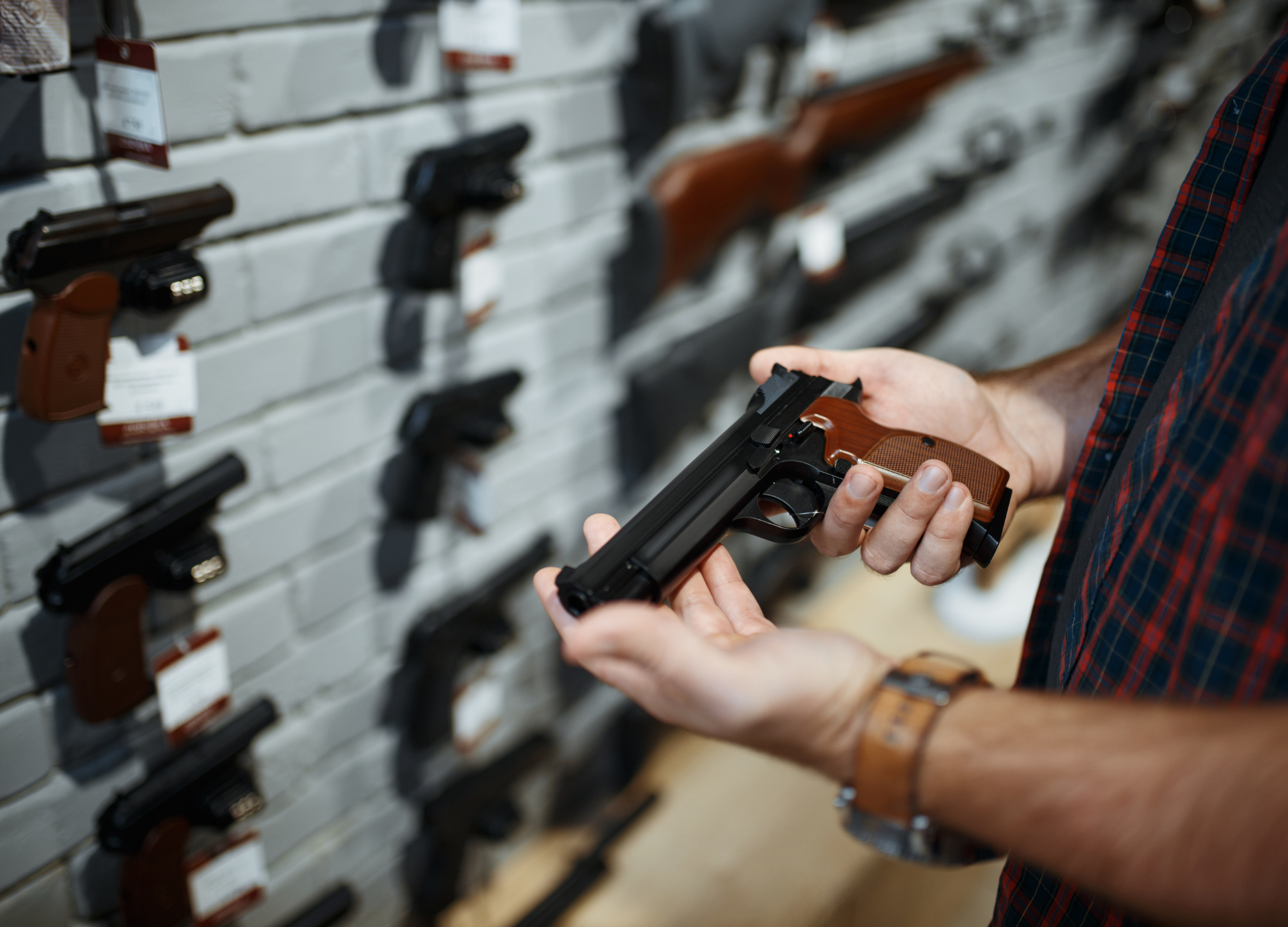
The vast majority of firearm purchases in Florida occur through licensed Federal Firearms Dealers. This process involves:
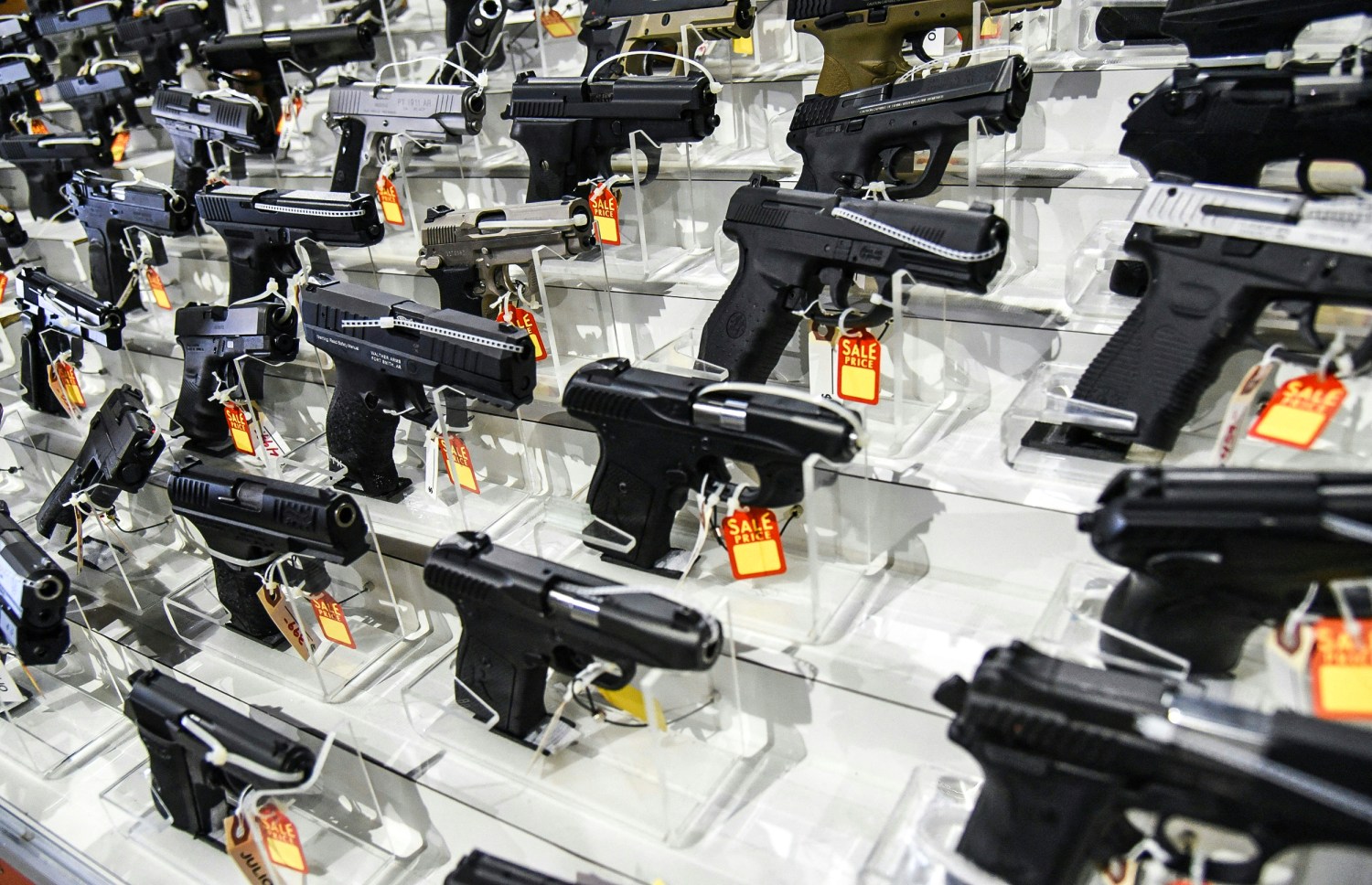
- Selection: Choosing the firearm at an FFL, which could be a dedicated gun store, a sporting goods retailer, or even an authorized pawn shop.
- Form 4473 Completion: The purchaser must complete ATF Form 4473, a federal document that requires personal information and answers to a series of questions about eligibility. Providing false information on this form is a federal felony.
- Background Check: The FFL initiates a background check through the Florida Department of Law Enforcement (FDLE), which accesses the NICS database. This check verifies that the purchaser is not prohibited from owning a firearm.
- Waiting Period: Florida imposes a mandatory waiting period of three full business days between the purchase and the delivery of a firearm. This period excludes weekends and holidays. For example, if purchased on a Monday, the firearm can typically be picked up on Friday. This waiting period can be waived for those holding a valid Florida Concealed Weapon or Firearm License (CWFL). Some counties or municipalities may have additional waiting periods, so it’s wise to check local ordinances.
- Firearm Transfer: Once the background check is approved and any waiting period is satisfied, the FFL can transfer the firearm to the purchaser.
Private Sales
Florida law does not require a background check for private sales between individuals. This means that if an individual sells a firearm to another private citizen, they are not legally obligated to run a background check through an FFL or FDLE. However, it remains illegal to knowingly sell a firearm to a person who is prohibited from owning one under state or federal law. Responsible individuals engaging in private sales often voluntarily conduct such transactions through an FFL to ensure legality, even though it’s not mandated. This practice aligns with a lifestyle of civic responsibility and adherence to community safety principles.
Responsible Gun Ownership and Florida Lifestyle
Beyond the initial purchase, responsible gun ownership is a continuous commitment, especially when integrating a firearm into a Florida lifestyle that might include diverse activities and environments.
Safe Storage
Florida Statute 790.174 requires that firearms be stored in a “securely locked box or container, or that the firearm is equipped with a trigger lock or similar device” if a minor can gain access to it. Even without minors in the household, safe storage practices—such as using gun safes, lock boxes, or trigger locks—are paramount to prevent theft, accidental discharge, and unauthorized access, reinforcing a lifestyle of safety and caution.
Training and Education
While not legally required to purchase a firearm, formal training is strongly recommended for all gun owners. Courses cover safe handling, marksmanship, and the legal aspects of self-defense. Many gun ranges and private instructors across Florida, from Jacksonville to Miami, offer comprehensive training programs, allowing owners to develop proficiency and confidence. Embracing such training is a cornerstone of responsible gun ownership as part of an informed lifestyle.
Carrying and Use: Beyond the Purchase
Acquiring a firearm is one step; understanding the laws regarding its carrying and use is another critical aspect for a responsible Florida lifestyle.
Open Carry
Florida generally prohibits the open carry of firearms in public, with very limited exceptions (e.g., while hunting, fishing, camping, or traveling to/from a shooting range). Violating open carry restrictions can lead to significant legal consequences.
Concealed Carry
For those interested in carrying a handgun for personal defense, Florida offers the Concealed Weapon or Firearm License (CWFL). This license is issued by the Florida Department of Agriculture and Consumer Services (FDACS) and allows individuals to carry a handgun concealed on their person. Requirements for a CWFL include:
- Being 21 years of age or older.
- Demonstrating competency with a firearm (typically through a training course).
- Meeting federal and state eligibility requirements (similar to purchasing).
- Submitting an application, fingerprints, and applicable fees.
As of July 1, 2023, Florida also allows “permitless carry,” meaning residents can carry a concealed weapon without a CWFL, provided they meet the same eligibility requirements as for a CWFL. However, obtaining a CWFL still offers benefits, such as reciprocity with many other states and the waiver of the three-day waiting period for firearm purchases.
Self-Defense Laws
Florida has robust “Stand Your Ground” laws, meaning an individual has no duty to retreat and may use deadly force if they reasonably believe it is necessary to prevent death or great bodily harm to themselves or another, or to prevent the commission of a forcible felony. Understanding the nuances of these laws is paramount for any firearm owner who considers a weapon for personal protection as part of their lifestyle.
Acquiring a firearm in Florida is a straightforward process for eligible individuals, but it is deeply rooted in a commitment to legal compliance and personal responsibility. For those embracing a lifestyle in Florida that includes firearm ownership, a thorough understanding of federal and state laws, coupled with ongoing training and safe storage practices, is indispensable for responsible and informed engagement within the community.
LifeOutOfTheBox is a participant in the Amazon Services LLC Associates Program, an affiliate advertising program designed to provide a means for sites to earn advertising fees by advertising and linking to Amazon.com. Amazon, the Amazon logo, AmazonSupply, and the AmazonSupply logo are trademarks of Amazon.com, Inc. or its affiliates. As an Amazon Associate we earn affiliate commissions from qualifying purchases.