
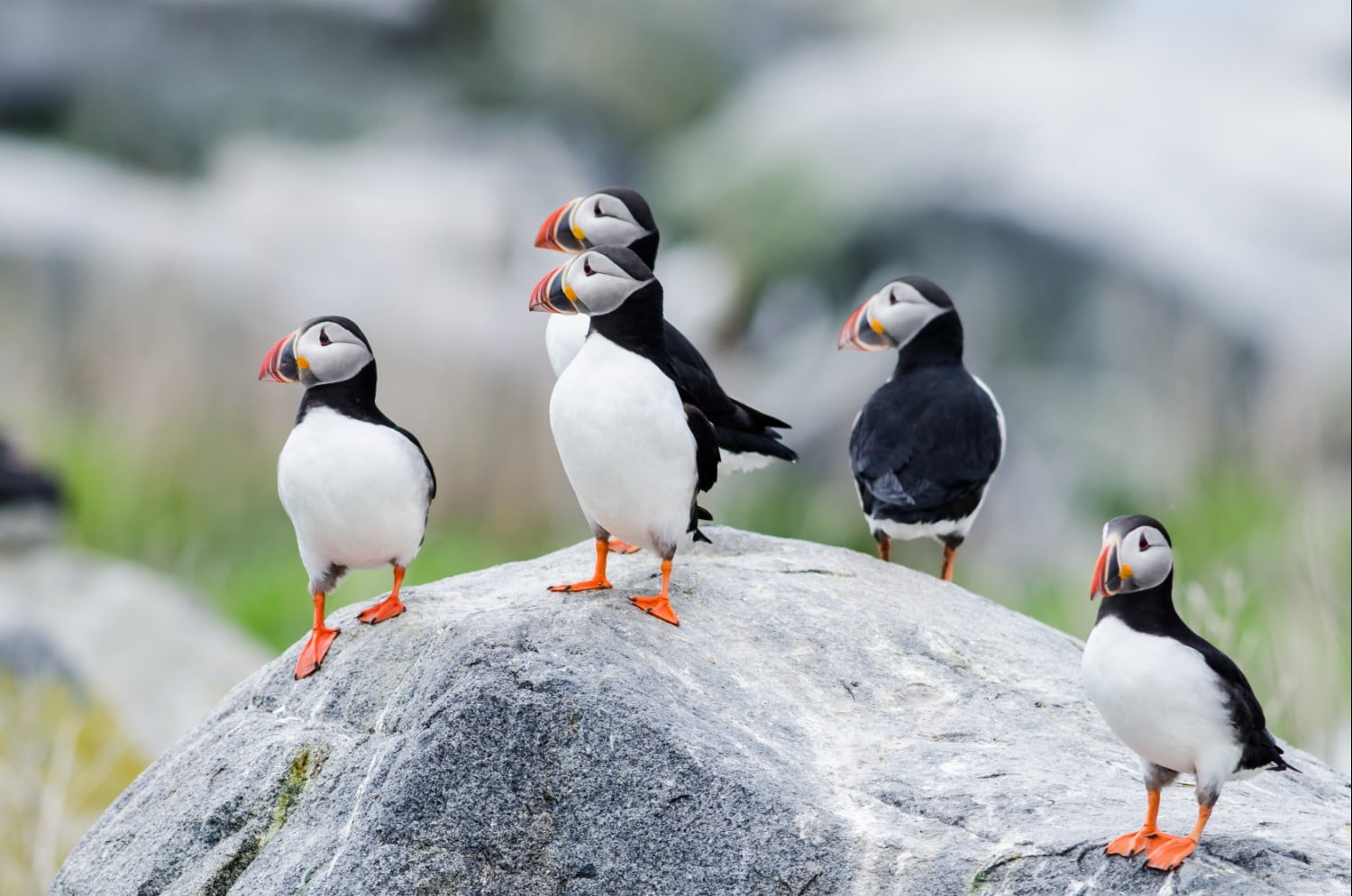
Maine, with its rugged coastline and abundant marine life, offers a truly unique wildlife viewing experience. Among its many natural treasures, the Atlantic Puffin stands out as a particularly charismatic and sought-after bird. These charming seabirds, with their distinctive colorful beaks and comical waddle, are a highlight for many visitors to the Pine Tree State. While puffins are migratory and not present year-round, the prime season to spot them is during their breeding months, typically from April through August. Their nesting grounds are primarily on protected offshore islands, making boat tours the most reliable and responsible way to witness these delightful creatures.
Key Locations for Puffin Sightings
Maine’s commitment to conservation has preserved vital habitats for puffins, ensuring that their populations can thrive. Several islands off the coast have become renowned hotspots for viewing these birds. Access to these sensitive areas is carefully managed to minimize disturbance, so understanding the best places to go and how to get there is crucial for a successful and ethical puffin-watching expedition.
Eastern Egg Rock Island
Eastern Egg Rock Island is a jewel in the Casco Bay and a testament to successful conservation efforts. This small, treeless island is a designated wildlife refuge and one of the most accessible and well-known puffin nesting sites in Maine. Managed by the National Audubon Society, it provides a critical breeding ground for Atlantic Puffins, as well as other seabirds like Arctic Terns and Razorbills. The island is a success story for the Puffin Restoration Project, which began in the 1970s, reintroducing puffins to a historically significant nesting site from which they had disappeared.
The journey to Eastern Egg Rock Island is typically undertaken via guided boat tours departing from various coastal towns. The most common departure points include New Harbor and Bremen. These tours are specifically designed for wildlife viewing and often include knowledgeable guides who can share fascinating insights into the lives of puffins and other seabirds. While the boats do not land on the island itself to protect the fragile ecosystem and nesting birds, they circle the perimeter, providing excellent vantage points for observation. Binoculars are essential for the best experience, allowing you to observe the puffins as they forage for fish, tend to their burrows, and interact with each other.
The puffin season here runs from late April to early August. During this time, you can see adults with their vibrant, multi-colored beaks, which are at their most spectacular during the breeding season. They are often seen returning to their burrows with small fish, like herring or hake, held crosswise in their beaks to feed their chicks. The sheer number of puffins and other seabirds makes Eastern Egg Rock Island an unforgettable destination for any bird enthusiast.
Machias Seal Island
Further east, near the Canadian border, lies Machias Seal Island, another paramount location for puffin enthusiasts. This remote island is part of the Machias Bay area and is renowned for its large and thriving puffin colony. It is a designated wildlife sanctuary and home to one of the largest populations of Atlantic Puffins in the state. The island is also shared with Canada, adding a unique geopolitical element to the visit.
Access to Machias Seal Island is strictly controlled and typically involves specialized boat tours that depart from Cutler, Maine. These tours are generally longer and more involved than those to Eastern Egg Rock Island due to the island’s more distant location. The boats often provide opportunities to see other marine life as well, including seals, porpoises, and sometimes even whales.
A unique aspect of visiting Machias Seal Island is the opportunity for guided walks on the island itself. Under the supervision of experienced guides, visitors can explore designated paths, getting remarkably close to puffin burrows and observation blinds. These blinds offer excellent, unobtrusive viewing of the puffins as they go about their daily lives, including courtship rituals, fishing expeditions, and caring for their young. The guides are typically knowledgeable about the island’s ecology and the behavior of the puffins, enriching the visitor experience. The puffin season on Machias Seal Island is also from May through July, with the peak viewing period often in June.
Monhegan Island and Associated Boat Tours
While Monhegan Island itself is a picturesque artist colony and a popular destination for its hiking trails and dramatic cliffs, it also serves as a gateway to puffin viewing opportunities. Boat tours departing from Monhegan Island or nearby mainland harbors, such as [Port Clyde](https://lifeoutofthebox.com/port- Clyde), frequently venture out to areas where puffins can be observed, often visiting the vicinity of the aforementioned Eastern Egg Rock Island or other smaller, less accessible islands that host puffin colonies.
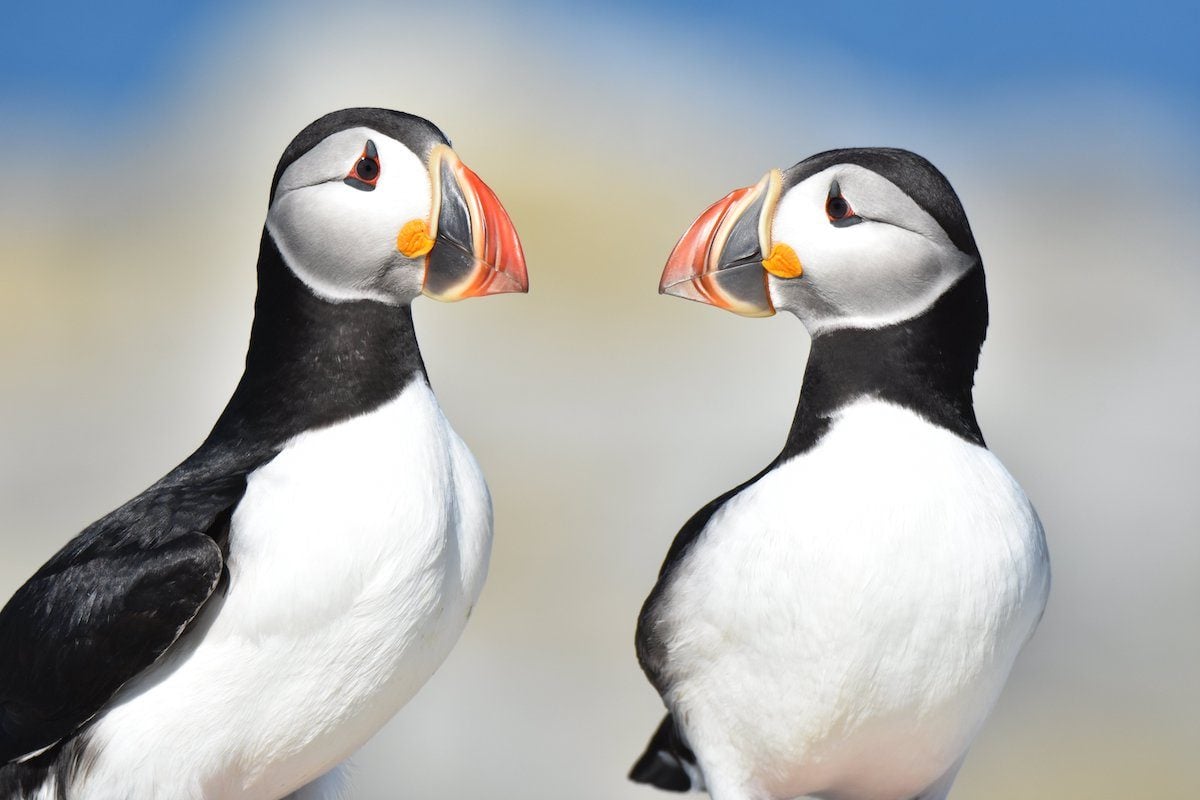
These tours offer a dual experience: a chance to explore the unique charm of Monhegan Island with its quaint village and rugged beauty, and then to embark on a dedicated wildlife excursion. The boat trips are designed to maximize wildlife encounters, with captains often knowledgeable about the best areas for spotting puffins, seals, and other seabirds. While direct landings on puffin nesting sites are rare from Monhegan itself, the surrounding waters provide excellent opportunities for viewing puffins as they swim, dive, and fly. The puffin season aligns with the general breeding season, typically from May through July.
Planning Your Puffin-Watching Trip
Embarking on a quest to see puffins in Maine requires some thoughtful planning to ensure a rewarding and responsible experience. The success of your trip hinges on understanding the best time to visit, booking appropriate tours, and being prepared for the marine environment.
Best Time to Visit
The definitive window for puffin viewing in Maine is during their breeding season, which generally spans from late April to late July or early August.
- Late April to Mid-May: This is when puffins begin to arrive at their nesting islands. While you might see them, their numbers will be smaller, and they will be busy establishing burrows and pairs.
- June: This is widely considered the peak of the puffin season. The colonies are at their fullest, and you’ll witness a flurry of activity as puffins court, lay eggs, and begin incubating. The chicks hatch towards the end of June, and the parents will be intensely focused on feeding them.
- July: You’ll see adult puffins actively feeding their chicks. The chicks will be growing rapidly, and towards the end of the month, they will begin to fledge (leave the nest). This can also be a fascinating time to observe, though the intensity of activity may slightly decrease as fledging approaches.
- August: By August, most puffins will have left their nesting grounds to spend the rest of the year at sea. Sightings become much rarer, and it’s generally not considered the prime time for dedicated puffin tours.
Therefore, aiming for a trip between mid-May and mid-July will offer the highest probability of a successful and abundant puffin viewing experience.
Choosing the Right Tour
The majority of puffin viewing in Maine is facilitated by specialized boat tours. Several factors should guide your choice:
- Departure Location: Popular departure points include New Harbor, Bremen, [Port Clyde](https://lifeoutofthebox.com/port- Clyde), and Cutler. Consider which location is most convenient for your overall travel plans in Maine.
- Island Destination: Tours to Eastern Egg Rock Island are generally shorter and more accessible. Tours to Machias Seal Island are longer and often offer the unique opportunity to walk on the island.
- Tour Operator Reputation: Research tour operators. Look for companies with experienced captains and guides who are knowledgeable about puffin behavior and conservation. Many reputable operators are affiliated with conservation organizations like Audubon.
- Boat Type and Size: Smaller boats may offer a more intimate experience and can sometimes get closer to the islands, but they can also be less stable in rough seas. Larger boats offer more stability and comfort but might have more restricted viewing angles for everyone.
- Duration and Itinerary: Be clear about the total duration of the trip, including transit time. Some tours focus solely on puffins, while others may combine puffin viewing with whale watching or general scenic cruises.
- Booking in Advance: Puffin tours are very popular, especially during peak season. It is highly recommended to book your tour well in advance, sometimes months ahead, to secure your spot.
What to Bring and How to Behave
To maximize your comfort and ensure a positive impact on the environment, consider the following:
- Binoculars: Absolutely essential. Even with good eyesight, binoculars will allow you to observe the finer details of the puffins’ behavior and plumage.
- Camera: A camera with a good zoom lens will help you capture memorable photographs.
- Layers of Clothing: The weather on the Atlantic can be unpredictable and significantly cooler than on land, even on a sunny day. Bring warm layers, a windproof and waterproof jacket, and a hat.
- Sun Protection: Sunglasses, sunscreen, and a hat are important, as the sun can be intense, especially reflecting off the water.
- Seasickness Medication: If you are prone to seasickness, take appropriate precautions before the tour begins.
- Snacks and Water: While some tours may offer light refreshments, it’s wise to bring your own, especially for longer excursions.
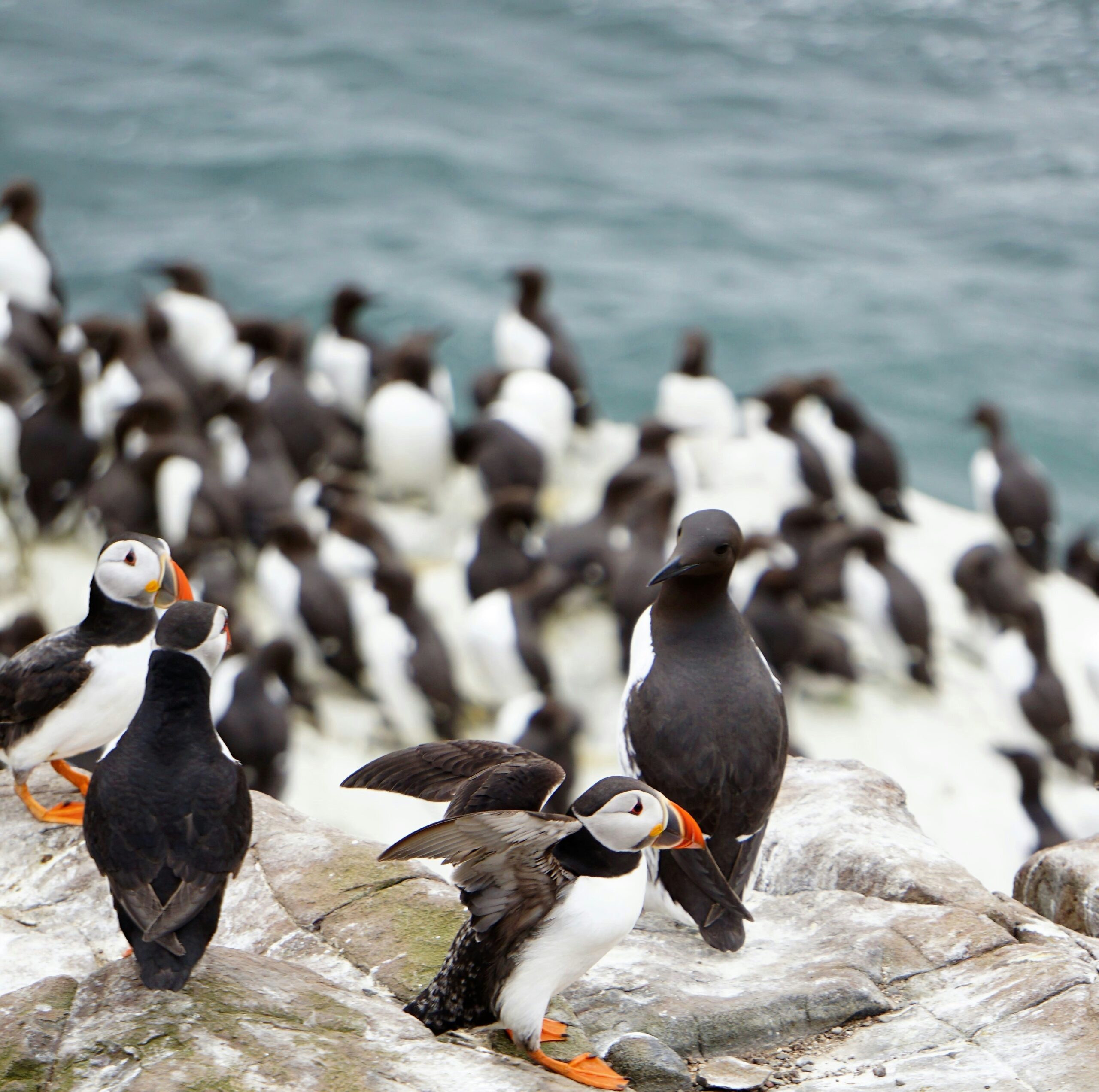
- Respect Wildlife: Remember that these are wild animals in their natural habitat. Maintain a respectful distance, avoid loud noises, and never attempt to feed or disturb the birds. Follow the guidance of your tour operators at all times. The islands are protected nesting grounds, and it is crucial to minimize any impact on the ecosystem.
By choosing the right time, selecting a reputable tour, and coming prepared, your encounter with Maine’s puffins is sure to be an enriching and unforgettable travel experience.
LifeOutOfTheBox is a participant in the Amazon Services LLC Associates Program, an affiliate advertising program designed to provide a means for sites to earn advertising fees by advertising and linking to Amazon.com. Amazon, the Amazon logo, AmazonSupply, and the AmazonSupply logo are trademarks of Amazon.com, Inc. or its affiliates. As an Amazon Associate we earn affiliate commissions from qualifying purchases.