
When planning a trip, whether for leisure or business, understanding the terminology used by hotels is crucial for making informed booking decisions. Among the most common room types encountered is the “double room.” While seemingly straightforward, the definition and features of a double room can vary slightly depending on the establishment and its location. This article delves into what constitutes a double room, its typical configurations, and what guests can expect when booking one.
Understanding the Core Concept of a Double Room
At its heart, a double room is designed to accommodate two people. This fundamental characteristic is what distinguishes it from a single room (intended for one occupant) or a family room (which typically offers more space and sleeping arrangements for multiple individuals, including children). The “double” in its name refers to the number of people it is intended to house, rather than the size of the bed, though the bed type is often a key factor in defining the room’s specific offering.
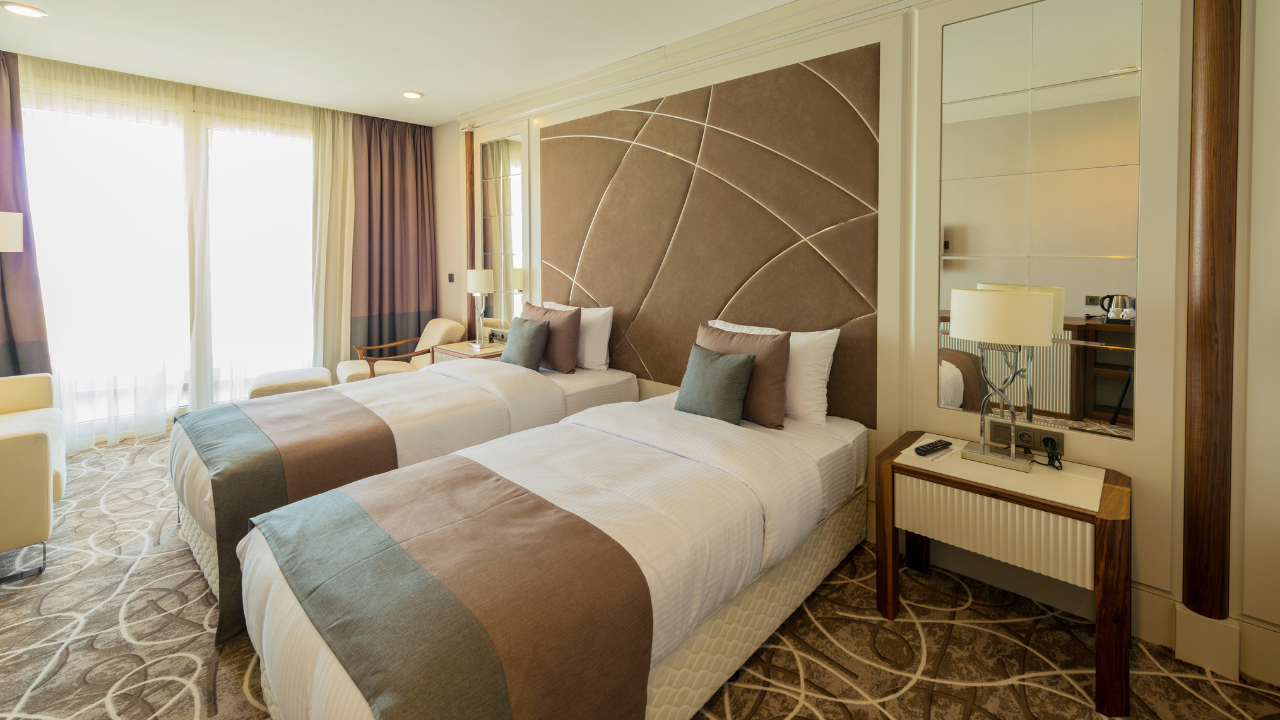
The primary purpose of a double room is to provide comfortable lodging for a pair of travelers. This could be a couple on a romantic getaway, friends traveling together, or business colleagues sharing accommodation to manage costs. The expectation is that the room will offer adequate space, amenities, and sleeping arrangements for two individuals.
The Bedding Configuration: The Key Differentiator
The most significant variation within the “double room” category lies in its bedding. While it’s always intended for two people, how those two people sleep can differ:
Standard Double Room: The Classic Arrangement
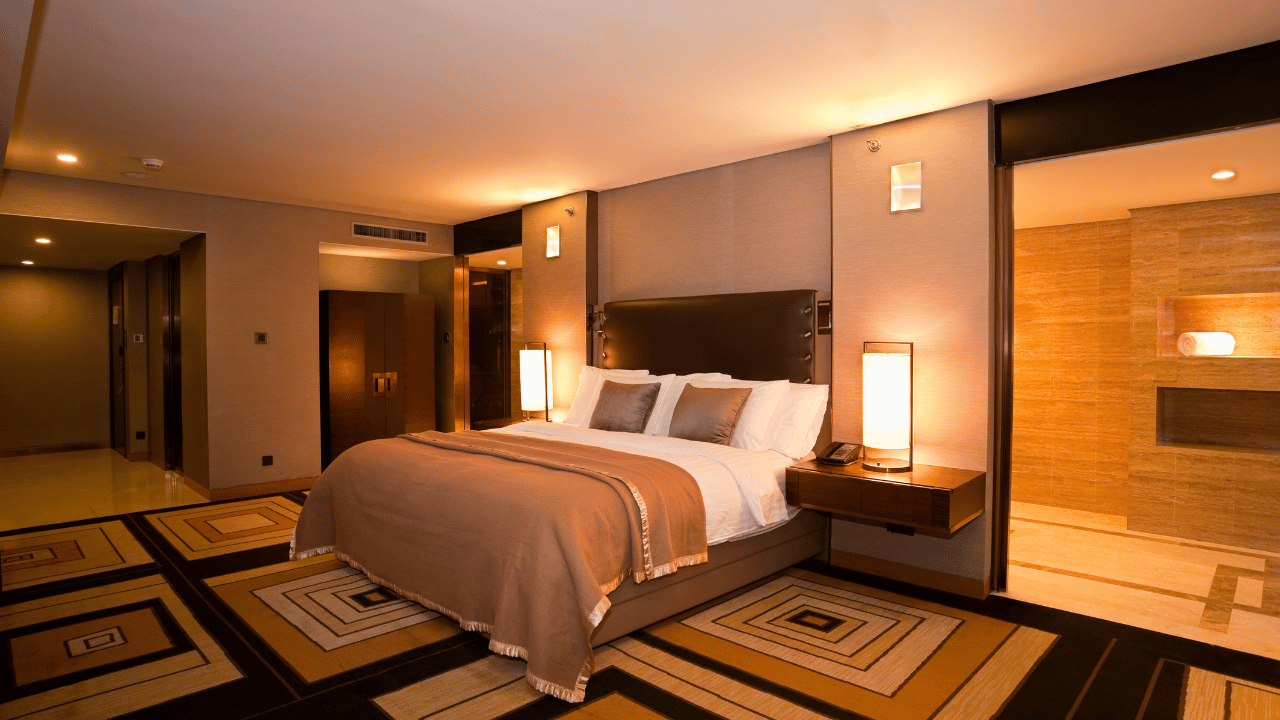
The most traditional understanding of a double room often implies a room furnished with one double-sized bed. A double bed, also known as a full-size bed, is typically 54 inches wide and 75 inches long. This configuration is ideal for couples who are comfortable sharing a single bed or for solo travelers who prefer more sleeping space. When booking a “double room” without further specification, this is often the default arrangement you can expect.
Twin Room: Separate Sleeping Spaces
Conversely, a “twin room” is also designed for two occupants but features two separate single beds, often referred to as twin beds. Each twin bed is usually 38 inches wide and 75 inches long. This is the preferred option for friends, family members, or business associates who wish to maintain their personal space and sleep separately. It’s important to note that while the term “double room” can sometimes be used interchangeably with “twin room” in certain regions or by specific hotels, it’s always best to clarify the bedding when booking to avoid any surprises. Many hotels will explicitly list “double room” and “twin room” as distinct options.
Larger Beds: Variations on a Theme
Some hotels may offer rooms designed for two people but equipped with larger beds that still fit under the “double room” umbrella. These might include:
- Queen Bed: A queen-size bed is wider and longer than a double bed, typically measuring 60 inches wide and 80 inches long. A room with one queen bed is often still categorized as a double room, especially in North America, as it is comfortably suited for two people.
- King Bed: A king-size bed is the largest standard bed size, usually 76 inches wide and 80 inches long. A room featuring a king-size bed is almost universally considered suitable for two occupants and is often marketed as a “king room” or a superior type of double room.
It is common practice for hotels to specify the bed type within the room description, such as “Double Room with One Double Bed,” “Double Room with One Queen Bed,” or “Twin Room with Two Single Beds.” Always check these details on the hotel’s website or booking platform.
Amenities and Features Typically Found in a Double Room
Beyond the sleeping arrangements, double rooms are equipped with a standard set of amenities designed to ensure a comfortable and convenient stay for their occupants. While the level of luxury and the specific items provided can vary significantly between budget-friendly establishments like a Motel 6 and upscale hotels like the Ritz-Carlton, certain features are commonly expected:
In-Room Essentials
- Private Bathroom: Almost all double rooms in modern hotels come with an en-suite private bathroom. This typically includes a toilet, sink, and shower or bathtub. High-end hotels might offer separate bathtubs and walk-in showers, along with premium toiletries.
- Linens and Towels: Clean bedding, including sheets, pillows, and a duvet or blanket, along with bath towels, hand towels, and face cloths, are provided.
- Wardrobe or Closet Space: Ample space to hang clothes and store luggage is usually available. This might include hangers and drawers.
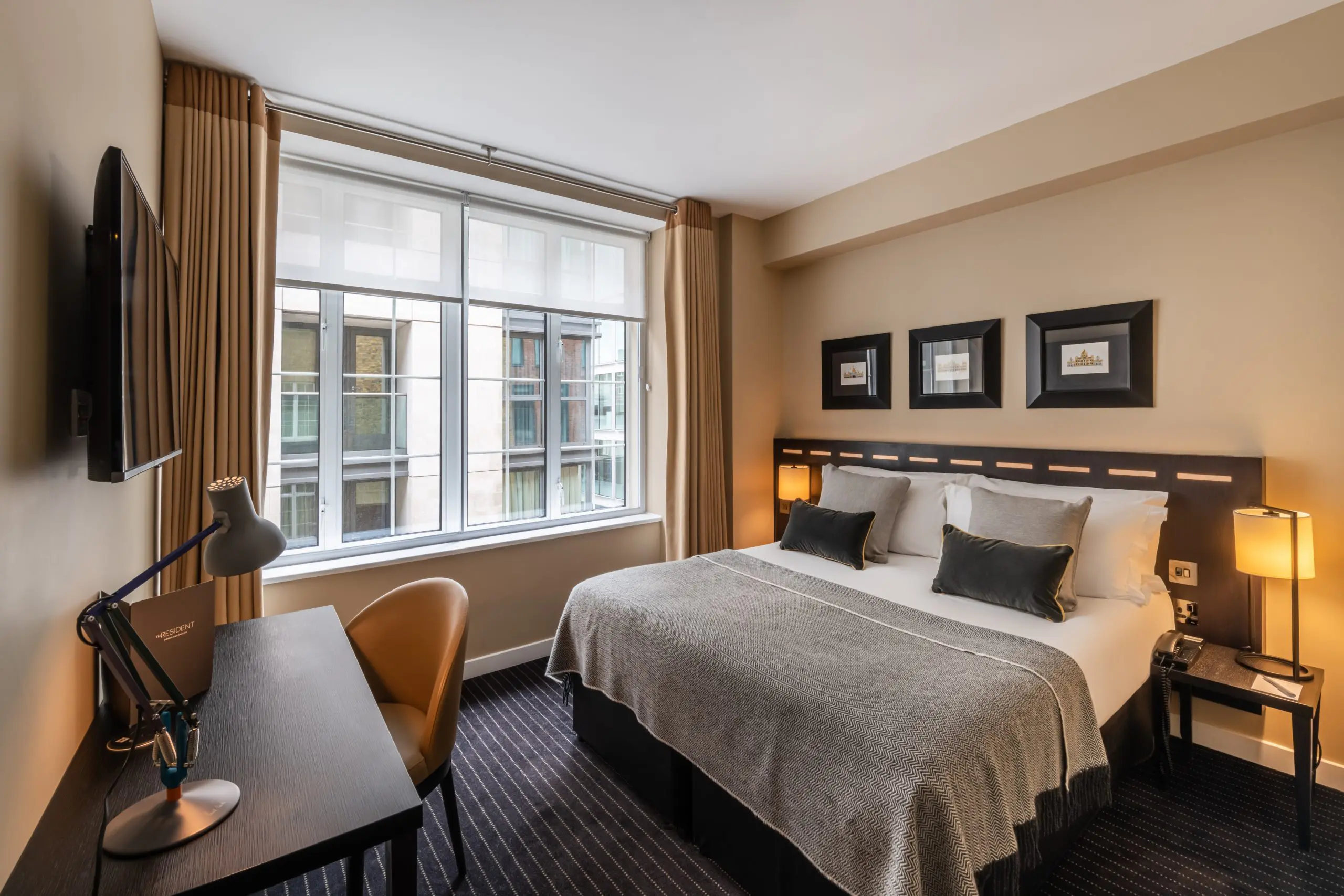
- Desk and Chair: A work surface and seating are often provided, particularly in business-oriented hotels, to allow guests to work or write.
- Seating Area: Depending on the room size and hotel category, there might be one or two armchairs or a small sofa for relaxing.
- Television: A TV with local and potentially international channels is a standard amenity.
- Telephone: For making internal calls to hotel services or external calls (often incurring charges).
- Air Conditioning/Heating: Climate control to adjust the room temperature to the guest’s comfort.
- Wi-Fi Access: Internet connectivity, which may be complimentary or charged, is increasingly standard.
Additional Conveniences
Many hotels enhance the double room experience with additional amenities, especially in mid-range to luxury properties. These can include:
- Mini-Fridge: Often stocked with beverages and snacks for purchase, or empty for guests to use for their own items.
- Coffee/Tea Maker: Allowing guests to prepare hot beverages in their room at their convenience.
- Hair Dryer: A standard fixture in most hotel bathrooms.
- Iron and Ironing Board: For guests to press their clothes.
- Safe Deposit Box: For storing valuables securely.
- Amenities Tray: Containing items like soap, shampoo, conditioner, and lotion.
- Slippers and Bathrobes: A touch of luxury often found in higher-tier hotels.
- Soundproofing: While not always explicitly advertised, well-constructed hotels aim to minimize noise disruption from corridors and adjacent rooms.
Factors Influencing Double Room Pricing
The cost of a double room can fluctuate based on several key factors. Understanding these variables can help travelers budget effectively and find the best value for their stay.
Location, Location, Location
The geographical position of a hotel is a primary determinant of room rates. Hotels in prime locations, such as bustling city centers like New York City or popular tourist destinations like Paris, typically command higher prices due to demand and proximity to attractions and business districts. Conversely, hotels situated further from these hubs or in less sought-after areas may offer more competitive rates.
Hotel Star Rating and Brand
The star rating of a hotel directly correlates with the level of service, amenities, and luxury it offers. A five-star establishment, such as the Four Seasons Hotel George V Paris, will naturally have significantly higher prices for its double rooms compared to a two-star hotel. Similarly, well-known hotel brands, like Marriott or Hilton, often maintain consistent pricing structures that reflect their brand reputation and service standards.
Time of Year and Demand
Seasonal variations and local events play a substantial role in hotel pricing. During peak tourist seasons, holidays, or major conferences and sporting events (like the Super Bowl), demand surges, leading to increased room rates. Off-peak seasons or periods with lower local demand generally offer more affordable options.
Room Size and View
While the basic “double room” definition applies, variations in size and the presence of desirable views can impact price. A larger double room with a scenic view of a landmark like the Eiffel Tower or a waterfront vista will typically be more expensive than a standard-sized room with a view of the hotel’s courtyard or an adjacent building.
Booking Channel and Flexibility
The platform through which a room is booked can also influence the final price. Booking directly with the hotel, through online travel agencies (OTAs) like Booking.com or Expedia, or through corporate travel portals can yield different rates. Flexibility in booking dates and cancellation policies can also impact pricing, with non-refundable rates often being cheaper but offering less flexibility.
When to Choose a Double Room
A double room is a versatile choice, suitable for a wide range of travelers and scenarios.
- Couples: The most obvious choice for romantic getaways or vacations. Whether opting for a room with a single double/queen/king bed or two separate beds, it caters to the needs of two people traveling together.
- Friends Traveling Together: If traveling with a friend or sibling and comfortable sharing a bed, a standard double room with one bed can be a cost-effective option. However, if personal space is preferred, a twin room is the better choice.
- Business Travelers: Colleagues attending a conference or on a business trip together might opt for a double room (especially a twin room) to share expenses.
- Solo Travelers Seeking Extra Space: Some solo travelers might choose a double room over a single room simply for the added space and the option of a larger bed for increased comfort.
- Budget-Conscious Travelers: Sharing a double room between two people is often more economical than two separate single rooms, making it a popular choice for budget travelers.
In conclusion, the double room is a foundational offering in the hospitality industry, providing essential accommodation for two. While the term generally implies a room for two, understanding the specific bedding configurations and amenities offered by different hotels is paramount to ensuring a satisfactory and tailored travel experience. Always refer to detailed room descriptions and confirm specifics with the hotel to book the perfect double room for your needs.
LifeOutOfTheBox is a participant in the Amazon Services LLC Associates Program, an affiliate advertising program designed to provide a means for sites to earn advertising fees by advertising and linking to Amazon.com. Amazon, the Amazon logo, AmazonSupply, and the AmazonSupply logo are trademarks of Amazon.com, Inc. or its affiliates. As an Amazon Associate we earn affiliate commissions from qualifying purchases.