
Boston, Massachusetts, a city steeped in colonial history and maritime tradition, naturally boasts a culinary identity deeply intertwined with the ocean. Its position along the Atlantic coast has cemented its reputation as a premier destination for fresh, high-quality seafood. Beyond its celebrated catches, Boston’s food scene is a tapestry woven from historic New England staples, vibrant immigrant contributions, and a burgeoning modern gastronomy. For any visitor seeking to truly understand Boston’s gastronomic heart, an exploration of its diverse culinary offerings is paramount, revealing layers of cultural heritage and contemporary innovation.
The Quintessential Seafood Experience
Boston’s identity is inextricably linked to the sea, a relationship that has profoundly shaped its culinary landscape. The salty air, historic fishing fleets, and bustling docks have not only fueled the city’s economy but also embedded seafood as an indispensable component of its cultural fabric. From venerable institutions that have served patrons for centuries to modern eateries pushing the boundaries of oceanic cuisine, the city’s seafood scene is vibrant and diverse, offering an authentic taste of New England.

Creamy Boston Clam Chowder
Perhaps no dish is more synonymous with Boston than its rich, creamy clam chowder. This isn’t just soup; it’s a hearty meal, a comforting embrace, and a reflection of the city’s coastal resilience. Traditional New England clam chowder is characterized by its thick, milk or cream-based broth, generously studded with tender clams, diced potatoes, and often subtle notes of onion and celery. Unlike its tomato-based Manhattan counterpart, Boston’s version prides itself on its simplicity and the purity of its ingredients, allowing the sweet brininess of the clams to shine through.
Served hot, often with a side of oyster crackers for crumbling, it’s a staple on virtually every restaurant menu, from casual diners to upscale establishments. For an authentic taste, historic spots like the Union Oyster House, America’s oldest continuously operating restaurant, offer a classic rendition, while contemporary seafood bastions like Legal Sea Foods also present exceptional bowls. Many local chefs consider clam chowder a sacred trust, with subtle variations in seasoning or creaminess being a point of pride. Sampling multiple versions across different eateries can be a delightful journey in itself, revealing the nuanced expressions of this quintessential Boston dish. Whether enjoyed on a chilly autumn day or a breezy summer evening, a bowl of Boston clam chowder is an experience that connects you directly to the city’s maritime soul and enduring culinary legacy.
The Iconic Lobster Roll
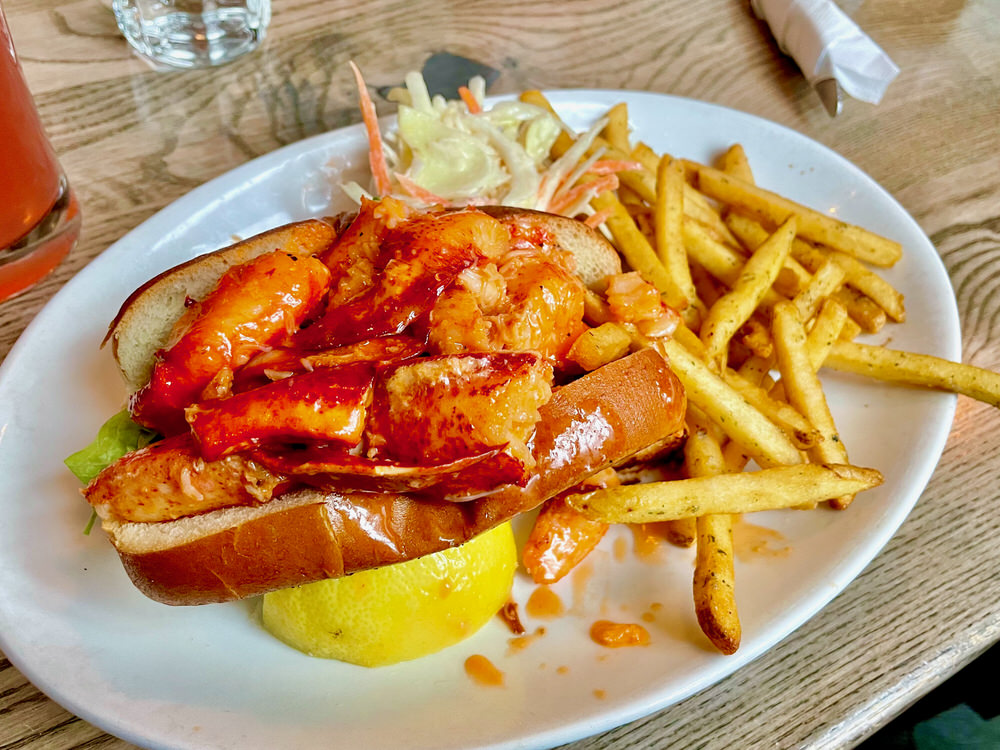
Another unmissable seafood delicacy is the lobster roll. While simple in concept, its execution can vary, leading to delightful debates among aficionados. In Boston, the preference often leans towards a “cold” lobster roll, where generous chunks of fresh, sweet lobster meat are lightly tossed with mayonnaise, a touch of celery or chives, and sometimes a hint of lemon, then piled high into a buttered and grilled split-top hot dog bun. The warmth and slight crispness of the bun perfectly contrast with the cool, succulent lobster, creating a symphony of textures and flavors. Some establishments also offer “hot” lobster rolls, where the lobster is warmed in drawn butter before being placed in the bun, providing a different, equally satisfying experience that highlights the richness of the lobster.
Regardless of the preparation, a Boston lobster roll is a celebration of local seafood, a portable feast that encapsulates the essence of coastal dining. Places like Neptune Oyster in the North End are renowned for their exquisite versions, alongside countless other seafood shacks and restaurants across the city. The commitment to fresh, locally sourced lobster ensures an unparalleled taste experience, making it a mandatory culinary adventure for visitors. It’s a dish that embodies both luxury and casual seaside charm, perfect for a leisurely lunch or a special dinner.
Fresh Oysters and Fried Clams
Beyond chowder and lobster rolls, Boston’s seafood repertoire extends to fresh oysters and fried clams, both of which hold a special place in the local palate. The city’s proximity to pristine oyster beds in Duxbury and other New England waters means that raw bar selections are often exceptional. Oysters are served fresh on the half shell, typically with mignonette, cocktail sauce, and lemon, allowing their distinct briny flavors, reflective of their specific origins, to truly shine. Dedicated oyster bars and seafood restaurants often feature a rotating selection of local and regional varieties, providing a true taste of the ocean’s bounty and an education in appellation.
Fried clams, particularly “whole belly” clams, are another local favorite that speaks to New England’s casual seafood tradition. These delectable morsels feature the entire clam, including its flavorful belly, lightly battered and deep-fried until golden brown and crispy. The result is a delightful contrast of textures – a crunchy exterior yielding to a tender, juicy interior – and a sweet, briny taste that is utterly addictive. Often served with tartar sauce and lemon wedges, fried clams are a quintessential summer treat, perfect for a casual lunch or dinner by the water. Seafood shacks along the coast and many Boston restaurants, especially in areas like the Seaport District, offer fantastic renditions of this simple yet deeply satisfying dish.
Historic Sweet and Savory Staples
Boston’s culinary narrative isn’t solely defined by its proximity to the ocean; it also carries the legacy of its colonial past and the ingenuity of its early settlers. This history has given rise to several iconic dishes that, while perhaps less globally recognized than its seafood, are deeply ingrained in the local culture and represent a comforting, traditional side of Boston’s food scene. These staples speak to a heritage of resourcefulness and a taste for simple, wholesome ingredients, passed down through generations.
The Original Boston Cream Pie
Despite its misleading name, the Boston Cream Pie is, in fact, a cake – and a celebrated one at that. It consists of two layers of golden sponge cake, generously filled with a rich, vanilla-flavored pastry cream, and topped with a glistening chocolate glaze. Its origins trace back to the Omni Parker House hotel, where it was first created in 1856 by French chef Auguste Revere. Originally called the “Parker House Chocolate Cream Pie,” it quickly became a local sensation and eventually evolved into the state dessert of Massachusetts.
This dessert is a masterclass in balance: the light, airy cake, the creamy, sweet filling, and the slightly bitter chocolate ganache create a harmonious symphony of flavors and textures. Every bakery and patisserie in Boston offers its own version, but a visit to Parker’s Restaurant within the Omni Parker House provides the most authentic historical experience, allowing diners to taste a piece of culinary history in its birthplace. It remains a timeless classic, a testament to enduring appeal of simple elegance.
Boston Baked Beans and Brown Bread
No discussion of traditional Boston fare would be complete without mentioning Boston Baked Beans. This slow-cooked, hearty dish features navy beans (or other small white beans) traditionally sweetened with molasses and flavored with salt pork or bacon, then baked for many hours until tender and deeply caramelized. The molasses gives the beans their characteristic dark color and unique sweet-and-savory profile, a flavor deeply comforting and distinctively New England. Historically, these beans were prepared on Saturday and baked overnight, then served for Sunday breakfast, a practice born from Puritanical laws restricting cooking on the Sabbath. This tradition made them a staple for generations, embodying thrift and communal dining.
Often served alongside Boston Baked Beans is Boston Brown Bread. This dense, moist, and slightly sweet bread is typically made with a blend of rye, cornmeal, and whole wheat flour, sweetened with molasses, and traditionally steamed in a can rather than baked. The steaming process gives it a unique texture and retains its moisture, making it a perfect accompaniment to the rich beans, ideal for soaking up the savory sauce. While less common on everyday restaurant menus now, these dishes represent the soul food of old Boston, a testament to its colonial past. Some traditional diners and specialty delis still offer authentic versions, providing a delicious glimpse into the city’s historical pantry and a taste of its enduring legacy.
Boston Cream Doughnuts
A delightful extension of the Boston Cream Pie’s legacy, the Boston Cream Doughnut is a beloved treat throughout New England. It takes the essential elements of its cake predecessor – a fluffy, yeast-raised doughnut filled with creamy vanilla custard and topped with a decadent chocolate glaze – and transforms them into a portable, handheld delight. This doughnut offers the same harmonious balance of flavors and textures as the pie: the light fried dough, the cool, sweet custard, and the rich chocolate ganache.
It’s a staple in local doughnut shops and bakeries, a testament to the region’s love for comfort food. While not as historically rooted as the pie itself, its widespread popularity reflects a continued affection for the classic flavor combination in a more casual format. Finding a fresh Boston Cream Doughnut is an easy and satisfying way to experience a piece of Boston’s sweet heritage, a perfect companion to a morning coffee or an afternoon pick-me-up.
Global Flavors with a Local Twist
While Boston proudly upholds its traditional culinary heritage, it is also a vibrant metropolis with a dynamic food scene influenced by waves of immigration and a growing appetite for global flavors. From historic ethnic enclaves to modern gastronomic hubs, the city offers an exciting array of international cuisines, often with a distinct New England sensibility. Exploring these neighborhoods provides a richer, more comprehensive understanding of the city’s diverse palate and its evolving culinary identity.
The Italian Heart of the North End
No culinary tour of Boston is complete without a journey into the North End, the city’s oldest residential neighborhood and its vibrant Italian-American enclave. Cobblestone streets are lined with dozens of authentic Italian restaurants, bakeries, and delis, each vying for attention with tantalizing aromas of garlic, basil, and simmering tomato sauce. Here, you’ll find everything from classic red-sauce Italian-American dishes like spaghetti and meatballs, lasagna, and chicken parmesan to more regional Italian specialties, reflecting the diverse origins of its immigrant community.
The true stars of the North End are its bakeries, famous for their pastries, particularly cannolis. A visit to either Mike’s Pastry or Modern Pastry is an essential Boston experience, offering a delightful (and often crowded) challenge of choosing from an overwhelming array of beautifully crafted sweets. Beyond cannolis, look for sfogliatelle, amaretti, and various Italian cookies, all made with generations of expertise. The North End isn’t just about eating; it’s an immersive cultural experience, where food traditions are deeply cherished and passionately preserved, creating a lively and authentic atmosphere.
Modern Gastronomy in the Seaport District
In stark contrast to the historic charm of the North End is the rapidly developing Seaport District. Once an industrial waterfront, this area has transformed into a sleek, modern hub for innovation, entertainment, and, significantly, upscale dining. The Seaport District is where Boston’s contemporary culinary scene truly shines. Here, chefs are experimenting with innovative techniques and global influences, offering refined menus that often highlight local New England ingredients in sophisticated ways.
You’ll find a concentration of high-end seafood restaurants, steakhouses, and eateries specializing in farm-to-table cuisine. Many establishments boast stunning waterfront views and chic, contemporary decor, making them perfect for a special occasion or a sophisticated night out. It’s an ideal neighborhood for those seeking a more modern, fashionable dining experience, whether it’s innovative cocktails, meticulously crafted small plates, or a multi-course tasting menu. The Seaport District represents Boston’s forward-thinking approach to food, a place where tradition meets cutting-edge culinary artistry.
Diverse Bites at Faneuil Hall Marketplace
For a more casual yet equally diverse culinary adventure, Faneuil Hall Marketplace is a must-visit. Situated near the Freedom Trail, this historic site houses Quincy Market, a bustling food hall that offers an astounding array of quick, affordable, and international options. Within its grand, historic walls, visitors can sample everything from classic New England clam chowder and lobster rolls to international street food, gourmet sandwiches, pastries, and more.
It’s a vibrant, energetic atmosphere perfect for grabbing a quick bite while exploring the city’s historical landmarks. The sheer volume and variety of food vendors make it an excellent spot for families or groups with diverse tastes. While it may lean more towards casual dining, the quality and selection are impressive, offering a convenient snapshot of both local favorites and global influences that have found a home in Boston’s dynamic food scene. It’s a place where history and modern convenience converge, offering a taste of Boston’s bustling daily life.
Beverages and Beyond: Craft Beer and Coffee Culture
Beyond its renowned solid foods, Boston’s beverage scene is equally robust and integral to its local culture. From historic breweries to burgeoning coffee houses, the city offers plenty of options to quench a thirst and complement its diverse culinary landscape. These establishments are not merely places for drinks but often serve as vibrant community hubs, reflecting local traditions and contemporary trends, providing a true taste of Boston’s social fabric.
Boston’s Thriving Craft Beer Scene
Boston holds a significant place in American brewing history, most famously as the home of Samuel Adams and the Samuel Adams Brewery. This iconic brand played a pivotal role in the craft beer revolution, and its legacy continues to inspire a vibrant and growing craft beer scene throughout the city and surrounding areas. Visitors can take a tour of the Samuel Adams Brewery in Jamaica Plain to learn about the brewing process and sample their famous lagers and seasonal offerings.
However, the scene extends far beyond one name. Boston and its suburbs are now dotted with numerous independent craft breweries, each experimenting with unique styles, from hoppy IPAs to rich stouts and sour ales. Many breweries offer inviting taprooms where visitors can enjoy fresh brews directly from the source, often accompanied by food trucks or in-house kitchens, creating lively social atmospheres. This burgeoning scene reflects a broader national trend but retains a distinctive New England character, often incorporating local ingredients and themes. Exploring these breweries offers a deeper dive into modern Bostonian culture and community, where passion for craft and local pride go hand-in-hand.

Coffee Shops and Cafes
Boston’s intellectual and collegiate atmosphere naturally fosters a strong coffee culture. The city is home to a multitude of independent coffee shops and artisan roasters, alongside larger chains, providing endless options for a morning pick-me-up or an afternoon respite. These cafes often double as meeting spots, study areas for students from the numerous universities like Harvard and MIT, and creative spaces for locals, reflecting the city’s vibrant academic and professional life.
From meticulously brewed pour-overs to expertly crafted lattes, Boston’s baristas are serious about their craft. Many establishments source beans ethically and roast them locally, ensuring a fresh and flavorful cup that appeals to discerning palates. Whether you’re seeking a cozy corner to read, a bustling spot to people-watch, or simply an exceptional espresso, Boston’s coffee scene offers a welcoming and high-quality experience. It perfectly complements the city’s diverse food offerings, providing the perfect start or finish to any culinary exploration, offering both comfort and stimulation.
In conclusion, Boston’s culinary landscape is as rich and diverse as its history. From the briny depths of its iconic seafood to the comforting sweetness of its traditional desserts, and from the hearty flavors of its colonial past to the sophisticated notes of its modern global cuisine, the city offers an unforgettable gastronomic journey. Each bite tells a story, making Boston a truly satisfying destination for any food enthusiast.
LifeOutOfTheBox is a participant in the Amazon Services LLC Associates Program, an affiliate advertising program designed to provide a means for sites to earn advertising fees by advertising and linking to Amazon.com. Amazon, the Amazon logo, AmazonSupply, and the AmazonSupply logo are trademarks of Amazon.com, Inc. or its affiliates. As an Amazon Associate we earn affiliate commissions from qualifying purchases.