
The decision of when to book hotels is as crucial as choosing the destination itself. It can significantly impact your budget, the availability of your preferred accommodations, and ultimately, the success of your trip. Navigating the world of hotel bookings involves understanding seasonal demand, specific event impacts, and the nuances of booking windows. This guide aims to demystify the process, offering insights to help you secure the best possible rates and rooms for your travels, whether you’re planning a weekend getaway to Paris or a longer sojourn in Bali.
Understanding Booking Windows
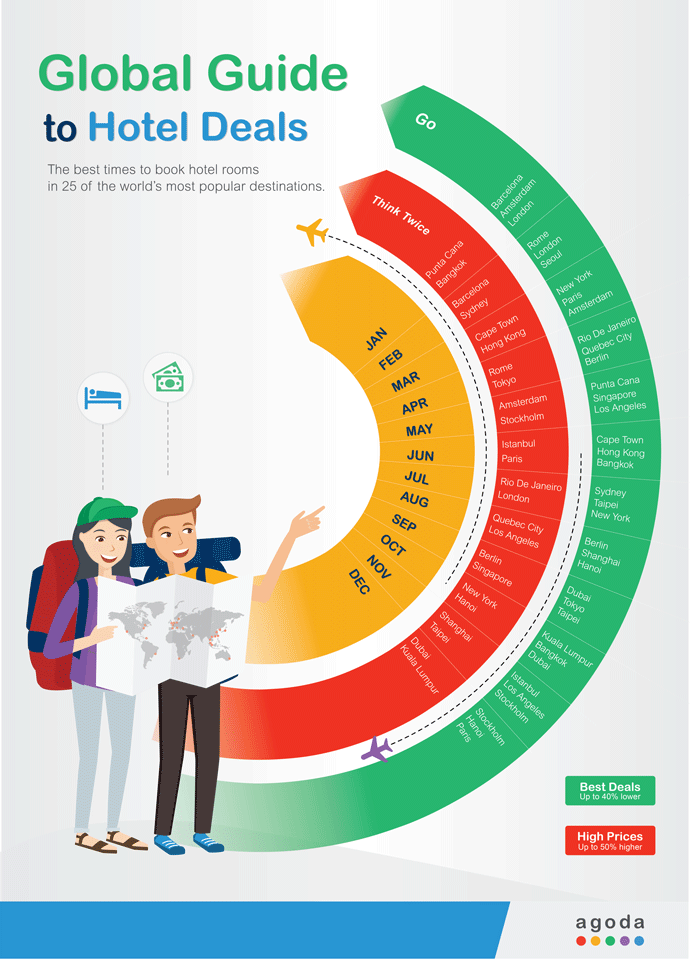
The optimal time to book a hotel often falls within a specific window, a period where the balance of supply and demand typically allows for better pricing and wider selection. While there’s no universal “magic number” of days or weeks that applies to every booking, general patterns emerge based on the type of trip and destination.
The Sweet Spot for Leisure Travel
For typical leisure trips, especially to popular tourist destinations, booking two to six months in advance is often considered the sweet spot. This timeframe allows you to capitalize on early-bird discounts offered by many hotels and online travel agencies. It also provides ample time to secure rooms in highly sought-after properties, such as the Ritz Paris or boutique hotels in Kyoto, before they sell out. Booking too early, more than six months out, might mean missing out on potential last-minute deals or promotional offers that haven’t been released yet. Conversely, waiting until the last few weeks or days can lead to significantly inflated prices or a lack of availability, particularly if you’re traveling during peak season or to a city hosting a major event.
Business Travel Considerations
Business travel often requires a different approach. While flexibility is sometimes a hallmark of business trips, the need for reliable and convenient accommodation near business centers or conference venues is paramount. Many corporate travel policies mandate booking within a certain timeframe, often 30 to 60 days in advance. This allows for necessary approvals and ensures that preferred business-friendly hotels, like those found near the Javits Convention Center, are secured. For predictable annual events like industry trade shows in Las Vegas, booking even further in advance, up to a year, might be prudent due to the sheer volume of demand.
Last-Minute Deals: A Gamble
The allure of last-minute deals is undeniable, promising significant savings for the spontaneous traveler. While these deals do exist, especially for off-peak periods or less popular destinations, relying on them exclusively can be risky. Hotels may release unsold inventory at reduced rates in the final days before occupancy, but this is not guaranteed. If your travel dates are fixed and your destination is popular, such as during the Oktoberfest in Munich, booking at the last minute could mean paying a premium or finding no availability at all. It’s a strategy best employed when flexibility is high and the consequences of not finding accommodation are minimal.
Factors Influencing Booking Timing
Beyond general booking windows, several dynamic factors can sway the optimal time to book your hotel. Understanding these variables can empower you to make more informed decisions and secure better value.
Seasonality and Peak Demand
The most significant influence on hotel booking timing is seasonality. Travel to destinations like Santorini during its summer months (June to August) or to ski resorts in Aspen during winter will invariably command higher prices and require earlier bookings.
- Peak Season: For popular tourist spots during their prime travel periods, booking six months to a year in advance is often recommended. This is especially true for iconic locations like the Grand Canyon National Park or during holidays like Christmas in New York City.
- Shoulder Season: The periods immediately before and after peak season, known as the shoulder seasons, often present a good balance of pleasant weather and fewer crowds. Booking three to five months in advance can often yield good rates during these times, allowing you to enjoy destinations like Rome or Florence with more ease.
- Off-Peak Season: Traveling during the off-peak season can offer the lowest prices and the most flexibility. You might find great deals by booking just one to two months in advance, or even closer to your travel date. However, be aware that some attractions or services might have reduced operating hours or be closed during these periods.
Special Events and Conferences
Major events, from international sporting competitions to large-scale conferences and festivals, can dramatically impact hotel availability and pricing.

- Major Events: If you plan to attend an event like the Olympic Games, the Super Bowl, or a popular music festival like Glastonbury, book your accommodation as soon as dates are announced, often a year or more in advance. Hotels in the vicinity of these events often sell out completely and prices can skyrocket.
- Conferences and Conventions: Similarly, large industry conferences can saturate hotel markets in cities like Orlando or San Diego. For these, booking three to six months ahead is advisable, especially if you need to stay close to the convention center.
Hotel Type and Price Point
The type of hotel you choose also plays a role in when you should book.
- Luxury Hotels: High-end hotels and unique boutique properties often have limited inventory and are in high demand, especially during peak times. Booking six months to a year in advance is a wise strategy to secure a room at a property like the Beverly Hills Hotel.
- Budget Hotels and Hostels: While budget accommodations might offer more availability, booking in advance is still beneficial, especially in popular or student-heavy cities. For hostels, booking one to three months ahead is generally sufficient, though popular ones in Berlin or Barcelona can fill up.
- Vacation Rentals (Apartments/Villas): Properties like apartments and villas, particularly those offering unique amenities or prime locations, are often booked well in advance. For popular vacation spots, consider booking four to nine months out, especially if you require specific features or are traveling with a larger group.
Strategies for Smart Hotel Booking
Beyond timing, several strategic approaches can help you secure the best hotel deals and experiences.
Leverage Loyalty Programs
Joining hotel loyalty programs, such as Marriott Bonvoy, Hilton Honors, or World of Hyatt, can offer significant advantages. Members often receive exclusive discounts, complimentary upgrades, late check-outs, and the ability to earn points redeemable for free stays. Early access to promotions or special booking windows can also be a perk of loyalty.
Compare and Contrast
Never settle for the first price you see. Utilize a variety of booking platforms and comparison websites, such as Booking.com, Expedia, and Hotels.com, to compare rates. Pay attention to cancellation policies and any additional fees. Sometimes, booking directly with the hotel can result in better rates or more favorable terms, especially if you are a member of their loyalty program.
Be Flexible with Dates and Destinations
If your travel dates are flexible, try searching for prices across a range of days. Often, shifting your stay by just one or two days can result in substantial savings. Similarly, if your heart isn’t set on a specific city, explore nearby alternatives that might offer lower accommodation costs without sacrificing the overall travel experience. For instance, instead of booking a hotel in central London, consider staying in a well-connected suburb.
Consider Package Deals
Sometimes, booking your flight and hotel together as a package deal through a travel agency or online platform can offer cost savings. This is particularly true for popular vacation destinations or resorts. However, always compare the package price against booking flights and hotels separately to ensure you are indeed getting a better deal.
Understand Dynamic Pricing
Hotel pricing is often dynamic, meaning it fluctuates based on real-time demand. While booking further in advance is generally recommended, keep an eye on prices. If you’ve booked in advance and notice a significant price drop closer to your travel date, don’t hesitate to contact the hotel or your booking agent to see if you can rebook at the lower rate or receive a partial refund. Conversely, if prices are rising sharply and you’ve found a rate you’re comfortable with, it’s often best to book and secure your accommodation.
By understanding these booking windows and employing smart strategies, you can significantly enhance your travel planning, ensuring you find the perfect place to stay at the best possible value, whether it’s a family-friendly resort in the Caribbean or a cozy inn in the Scottish Highlands.
LifeOutOfTheBox is a participant in the Amazon Services LLC Associates Program, an affiliate advertising program designed to provide a means for sites to earn advertising fees by advertising and linking to Amazon.com. Amazon, the Amazon logo, AmazonSupply, and the AmazonSupply logo are trademarks of Amazon.com, Inc. or its affiliates. As an Amazon Associate we earn affiliate commissions from qualifying purchases.