
Louisiana, a state steeped in a rich tapestry of history, culture, and natural beauty, is affectionately known by a nickname that perfectly encapsulates its unique identity. This moniker is not merely a label; it’s a gateway to understanding the soul of a place where diverse influences have converged to create something truly extraordinary. The nickname that resonates most profoundly with the spirit of the Bayou State is “The Pelican State.”
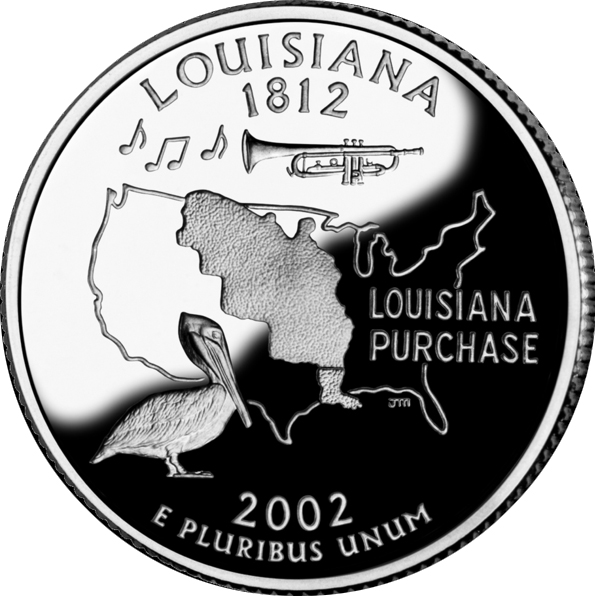
The choice of the Pelican State as its official nickname is deeply rooted in the natural heritage of Louisiana. The brown pelican, a majestic seabird, is not only the state bird but also a symbol of its coastal ecosystem. These elegant birds, with their impressive wingspans and distinctive diving hunting techniques, are a common sight along the state’s extensive coastline and waterways. The pelican’s presence is a constant reminder of the profound connection between the people of Louisiana and the abundant aquatic life that defines its geography.
Unpacking the Symbolism of the Pelican
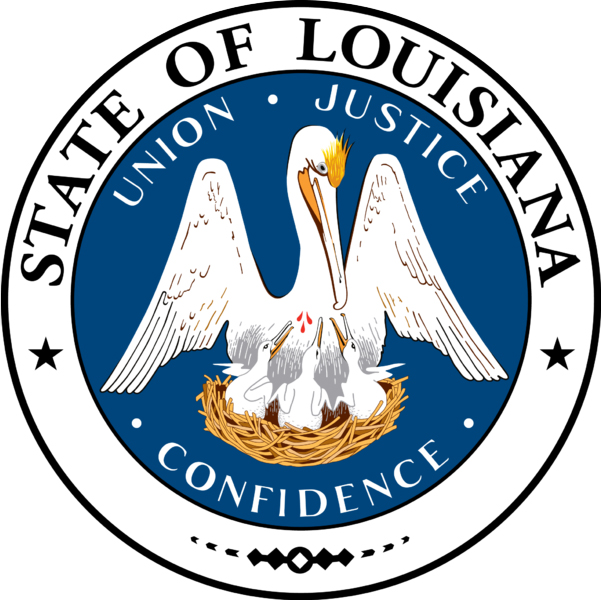
The pelican’s significance extends beyond its ecological role. Historically, the pelican has been a symbol of self-sacrifice and charity, depicted in religious art as feeding its young with its own blood from a pouch. While this imagery might seem stark, it reflects a broader notion of nurturing and provision. In the context of Louisiana, this symbolism can be interpreted as the state’s ability to provide sustenance and richness from its fertile lands and abundant waters, nurturing its inhabitants and visitors alike. The image of the pelican is emblazoned on the state flag and official seal, further cementing its importance as a unifying emblem.
A Glimpse into the Natural Landscape
The “Pelican State” moniker directly invites exploration into the stunning natural landscapes that define Louisiana. The state is characterized by its unique geography, a vast network of bayous, swamps, marshes, and wetlands that create a habitat for a breathtaking array of wildlife. These environments are not just picturesque; they are vital ecological systems that support biodiversity and contribute to the state’s distinctive charm.
- The Bayou Country: The term “bayou” itself is intrinsically linked to Louisiana and conjures images of slow-moving waterways, draped cypress trees, and the haunting beauty of the wetlands. Exploring the bayous by kayak or boat is an essential Louisiana experience, offering a chance to witness the native flora and fauna up close.
- Coastal Marshes and Wetlands: The extensive coastal marshes of Louisiana are crucial for both the environment and the state’s economy, supporting fisheries and acting as a natural buffer against hurricanes. These areas are teeming with birdlife, including various species of herons, egrets, and, of course, pelicans.
- Unique Ecosystems: From the dense hardwood forests of the north to the salt marshes of the south, Louisiana boasts a diverse range of ecosystems, each with its own unique character and inhabitants. The presence of the brown pelican across these varied terrains underscores its role as a fitting symbol for the entire state.
The Cultural Mélange: A Reflection of “The Pelican State”
The nickname “The Pelican State” also serves as an invitation to delve into the rich cultural mosaic that makes Louisiana so captivating. The state’s history is a confluence of influences – Native American, French, Spanish, African, and Caribbean – that have blended to create a vibrant and unique cultural heritage. This blend is reflected in its music, cuisine, festivals, and traditions, all of which contribute to the distinctive “Louisiana way of life.”
A Symphony of Flavors: Louisiana Cuisine
The culinary landscape of Louisiana is world-renowned, a testament to the state’s abundant natural resources and its diverse cultural influences. Just as the pelican thrives in its watery domain, the state’s cuisine flourishes with ingredients drawn from its fertile soil and bountiful coast.
- Creole and Cajun Traditions: At the heart of Louisiana’s culinary identity lie Creole and Cajun cuisines. Creole cuisine, often associated with New Orleans, is known for its refined techniques and influences from French, Spanish, and African traditions. Cajun cuisine, originating from the Acadian settlers in the southwestern part of the state, is characterized by its rustic heartiness and bold flavors, often featuring local seafood, rice, and the “holy trinity” of onions, bell peppers, and celery.
- Seafood Delights: Given the state’s extensive coastline and bayou system, seafood plays a pivotal role in its cuisine. Dishes like gumbo, jambalaya, crawfish étouffée, and boiled shrimp are not just meals; they are cultural experiences, often prepared with a communal spirit. The pelican, as a prominent inhabitant of these waters, indirectly symbolizes the richness of this seafood bounty.
- Beyond the Plate: The appreciation for food in Louisiana extends beyond mere sustenance. It’s a celebration of community, heritage, and the simple pleasures of life. From bustling seafood shacks to elegant restaurants, the culinary scene is a vital part of the “Pelican State” experience.
Rhythms of the Bayou: Music and Festivals
The spirit of Louisiana is often best expressed through its vibrant music and lively festivals. These cultural expressions are deeply intertwined with the state’s history and its natural environment.
- Musical Heritage: Louisiana is the birthplace of jazz, a genre that has captivated the world. The sounds of jazz, blues, zydeco, and Cajun music fill the air, particularly in cities like New Orleans and towns throughout Acadiana. These musical traditions are a testament to the fusion of cultures that have shaped the state.
- Celebrations and Parades: From the world-famous Mardi Gras celebrations in New Orleans to the numerous smaller festivals celebrating everything from seafood to local heritage, Louisiana knows how to celebrate. These events are characterized by vibrant parades, colorful costumes, and an infectious joie de vivre, mirroring the lively nature of the pelican itself.
- The Essence of Louisiana: The music and festivals of Louisiana are more than just entertainment; they are expressions of a resilient and joyous culture, deeply connected to its land and its people. They embody the spirit of community and celebration that is a hallmark of the “Pelican State.”
Experiencing “The Pelican State”: Travel and Tourism
For travelers seeking an authentic and enriching experience, “The Pelican State” offers a wealth of attractions and activities that showcase its natural beauty, cultural depth, and unique charm. Understanding the nickname provides a framework for exploring the state with a greater appreciation for its identity.
Exploring the Iconic Cities and Regions
The nickname invites visitors to explore the diverse regions and iconic cities that define Louisiana. Each area offers a distinct flavor of the “Pelican State” experience.
- New Orleans: The Crescent City, New Orleans, is a must-visit destination, renowned for its historic French Quarter, vibrant jazz scene, and unparalleled culinary offerings. The energy of New Orleans is palpable, a reflection of the state’s dynamic spirit.
- Acadiana: The heartland of Cajun culture, Acadiana, offers a more laid-back and traditional Louisiana experience. Exploring towns like Lafayette allows visitors to immerse themselves in Cajun music, cuisine, and the warm hospitality of its people.
- Plantation Country: Driving along the Great River Road, visitors can step back in time by visiting the historic antebellum plantations, many of which are open for tours. These sites offer a glimpse into the region’s complex past and its architectural grandeur.
- Northern Louisiana: The northern part of the state offers a different landscape, with rolling hills and forests, providing opportunities for outdoor recreation and a glimpse into a less-visited aspect of Louisiana.
Engaging with Nature and Wildlife
The nickname “The Pelican State” is a direct cue to prioritize nature and wildlife encounters during any visit.
- Swamp Tours: A quintessential Louisiana experience, swamp tours offer an intimate look at the bayou ecosystem. Guided tours by boat or airboat allow visitors to spot alligators, turtles, and a multitude of bird species, including the iconic pelican.
- Bird Watching: With its vast wetlands, Louisiana is a paradise for birdwatchers. The coastal areas and inland marshes are crucial stopover points for migratory birds, making it a prime location for observing diverse avian life.
- State Parks and Wildlife Refuges: Numerous state parks and national wildlife refuges across Louisiana offer opportunities for hiking, fishing, camping, and simply immersing oneself in the natural beauty that defines the “Pelican State.”
The Enduring Appeal of “The Pelican State”
The nickname “The Pelican State” is more than just a designation; it’s a narrative woven from the threads of nature, culture, and history. It speaks of abundance, resilience, and a unique way of life that is deeply connected to the land and the water. For those who choose to explore its depths, Louisiana offers an unforgettable journey into a world of vibrant traditions, stunning landscapes, and the enduring spirit of the pelican. Whether drawn by the allure of New Orleans jazz, the taste of authentic Cajun cuisine, or the serene beauty of its bayous, visitors will find that the essence of “The Pelican State” is a rich and rewarding discovery.
LifeOutOfTheBox is a participant in the Amazon Services LLC Associates Program, an affiliate advertising program designed to provide a means for sites to earn advertising fees by advertising and linking to Amazon.com. Amazon, the Amazon logo, AmazonSupply, and the AmazonSupply logo are trademarks of Amazon.com, Inc. or its affiliates. As an Amazon Associate we earn affiliate commissions from qualifying purchases.