
The art of smoking a Boston butt on the grill is a culinary journey that yields incredibly tender, flavorful results. This cut, also known as a pork shoulder, is a cornerstone of Southern cuisine and a crowd-pleaser at any barbecue gathering. Achieving that perfect smoky char, juicy interior, and fall-apart texture requires patience, technique, and a keen understanding of your grill. This guide will walk you through the essential steps, from selecting your cut to resting it for optimal enjoyment, ensuring your grilled Boston butt is a memorable success.
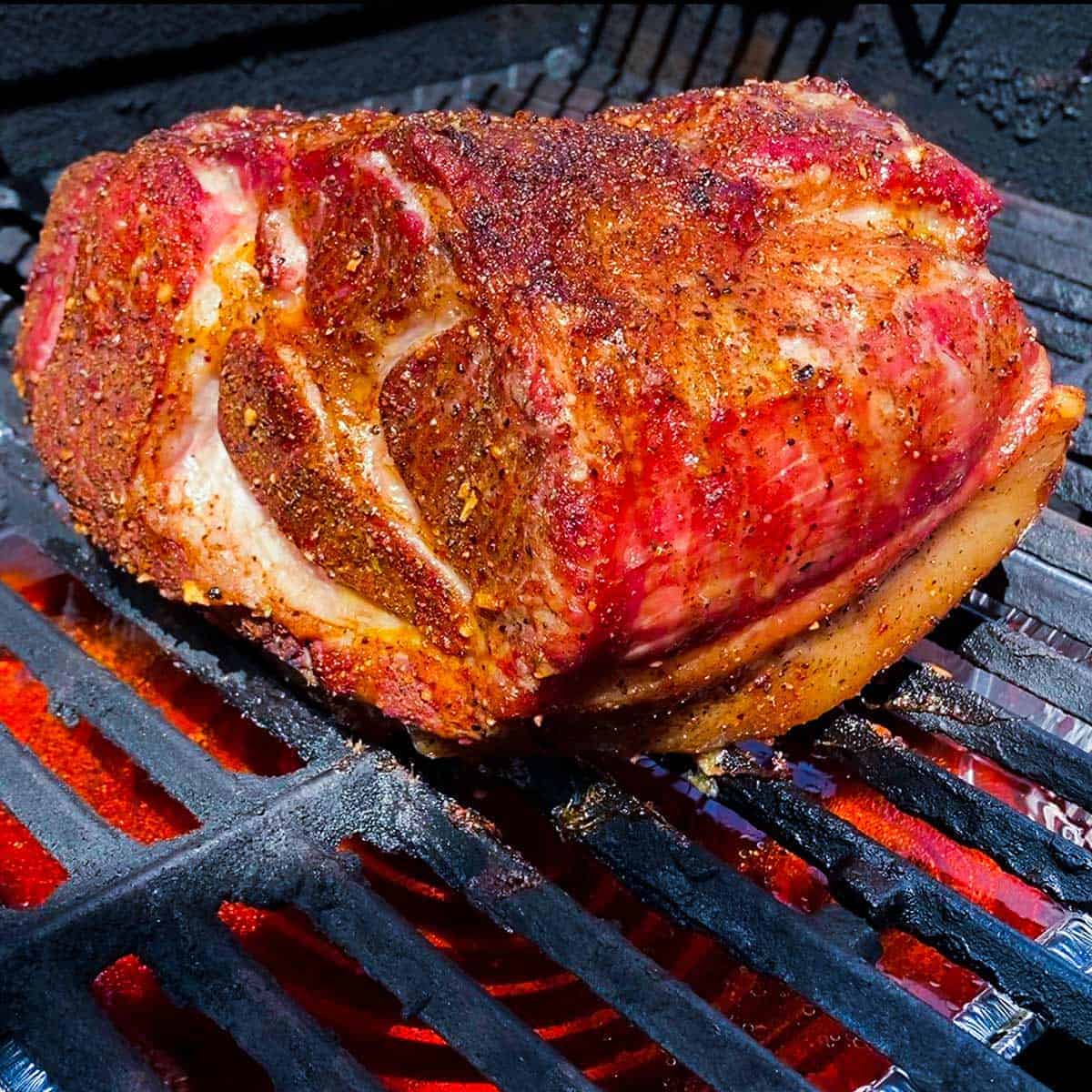
Selecting and Preparing Your Boston Butt
The foundation of a great grilled Boston butt lies in choosing the right cut and preparing it properly. This robust piece of pork is marbled with fat, which is crucial for moisture and flavor during the long cooking process.
Choosing the Right Cut
A Boston butt typically weighs between 5 to 10 pounds. Look for a cut with good marbling – streaks of fat running through the meat. This fat will render down during the slow cooking process, basting the meat and keeping it moist. Some Boston butts come with the blade bone in, while others are boneless. The bone-in variety often offers superior flavor and moisture due to the marrow in the bone.
Trimming Excess Fat
While marbling is essential, you’ll want to trim off any excessively thick, hard chunks of fat from the exterior of the Boston butt. Aim to leave about a quarter-inch of fat remaining. This layer will help protect the meat from drying out and contribute to a beautiful bark.
The Rub: Building the Flavor Foundation
A well-applied rub is paramount to developing a delicious crust, or “bark,” on your Boston butt. The ingredients can vary widely, but a classic combination often includes:
- Salt: Essential for enhancing flavor and drawing out moisture to aid in bark formation. Kosher salt is a popular choice.
- Black Pepper: Adds a pungent kick and complements the pork.
- Paprika: Provides color and a mild, smoky sweetness. Smoked paprika can enhance the smoky profile.
- Garlic Powder and Onion Powder: Offer aromatic depth.
- Brown Sugar: Contributes to caramelization and bark formation. Use sparingly if you prefer less sweetness.
- Cayenne Pepper or Chili Powder: For a touch of heat.
Application: Generously coat the entire surface of the Boston butt with your chosen rub. You can apply it directly or use a binder like mustard or a thin layer of olive oil to help the rub adhere. Allow the rubbed pork to sit for at least 30 minutes, or preferably, refrigerate it overnight to allow the flavors to penetrate.
Grilling Techniques for Boston Butt
The key to a successful Boston butt on the grill is indirect, low-and-slow cooking. This method mimics traditional smoking and allows the connective tissues in the pork to break down, resulting in tender, shreddable meat.
Setting Up Your Grill for Indirect Heat
Whether you’re using a charcoal or gas grill, establishing an indirect heat zone is crucial.
- Charcoal Grill: Pile the lit coals to one side of the grill. Place a drip pan filled with water, apple cider vinegar, or broth under the area where the Boston butt will cook. This drip pan will catch renderings, prevent flare-ups, and add moisture to the cooking environment.
- Gas Grill: Light the burners on one side of the grill and turn them off on the other. This creates a hot zone and a cooler, indirect zone. Place a drip pan in the indirect zone as described above.
The target temperature for cooking a Boston butt is between 225°F and 275°F (107°C and 135°C). Use a reliable grill thermometer to monitor the ambient temperature.
Adding Wood for Smoke Flavor
For that authentic barbecue taste, wood smoke is indispensable.
- Wood Chunks or Chips: Soak wood chunks or chips in water for at least 30 minutes to an hour before adding them to the coals or heat deflectors. This helps them smolder rather than burn up too quickly, producing consistent smoke.
- Popular Wood Choices: Hickory and post oak are classic choices for pork, offering a robust, savory smoke flavor. Apple and cherry woods provide a milder, fruitier smoke that is also excellent with pork.
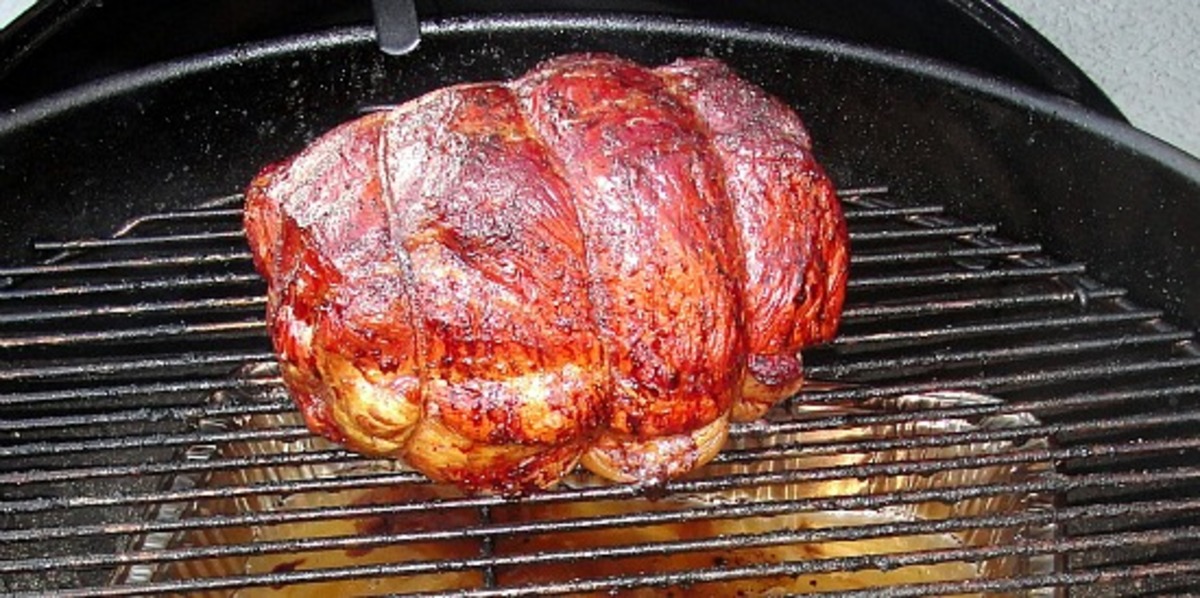
Add your soaked wood chunks or chips to the hot side of the grill, directly on the coals or near the burners. You’ll want to maintain a steady stream of smoke, replenishing wood as needed throughout the cooking process.
The “Stall” and Spritzing
The “stall” is a phenomenon where the internal temperature of the meat stops rising for a period, often between 150°F and 165°F (65°C and 74°C). This is due to evaporative cooling; moisture on the surface of the meat is evaporating, cooling the meat. Don’t panic; it’s a normal part of the process.
To help the meat push through the stall and to keep the bark from drying out, you can spritz the Boston butt every hour or so after the first few hours of cooking. Common spritz liquids include:
- Apple Cider Vinegar: Its acidity helps tenderize the meat and adds a subtle tang.
- Apple Juice: Provides moisture and a touch of sweetness.
- Water: A simple and effective option for adding moisture.
- Worcestershire Sauce and Water Mixture: Adds umami and depth.
Wrapping for the Final Cook
Once the internal temperature reaches around 165°F to 170°F (74°C to 77°C), and a dark, set bark has formed, you can wrap the Boston butt. This helps to push it through the stall more quickly and retains moisture.
- Materials: Use heavy-duty aluminum foil or butcher paper. Butcher paper is preferred by many pitmasters as it allows the bark to breathe and develop further without becoming soggy.
- Technique: Tightly wrap the Boston butt in your chosen material, ensuring a good seal to keep the moisture in. Return the wrapped pork to the grill, maintaining the indirect heat.
Cooking Time and Temperature Targets
The cooking time for a Boston butt is highly variable, depending on the size of the cut, the consistency of your grill temperature, and whether you wrap it. A general guideline is 1.5 to 2 hours per pound at 225°F to 250°F (107°C to 121°C).
Internal Temperature as the True Indicator
The most reliable way to determine doneness is by internal temperature. You are looking for:
- Target Temperature: 195°F to 205°F (90°C to 96°C).
- Probe Tender: The meat should be probe-tender, meaning a thermometer probe or skewer slides into the meat with very little resistance, like it’s going into warm butter. This indicates that the connective tissues have broken down.
It’s crucial to use a reliable meat thermometer inserted into the thickest part of the meat, avoiding the bone.
Resting and Pulling the Boston Butt
The resting period is as critical as the cooking process itself. It allows the juices to redistribute throughout the meat, resulting in a more tender and moist final product.
The Importance of Resting
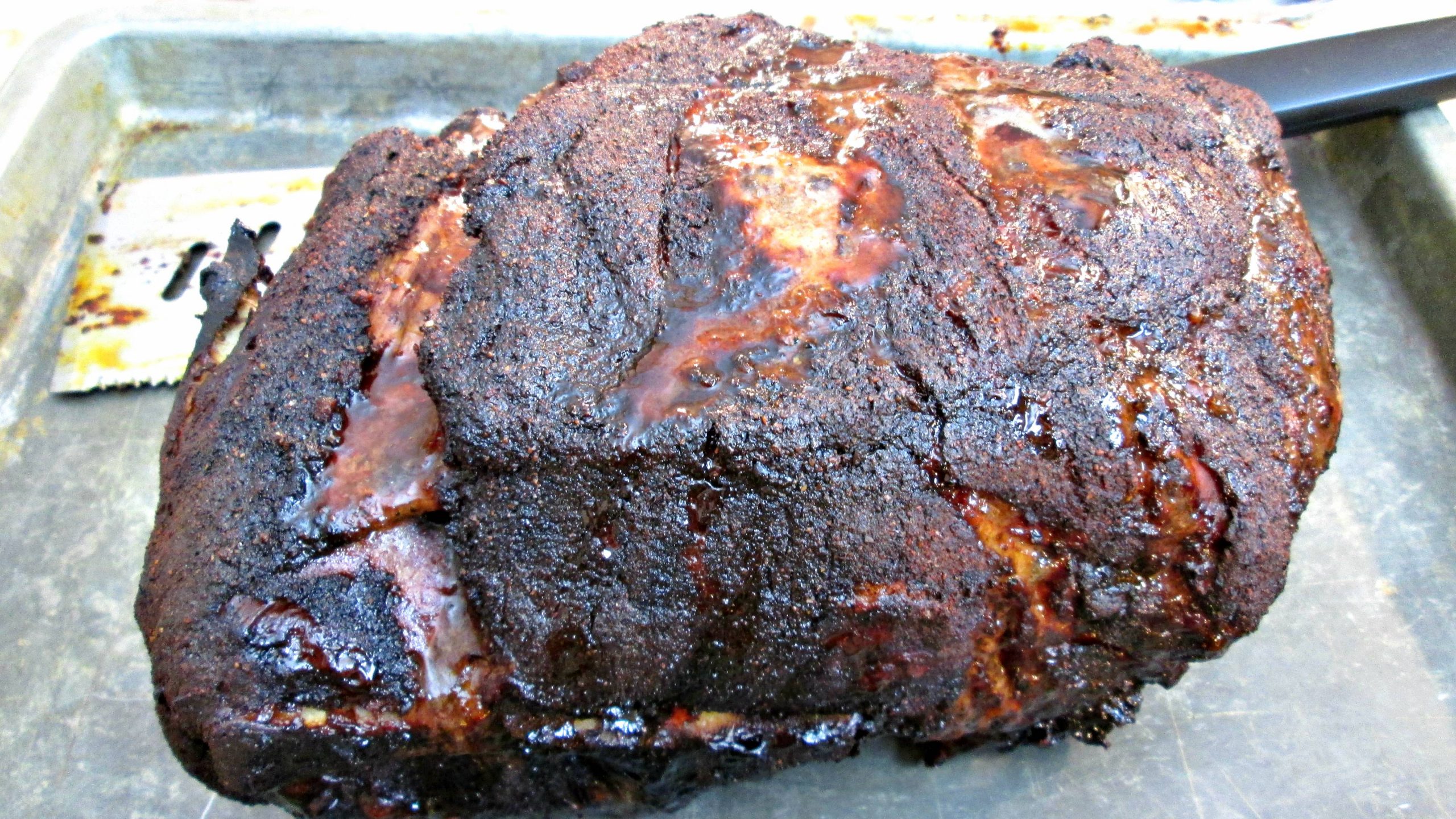
Once the Boston butt reaches its target internal temperature and is probe-tender, remove it from the grill. Keep it wrapped tightly in its foil or butcher paper. Place the wrapped Boston butt in a cooler (without ice) or a warmed oven (turned off) for at least 1 to 2 hours, or even longer. A longer rest will generally yield more tender results.
Pulling and Serving
After the rest, unwrap the Boston butt. You’ll notice a significant amount of rendered juices within the foil or paper. Pour these juices into a bowl; they are packed with flavor and can be used to moisten the pulled pork.
- Discarding the Bone: If cooked bone-in, the bone should easily slide out.
- Shredding: Using two forks, gloves, or even your hands (if you can tolerate the heat), pull the meat apart into strands or chunks. The fat cap should be soft and melty, and the meat should be falling off the bone.
- Optional Mixing: You can mix some of the reserved juices back into the pulled pork to ensure maximum moisture and flavor. Some people also like to add a little of their favorite barbecue sauce at this stage, while others prefer to let the pork stand on its own.
Serve your perfectly grilled Boston butt on buns with your favorite coleslaw and pickles, or use it in a variety of dishes. The rich, smoky flavor and tender texture will make it a highlight of any meal.
LifeOutOfTheBox is a participant in the Amazon Services LLC Associates Program, an affiliate advertising program designed to provide a means for sites to earn advertising fees by advertising and linking to Amazon.com. Amazon, the Amazon logo, AmazonSupply, and the AmazonSupply logo are trademarks of Amazon.com, Inc. or its affiliates. As an Amazon Associate we earn affiliate commissions from qualifying purchases.