
The question of “When Was The Mirage Hotel Built?” opens a fascinating portal into the history of Las Vegas and the evolution of iconic resorts. More than just a date, the construction of The Mirage signifies a pivotal moment in the development of the modern Las Vegas Strip, ushering in an era of themed megaresorts that would redefine the landscape of hospitality and entertainment. Understanding its genesis requires delving into the ambitious vision of its creators and the burgeoning tourism landscape of the late 20th century.
The Genesis of a Tropical Oasis on the Desert Strip
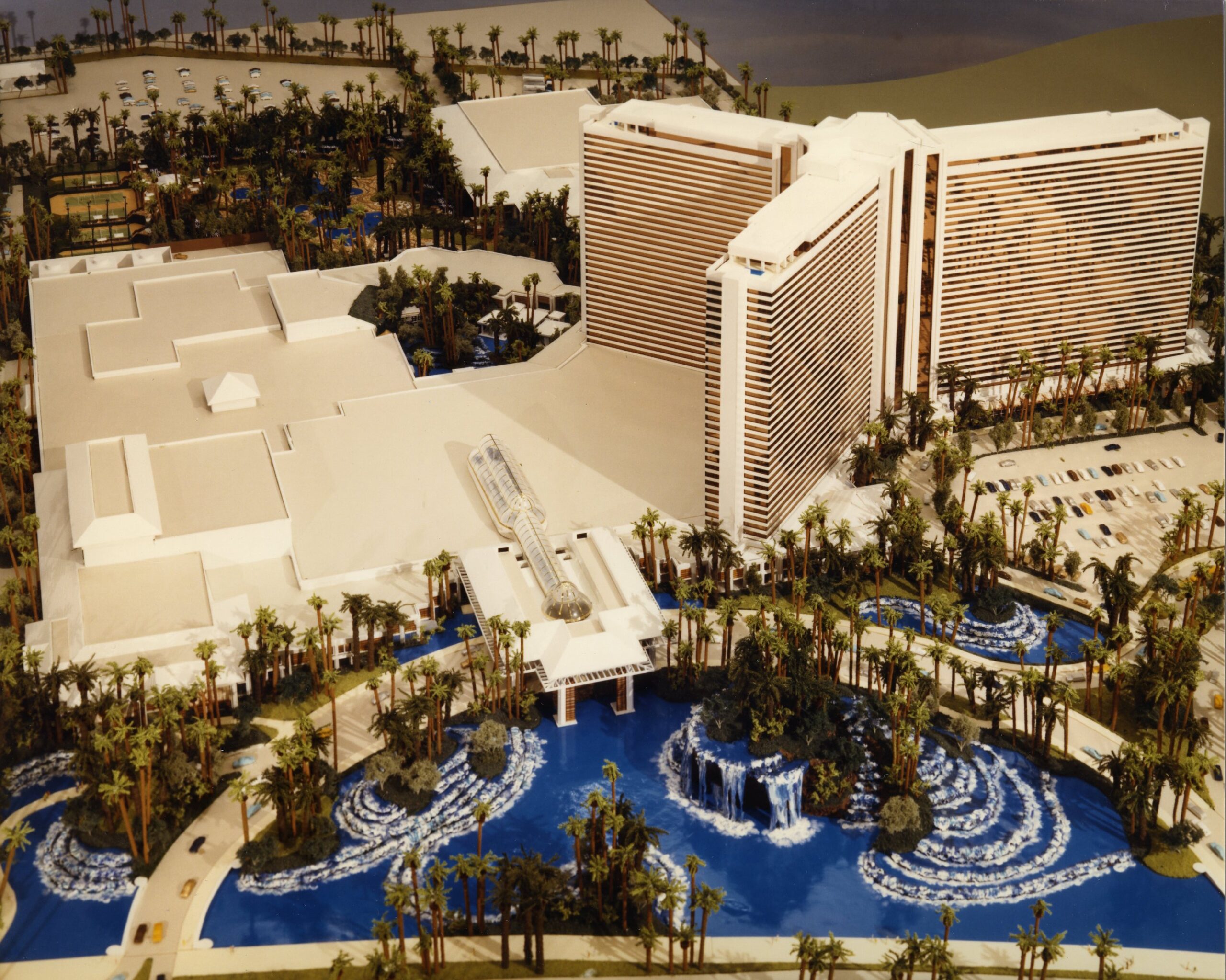
The inception of The Mirage was far from a simple construction project; it was a bold statement and a significant financial undertaking. Spearheaded by the visionary Steve Wynn, the resort was designed to be a departure from the more traditional casino hotels that dominated Las Vegas at the time. The core concept was to transport guests to a tropical paradise, a stark contrast to the arid desert surroundings. This ambitious theme was not merely aesthetic; it was a strategic move to attract a broader demographic and elevate the overall guest experience beyond mere gaming.
Visionary Leadership and the Birth of Megaresorts
Steve Wynn, a name synonymous with opulent and themed resorts, was the driving force behind The Mirage. Having previously revitalized the Golden Nugget, Wynn envisioned a new generation of hotel that would prioritize luxury, entertainment, and immersive theming. His ambition was to create a destination in itself, drawing visitors with more than just slot machines and blackjack tables. The development of The Mirage was a key step in this evolution, laying the groundwork for the megaresort phenomenon that would come to define Las Vegas.
The Construction Timeline and Opening Date
The construction of The Mirage began in earnest in the mid-1980s, a period of significant growth and transformation for Las Vegas. The project was a monumental undertaking, involving extensive planning, engineering, and a substantial capital investment. After several years of intensive building, The Mirage officially opened its doors on November 22, 1989. This date marked a significant milestone, not just for the property but for the entire city.
Architectural Innovation and Thematic Immersion
The architectural design and thematic elements of The Mirage were revolutionary for their time. The resort was meticulously crafted to evoke a Polynesian island fantasy, complete with lush landscaping, volcanic features, and a commitment to creating an escape from the mundane. This dedication to detail and immersive experience set a new benchmark for resort development.
The Iconic Volcano and Tropical Landscape
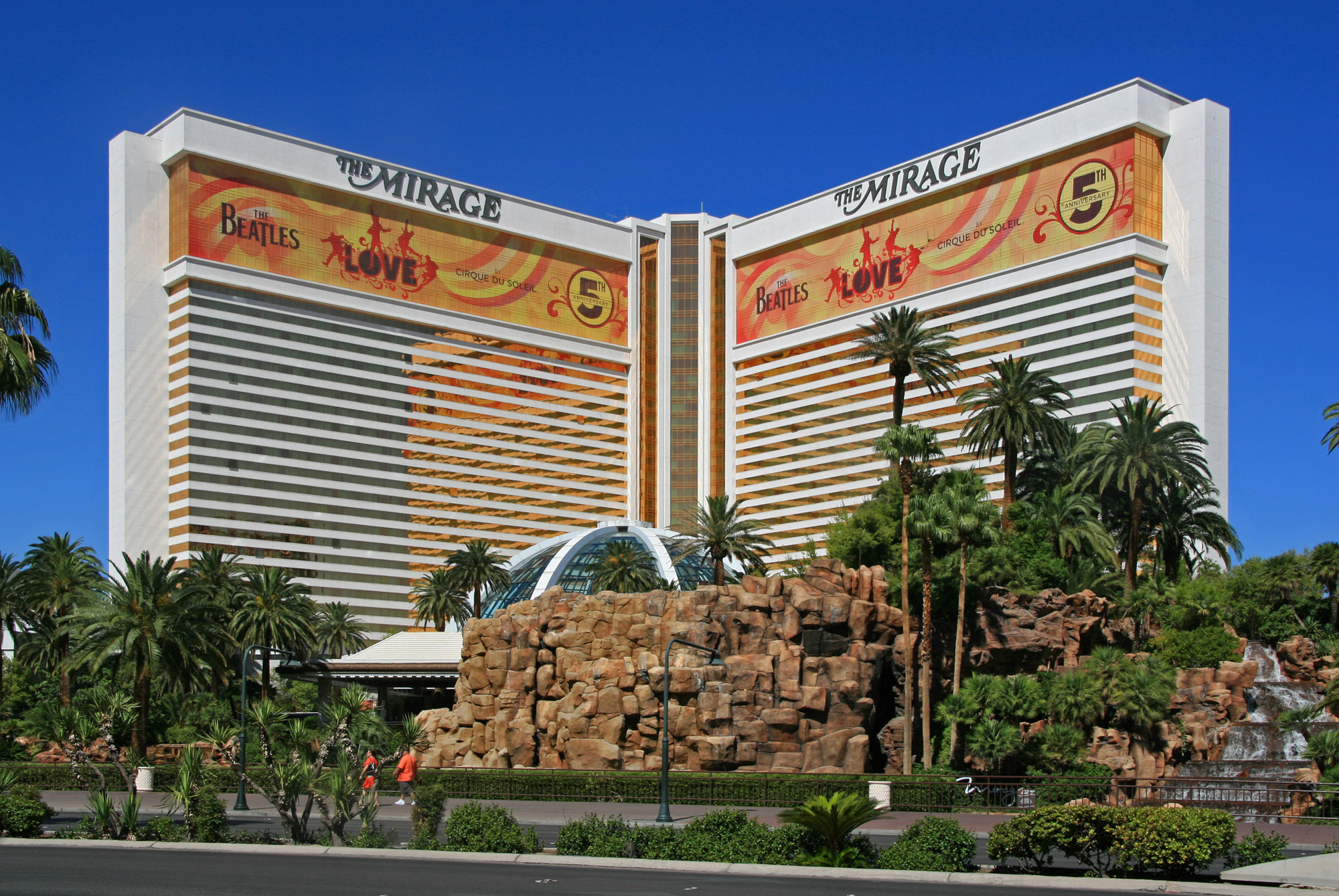
One of the most enduring and recognizable features of The Mirage is its erupting volcano. This dramatic centerpiece, situated at the front of the resort, provided a spectacular free show for guests and passersby, instantly becoming a symbol of the property and a must-see attraction on the Las Vegas Strip. Beyond the volcano, the resort boasted extensive tropical landscaping, including a lagoon, waterfalls, and a vibrant array of flora. This commitment to natural beauty created a serene and exotic atmosphere, transporting visitors far from the desert environment. The design aimed to engage all the senses, offering a holistic escape.
Engineering Marvels and Sustainable Design (for its time)
Bringing a tropical paradise to the desert presented unique engineering challenges. The creation of the extensive lagoons, waterfalls, and the elaborate volcano attraction required innovative solutions in water management, structural engineering, and special effects. While the term “sustainability” may not have been as prevalent in the industry then as it is today, the sheer scale and complexity of the water features and landscaping demonstrated a significant investment in creating a self-contained ecosystem that aimed for longevity and visual impact. The infrastructure needed to support these elements was groundbreaking for its era, showcasing a forward-thinking approach to resort design.
The Impact and Legacy of The Mirage
The opening of The Mirage in 1989 had a profound and lasting impact on the Las Vegas Strip and the broader hospitality industry. It catalyzed a new era of themed megaresorts, influencing countless subsequent developments and cementing Las Vegas as a premier global entertainment destination.
Setting a New Standard for Luxury and Entertainment
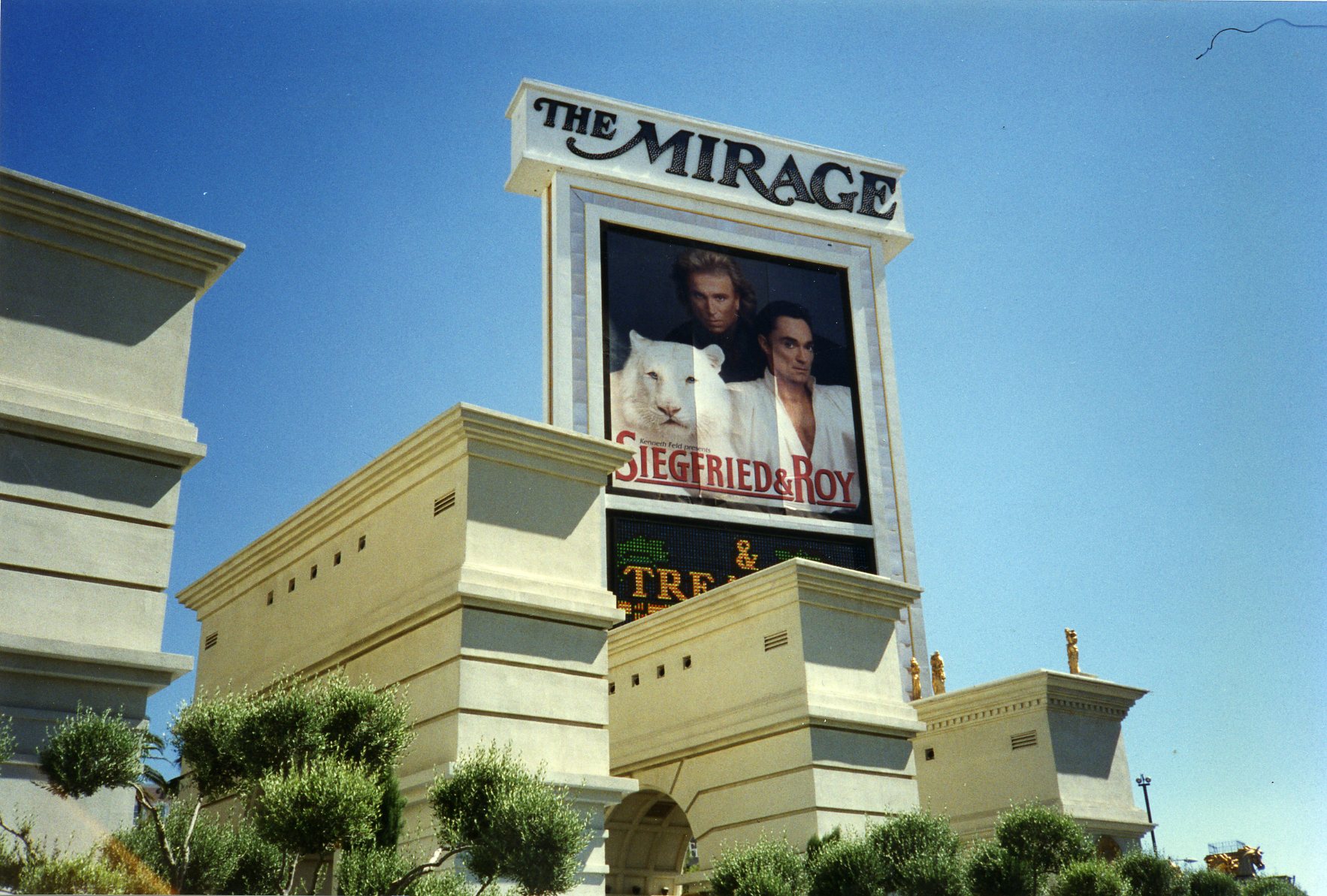
The Mirage redefined what a hotel on the Las Vegas Strip could be. It introduced a level of luxury, thematic integration, and entertainment programming that had not been seen before on such a grand scale. The resort was not just a place to stay; it was an experience. The introduction of the Siegfried & Roy show, for instance, was a major draw, further cementing the resort’s reputation as a premier entertainment venue. This focus on delivering world-class attractions alongside luxurious accommodations became a blueprint for future developments.
A Catalyst for the Themed Resort Era
The resounding success of The Mirage proved that themed, large-scale resorts could be incredibly profitable. This success directly inspired other developers to embark on similar ambitious projects, leading to the construction of a wave of themed megaresorts throughout the 1990s and early 2000s. Properties like Treasure Island (originally Wynn’s next project) and later the Bellagio, Paris Las Vegas, and The Venetian all owe a debt to the path blazed by The Mirage. It shifted the paradigm from a focus solely on gaming to a holistic resort experience that encompassed dining, shows, shopping, and elaborate theming.
Evolution and Continued Relevance
While The Mirage has undergone changes and renovations since its opening, its historical significance remains undeniable. It stands as a testament to innovative design, ambitious vision, and the power of themed entertainment. The answer to “When Was The Mirage Hotel Built?” is more than just a date; it is a marker of a transformative period in the history of Las Vegas, an era when a tropical oasis rose from the desert, forever changing the face of hospitality and entertainment. Its foundational role in the development of the modern resort experience solidifies its place as a landmark in the ongoing story of this dynamic city.
LifeOutOfTheBox is a participant in the Amazon Services LLC Associates Program, an affiliate advertising program designed to provide a means for sites to earn advertising fees by advertising and linking to Amazon.com. Amazon, the Amazon logo, AmazonSupply, and the AmazonSupply logo are trademarks of Amazon.com, Inc. or its affiliates. As an Amazon Associate we earn affiliate commissions from qualifying purchases.