
Understanding the weather patterns in Minneapolis Minnesota is crucial for any visitor planning their itinerary. This vibrant Midwestern city, nestled on the banks of the Mississippi River, experiences a distinct four-season climate, each offering unique opportunities for exploration and enjoyment. Whether you’re seeking outdoor adventures in the summer or cozy indoor activities during the winter, knowing what to expect temperature-wise and precipitation-wise will allow you to pack appropriately and make the most of your time.
Seasonal Weather Overview in Minneapolis
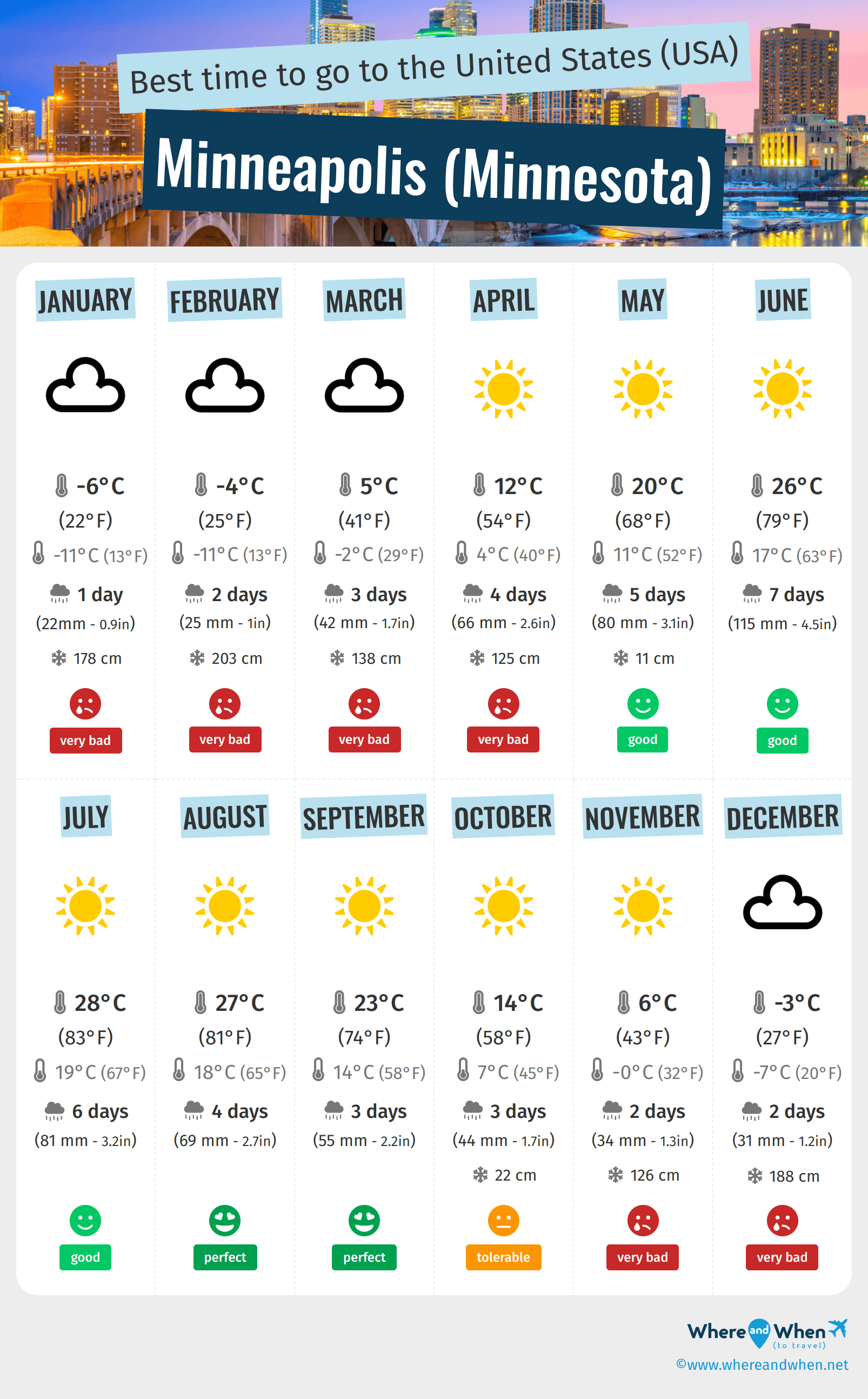
Minneapolis is characterized by its continental climate, with significant variations between summer and winter. Summers are generally warm to hot and humid, while winters are cold and snowy. Spring and autumn offer a pleasant transition, though they can be unpredictable.
Spring (March – May)
Spring in Minneapolis is a season of awakening. The transition from winter can be gradual, with lingering cold snaps well into March, sometimes even April. Snowmelt is a significant feature, leading to muddy conditions and potentially minor flooding near the Mississippi River and its tributaries. As the season progresses, temperatures begin to rise, typically reaching comfortable averages in the 50s and 60s Fahrenheit by May. Blooming trees and flowers paint the city with color, making it an ideal time for walks in parks like Minnehaha Park. However, spring can also bring dramatic weather shifts, including thunderstorms and occasional late-season snow. Visitors should be prepared for a range of temperatures within a single week, packing layers to adapt.
- March: Still very much winter-like, with average highs in the low 40s Fahrenheit and lows in the 20s. Snow is still common, though melting begins.
- April: A more noticeable shift, with average highs climbing into the 50s and lows in the 30s. Increased sunshine, but still a possibility of frost and snow.
- May: The most pleasant month of spring, with average highs in the low 70s Fahrenheit and lows in the 50s. Lush greenery, blooming gardens, and outdoor activities become more prevalent. However, thunderstorms can be frequent.
Summer (June – August)
Summers in Minneapolis are warm and often humid, perfect for enjoying the city’s numerous lakes and outdoor attractions. July is typically the warmest month, with average highs in the mid-80s Fahrenheit and lows in the 60s. The city comes alive with festivals, outdoor concerts, and opportunities for boating on Lake Harriet and [Bde Maka Ska](https://lifeoutofthebox.com/bde- maka-ska). Heatwaves are not uncommon, with temperatures occasionally soaring into the 90s or even 100s Fahrenheit. Humidity can make these high temperatures feel more intense. Thunderstorms are also a regular occurrence during the summer months, often bringing dramatic lightning displays and heavy downpours. Planning outdoor activities in the early morning or late afternoon can help avoid the peak heat and potential storm activity.
- June: Warm with increasing humidity. Average highs in the upper 70s Fahrenheit, lows in the 60s. Long daylight hours are a significant advantage.
- July: The hottest month, with average highs in the mid-80s Fahrenheit and lows in the low 70s. Peak humidity levels.
- August: Continues to be warm and humid, with a gradual decrease in daylight hours. Average highs in the low 80s Fahrenheit, lows in the low 70s. Late August can start to hint at the cooler temperatures of autumn.
Autumn (September – November)
Autumn in Minneapolis is a period of striking beauty and cooling temperatures. September often retains a touch of summer warmth, with crisp air and vibrant foliage. The city’s parks, such as Theodore Wirth Park, become spectacular displays of red, orange, and yellow. As the season progresses, temperatures steadily decline, with average highs dropping from the 70s in September to the 40s by November. Frost becomes more common, and the first snowfalls typically occur in late October or November. The shoulder months of September and October are particularly pleasant for sightseeing and outdoor activities before the deep freeze of winter sets in. Layering clothing is essential, as the weather can change rapidly from mild and sunny to chilly and overcast.
- September: Often the most beautiful month, with average highs in the low 70s Fahrenheit and lows in the 50s. Fall colors begin to emerge.
- October: Cooler, with average highs in the mid-50s Fahrenheit and lows in the 30s. Frost is likely, and the leaves are at their peak color.
- November: Significantly cooler, with average highs in the low 40s Fahrenheit and lows in the 20s. Snowfall becomes more probable, and winter preparations begin.
Winter (December – February)
Winters in Minneapolis are notoriously cold and snowy. The city experiences sub-zero Fahrenheit temperatures for extended periods, with average highs in the teens and lows in single digits Fahrenheit. Snowfall is abundant, blanketing the landscape and creating opportunities for winter sports like ice skating on frozen lakes, cross-country skiing, and snowshoeing. The Chain of Lakes often freeze over, providing a picturesque setting for these activities. Blizzards are a possibility, bringing heavy snow and strong winds that can cause significant disruptions. While the cold can be daunting, indoor attractions such as museums like the Minneapolis Institute of Arts and the shops and restaurants in the North Loop offer warm and engaging experiences. Visitors must be prepared with extreme cold weather gear, including heavy parkas, insulated boots, hats, and gloves.
- December: Cold and snowy. Average highs in the low 20s Fahrenheit, lows in the single digits. Days are short.
- January: Typically the coldest month, with average highs in the low teens Fahrenheit and lows in the single digits, often dipping well below zero. Significant snowfall is common.
- February: Remains very cold, though temperatures may begin to show a slight increase towards the end of the month. Average highs in the mid-20s Fahrenheit, lows in the teens. Still prone to heavy snow.
Precipitation and Extreme Weather
Beyond temperature, understanding precipitation patterns is key to planning a trip to Minneapolis. The city receives a significant amount of precipitation annually, distributed across all seasons.
Snowfall
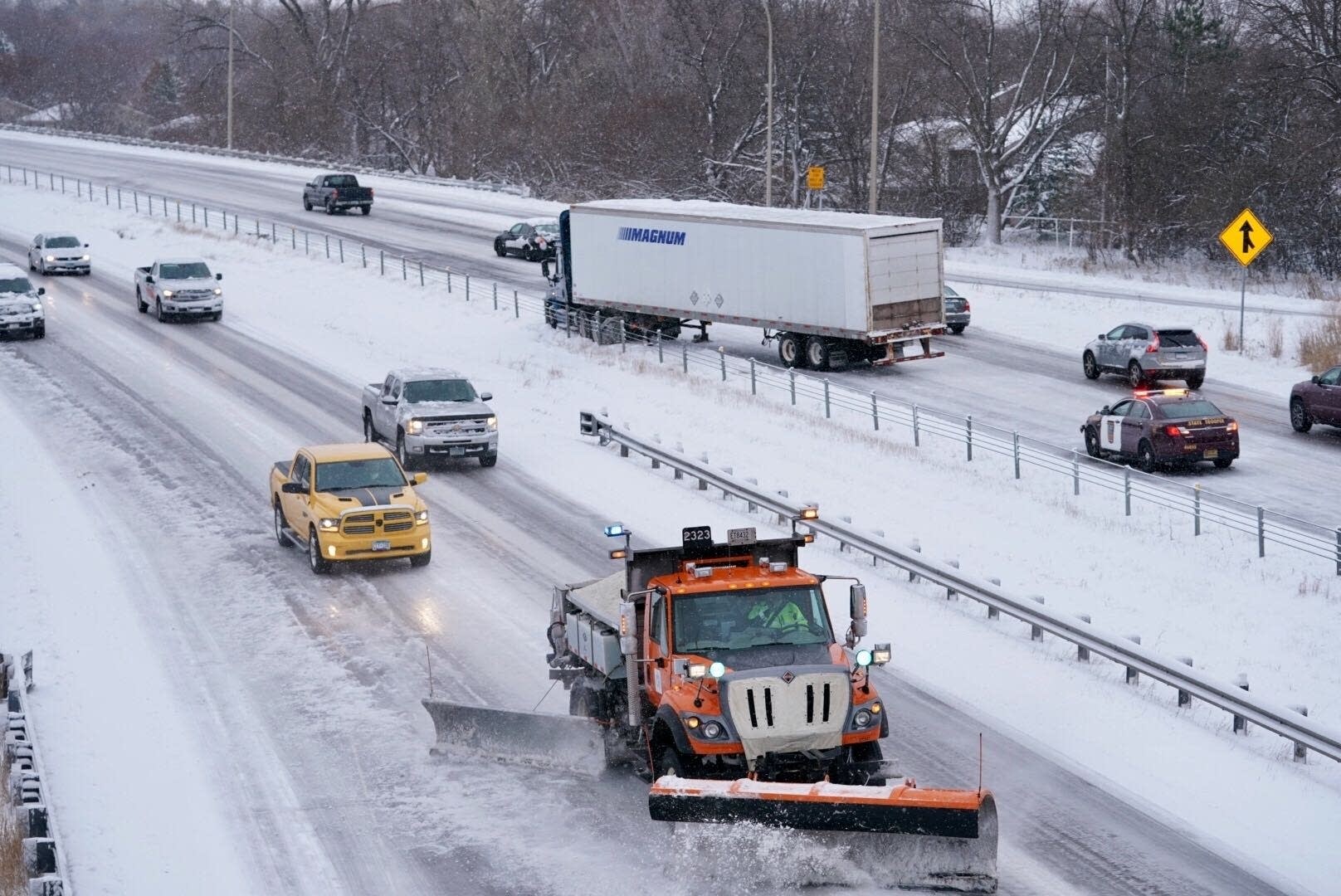
Winter is the primary season for snowfall, with the city averaging around 50-60 inches of snow per year. The snow typically starts in late October or November and can continue until April. The accumulation can vary greatly, with some winters bringing more substantial snowfalls than others. Snow removal is a major operation in Minneapolis, and the city has an extensive system for clearing roads and sidewalks, allowing life to continue relatively uninterrupted. For those visiting during winter, opportunities for winter recreation are abundant.
Rain
Rain is most common during the spring and summer months. Spring showers can be persistent, while summer thunderstorms can be intense, though often short-lived. These thunderstorms can bring heavy downpours, hail, and strong winds, and are a common feature of the Midwestern summer. Autumn sees a decrease in rainfall, though occasional rain events are still possible.
Extreme Weather Events
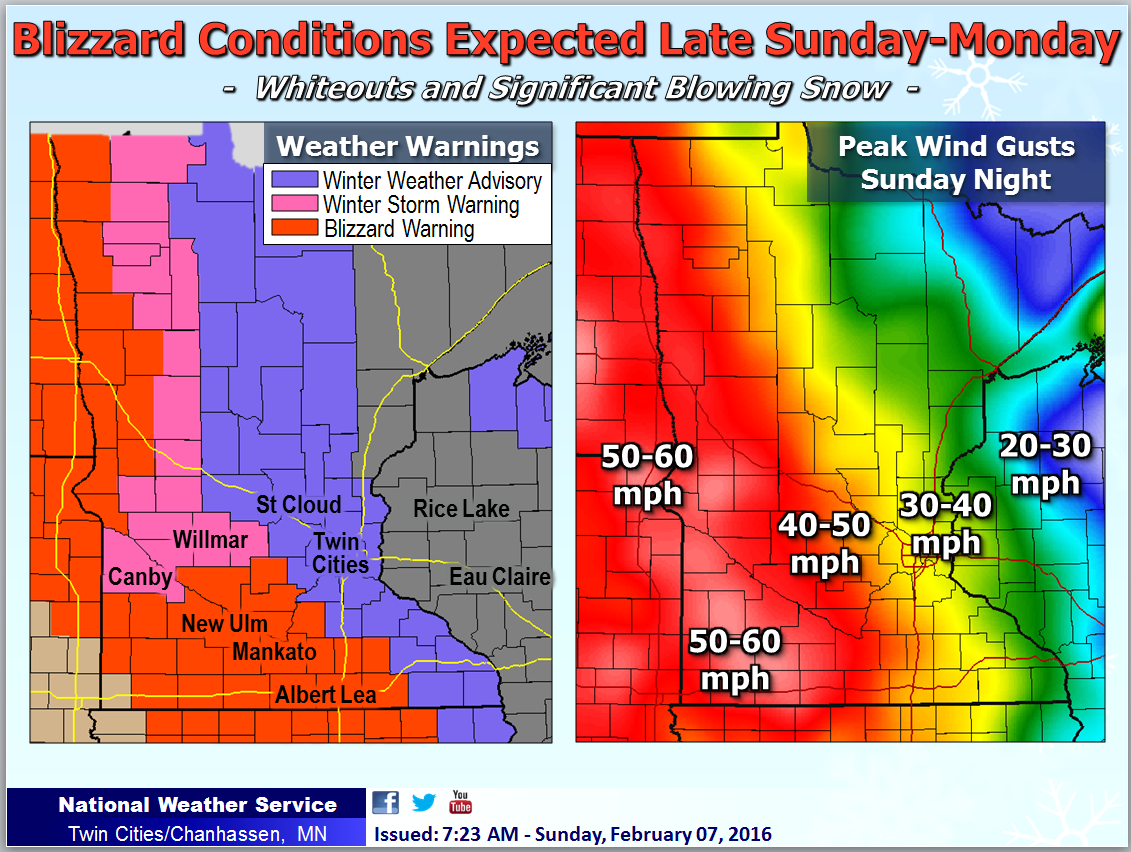
Minneapolis is susceptible to several types of extreme weather. Tornadoes, while more commonly associated with states further south, can occur in Minnesota, particularly during the spring and early summer months. Severe thunderstorms can also produce damaging hail and high winds. During winter, blizzards pose a significant threat, characterized by heavy snowfall, strong winds, and low visibility, leading to travel disruptions and potential power outages. Being aware of weather alerts and having a plan for severe weather is always advisable when visiting Minnesota.
Planning Your Visit Based on Weather
The ideal time to visit Minneapolis largely depends on your interests and tolerance for different weather conditions.
For Outdoor Enthusiasts
If your priority is enjoying the city’s parks, lakes, and outdoor festivals, the summer months (June to August) offer the warmest weather and the longest daylight hours. The shoulder seasons of late spring (May) and early autumn (September to early October) also provide excellent conditions for outdoor activities with fewer crowds and pleasant temperatures.
For Winter Sports and Cozy Experiences
For those who embrace the cold and snow, the winter months (December to February) are ideal for experiencing Minneapolis as a winter wonderland. Opportunities for ice skating on Theodore Wirth Park’s frozen lakes, cross-country skiing, and enjoying the city’s cozy cafes and indoor attractions are plentiful.
For Budget Travelers and Fewer Crowds
The “shoulder seasons” of spring (April-May) and autumn (September-October) often present opportunities for more budget-friendly travel and fewer tourist crowds. While the weather can be more unpredictable during these times, the vibrant colors of fall and the budding life of spring offer unique beauty and experiences.
Regardless of when you choose to visit, checking the Minneapolis weather forecast closer to your travel dates is always recommended. This will allow you to pack effectively and adjust your plans to ensure a memorable and enjoyable trip to this dynamic city.
LifeOutOfTheBox is a participant in the Amazon Services LLC Associates Program, an affiliate advertising program designed to provide a means for sites to earn advertising fees by advertising and linking to Amazon.com. Amazon, the Amazon logo, AmazonSupply, and the AmazonSupply logo are trademarks of Amazon.com, Inc. or its affiliates. As an Amazon Associate we earn affiliate commissions from qualifying purchases.