
Embarking on a journey to the stunning landscapes of Arizona promises an unforgettable experience, from the vibrant red rocks of Sedona to the awe-inspiring depths of the Grand Canyon National Park. However, before you pack your bags and plan your itinerary, there’s a crucial detail that often catches even seasoned travelers by surprise: Arizona’s unique relationship with time zones. Unlike most of the United States, the Grand Canyon State largely opts out of Daylight Saving Time (DST), creating a fascinating temporal distinction that can significantly impact your travel plans, from booking hotel stays to coordinating excursions.
Understanding Arizona’s time zone isn’t just a matter of trivia; it’s a practical necessity for seamless travel and enjoying the local lifestyle. This guide delves into the specifics of Arizona’s time zone, its implications for visitors, and how to navigate the subtle shifts to ensure your trip is as smooth as the desert horizon.
Understanding Arizona’s Unique Time Zone Status
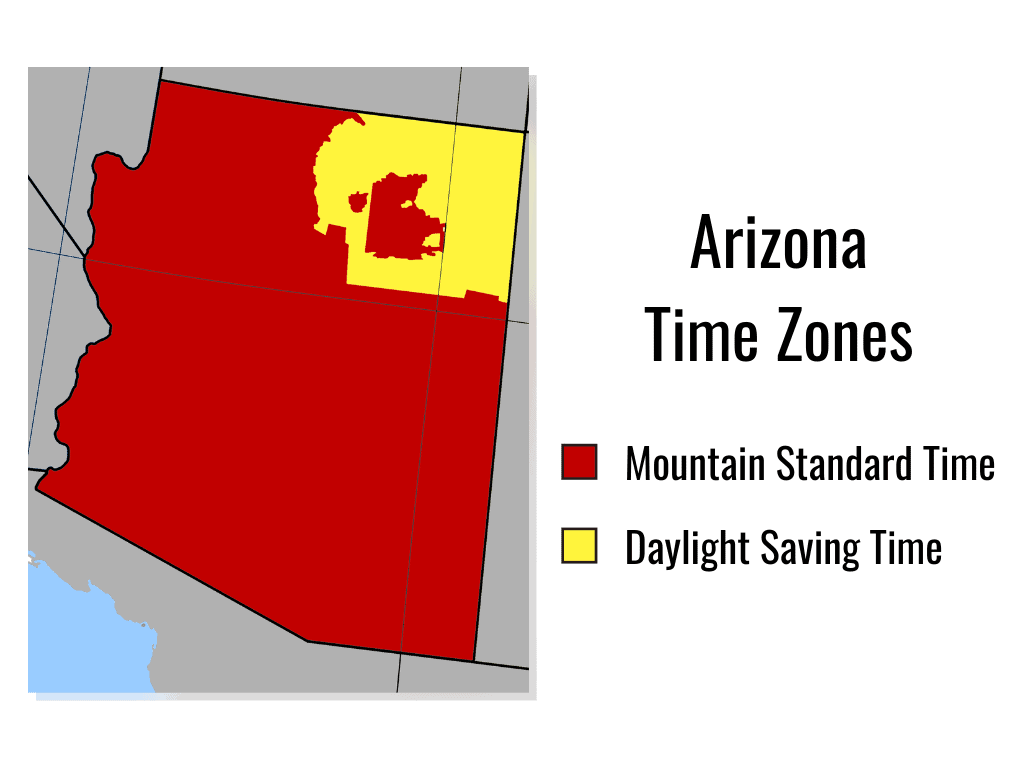
At the heart of Arizona’s time zone distinctiveness is its steadfast adherence to Mountain Standard Time (MST) throughout the entire year. While the rest of the Mountain Time Zone, along with most of the nation, springs forward an hour in March and falls back in November, Arizona largely remains constant, offering a stable temporal anchor in a world of changing clocks.
MST All Year Round: The Standard Rule
The primary reason Arizona does not observe Daylight Saving Time dates back to a combination of historical legislative decisions and practical considerations. The Uniform Time Act of 1966 established DST for the nation, but it also allowed states to opt out. Arizona experimented with DST for a short period, but by 1968, the state legislature voted to permanently exempt itself.
The rationale is largely rooted in Arizona’s intense summer heat. During the peak summer months, temperatures can soar well into the triple digits, making outdoor activities unbearable during the afternoon. By not observing DST, Arizona effectively keeps the sun setting later in the evening during the summer according to the clock. This means more sunlight in the morning, encouraging people to start their day earlier and complete outdoor tasks before the most intense heat sets in. Conversely, it means less prolonged daylight into the evening, which helps reduce energy consumption for air conditioning as the sun sets earlier by the clock. This lifestyle adaptation is a key part of Arizona’s identity, influencing everything from business hours to leisure activities.
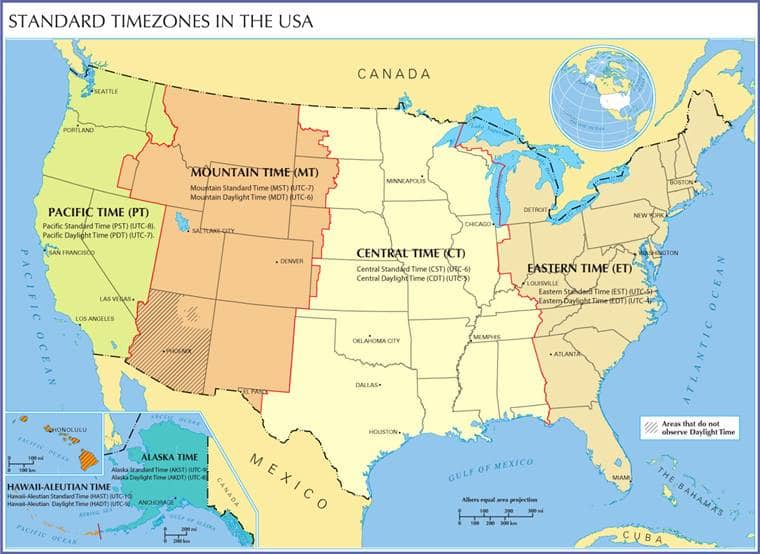
For travelers, this means that during the spring, summer, and early fall months (when DST is in effect elsewhere), Arizona will be on the same time as Pacific Daylight Time (PDT). For example, if it’s 3:00 PM in Los Angeles, California, it will also be 3:00 PM in Phoenix, Arizona. However, during the winter months, when DST ends, Arizona reverts to being one hour ahead of Pacific Standard Time (PST) and remains on MST. At that point, 3:00 PM in Los Angeles would mean 4:00 PM in Phoenix. This consistent MST status makes Arizona a unique dot on the U.S. time zone map.
The Navajo Nation Exception: A DST Anomaly
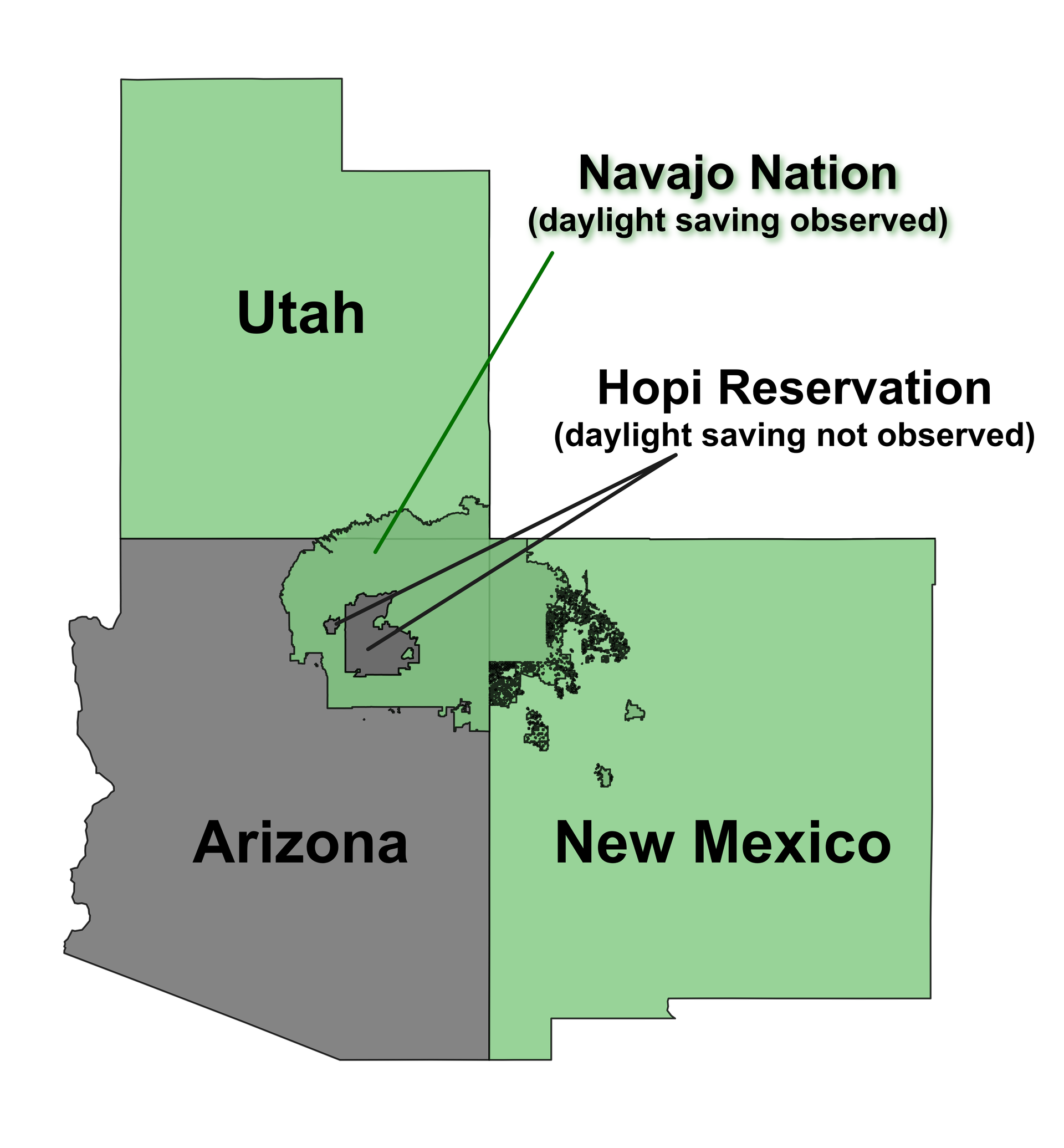
To add a layer of complexity to Arizona’s time zone landscape, there’s a significant exception: the Navajo Nation. As a sovereign tribal nation, the Navajo Nation has the authority to set its own laws, including its observance of Daylight Saving Time. Spanning parts of northeastern Arizona, southeastern Utah, and northwestern New Mexico, the Navajo Nation does observe DST.
This means that for roughly half the year (from March to November), the Navajo Nation operates on Mountain Daylight Time (MDT), which is one hour ahead of the rest of Arizona. When the rest of Arizona is on MST, the Navajo Nation will be on MDT. During the winter months, when DST ends, the Navajo Nation also reverts to MST, aligning with the rest of the state.
This distinction is critically important for travelers venturing into the tribal lands to visit iconic landmarks such as Monument Valley, Canyon de Chelly National Monument, or the stunning Antelope Canyon. Tours often have strict departure times, and missing a tour due to a time zone miscalculation can be a costly mistake. Always double-check the local time when you cross into Navajo Nation territory, especially if you’re relying on your phone, which may or may not automatically adjust. Physical signs at reservation borders often provide reminders.
Planning Your Arizona Adventure: Time Zone Tips for Travelers
Understanding Arizona’s time zone nuances is paramount for a smooth travel experience, ensuring you’re punctual for flights, hotel check-ins, and thrilling excursions. From coordinating with family outside the state to making dinner reservations, a little foresight goes a long way.
Coordinating Your Itinerary: Cities and Attractions
Most major Arizona cities and popular attractions strictly adhere to the no-DST rule. Cities like Phoenix, the state capital and a hub for luxurious resorts and vibrant urban tourism, consistently operate on MST. Similarly, the artistic haven of Sedona, the academic city of Flagstaff, and the southern charm of Tucson all remain on MST year-round.
When planning your trip:
- Flight Schedules: Be mindful of arrival and departure times at Phoenix Sky Harbor International Airport (PHX) or Tucson International Airport (TUS). If you’re flying in during DST, remember that Arizona will be on the same time as California (PDT), but if you’re coming from New York, there will be a three-hour difference.
- Hotel Check-ins and Check-outs: Most hotels, from the opulent JW Marriott Phoenix Desert Ridge Resort & Spa to boutique accommodations in Old Town Scottsdale, will operate on MST. Confirm your booking times relative to your departure location.
- Attraction Timings: Visiting landmarks like the Desert Botanical Garden in Phoenix, the Pima Air & Space Museum in Tucson, or enjoying a scenic drive along Oak Creek Canyon in Sedona all follow MST. Pay close attention to opening and closing times, especially if you’re coming from a region observing DST. The Grand Canyon National Park, including its popular South Rim and North Rim areas, operates on MST year-round, aligning with the rest of Arizona.
Always confirm local times, especially for guided tours, hot air balloon rides over Sedona, or sunset photography sessions at the Grand Canyon, as these are often time-sensitive experiences.
Cross-Border Travel: Arizona and Neighboring States
Arizona’s position at the crossroads of several states means cross-border travel can become a temporal puzzle during DST.
- California and Nevada: These states are on Pacific Time. During DST, Arizona is on the same time as PDT. In winter, Arizona is one hour ahead of PST. This is particularly relevant for road trips to Las Vegas or when visiting the Lake Havasu City area near the California border.
- Utah, Colorado, and New Mexico: These states observe Mountain Daylight Time (MDT) during DST. This means they will be one hour ahead of Arizona during those months. When DST ends, they revert to MST, aligning with Arizona. This is critical for travelers exploring the Four Corners region, where Arizona, New Mexico, Colorado, and Utah meet, especially since the Navajo Nation (which observes DST) is also in this area.
For multi-state road trips, particularly those involving the Navajo Nation, it’s highly recommended to reset your clock manually or carry a simple analog watch to avoid confusion. Always confirm times with locals, especially when dealing with tour operators or making reservations that span different time zones.
Beyond the Clock: Maximizing Your Arizona Experience
While the time zone might seem like a minor detail, understanding it can profoundly enhance your travel experience, allowing you to optimize your schedule, immerse yourself in the local lifestyle, and avoid unnecessary stress.
Optimizing Your Stay: Accommodation and Activities
With its year-round MST, Arizona offers a predictable rhythm, especially appealing during the longer daylight hours of summer when other states “lose” an hour. This unique time structure allows for strategic planning, particularly regarding accommodation and activities.
- Accommodation Bookings: Whether you’re reserving a suite at The Phoenician in Scottsdale, a charming villa in Tucson, or an eco-lodge near Flagstaff, all check-in and check-out times will strictly follow MST. If you’re arriving from a state observing DST, mentally adjust your arrival time to avoid confusion. Consider luxurious properties like the Enchantment Resort in Sedona, where the timing of your spa treatments or hiking tours can be critical. For a historic stay, The Wigwam in Litchfield Park offers a classic Arizona experience, where punctuality for golf tee times is key.
- Activity Scheduling: The consistent time zone is a blessing for scheduling. Imagine planning a sunrise hot air balloon ride over the Sonoran Desert or a sunset photography tour at Saguaro National Park. Knowing the exact sunrise and sunset times without the annual DST shift simplifies planning. For adventurous souls, excursions to Slide Rock State Park or exploring the Apache Trail can be meticulously planned down to the minute, ensuring you make the most of the daylight. Don’t forget about booking popular tours such as those to Antelope Canyon or Monument Valley – remember to account for the Navajo Nation’s DST observance if your tour takes you onto tribal lands.
Leveraging Arizona’s constant MST allows for optimized travel experiences, whether it’s snagging the best table for dinner overlooking Camelback Mountain or getting an early start on a challenging hike.
Lifestyle and Local Culture: Adapting to Arizona Time
Beyond mere logistics, Arizona’s non-observance of DST profoundly shapes the local lifestyle and tourism experience. The state embodies a certain rhythm, especially noticeable during the summer months when other parts of the country are on DST.
- The Pace of Life: Many Arizonans appreciate the consistency and the “earlier” sunsets during summer (by the clock), which can encourage more evening outdoor activities after the day’s heat subsides. This means a slightly earlier start to evenings compared to DST-observing states, influencing dining times, event schedules, and cultural gatherings.
- Unique Sunlight Patterns: During summer, sunrise in Phoenix can be as early as 5:15 AM MST, providing ample morning light for activities. Sunset occurs around 7:45 PM MST. This specific light pattern offers unique opportunities for photographers and outdoor enthusiasts. You’ll find many locals embracing the mornings for hikes, bike rides, or a round of golf before the intense afternoon sun takes over.
- Connecting with Locals: Awareness of the time zone difference can enhance your interactions. When calling friends or family outside Arizona, remember to clarify the time difference. This small courtesy reflects an understanding of local customs and fosters smoother communication. For instance, a 9 AM MST call from Phoenix would be 9 AM PDT in California during DST, but 12 PM EDT in New York City.
The consistency of MST in Arizona contributes to a distinct lifestyle where the flow of the day is attuned to the sun’s journey across the desert sky, rather than an arbitrary clock change. Embracing this rhythm can make your visit feel more authentic and less rushed, allowing you to truly unwind and absorb the unique beauty and culture of the Grand Canyon State. Whether you’re planning a family trip, a luxury getaway, or a budget adventure, a mindful approach to Arizona time will ensure your journey is seamless and unforgettable.
In conclusion, while “What Time Zone Is Arizona In?” might seem like a simple question, its answer unravels a fascinating aspect of the state’s identity and provides crucial insights for any traveler. By understanding that Arizona largely adheres to Mountain Standard Time all year, with the notable exception of the Navajo Nation, you can confidently plan your accommodations, activities, and cross-border excursions. This awareness not only prevents logistical headaches but also allows you to appreciate the subtle ways this unique temporal decision shapes the vibrant travel, tourism, and lifestyle experiences Arizona has to offer. So, set your watches, embrace the consistent sun, and prepare for an extraordinary adventure in the desert southwest!
LifeOutOfTheBox is a participant in the Amazon Services LLC Associates Program, an affiliate advertising program designed to provide a means for sites to earn advertising fees by advertising and linking to Amazon.com. Amazon, the Amazon logo, AmazonSupply, and the AmazonSupply logo are trademarks of Amazon.com, Inc. or its affiliates. As an Amazon Associate we earn affiliate commissions from qualifying purchases.