
The question of why Mexico sold California often sparks curiosity, not just among history enthusiasts but also among travelers who marvel at the Golden State’s diverse landscapes, vibrant cities, and rich cultural tapestry. The answer, however, is not a simple transaction but rather a complex culmination of geopolitical ambitions, internal strife, and military conflict that profoundly reshaped the map of North America. Understanding this pivotal moment not only sheds light on the origins of modern-day California but also enriches the experience of exploring its many historical landmarks and cultural attractions.
This historical event, often referred to as the Mexican Cession, saw Mexico cede vast territories, including present-day California, to the United States following the Mexican-American War. It wasn’t a willing sale in the conventional sense, but a coerced transfer under the shadow of defeat, forever altering the destiny of the region and leaving an indelible mark on the identity of both nations. For today’s travelers, the echoes of this history are everywhere, from the architecture of old towns to the fusion cuisine, offering a deeper context to the destinations they visit.
A Legacy Forged in Conflict: The Mexican-American War
To grasp why Mexico “sold” California, one must first understand the tumultuous period leading up to the Mexican-American War (1846-1848). This conflict was not an isolated incident but the climax of simmering tensions, territorial disputes, and expansionist ideologies that had been building for decades between the two neighboring republics. For those interested in historical travel, tracing the roots of this conflict provides a fascinating journey through sites and narratives that shaped the continent.
Seeds of Expansion: Manifest Destiny and Border Disputes
In the early 19th century, the young United States was a nation driven by the powerful ideology of “Manifest Destiny”—the belief that it was divinely ordained to expand westward across the North American continent. This expansionist fervor eyed the sparsely populated but resource-rich territories held by Mexico, stretching from Texas to California and beyond. Mexico, newly independent from Spain since 1821, was a vast nation struggling with internal political instability, economic challenges, and a nascent government ill-equipped to control its distant northern frontiers.
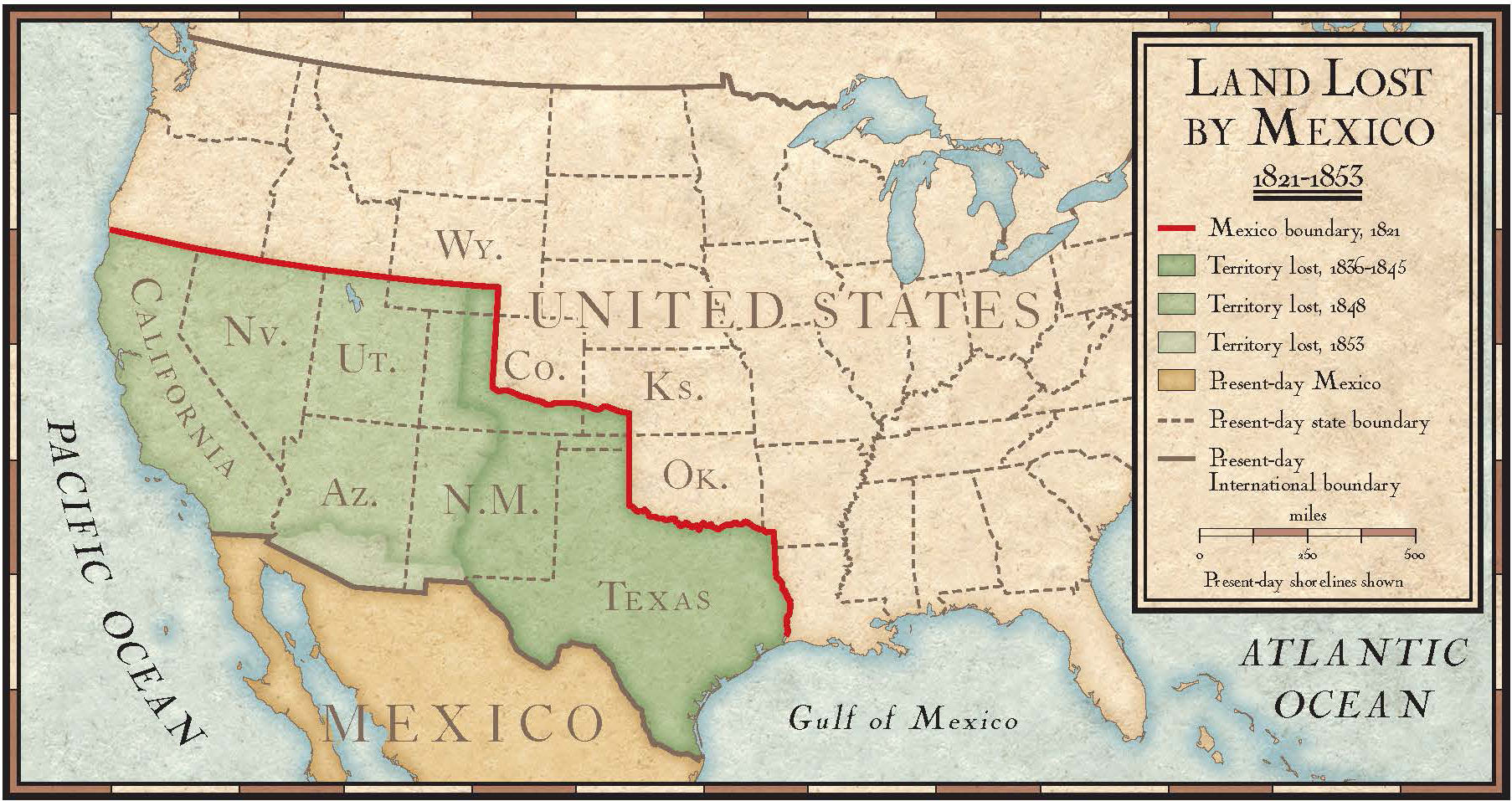
The most immediate flashpoint was Texas. American settlers, invited into the region by Mexico in the 1820s, soon outnumbered the Mexican population and chafed under Mexican law. This led to the Texas Revolution in 1836, where Texans, including iconic figures like those remembered at the Alamo, fought for and won independence. Though Mexico never officially recognized Texas’s independence, its annexation by the United States in 1845 was perceived as an act of war. The precise border between Texas and Mexico became a critical dispute, with the United States claiming the Rio Grande and Mexico insisting on the Nueces River. This border dispute provided the pretext for the outbreak of hostilities. Travelers exploring the historical missions of Texas or the vibrant streets of San Antonio can still feel the echoes of this tumultuous period.
The War’s Unfolding and California’s Role
When hostilities officially commenced in May 1846, the United States launched a multi-pronged invasion of Mexico. While key battles unfolded in Texas and deep into Mexico itself, the distant territory of California quickly became a strategic target. American forces, aided by American settlers already residing in California (who initiated the Bear Flag Revolt and declared a short-lived republic), rapidly moved to secure the region. The desire for a port on the Pacific Ocean was a significant motivation for American expansionists, envisioning trade routes to Asia.
By early 1847, after a series of skirmishes, American control over California was largely solidified. Naval forces secured the coastal towns like Monterey and San Francisco, while ground forces consolidated control inland. Mexico’s remote governance and limited military presence in California meant that effective resistance was challenging. This rapid conquest set the stage for the eventual “sale” – a transaction less about negotiation and more about the terms of surrender dictated by the victor. Today, visitors to places like Old Town San Diego or the presidio in San Francisco can walk through the very landscapes where these historical events unfolded, offering a tangible connection to the past.
The Treaty of Guadalupe Hidalgo: A Bitter Bargain
The cessation of fighting did not mean an end to Mexico’s woes. The United States had successfully occupied Mexico City, effectively forcing Mexico to the negotiating table. The resulting document, the Treaty of Guadalupe Hidalgo, signed on February 2, 1848, marked the official end of the Mexican-American War and formalized one of the largest land transfers in history. This treaty is the definitive answer to “why Mexico sold California,” though “ceded” is a more accurate term for the forced nature of the exchange.
The Terms of Cession and Financial Implications
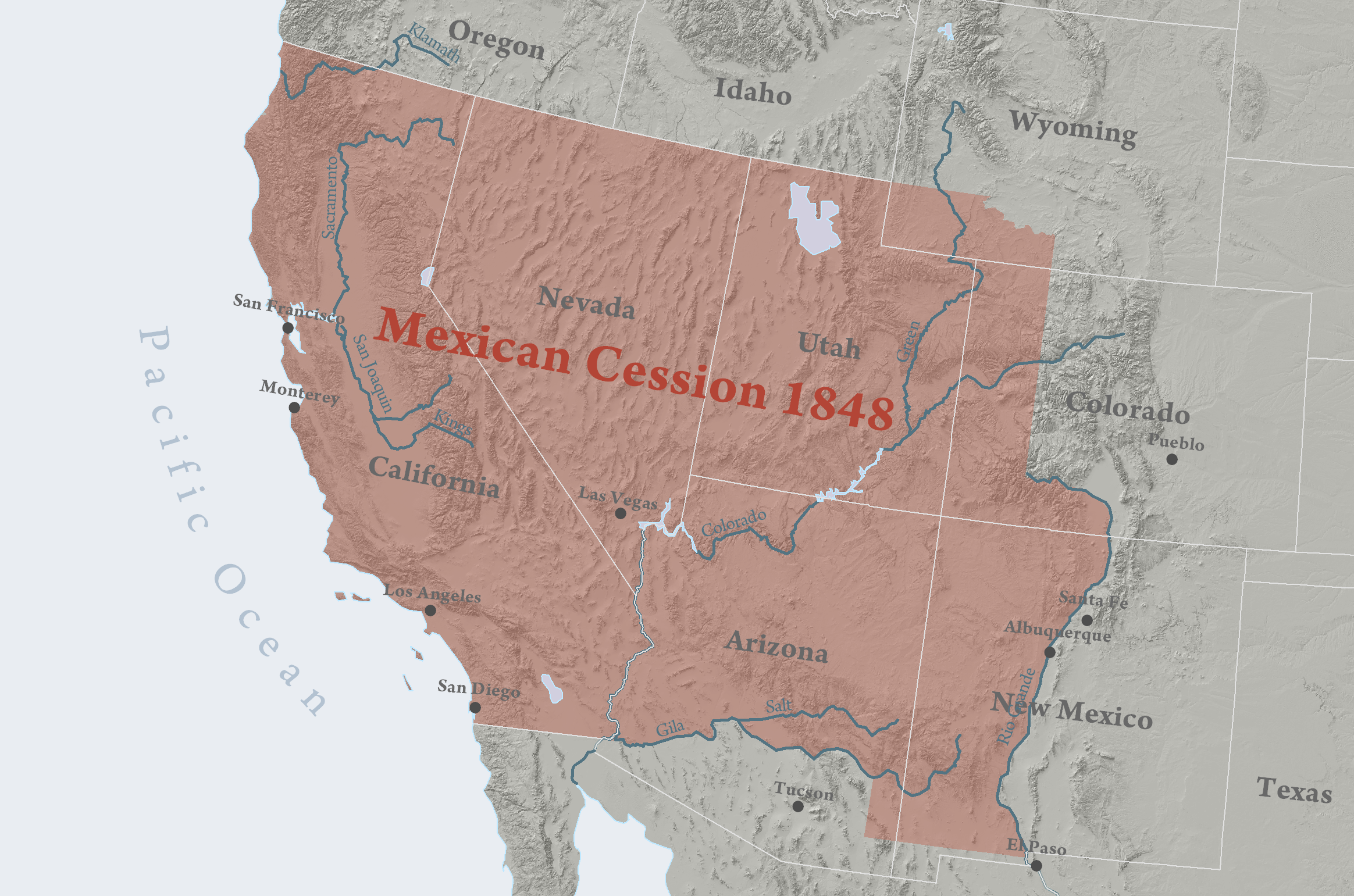
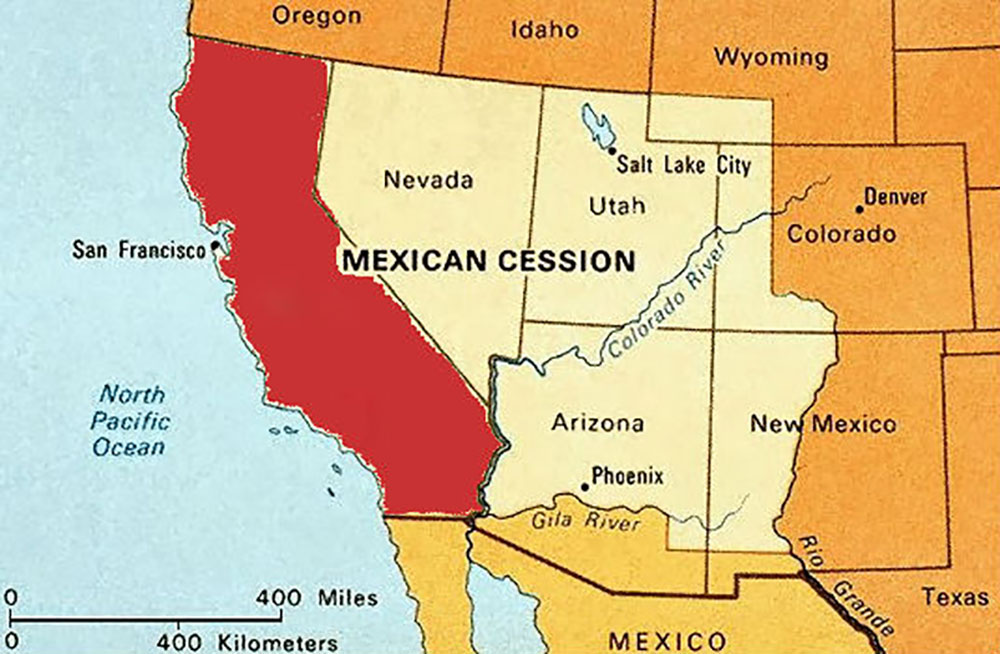
Under the terms of the Treaty of Guadalupe Hidalgo, Mexico was compelled to cede more than 500,000 square miles of its northern territories to the United States. This vast expanse included all of present-day California, Nevada, Utah, and parts of Arizona, New Mexico, Colorado, and Wyoming. In return, the United States paid Mexico an indemnity of $15 million and agreed to assume $3.25 million in claims that American citizens had against the Mexican government.
While $15 million may seem like a “sale,” it was a payment for land already largely occupied by American forces and demanded under duress. For a nation that had just suffered a devastating defeat and occupation, accepting these terms was a harsh reality, a bitter bargain made from a position of profound weakness. This financial compensation, while significant at the time, was a small fraction of the immense value of the resources and strategic importance of the ceded lands, especially with the discovery of gold in California just days before the treaty was signed. Modern tourists can explore various historical sites in these states that commemorate this period, offering a glimpse into the significant changes it brought.
Redrawing the Map: The Vast New Territories
The impact of the Treaty of Guadalupe Hidalgo on the map of North America was monumental. It effectively doubled the size of the United States, fulfilling the grand vision of Manifest Destiny and extending its borders from the Atlantic to the Pacific. For Mexico, it meant the loss of over half its national territory, a traumatic event that continues to shape its national identity and relations with its northern neighbor.
The treaty also stipulated that Mexicans residing in the ceded territories would have the choice to become American citizens or retain Mexican citizenship, though many faced significant challenges in retaining their land rights and cultural identity in the years that followed. This migration of borders and peoples created a rich, complex cultural heritage that travelers can experience today throughout the Southwestern United States. From the historic Spanish missions dotting California’s coast to the vibrant traditions in Santa Fe, New Mexico, the legacy of this redrawing of the map is a compelling draw for tourism, offering insights into architecture, cuisine, and local customs. Later, in 1853, the smaller Gadsden Purchase completed the current border between the two countries, securing additional land for a proposed southern transcontinental railroad and further solidifying the territorial extent of the American Southwest.
Mexico’s Perspective: A Reluctant Hand
From Mexico’s vantage point, the “sale” of California was a forced concession, a humiliating surrender born out of a devastating war and profound internal vulnerabilities. It was not a strategic economic decision but rather an unavoidable consequence of military defeat and a severe imbalance of power. Understanding this perspective is crucial for appreciating the historical nuances and the enduring impact on Mexican national consciousness.
Internal Instability and Economic Strain
At the time of the Mexican-American War, Mexico was a young nation beset by chronic political instability. Since its independence from Spain, the country had cycled through numerous governments, coups, and civil unrest. Military strongmen like Antonio López de Santa Anna frequently seized and lost power, preventing the establishment of stable institutions or effective governance. This constant turmoil meant that the central government struggled to assert control over its vast and distant territories, particularly in the north.
Economically, Mexico was also in a precarious state. The wars of independence had left the treasury depleted, and subsequent internal conflicts prevented sustained economic growth. The lack of infrastructure, particularly roads and communication networks, made it exceedingly difficult to administer and defend the remote northern provinces like California and New Mexico. These regions were sparsely populated by Mexican citizens, with limited resources dedicated to their development or defense. This context helps explain why resistance to the American invasion, while brave in many instances, was ultimately insufficient against a more organized and industrializing power. Travelers delving into the rich history of Mexico City can explore landmarks and museums that narrate this complex period, offering a deeper understanding of the challenges faced by the nascent republic.
Overwhelmed by a Formidable Foe
When war broke out, Mexico found itself facing an increasingly powerful and unified United States under President James K. Polk. The American military, while small, was better equipped, better funded, and generally better led. The industrial capacity of the United States provided a significant advantage in terms of supplies and logistics, a stark contrast to Mexico’s struggling economy and fractured political landscape.
Despite instances of heroic resistance, the Mexican army was ultimately outmatched. The decisive campaigns, including the capture of Veracruz and the march to Mexico City, demonstrated the overwhelming superiority of American forces. With its capital occupied and its military largely defeated, Mexico had little leverage to negotiate favorable terms. The “sale” of California and other territories was therefore not a voluntary transaction but an act of capitulation imposed by the victor, a stark reminder of the consequences of war. For those interested in military history, battlefield tours and historical parks in both nations offer a poignant experience, highlighting the human cost of these conflicts.
California’s Transformation: From Frontier to Golden State
The cession of California to the United States marked a dramatic turning point in its history, unleashing a torrent of change that rapidly transformed it from a remote Mexican frontier into one of the most dynamic and influential regions in the United States. This transformation, driven by a series of extraordinary events, continues to shape the state’s identity and its appeal as a global travel destination.
The Gold Rush and Rapid Development
Just days before the Treaty of Guadalupe Hidalgo was signed, gold was discovered at Sutter’s Mill in Coloma, California. This serendipitous timing amplified the significance of the acquisition beyond measure. The discovery triggered the famous California Gold Rush, an unprecedented wave of migration that drew hundreds of thousands of prospectors, entrepreneurs, and adventurers from across the United States and the world.
This influx of people led to explosive growth and rapid development. Towns like San Francisco transformed overnight from sleepy settlements into bustling metropolises. Roads, ports, and industries sprang up to support the mining operations and the burgeoning population. While the Gold Rush era was chaotic and often violent, it laid the foundation for California’s economic might and diverse population. Today, travelers can explore numerous historical parks and museums, such as those in Columbia State Historic Park or the Marshall Gold Discovery State Historic Park near Sacramento, which meticulously preserve the stories and artifacts of this transformative period. These sites offer engaging experiences for families and history buffs alike.
Cultural Intersections and Enduring Heritage
The rapid Americanization of California did not erase its deep Mexican and Spanish roots. Instead, it created a rich cultural intersection that continues to define the state. While many Mexican landowners lost their property and rights in the post-war period, their cultural contributions endured. Spanish names for cities, rivers, and mountains are ubiquitous, from Los Angeles and San Diego to the Sierra Nevada Mountains.
The architectural styles of the Spanish missions and Mexican ranchos, characterized by adobe walls, red tile roofs, and courtyards, continue to influence California’s aesthetic. Culinary traditions, blending indigenous, Spanish, and Mexican influences, have evolved into a vibrant Californian cuisine enjoyed worldwide. Festivals, music, and art often reflect this bicultural heritage. For tourists, exploring this rich tapestry is a highlight of any trip to California. From visiting the historic missions along El Camino Real to enjoying authentic Mexican food in San Jose or exploring the arts scene in Sonoma and the Napa Valley, the cultural legacy of Mexico’s former territory is palpable and offers a myriad of engaging experiences.
Exploring the Echoes of History: California Today
The legacy of Mexico’s cession of California is not merely a chapter in history books; it is a living, breathing part of the state’s identity, profoundly influencing its culture, landscape, and appeal to travelers. Today’s California is a vibrant mosaic where ancient traditions meet modern innovation, making it a truly unique destination for all types of tourism.
Iconic Destinations Shaped by History
Many of California’s most famous cities and attractions bear the indelible mark of its Spanish and Mexican past, intertwined with the subsequent American development.
- San Francisco: Once a quiet Mexican port known as Yerba Buena, its strategic bay made it a prized possession. The Gold Rush transformed it into a bustling metropolis. Today, visitors can explore the Presidio, once a Spanish military outpost, or wander through neighborhoods that reflect a global influx of cultures, many arriving during the Gold Rush.
- Los Angeles: Founded as El Pueblo de Nuestra Señora la Reina de los Ángeles de Porciúncula, its historic core, Olvera Street, offers a charming glimpse into its Mexican past with traditional markets, music, and food. The city’s growth from a small pueblo to a sprawling megacity is a testament to its location and resources.
- San Diego: Considered the birthplace of California due to the first Spanish mission and presidio established here, Old Town San Diego State Historic Park transports visitors back to the Mexican Rancho period, offering insights into early Californian life and governance.
- The Missions: Stretching along El Camino Real, the 21 Spanish missions, such as Mission San Juan Capistrano or Mission Santa Barbara, are iconic landmarks. These sites not only offer stunning architecture and serene gardens but also narrate the complex history of Spanish colonization, Mexican independence, and American acquisition.
For travelers seeking cultural immersion, California’s historical sites provide unparalleled opportunities. Many luxury hotels and boutique accommodations in these cities are built with architectural nods to this heritage, seamlessly blending comfort with historical charm. From experiencing local festivals to dining at renowned restaurants, the cultural vibrancy is a direct result of these historical intersections.
Experiencing the Rich Tapestry of Mexican-American Culture
Beyond specific landmarks, the enduring influence of Mexican-American culture permeates daily life in California. This is particularly evident in the state’s culinary scene, where Mexican food has evolved beyond traditional dishes to become an integral part of Californian identity, from street tacos to gourmet fusion restaurants. Travelers can embark on culinary tours, taste regional specialties, and explore vibrant farmers’ markets reflecting this diverse food culture.
The arts, music, and festivals also celebrate this heritage. Dia de los Muertos celebrations, mariachi music, and Chicano art movements are integral to California’s cultural landscape. Tourists interested in local culture can seek out community events, art galleries, and cultural centers that showcase this rich legacy. Whether it’s a family trip exploring the historic Spanish missions, a luxury getaway to the vineyards of Sonoma and Napa Valley (which began developing after the American acquisition), or an adventure tracing the routes of the Gold Rush, California offers experiences steeped in a history profoundly shaped by the “sale” of its land. Understanding this history enriches every visit, transforming a simple vacation into a journey through time and culture.
In conclusion, Mexico did not willingly “sell” California in a straightforward commercial transaction. Rather, it was compelled to cede vast territories, including California, as a result of losing the Mexican-American War. This forced cession, formalized by the Treaty of Guadalupe Hidalgo in 1848, was a consequence of American expansionist ambitions, border disputes, and Mexico’s internal weaknesses. The subsequent Gold Rush rapidly transformed California into the vibrant and economically powerful state it is today. For modern travelers, this complex history offers a deeper appreciation for California’s unique blend of cultures, its iconic landmarks, and its enduring appeal as a world-class destination. Every visit to California is, in essence, a journey through the indelible echoes of this pivotal historical event.
LifeOutOfTheBox is a participant in the Amazon Services LLC Associates Program, an affiliate advertising program designed to provide a means for sites to earn advertising fees by advertising and linking to Amazon.com. Amazon, the Amazon logo, AmazonSupply, and the AmazonSupply logo are trademarks of Amazon.com, Inc. or its affiliates. As an Amazon Associate we earn affiliate commissions from qualifying purchases.