
The Legacy and Ownership Structure of a Family-Owned Hospitality Giant
The hospitality industry is a complex web of multinational corporations, publicly traded giants, and privately held enterprises. Within this landscape, Drury Hotels stands out as a prominent and enduring entity. For decades, it has been a trusted name, synonymous with consistent quality, exceptional guest service, and a welcoming atmosphere across its numerous properties. But a question that often arises for savvy travelers and industry observers alike is: who is behind the curtain? Who owns the Drury Hotels? The answer is rooted in a compelling narrative of family enterprise, strategic growth, and a commitment to core values that have guided the company for generations.
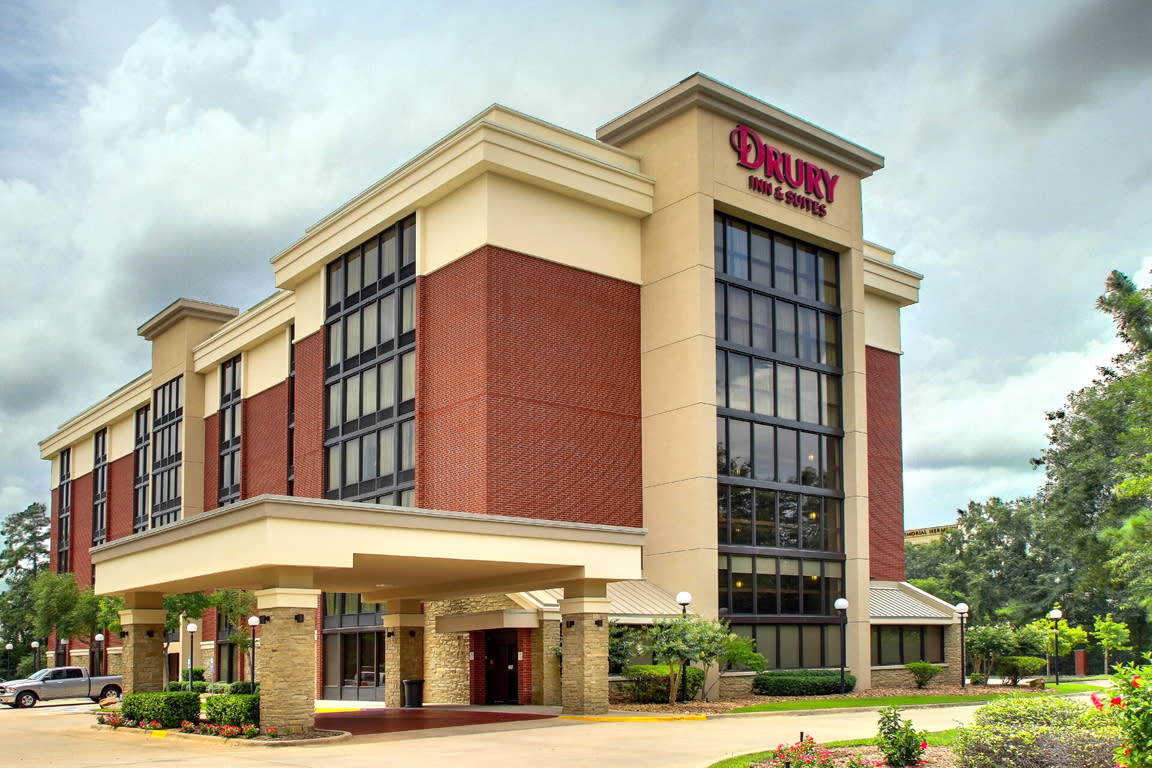
Unlike many of its publicly traded counterparts, Drury Hotels operates as a privately held company. This distinction is crucial to understanding its ownership structure and operational philosophy. At its heart, Drury Hotels is a family-owned business, a legacy that began with the visionary efforts of Chuck Drury and his father, James Richard Drury, in 1973. This foundational ownership structure has been meticulously maintained and evolved, ensuring that the company’s strategic direction and operational ethos remain firmly within the family’s stewardship.
The Genesis of an Empire: From Construction to Hospitality
The story of Drury Hotels isn’t a direct leap into hotel ownership. It began with a strong foundation in construction and real estate. Chuck Drury, alongside his father, established Drury Company in 1946, focusing on building and developing properties. This deep understanding of construction, development, and property management provided an invaluable bedrock upon which the hotel enterprise would eventually be built.
The pivot towards the hospitality sector was a strategic diversification, recognizing the growing demand for quality lodging. The first Drury Inn property opened its doors in 1973 in Cape Girardeau, Missouri. This marked the official inception of Drury Hotels as a distinct hospitality brand. The early years were characterized by a hands-on approach, with the family deeply involved in every aspect of the business, from design and construction to operations and guest relations. This intimate involvement fostered a culture of excellence and attention to detail that would become a hallmark of the brand.
Early Growth and Expansion
The initial success of the Cape Girardeau location paved the way for further expansion. The Drury family’s real estate acumen allowed them to identify prime locations and develop properties efficiently. This organic growth strategy, coupled with a clear vision for the guest experience, allowed Drury Hotels to gradually establish a strong presence in the Midwest. The focus was not on rapid, unsustainable growth, but on building a solid reputation for reliability and value.
The Drury Family’s Enduring Influence
The ownership of Drury Hotels remains firmly within the Drury family. This multi-generational commitment has provided a stable and consistent leadership framework. The family’s involvement extends beyond mere ownership; it permeates the company’s culture and strategic decision-making. This continuity ensures that the core values established by the founders – such as integrity, respect, and a dedication to outstanding service – are preserved and passed down through the organization.
This family-led approach allows Drury Hotels to prioritize long-term vision over short-term shareholder pressures. Decisions are often made with the enduring success and reputation of the brand in mind, rather than being dictated by quarterly earnings reports. This can translate into greater investment in employee training, property upkeep, and innovative guest amenities, all of which contribute to the overall guest experience and the brand’s enduring appeal.
Succession and Leadership Transitions
Throughout its history, Drury Hotels has navigated leadership transitions seamlessly, a testament to the family’s foresight and collaborative approach. While the precise details of internal family governance are private, it is understood that various branches of the Drury family hold ownership stakes and participate in the company’s strategic direction. This distributed ownership within the family ensures a broad base of support and a shared commitment to the company’s future.
The current leadership often reflects a blend of experienced family members and seasoned hospitality professionals, creating a dynamic where tradition meets modern management practices. This combination allows the company to adapt to evolving market trends while remaining true to its foundational principles.
The Structure of Ownership: Private Equity vs. Family Enterprise
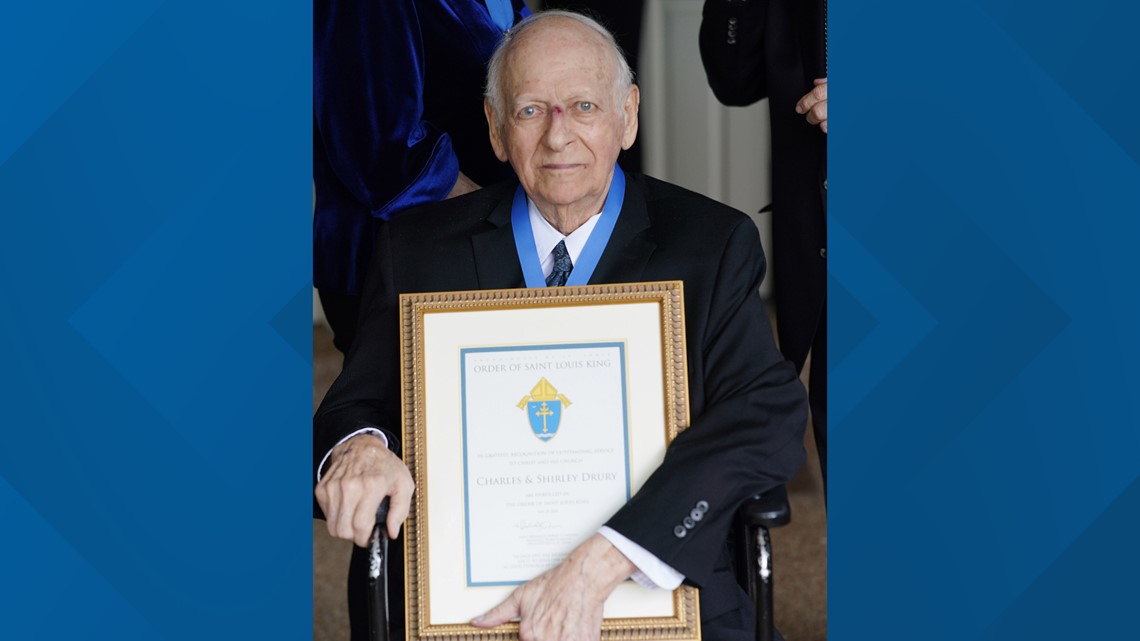
The distinction between a privately held, family-owned business like Drury Hotels and a publicly traded corporation is significant. Publicly traded companies are owned by shareholders who can buy and sell stock on exchanges. Their primary obligation is to maximize shareholder value, which can sometimes lead to decisions that prioritize profit over other considerations.
In contrast, a privately held company like Drury Hotels has a more concentrated ownership base, typically held by a family or a small group of investors. This allows for greater autonomy in decision-making, a longer-term strategic outlook, and the ability to cultivate a distinct corporate culture. For Drury Hotels, this private ownership has been instrumental in fostering a strong sense of identity and a consistent guest experience across its diverse portfolio.
Advantages of Private Ownership for Drury Hotels
The private ownership model offers several distinct advantages for Drury Hotels:
- Long-Term Vision: Without the constant pressure of quarterly earnings, the family can invest in the business for the long haul, focusing on sustainable growth, brand building, and property development.
- Agility and Flexibility: Decision-making processes can be more streamlined, allowing the company to adapt quickly to market changes or seize strategic opportunities.
- Culture Preservation: The family’s direct involvement helps to maintain and reinforce the company’s unique culture and values, which are often cited as a key differentiator by guests and employees.
- Focus on Guest Experience: The owners can prioritize investments that directly enhance the guest experience, such as complimentary breakfast and evening receptions, without needing immediate financial returns for external stakeholders.
Drury Hotels: A Portfolio Built on Consistency
The ownership structure directly influences the brand’s operational consistency. Whether you are staying at a Drury Plaza Hotel in Orlando, Florida, or a Drury Inn & Suites in Denver, Colorado, guests can generally expect a familiar level of service and amenities. This predictability is a significant draw for travelers who value reliability.
The company operates under several brands, including Drury Inn, Drury Plaza Hotel, Drury Suites, and Pear Tree Inn. Each brand offers a slightly different experience, but all are united by the core Drury commitment to quality and value. The ownership structure allows for strategic decisions about brand development and portfolio management, ensuring that each offering aligns with the overall mission of the company.
The Role of Acquisitions and Development
While the core ownership remains family-centric, Drury Hotels has grown significantly through both strategic acquisitions and new development. The family’s long-standing expertise in real estate and development has enabled them to identify and acquire promising properties or to develop new ones in key markets. This controlled expansion has allowed them to maintain their standards and integrate new locations seamlessly into their operational framework.
The Impact of Ownership on Guest Experience
The question of “Who Owns Drury Hotels?” ultimately circles back to the guest. The family’s stewardship has cultivated an environment where employees are often empowered to provide exceptional service. The famous Drury “5:30 Kickback®” – a complimentary evening reception with hot food and cold beverages – and the free hot breakfast are not just amenities; they are emblematic of the company’s philosophy of providing genuine value and hospitality.
This focus on guest satisfaction is a direct result of the ownership’s commitment to building a lasting legacy. They are not just managing assets; they are cultivating relationships with guests who return year after year. The personal touch that can be missing in larger, more corporate hotel chains is often felt at Drury properties, a testament to the enduring influence of its family ownership.

A Commitment to Employees and Communities
The family ownership model also often fosters a stronger commitment to employees and the communities in which Drury Hotels operates. The company has a reputation for treating its employees well, which in turn translates to better service for guests. This long-term perspective extends to community involvement, with Drury Hotels often participating in local initiatives and charitable endeavors.
In conclusion, the ownership of Drury Hotels is a story of enduring family enterprise. From its humble beginnings rooted in construction and development, the Drury family has meticulously built a hospitality powerhouse. Their private ownership has allowed them to maintain a consistent vision, prioritize guest experience, and foster a culture of excellence that resonates across their portfolio of brands. The answer to “Who Owns Drury Hotels?” is not just a statement of legal structure, but a reflection of a deeply ingrained legacy of hospitality that continues to shape the company’s present and future.
LifeOutOfTheBox is a participant in the Amazon Services LLC Associates Program, an affiliate advertising program designed to provide a means for sites to earn advertising fees by advertising and linking to Amazon.com. Amazon, the Amazon logo, AmazonSupply, and the AmazonSupply logo are trademarks of Amazon.com, Inc. or its affiliates. As an Amazon Associate we earn affiliate commissions from qualifying purchases.