
The Boston Marathon bombing on April 15, 2013, was a tragic event that deeply affected the city of Boston and the nation. While the immediate focus was on the devastation and the ongoing investigation, a critical question for many was the human toll. Understanding the number of fatalities is essential for memorializing the victims and comprehending the scale of the tragedy. This article will delve into the confirmed fatalities resulting from the bombing, providing a somber yet necessary account.
The Human Cost of the Bombing
The Boston Marathon bombing targeted a crowded public event, a festive atmosphere that was shattered by two explosive devices detonated near the finish line. The nature of such an attack, occurring in a densely populated area, unfortunately, led to significant casualties. The immediate aftermath saw a surge of injured individuals being rushed to local hospitals, while the grim reality of fatalities began to emerge.

Confirmed Fatalities
In the immediate hours and days following the attack, authorities worked diligently to account for all victims. The official count of individuals who tragically lost their lives directly as a result of the bombing was three. These were:
-
Krystle Campbell: A 29-year-old Arlington, Massachusetts resident, Krystle was attending the marathon with her sister and father to cheer on a friend. She died at the scene from her injuries. Her death was confirmed by her family.
-
Lu Lingzi: A 23-year-old graduate student from China studying at Boston University, Lu Lingzi was near the finish line with friends when the bombs detonated. She sustained fatal injuries and was pronounced dead at the hospital. Her death was confirmed by Boston University and her family in China.
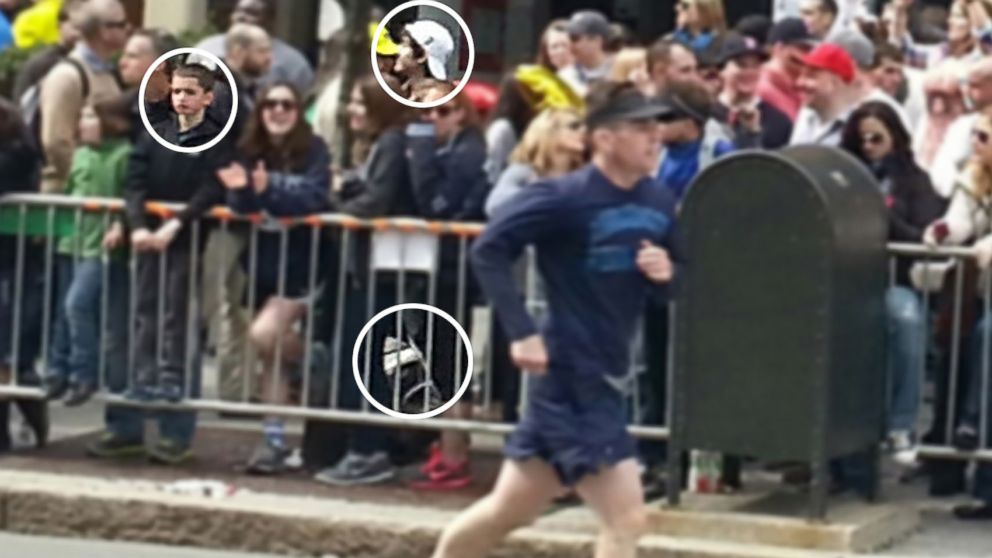
- Martin Richard: An 8-year-old boy from the Dorchester neighborhood of Boston, Martin was at the marathon with his family, watching the runners pass. He was tragically killed by the blast, becoming the youngest victim of the attack. His parents, Bill and Denise Richard, released a heartbreaking statement following his death.
The confirmation of these three lives lost sent shockwaves through the community and beyond, highlighting the indiscriminate nature of terrorism. Each individual represented a unique life, with families and futures irrevocably altered by the senseless violence.
Beyond the Immediate Toll: The Injured and Lasting Impacts
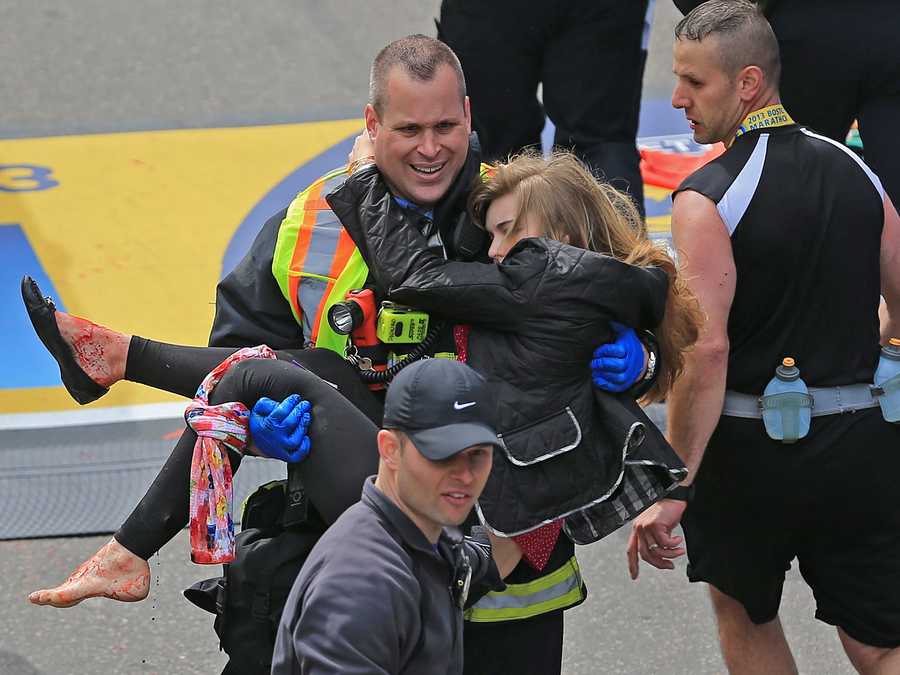
While the number of fatalities provides a crucial metric, it is imperative to acknowledge the immense number of individuals who sustained injuries, many of them severe and life-altering. Over 260 people were injured, with dozens suffering life-threatening wounds, including shrapnel injuries, blast trauma, and the devastating loss of limbs. The medical response in Boston was swift and heroic, with Massachusetts General Hospital, Brigham and Women’s Hospital, and other medical facilities working tirelessly to save lives and provide care.
The long-term impact of the bombing extends far beyond the physical injuries. Many survivors continue to grapple with psychological trauma, including post-traumatic stress disorder (PTSD). The event also had a profound impact on the spirit of Boston, fostering a sense of resilience and unity in the face of adversity. The city rallied around the victims and their families, demonstrating a remarkable commitment to support and recovery.
Memorializing the Victims
In the years since the bombing, numerous efforts have been made to memorialize the lives of Krystle Campbell, Lu Lingzi, and Martin Richard. The Boston Marathon itself has become a powerful symbol of remembrance and defiance. A memorial was established near the site of the bombings, serving as a place of reflection and tribute. The stories of the victims are shared, ensuring that they are not remembered solely for how they died, but for how they lived.
The One Fund Boston, established in the wake of the tragedy, provided financial assistance to the victims and their families, demonstrating the community’s solidarity and compassion. These initiatives, along with ongoing public commemorations, ensure that the memory of those lost is preserved for generations to come. The question of “how many people were killed” is a somber one, but the answer, three lives, serves as a stark reminder of the human cost of violence and the enduring importance of remembering those who were taken too soon. The resilience of Boston and the strength of its community in the aftermath of such a devastating event are testaments to the human spirit.
LifeOutOfTheBox is a participant in the Amazon Services LLC Associates Program, an affiliate advertising program designed to provide a means for sites to earn advertising fees by advertising and linking to Amazon.com. Amazon, the Amazon logo, AmazonSupply, and the AmazonSupply logo are trademarks of Amazon.com, Inc. or its affiliates. As an Amazon Associate we earn affiliate commissions from qualifying purchases.