
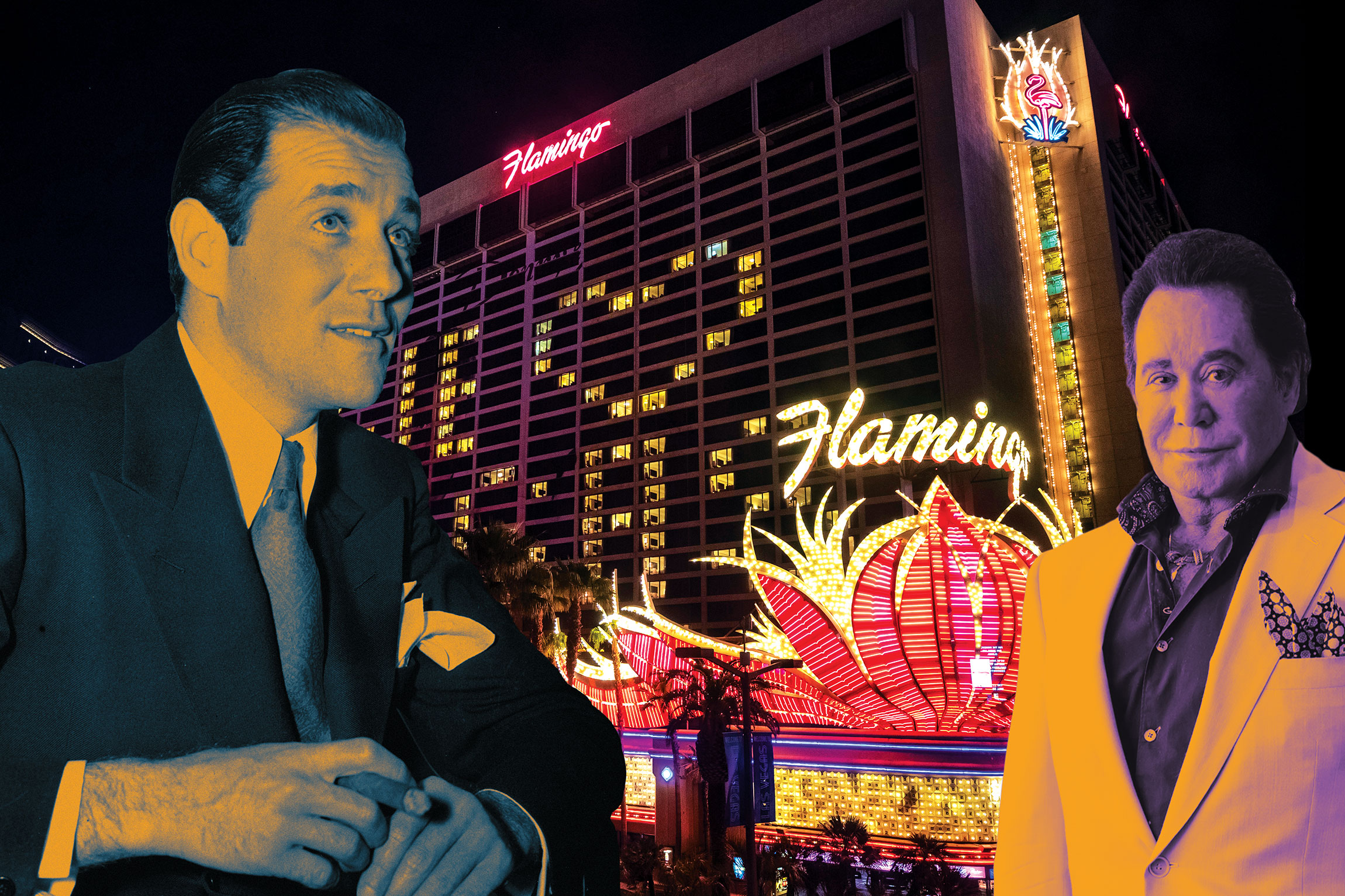
The iconic Flamingo Hotel Las Vegas stands as a vibrant testament to the golden age of Las Vegas tourism, a pink paradise shimmering on the Las Vegas Strip. Its distinctive architecture and storied past are as much a part of the city’s allure as the dazzling lights and thrilling casinos. For many visitors and enthusiasts of Las Vegas history, a fundamental question arises: who is behind the ownership of this legendary establishment? Understanding the ownership of the Flamingo Hotel offers a fascinating glimpse into the evolution of casino resorts and the corporate landscape of the entertainment industry.
A Legacy of Vision and Acquisition
The story of the Flamingo Hotel ownership is a narrative woven with audacious ambition, shrewd business acumen, and a series of strategic acquisitions. From its inception, the hotel has been a beacon of glamour, and its ownership has mirrored the dynamic shifts within the gaming and hospitality sectors.
The Genesis: Bugsy Siegel’s Dream
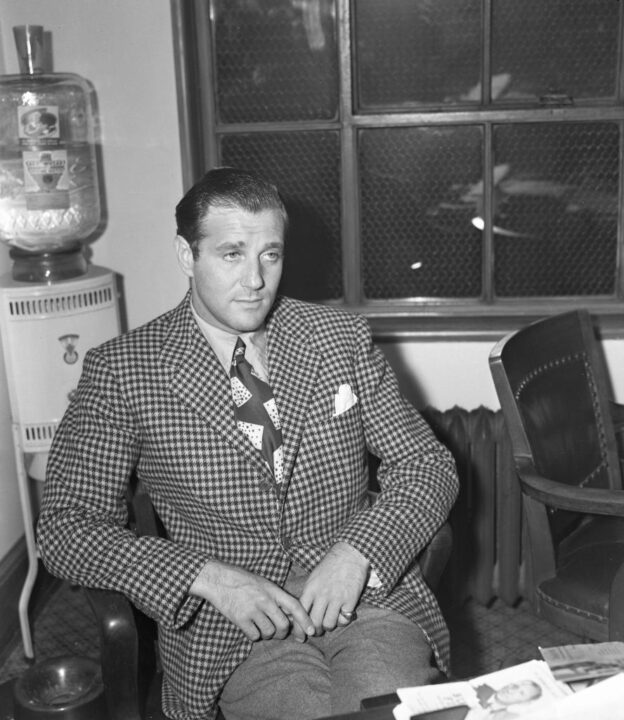
The Flamingo Hotel was originally conceived and built by an unlikely figure in the hotel industry: the notorious mobster Benjamin “Bugsy” Siegel. In the early 1940s, Siegel, alongside partners like Meyer Lansky, envisioned a luxurious resort that would epitomize elegance and sophistication, a stark contrast to the more rustic establishments then populating Las Vegas. Siegel’s vision was to create a high-end destination, complete with fine dining, a showroom, and a casino, all set against a backdrop of unparalleled opulence. The hotel, named “The Flamingo” after Siegel’s girlfriend, Virginia Hill, opened its doors on December 26, 1946. However, Siegel’s reign over his grand design was tragically short-lived, as he was murdered in June 1947, leaving the ownership and future of the Flamingo in flux.
Shifting Sands of Ownership
Following Siegel’s demise, the ownership of the Flamingo passed through various hands. The property was eventually acquired by Moe Dalitz and his associates, who were instrumental in its continued development and operation, solidifying its place as a premier destination on the Las Vegas Strip. Over the decades, the Flamingo has been part of several larger corporate entities, each contributing to its evolution while maintaining its core identity. These shifts in ownership reflect the broader trends of consolidation and expansion within the gaming industry, as larger corporations sought to acquire established properties to enhance their portfolios.
The Era of Corporate Ownership
The modern era of the Flamingo Hotel is characterized by its ownership under major hospitality and gaming corporations. This transition marked a significant change from its mob-influenced beginnings to a more publicly traded and regulated business model.
Hilton Hotels and Bally’s Corporation

In 1972, the Flamingo was acquired by Hilton Hotels Corporation. Under the Hilton banner, the hotel underwent significant renovations and expansions, further cementing its status as a major player on the Las Vegas Strip. However, in a landmark deal that reshaped the Las Vegas landscape, Hilton sold its gaming division, including the Flamingo, to Bally’s Entertainment Corporation in 1993. This acquisition brought the Flamingo under the umbrella of another prominent gaming operator.
The Transition to Park Place Entertainment and Caesars Entertainment
The late 1990s saw further consolidation in the gaming industry. Bally’s Entertainment Corporation merged with Grand Casinos, Inc. to form Park Place Entertainment in 1998. This new entity then owned and operated the Flamingo along with a host of other well-known properties across the globe. The name Park Place Entertainment would not remain for long, as the company continued its aggressive growth strategy.
The most significant and enduring chapter in the Flamingo Hotel’s modern ownership began in 2005 when Park Place Entertainment merged with Caesars Entertainment, Inc. to create one of the largest and most dominant gaming and hospitality companies in the world: Caesars Entertainment Corporation. This merger brought the Flamingo under the direct management and ownership of a company that has become synonymous with the Las Vegas experience.
Current Ownership: A Part of the Caesars Empire
Today, the Flamingo Hotel is a flagship property within the vast portfolio of Caesars Entertainment. As one of the largest casino operators in the United States, Caesars Entertainment owns and manages a diverse array of integrated resorts, casinos, and hotels across numerous states and international locations. The company’s holdings include some of the most recognizable names in the gaming and entertainment industry.
The Strategic Importance of the Flamingo
For Caesars Entertainment, the Flamingo Hotel represents more than just another property; it is a vital component of its Las Vegas Strip presence. Its prime location, iconic status, and broad appeal to various traveler demographics make it a consistent revenue generator and a key attraction for visitors seeking the classic Las Vegas experience. The hotel continues to be a popular destination for those looking for entertainment, dining, and gaming, all within its distinctive pink-hued walls.
The operations of the Flamingo are managed by Caesars Entertainment under its corporate structure. This means that the daily management, marketing, and strategic direction of the hotel are overseen by the broader Caesars organization. Investments in renovations, upgrades to amenities, and marketing campaigns are all part of Caesars’ ongoing commitment to maintaining and enhancing the appeal of the Flamingo as a premier hotel and casino.
The Impact of Corporate Governance
The current ownership by a large, publicly traded corporation like Caesars Entertainment has profound implications for the Flamingo Hotel. It ensures a steady stream of capital for upgrades and maintenance, access to extensive marketing resources, and integration into loyalty programs that benefit a wider customer base. While this corporate structure brings stability and resources, it also means that decisions about the hotel’s future are made within the broader strategic framework of Caesars Entertainment, which might involve corporate restructurings, mergers, or divestitures, as seen in the company’s history.
The ownership of the Flamingo Hotel Las Vegas is thus a story of evolution, from a mobster’s audacious dream to a jewel in the crown of a global hospitality giant. It is a narrative that highlights the dynamic nature of the Las Vegas entertainment industry and the enduring appeal of one of its most beloved landmarks. The pink façade of the Flamingo continues to welcome guests, a testament to its enduring legacy under the stewardship of Caesars Entertainment.
LifeOutOfTheBox is a participant in the Amazon Services LLC Associates Program, an affiliate advertising program designed to provide a means for sites to earn advertising fees by advertising and linking to Amazon.com. Amazon, the Amazon logo, AmazonSupply, and the AmazonSupply logo are trademarks of Amazon.com, Inc. or its affiliates. As an Amazon Associate we earn affiliate commissions from qualifying purchases.